
 By admin
Aquarium tanks come in many shapes, sizes, and styles, making it easy to find an option that fits your home and the type of aquatic life you want to keep. From small desktop tanks and nano aquariums to large custom displays, choosing the right tank is one of the most important decisions for a successful aquarium.
A good aquarium tank should provide enough space for fish, plants, decorations, and equipment while remaining easy to maintain.
What Is an Aquarium Tank?
An aquarium tank is a water-filled enclosure designed to keep fish, aquatic plants, invertebrates, or other aquatic organisms. Most home aquariums are made from glass or acrylic and can be used for freshwater or saltwater environments.
Common aquarium tank styles include:
- Standard rectangular tanks
- Nano aquariums
- Rimless tanks
- Bow-front tanks
- Cube aquariums
- Long shallow tanks
- Large display tanks
- Custom-built aquariums
Glass Aquarium Tanks
Glass is one of the most popular aquarium materials.
Advantages include:
- Excellent clarity
- Scratch resistance
- Long lifespan
- Easy cleaning
- Stable shape
Glass tanks are available in many sizes and are particularly popular for planted aquariums and aquascaping.
Acrylic Aquarium Tanks
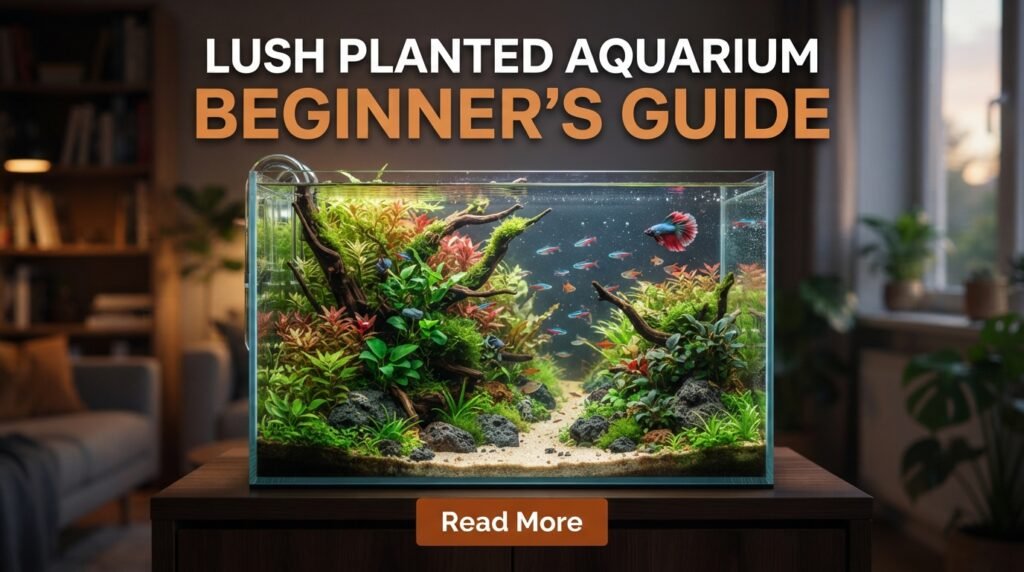
Acrylic tanks are lighter than glass and can be molded into different shapes.
Advantages include:
- Lightweight construction
- Flexible design options
- Good impact resistance
- Easy transportation
However, acrylic can scratch more easily than glass, so cleaning tools should be selected carefully.
Small Aquarium Tanks
Small tanks are useful for compact spaces.
Popular sizes include:
- 2.5-gallon tanks
- 5-gallon tanks
- 10-gallon tanks
- Small desktop aquariums
Small aquariums require careful maintenance because water temperature and chemistry can change quickly.
20-Gallon Aquarium
A 20-gallon tank provides considerably more space than a nano aquarium.
It can be suitable for:
- Small community fish
- Planted aquariums
- Shrimp colonies
- Small schooling fish
The exact stocking should always depend on the species and their adult size.
40-Gallon Aquarium
A 40-gallon aquarium offers more flexibility for aquascaping and fish selection.
It can provide:
- Larger swimming areas
- More room for plants
- Greater water stability
- More elaborate hardscape designs
A 40-gallon breeder-style tank is especially popular because of its broad footprint.
55-Gallon Aquarium
A 55-gallon tank is a popular choice for larger home displays.
It provides enough space for many community setups and can accommodate larger aquascaping projects.
Because a filled aquarium is extremely heavy, the stand and floor must be capable of supporting the total weight.
Large Aquarium Tanks
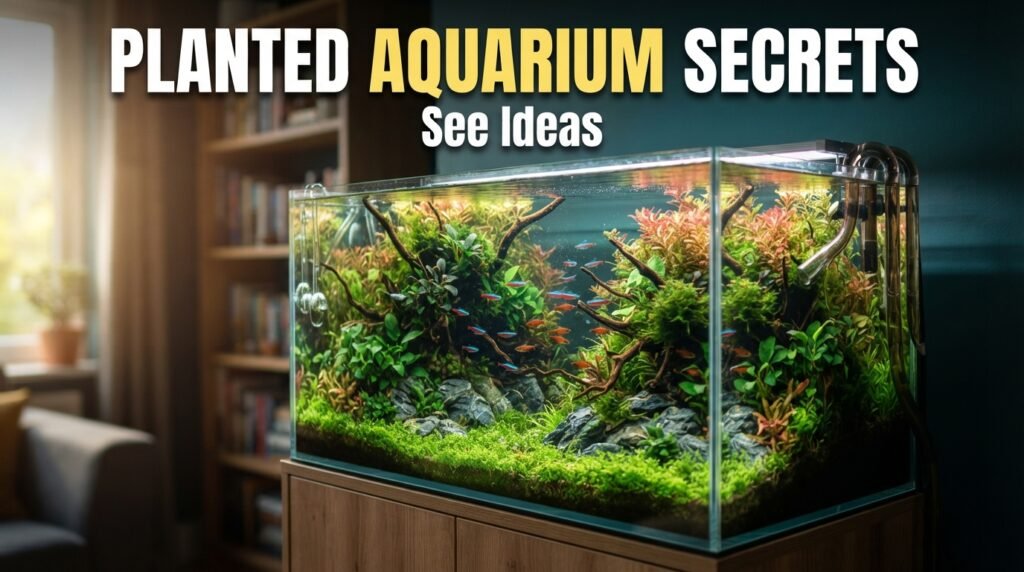
Large aquariums create impressive focal points in living rooms, offices, and commercial spaces.
Design possibilities include:
- Large planted aquascapes
- Freshwater community displays
- Cichlid aquariums
- Reef aquariums
- Custom biotopes
Large tanks require appropriately sized filtration, lighting, heating, and maintenance equipment.
Nano Aquarium Tanks
Nano tanks are generally compact aquariums designed for small aquatic setups.
Popular uses include:
- Shrimp aquariums
- Small planted displays
- Moss gardens
- Aquascaping projects
Because water volume is limited, careful maintenance is especially important.
Rimless Aquarium Tanks
Rimless aquariums have no traditional plastic frame around the upper edge.
Their clean appearance makes them popular for:
- Modern interiors
- Aquascaping
- Planted tanks
- Minimalist décor
They offer an unobstructed view of the aquarium but may require additional attention to evaporation and water-level consistency.
Cube Aquarium Tanks
Cube tanks have relatively equal dimensions in length, width, and height.
They are excellent for:
- Aquascaping
- Shrimp tanks
- Small planted aquariums
- Desktop displays
Their shape allows creative three-dimensional layouts.
Long Aquarium Tanks
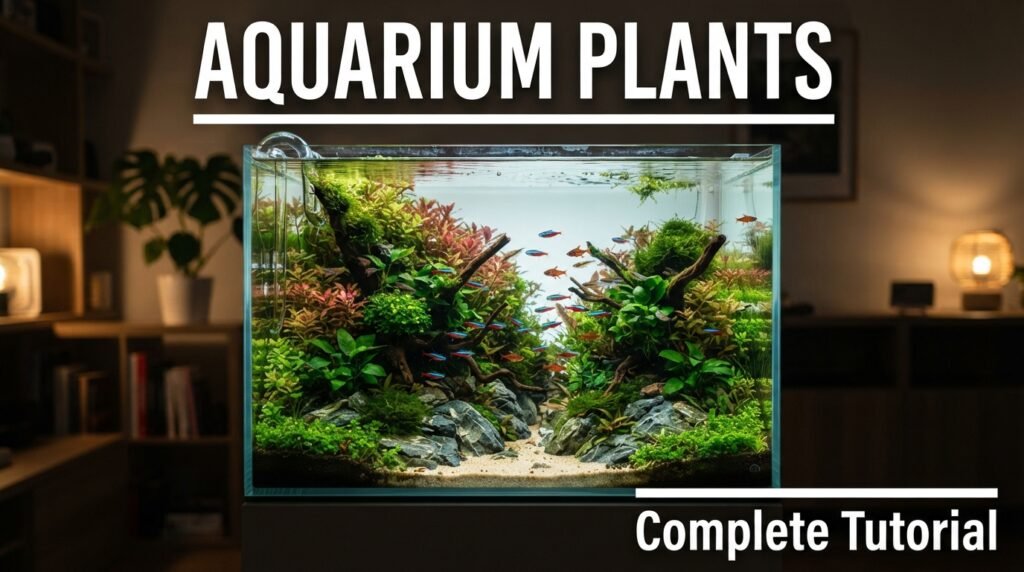
Long tanks provide extra horizontal swimming space.
They are particularly useful for active fish that spend much of their time swimming from side to side.
A longer footprint can also create attractive layered aquascapes.
Saltwater Aquarium Tanks
Saltwater tanks are designed for marine environments.
They can contain:
- Marine fish
- Live rock
- Corals
- Invertebrates
- Marine plants and algae
Saltwater systems generally require more specialized equipment and careful monitoring than basic freshwater aquariums.
Freshwater Aquarium Tanks
Freshwater aquariums are often the easiest option for beginners.
Possible setups include:
- Community aquariums
- Planted tanks
- Shrimp tanks
- Species-specific aquariums
- Biotope aquariums
Freshwater tanks offer a huge range of fish and plant choices.
Planted Aquarium Tanks
A planted aquarium combines fishkeeping with underwater gardening.
Important components include:
- Suitable substrate
- Aquarium lighting
- Live plants
- Fertilization when needed
- Filtration
- Appropriate water parameters
Popular plants include Anubias, Java Fern, Java Moss, Cryptocoryne, and Vallisneria.
Choosing the Right Tank Size
The best tank size depends on:
- Fish species
- Adult fish size
- Number of fish
- Swimming behavior
- Available space
- Equipment requirements
- Maintenance experience
A larger tank is not automatically better for every species, but additional water volume generally provides greater stability.
Aquarium Tank Comparison
| Tank Type | Best For | Main Advantage |
|---|---|---|
| Nano | Shrimp and small displays | Compact size |
| 10-gallon | Beginner setups | Easy to place |
| 20-gallon | Small communities | More stable water volume |
| 40-gallon | Larger communities | Excellent footprint |
| 55-gallon | Large displays | Plenty of swimming space |
| Rimless | Modern aquascapes | Clean appearance |
| Cube | Aquascaping | Three-dimensional layout |
| Large custom | Feature displays | Maximum design flexibility |
Aquarium Tank Equipment
A complete aquarium normally requires more than just the tank.
Important equipment may include:
- Filter
- Heater
- Aquarium light
- Thermometer
- Air pump when appropriate
- Water conditioner
- Water testing equipment
- Aquarium-safe substrate
- Lid or cover when appropriate
The exact equipment depends on the fish, plants, and aquarium type.
Aquarium Tank Maintenance
Regular maintenance helps keep the aquarium healthy.
Water Changes
Perform partial water changes according to the aquarium’s stocking, filtration, and water-quality needs.
Filter Maintenance
Clean filter components carefully without destroying beneficial biological media.
Glass Cleaning
Remove algae from the glass using aquarium-safe cleaning tools.
Plant Maintenance
Trim dead or overgrown leaves and remove decaying material.
Water Testing
Regularly check important parameters such as ammonia, nitrite, nitrate, pH, and temperature.
Common Aquarium Tank Mistakes
Choosing a Tank Based Only on Appearance
A beautiful tank may not be suitable for the fish you want to keep.
Overstocking
Adding too many fish can lead to poor water quality and stress.
Skipping the Nitrogen Cycle
A new aquarium should be properly cycled before being fully stocked.
Using an Unstable Stand
Aquariums become extremely heavy when filled with water, substrate, rocks, and decorations.
Ignoring Adult Fish Size
Always consider how large fish will become rather than their size when purchased.
How to Make an Aquarium Tank Look Better
You can improve the appearance of an aquarium by:
- Choosing a clear focal point.
- Using natural rocks or driftwood.
- Adding healthy live plants.
- Creating foreground, midground, and background layers.
- Hiding equipment where practical.
- Maintaining clean glass.
- Avoiding excessive decorations.
A simple, balanced aquascape often looks better than an overcrowded tank.
Conclusion
Choosing the right aquarium tank is the foundation of a successful aquatic setup. Small nano tanks are excellent for compact displays and shrimp, while medium and large tanks provide greater stability and more room for fish and aquascaping. Glass, acrylic, rimless, cube, long, freshwater, and saltwater tanks each offer different advantages.
Before purchasing a tank, consider the needs of your fish, available space, equipment requirements, and maintenance routine. With the right size and design, an aquarium tank can become a beautiful and healthy underwater environment.
Frequently Asked Questions
What is the best aquarium tank for beginners?
A moderately sized freshwater tank is often easier to maintain than an extremely small aquarium because it provides greater water stability.
Are glass or acrylic aquarium tanks better?
Glass is highly scratch-resistant and provides excellent clarity, while acrylic is lighter and more impact-resistant. The better choice depends on your priorities.
What size aquarium is easiest to maintain?
Many beginners find medium-sized aquariums easier to maintain because they provide more stable water conditions without becoming excessively large.
Can I keep fish in a small aquarium?
Yes, provided the species is appropriate for the tank size and the aquarium is properly filtered, cycled, and maintained.
Do larger aquarium tanks require more maintenance?
They require more water and equipment, but larger water volumes can be more forgiving of small changes in water chemistry. Maintenance still depends heavily on stocking and filtration.
How long can an aquarium tank last?
A quality aquarium can last for many years when properly installed and maintained. Regularly inspect the glass, silicone seams, stand, and equipment for signs of damage or deterioration.