
 By admin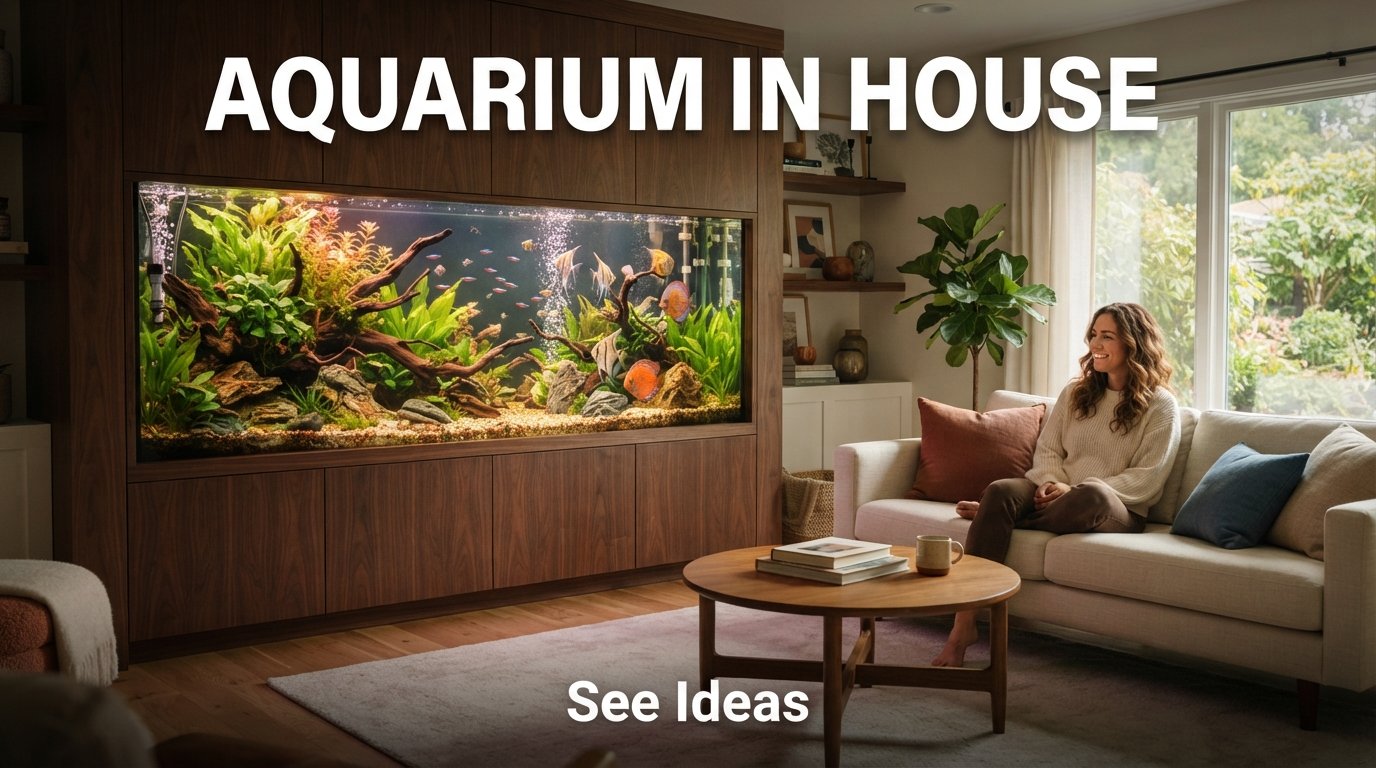
An aquarium in house living rooms can transform an ordinary space into a relaxing, elegant, and visually interesting part of the home. A well-designed aquarium does more than display fish. It can become a focal point, complement furniture, divide spaces, add natural elements, and create a peaceful atmosphere.
Living rooms are often the main gathering area of a home, making them an ideal location for an aquarium. Depending on the size and style of the room, you can choose a small tabletop aquarium, a built-in wall aquarium, a large feature tank, a corner aquarium, or even a double-sided aquarium that separates two areas.
The best living room aquarium design combines appearance with practical fishkeeping. The aquarium should have proper support, suitable filtration, accessible equipment, and enough space around it for regular maintenance. With thoughtful planning, an aquarium can become one of the most attractive features in a modern home.
Best Aquarium in House Living Rooms Ideas
| Aquarium Design | Best For | Main Feature |
|---|---|---|
| Built-In Wall Aquarium | Modern homes | Seamless architectural look |
| TV Wall Aquarium | Entertainment areas | Integrated feature wall |
| Corner Aquarium | Small living rooms | Uses unused space |
| Room Divider Aquarium | Open-plan homes | Separates two areas |
| Cabinet Aquarium | Traditional rooms | Storage underneath |
| Floor-to-Ceiling Aquarium | Luxury homes | Dramatic focal point |
| Minimalist Aquarium | Modern interiors | Clean and simple design |
| Planted Aquarium | Natural interiors | Green aquascaping |
| Large Feature Aquarium | Spacious rooms | Main centerpiece |
| Small Living Room Aquarium | Apartments | Compact decoration |
1. Built-In Wall Aquarium for the Living Room
A built-in wall aquarium can give a living room a high-end architectural appearance.
The aquarium is installed directly into the wall so that the tank becomes part of the room instead of looking like a separate piece of furniture.
This design works especially well with modern interiors. The surrounding wall can use wood panels, stone, tile, concrete, or painted surfaces.
Hidden filtration and equipment can be placed behind nearby cabinets or within a dedicated service area.
A built-in aquarium requires careful planning because the wall and supporting structure must be suitable for the installation.
2. Aquarium in a TV Wall
Combining an aquarium with a TV unit is another popular living room idea.
The aquarium can be positioned beside the television, below it, or integrated into a larger media wall.
A balanced design is important. The aquarium should not compete too strongly with the television.
You can use matching cabinetry, wood panels, shelving, and lighting to make both elements look like one coordinated feature.
3. Corner Aquarium in a Living Room
Corners are often overlooked when designing a living room.
A corner aquarium can turn unused space into an attractive focal point.
This is particularly useful in smaller homes where a large central aquarium would take up too much space.
Choose a stand designed specifically for the aquarium and make sure there is enough room around the tank to access filters and perform maintenance.
4. Aquarium as a Living Room Room Divider
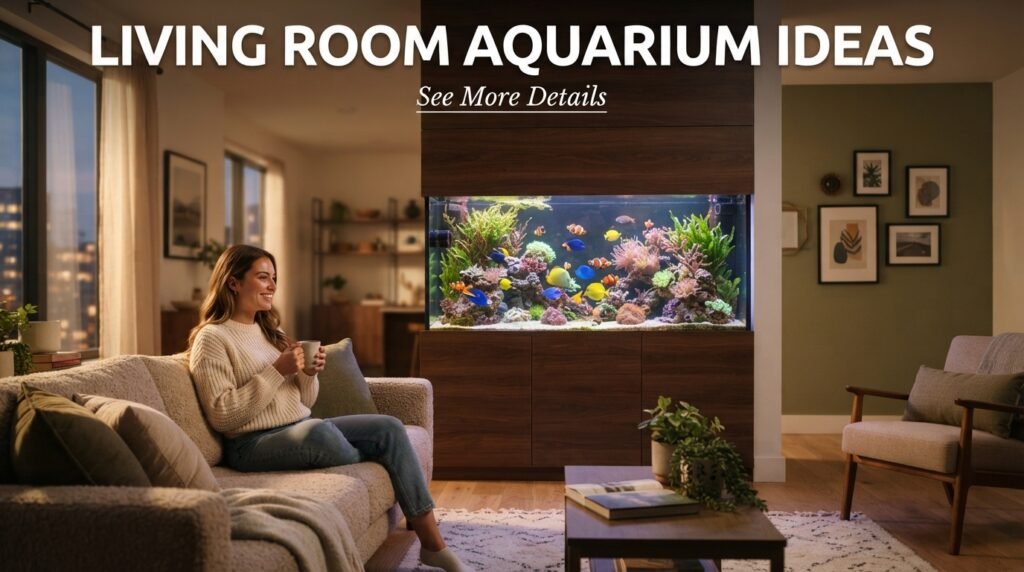
An aquarium can also separate different areas of an open-plan home.
For example, it can divide the living room from the dining area without completely closing the space.
A double-sided aquarium is particularly effective because it can be viewed from both sides.
This creates a functional feature that serves as both interior architecture and a fish display.
5. Large Aquarium in a Living Room
A large aquarium can become the main focal point of a spacious living room.
A large tank can accommodate more elaborate aquascaping, including rocks, driftwood, aquatic plants, and carefully selected fish.
However, a large aquarium requires much more planning than a small one.
Consider the aquarium’s total filled weight, floor strength, stand construction, electrical connections, filtration, lighting, and access for maintenance.
The aquarium should feel proportional to the room rather than overwhelming it.
6. Small Aquarium in a Living Room
A small aquarium can work beautifully in apartments and compact homes.
A small planted tank can be placed on a properly designed cabinet or aquarium stand.
Instead of trying to make the aquarium look larger than it is, keep the design simple.
A few healthy plants, attractive hardscape, and suitable fish or aquatic animals can create an elegant display.
7. Modern Aquarium in a Living Room

Modern living rooms often benefit from simple aquarium designs.
Use clean rectangular lines, clear glass, neutral colors, and minimal decoration.
A black, white, gray, or natural wood aquarium stand can complement modern furniture.
The aquarium interior can also follow a minimalist aquascaping style with carefully arranged rocks, plants, and open swimming space.
8. Luxury Aquarium for a Living Room
A luxury aquarium can become the centerpiece of an upscale home.
Large glass tanks, custom cabinetry, architectural lighting, premium aquascaping, and carefully selected fish can create a dramatic effect.
A luxury aquarium does not necessarily need excessive decoration.
In many cases, simplicity creates a more sophisticated appearance.
A large planted aquarium with a beautiful natural layout can look more elegant than a tank filled with artificial ornaments.
9. Aquarium With Plants in a Living Room
Live plants can make an aquarium feel connected to the natural environment.
A planted aquarium can include foreground plants, midground plants, tall background plants, driftwood, and rocks.
You can also extend the greenery outside the aquarium by placing houseplants around the tank.
This creates a natural transition between the aquarium and the rest of the room.
10. Minimalist Aquarium for a Living Room
A minimalist aquarium focuses on quality rather than quantity.
Use a simple tank, limited decorations, clean equipment placement, and a restrained color palette.
One piece of driftwood or a carefully positioned group of rocks can become the main feature.
Leave open areas so the fish remain visible.
Minimalist aquariums work particularly well in contemporary homes.
Choosing the Right Aquarium Size
The aquarium should be proportional to the living room.
A tiny aquarium may disappear in a large open room, while an oversized aquarium can dominate a small living room.
Consider the available wall length, furniture arrangement, walking space, and maintenance access.
Remember that the aquarium itself is only part of the required space. You also need room for the stand, filtration equipment, electrical connections, and access for cleaning.
Aquarium Placement in the Living Room
Placement is one of the most important decisions.
Avoid locations where the aquarium will receive excessive direct sunlight because this can contribute to algae growth and temperature fluctuations.
Keep the aquarium away from areas where people frequently bump into furniture.
It should also be placed where electrical equipment can be safely connected without creating a trip hazard.
The aquarium should be easy to see but not positioned where it interferes with normal movement around the room.
Aquarium Stand Ideas for Living Rooms
The stand contributes significantly to the overall appearance.
Popular options include:
- Wooden cabinet stand
- Modern black cabinet
- White minimalist cabinet
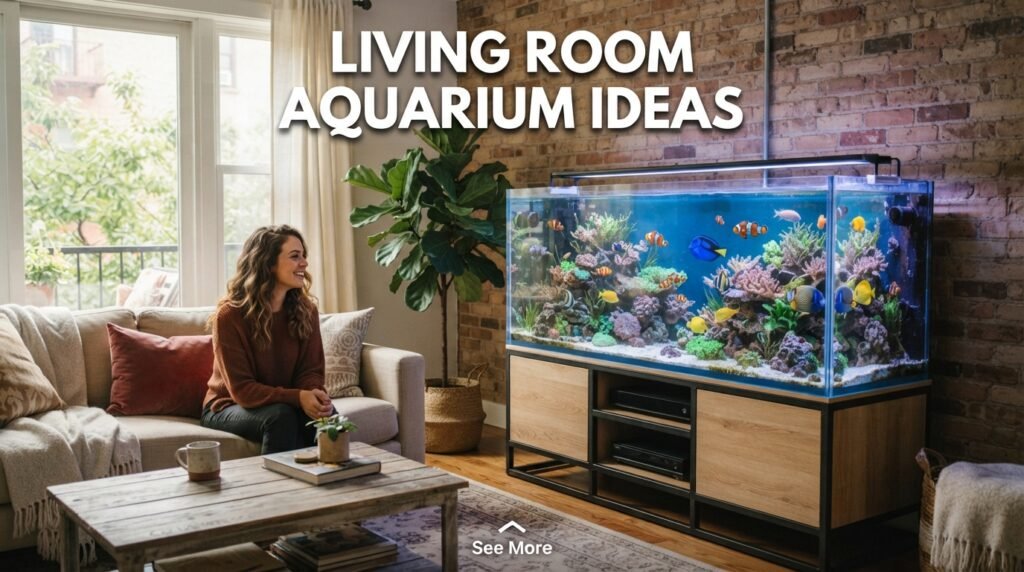
- Open shelving stand
- Built-in storage unit
- Floating-style furniture design
- Metal frame stand
- Custom wall-integrated cabinet
- Mid-century wooden stand
- Luxury custom cabinetry
Always choose a stand specifically designed to support the aquarium’s full weight.
A filled aquarium can be extremely heavy, so ordinary furniture should not automatically be assumed to be suitable.
Aquarium Living Room Wall Design
The wall surrounding an aquarium can make the entire display more impressive.
Wood panels can create warmth.
Stone or textured surfaces can create a natural appearance.
Dark walls can make the illuminated aquarium stand out.
White walls provide a clean modern appearance.
You can also use shelves, artwork, plants, or subtle lighting around the aquarium.
The goal is to create a visual relationship between the tank and the wall rather than making the aquarium look disconnected.
Aquarium Under the Stairs
The space under a staircase can sometimes be used for a custom aquarium.
This can create an impressive architectural feature while making use of otherwise unused space.
However, access is critical.
The aquarium should have enough room above it for feeding, cleaning, equipment maintenance, and water changes.
A very cramped installation can become difficult to maintain even if it looks beautiful.
Floor-to-Ceiling Aquarium
A floor-to-ceiling aquarium can create a dramatic luxury effect.
It can be installed as a vertical feature wall or used as a room divider.
This type of installation requires professional structural planning because of the substantial weight of the aquarium and water.
The equipment should also be accessible through a dedicated service area.
Aquarium Behind the Sofa
Another interesting arrangement is to place an aquarium behind a sofa.
The aquarium can act as a visual feature while the sofa creates a comfortable viewing area.
Make sure the sofa does not block access to the aquarium.
There should be enough space to reach the tank from the front and perform routine maintenance.
Aquarium Beside the Fireplace
An aquarium can be visually attractive beside a fireplace, but careful planning is necessary.
Aquariums should not be exposed to excessive heat or sudden temperature changes.
If the fireplace produces significant heat, maintain an appropriate distance between the aquarium and the heat source.
The two features can still work together visually when separated by enough space.
Aquarium With Wooden Furniture
Wood and aquariums make a natural combination.
A wooden aquarium cabinet can match coffee tables, shelving, flooring, or other living room furniture.
Dark wood creates a traditional appearance, while light wood works well in Scandinavian or contemporary interiors.
Natural wood can also complement planted aquariums and driftwood-based aquascapes.
Aquarium With Modern Lighting
Lighting can change how the aquarium appears throughout the day.
Aquarium lighting should be selected according to the fish and plants rather than purely for decoration.
Additional room lighting can be used to highlight the aquarium stand or surrounding wall.
Hidden LED lighting around cabinetry can create a modern appearance without making the aquarium itself excessively bright.
Fish Selection for a Living Room Aquarium
The fish should be selected based on aquarium size, water conditions, compatibility, and care requirements.
Common freshwater choices can include guppies, tetras, rasboras, mollies, platies, angelfish, and other suitable community species depending on tank size and compatibility.
A living room aquarium can also be designed around a single centerpiece fish species.
The most important factor is not simply appearance. The fish need an environment appropriate for their long-term health.
Living Room Aquarium With Aquascaping
Aquascaping can transform a standard aquarium into a living piece of art.
Popular styles include:
- Nature aquarium
- Jungle aquascape
- Iwagumi
- Minimalist aquascape
- Dutch-style planted tank
- Island aquascape
- Driftwood aquascape
Choose a style that complements the room.
A minimalist living room may suit an Iwagumi-inspired design, while a warm natural interior may look better with dense plants and driftwood.
Aquarium and Interior Design
The aquarium should complement the room rather than appear as an isolated object.
Consider the room’s:
- Furniture
- Wall color
- Flooring
- Lighting
- Wood tones
- Decorative style
- Available space
- Overall color palette
For example, a black aquarium stand can connect with black furniture or lighting fixtures.
A wooden stand can connect with wood flooring and cabinets.
Safety Considerations
Safety should always come before appearance.
The aquarium must sit on a stable, level, properly designed stand.
Electrical equipment should be installed safely and kept away from unnecessary water exposure.
The aquarium should not be placed where children or pets can easily knock into it.
Large built-in aquariums may require professional structural planning, particularly when they are installed into walls or used as architectural room dividers.
Maintenance Access
A beautiful aquarium becomes frustrating if maintenance is difficult.
Make sure there is enough space to reach the top of the aquarium.
Filters, heaters, pumps, and other equipment should be accessible.
If equipment is hidden inside cabinetry, include doors or panels that can be opened easily.
For built-in aquariums, create a dedicated service area during the design stage rather than trying to solve access problems later.
Common Mistakes
One common mistake is choosing an aquarium that is too large for the room.
Another is placing it in direct sunlight.
Some homeowners also focus heavily on the appearance of the tank while ignoring filtration and maintenance requirements.
Using unsuitable furniture as an aquarium stand is another serious mistake.
Overcrowding the aquarium with decorations can also make the room feel cluttered.
Finally, do not hide every piece of equipment without providing access for maintenance.
How to Plan an Aquarium in a House Living Room
Start by measuring the available space.
Determine the ideal aquarium size and decide whether it will be freestanding, built-in, wall-mounted in appearance, or used as a room divider.
Choose the stand and filtration system.
Plan electrical connections and equipment access.
Then select the aquascaping style, plants, fish, lighting, and surrounding decoration.
Planning these elements together produces a much more cohesive result.
Final Thoughts
An aquarium in house living rooms can become one of the most beautiful features in a home when it is designed around both the aquarium and the room.
Small tanks can provide a subtle natural accent, while large built-in aquariums can become dramatic architectural centerpieces. Room-divider aquariums can serve a practical purpose, while planted aquariums can bring greenery and natural movement into the living space.
The most successful design is not necessarily the largest or most expensive one. It is the aquarium that fits the room, supports healthy fishkeeping, provides easy maintenance access, and complements the home’s existing style.
Whether your living room is modern, traditional, minimalist, luxury, rustic, or compact, there is an aquarium design that can fit naturally into the space.
Frequently Asked Questions
Is an aquarium good for a living room?
Yes. A properly maintained aquarium can become an attractive focal point and add natural movement and visual interest to a living room.
Where is the best place to put an aquarium in a living room?
Choose a stable location away from direct sunlight, excessive heat, heavy traffic, and areas where the aquarium could easily be bumped.
What size aquarium is best for a living room?
The best size depends on the room, available space, fish species, and your ability to maintain the aquarium. The tank should be proportional to the room.
Can I build an aquarium into a living room wall?
Yes, but built-in aquariums require careful structural planning and adequate access for filtration and maintenance.
Can an aquarium be used as a room divider?
Yes. A double-sided aquarium can separate a living room from a dining area while remaining visible from both sides.
Is a corner aquarium good for a small living room?
Yes. Corner aquariums can make efficient use of otherwise unused space while providing an attractive focal point.
Can I put an aquarium under the stairs?
Yes, provided there is enough room for the aquarium, proper support, equipment, and maintenance access.
What fish are best for a living room aquarium?
Suitable fish depend on tank size and water conditions. Guppies, tetras, rasboras, mollies, and platies can be options for appropriate freshwater community aquariums.
How can I make a living room aquarium look modern?
Use clean lines, simple cabinetry, neutral colors, minimal decorations, hidden equipment, and a carefully designed aquascape.
Should an aquarium be near a window?
It is generally better to avoid excessive direct sunlight because it can contribute to algae growth and temperature changes.
Can an aquarium be placed beside a fireplace?
It can be possible if sufficient distance and temperature control are maintained. Excessive heat should be avoided.
How do I hide aquarium equipment in a living room?
Equipment can often be placed inside an appropriately designed aquarium cabinet or dedicated service compartment while keeping it accessible for maintenance.
What makes a living room aquarium look luxurious?
A well-proportioned tank, custom cabinetry, clean aquascaping, appropriate lighting, high-quality materials, and excellent maintenance can create a luxurious appearance.