
 By admin
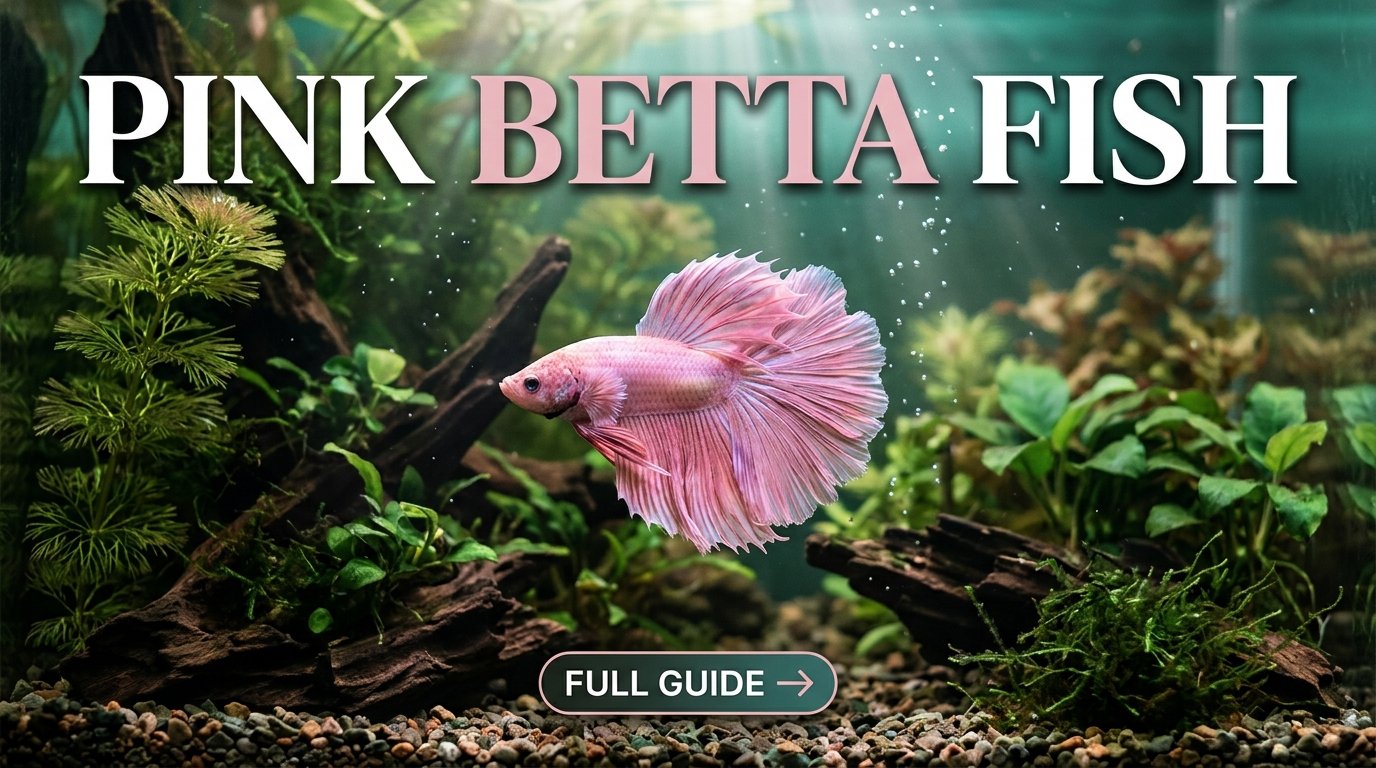
A pink betta fish is a beautiful freshwater aquarium fish admired for its delicate pink coloration, flowing fins, and unique personality. Pink bettas are available in different shades, ranging from soft pastel pink and pale rose to bright pink with white, purple, or red accents. Their unusual appearance makes them especially popular among aquarium enthusiasts who want something different from traditional blue and red betta fish.
Pink bettas belong to the species Betta splendens, commonly known as Siamese fighting fish. They are tropical freshwater fish originally native to Southeast Asia. With proper care, a pink betta can become an attractive and entertaining addition to a home aquarium.
Whether you are planning to purchase your first pink betta or looking for inspiration for a beautiful aquarium, understanding their appearance, varieties, feeding requirements, behavior, and tank conditions will help you provide the right environment.
What Is a Pink Betta Fish?
A pink betta fish is a selectively bred betta with pink or pinkish coloration across its body and fins. Its color may appear soft and subtle or bright and vibrant depending on genetics, lighting, and individual pigmentation.
Some pink bettas have nearly white bodies with pale pink fins, while others display deeper rose-colored scales and contrasting patterns. Certain varieties also have metallic or iridescent areas that reflect light.
Pink bettas are not a separate species. They are color varieties of Betta splendens and have similar care requirements to other domesticated bettas.
Different Types of Pink Betta Fish
Pink bettas come in several attractive appearances. Their patterns and fin shapes can make each fish look distinctive.
1. Solid Pink Betta Fish
A solid pink betta has a relatively consistent pink coloration across its body and fins. Its shade may range from pale pastel to deeper rose pink.
This variety is popular among people who prefer a simple, elegant aquarium appearance.
2. Pastel Pink Betta Fish
Pastel pink bettas have a soft, light coloration that may look almost white under certain lighting conditions.
Their delicate appearance makes them especially attractive in planted aquariums with green aquatic plants and natural decorations.
3. Pink Halfmoon Betta Fish
Halfmoon bettas are known for their broad, fan-shaped tails. A pink halfmoon betta combines this impressive fin shape with attractive pink coloring.
When displaying its fins, the tail can create a beautiful semicircular appearance.
4. Pink Crowntail Betta Fish
A pink crowntail betta has separated fin rays that create a crown-like appearance. Its unusual fins make it visually different from traditional betta varieties.
The pink coloration can be combined with white, red, or purple shades.
5. Pink Koi Betta Fish
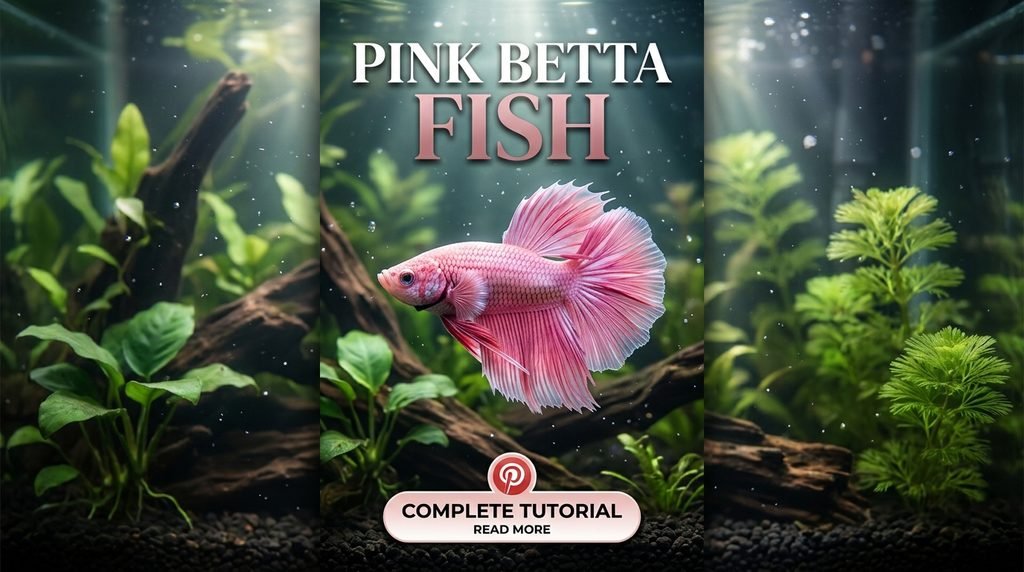
Pink koi bettas have multicolored patterns inspired by koi fish. They may display pink, white, orange, red, and darker patches across their bodies.
Each fish has a different pattern, making this variety appealing to collectors.
6. Pink and White Betta Fish
Pink and white bettas have a combination of soft pink and white coloration. Some have white bodies with pink fins, while others display irregular patches across their scales.
Their contrasting colors can look especially attractive against a dark aquarium background.
7. Pink Marble Betta Fish
Marble bettas have irregular patterns that may include pink, white, red, and other shades. Their appearance can change as they mature because of the genetics associated with marble coloration.
This means a young pink marble betta may look different several months later.
8. Pink Plakat Betta Fish
Plakat bettas have shorter fins and a more compact appearance than long-finned varieties. A pink plakat can be a beautiful choice for someone who likes short-finned bettas.
Their shorter fins give them a different appearance and allow them to swim without carrying the large fin spread seen in some other varieties.
Pink Betta Fish Appearance and Characteristics
Pink bettas have the same general body structure as other domesticated bettas. They have an elongated body, small mouth, rounded eyes, and fins that vary depending on their variety.
Their most noticeable feature is their coloration. Depending on the individual fish, pink pigmentation may appear on the body, tail, dorsal fin, anal fin, and ventral fins.
Some pink bettas have a metallic shine, while others display a soft matte appearance.
| Characteristic | Description |
|---|---|
| Scientific name | Betta splendens |
| Common name | Pink betta fish |
| Origin | Southeast Asia |
| Water type | Freshwater |
| Adult size | Usually around 2–3 inches |
| Lifespan | Commonly 2–5 years |
| Diet | Carnivorous |
| Temperature | 76–82°F (24–28°C) |
| Temperament | Can be territorial |
How to Care for a Pink Betta Fish
Pink bettas have similar care requirements to other betta varieties. Their attractive coloration does not mean they need a special diet or different aquarium conditions.
The most important factors are a suitable tank, stable temperature, clean water, nutritious food, and a low-stress environment.
1. Choose the Right Aquarium
A 5-gallon aquarium is a practical minimum for one betta fish. However, a 10-gallon tank provides more swimming space and makes it easier to create a beautiful planted environment.
Avoid keeping a betta permanently in a tiny bowl or unfiltered container. Small volumes of water can experience rapid changes in temperature and water quality.
A suitable aquarium should include:
- A secure lid because bettas can jump.
- Gentle filtration.
- A reliable heater.
- Smooth decorations.
- Live or soft artificial plants.
- Open swimming space.
- A thermometer.
2. Maintain Proper Water Temperature
Pink bettas are tropical fish and require warm, stable water.
The recommended temperature range is approximately 76–82°F (24–28°C). A reliable aquarium heater can help maintain this range, especially in cooler rooms.
Avoid sudden temperature changes because they can stress the fish and affect its health.
3. Keep the Water Clean
Good water quality is essential for maintaining a healthy pink betta.
The aquarium should be properly cycled before the fish is introduced. Beneficial bacteria help process ammonia and nitrite, which are harmful to fish.
| Water Parameter | Recommended Level |
|---|---|
| Temperature | 76–82°F |
| pH | Approximately 6.5–7.5 |
| Ammonia | 0 ppm |
| Nitrite | 0 ppm |
| Nitrate | Preferably below 20 ppm |
Perform regular partial water changes and test the water to identify problems before they affect your fish.
4. Use Gentle Filtration
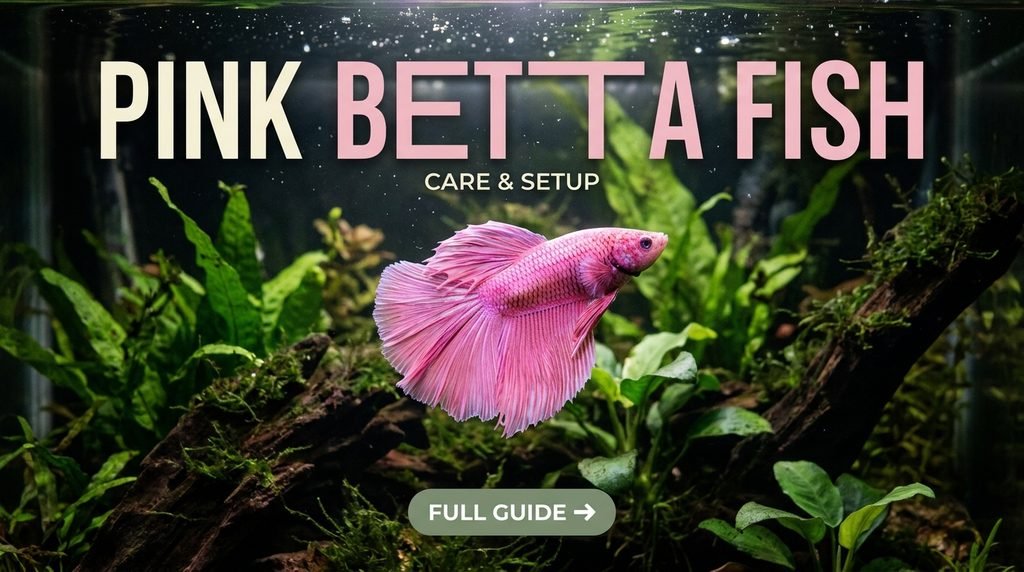
Bettas are not strong swimmers compared with many other aquarium fish, particularly varieties with large flowing fins.
Choose a gentle filter that provides biological filtration without creating a powerful current. Sponge filters and adjustable low-flow filters are popular options.
A strong current can make it difficult for a long-finned pink betta to swim comfortably.
Best Tank Decorations for Pink Betta Fish
The right aquarium decorations can make a pink betta look even more beautiful. Soft pink coloration often contrasts nicely with green plants, dark backgrounds, and natural driftwood.
Consider these decoration ideas:
Live aquatic plants: Anubias, Java fern, Java moss, and Cryptocoryne can create a natural environment.
Driftwood: Smooth aquarium-safe driftwood adds natural structure and hiding places.
Natural stones: Rounded stones can create attractive layouts when arranged securely.
Floating plants: Amazon frogbit and Salvinia can provide shade and resting areas.
Dark substrate: A dark substrate can make pale pink and white coloration stand out.
Avoid sharp decorations and rough plastic plants that could damage delicate fins. Keep enough open surface area for the fish to reach the air.
What Do Pink Betta Fish Eat?
Pink bettas are carnivorous and need a protein-rich diet. In their natural environment, bettas eat small insects, insect larvae, and other tiny aquatic organisms.
A high-quality betta pellet should form the main part of their diet. You can occasionally provide frozen or freeze-dried foods for variety.
Suitable food options include:
- High-quality betta pellets.
- Frozen brine shrimp.
- Daphnia.
- Bloodworms as an occasional treat.
- Suitable insect larvae.
Feed small portions and avoid overfeeding. Uneaten food should be removed because it can contribute to poor water quality.
A balanced diet supports healthy growth, activity, and natural coloration.
Pink Betta Fish Behavior and Personality
Pink bettas have individual personalities. Some are curious and active, while others prefer resting among plants and exploring their surroundings slowly.
Common behaviors include swimming near the surface, exploring decorations, resting on broad leaves, and approaching the aquarium glass when someone comes near.
Why Does a Pink Betta Fish Flare Its Fins?
Flaring is a normal defensive or territorial behavior. A betta spreads its fins and gill covers when it sees something it considers a potential rival.
A pink betta may flare at another fish or even its reflection in the glass.
Occasional flaring is normal, but repeated exposure to stressful triggers should be avoided.
Why Is My Pink Betta Fish Losing Color?
Color changes can occur for several reasons, including stress, aging, genetics, lighting, and health problems.
If your betta suddenly becomes pale, check the water temperature, ammonia, nitrite, and nitrate levels. Look for other symptoms such as clamped fins, reduced appetite, unusual swimming, or visible injuries.
Persistent or sudden color loss accompanied by other symptoms may require advice from an aquatic veterinarian.
Can Pink Betta Fish Live With Other Fish?
A pink betta can sometimes live with carefully selected peaceful tank mates, but compatibility depends on the individual fish.
Potential tank mates for a sufficiently large aquarium may include certain peaceful rasboras, Corydoras catfish, and some snails.
However, avoid aggressive fish, fin-nipping species, and other bettas. Even peaceful-looking tank mates can cause stress or trigger territorial behavior.
For beginners, keeping one pink betta in a dedicated aquarium is usually the safest choice.
Male vs. Female Pink Betta Fish
Pink coloration can occur in both male and female bettas. Their differences are mainly related to body structure, fin development, and reproductive characteristics rather than color.
| Feature | Male Pink Betta | Female Pink Betta |
|---|---|---|
| Fin length | Often longer | Usually shorter |
| Body shape | Generally more streamlined | Often slightly rounder |
| Color | Can be very vibrant | Can also be very vibrant |
| Behavior | May be territorial | May also be territorial |
| Egg production | Does not produce eggs | Produces eggs |
Not every male has long fins, and some females have impressive fin shapes. Color alone cannot reliably determine the sex of a betta.
Common Health Problems in Pink Betta Fish
Pink bettas can experience the same health problems as other domesticated bettas. Good aquarium maintenance helps reduce the risk of many common conditions.
Fin Rot
Fin rot causes the edges of the fins to deteriorate. The fins may look ragged, darkened, or progressively shorter.
Poor water quality is a common contributing factor. Check the aquarium conditions and seek suitable treatment if the problem continues.
Ich
Ich is a parasitic infection that causes small white spots on the body and fins. Affected fish may rub against decorations or become less active.
Appropriate aquarium treatment and careful water management are important.
Swim Bladder Problems
A betta with a buoyancy problem may struggle to swim normally. It might float near the surface, sink, or swim at an unusual angle.
Possible causes include digestive problems, injury, and other illnesses. Check water quality and seek veterinary advice if symptoms persist.
Stress and Loss of Appetite
Stress can cause a pink betta to hide, lose appetite, display clamped fins, or become less active.
Common causes include poor water conditions, unsuitable temperatures, strong currents, and aggressive tank mates.
How Long Do Pink Betta Fish Live?
Pink betta fish commonly live around 2–5 years when kept in suitable aquarium conditions.
Their lifespan depends on genetics, diet, water quality, temperature stability, and overall care.
When buying a pink betta, look for an active fish with clear eyes, intact fins, normal swimming behavior, and no visible sores or unusual swelling.
How to Make a Pink Betta Fish Look More Beautiful
A healthy pink betta naturally displays attractive coloration. Rather than using special products to change its color, focus on providing a stable and comfortable environment.
A few helpful ideas include:
- Use green live plants to create natural color contrast.
- Choose a dark aquarium background.
- Provide suitable aquarium lighting.
- Maintain stable water conditions.
- Feed a balanced, protein-rich diet.
- Avoid unnecessary stress and aggressive tank mates.
- Keep the aquarium clean and properly maintained.
Lighting can influence how pink coloration appears, but it does not replace good nutrition or proper care.
Frequently Asked Questions About Pink Betta Fish
Are pink betta fish rare?
Pink bettas are less commonly seen than traditional red and blue varieties in some aquarium shops. Availability depends on the breeder and local market.
How much does a pink betta fish cost?
The price depends on its color, fin type, breeder, quality, and location. Specialty varieties may cost more than common bettas.
Are pink betta fish natural?
Pink bettas are selectively bred varieties of Betta splendens. Their coloration comes from genetic variation and selective breeding.
Can a pink betta fish live in a bowl?
A bowl is not recommended as a permanent home. A filtered, heated aquarium of at least 5 gallons is a much better choice.
Do pink betta fish change color?
Yes. Some bettas can change coloration as they mature. Genetics, stress, health, and marble-pattern genes can also influence their appearance.
Are pink betta fish aggressive?
They can be territorial, just like other bettas. Their temperament varies between individuals, so they should not automatically be considered peaceful.
What is the best food for a pink betta fish?
A high-quality betta pellet is a suitable staple. Frozen brine shrimp and daphnia can be offered occasionally as additional foods.
Can two pink betta fish live together?
Keeping two bettas together is risky, especially if they are both males. Female betta groups can also experience aggression. Separate aquariums are generally the safer option.
Do pink betta fish need a heater?
Yes, unless their water temperature is reliably maintained within the appropriate tropical range. Most indoor environments benefit from a suitable aquarium heater.
What plants are best for a pink betta fish tank?
Anubias, Java fern, Java moss, and suitable floating plants are popular choices. They provide cover and resting areas while creating a natural aquarium appearance.
Final Thoughts
A pink betta fish is a beautiful freshwater aquarium pet that combines delicate coloration with the curious personality of a betta. From pastel pink and pink-and-white varieties to colorful koi patterns and halfmoon fins, there are many attractive options for aquarium enthusiasts.
The key to keeping a healthy pink betta is providing a suitable heated and filtered aquarium, clean water, nutritious food, and a comfortable environment with plants and hiding places.
With consistent care, your pink betta can remain active, healthy, and beautiful for years while becoming a stunning centerpiece in your home aquarium.