
 By admin
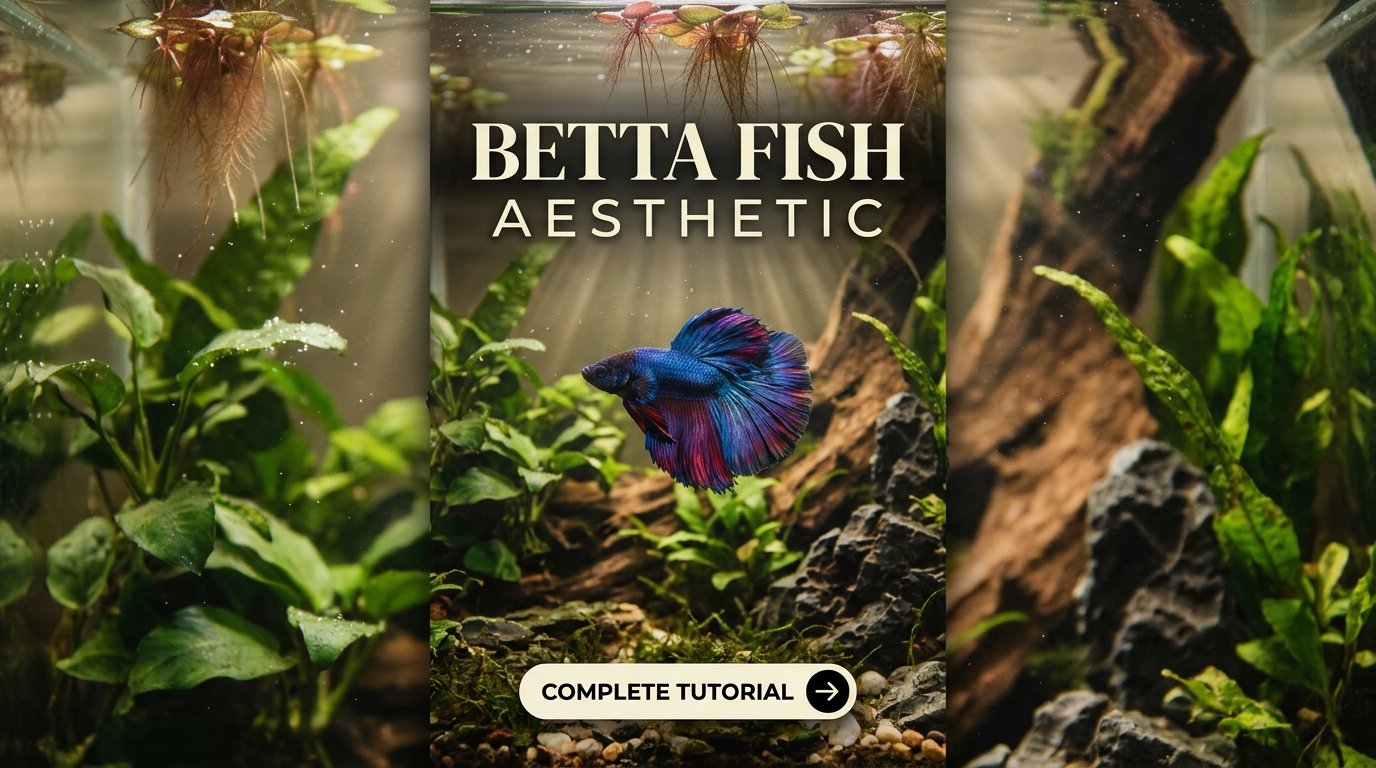
A betta fish bowl may look like a simple and attractive way to keep a colorful fish, but choosing the right home for a betta requires more than selecting a decorative glass container. Betta fish are known for their flowing fins, bright colors, and interesting personalities. They deserve an aquarium that provides enough swimming space, stable water conditions, suitable temperature, and a healthy environment.
Traditional small fish bowls are generally not suitable for bettas because they cannot provide the space and stable conditions these tropical fish need. However, you can create a beautiful bowl-inspired aquarium using a properly sized tank with attractive plants, natural decorations, and gentle filtration.
Whether you like minimalist designs, planted aquariums, natural decorations, or modern glass containers, these betta fish bowl ideas can help you create an attractive setup while keeping fish welfare a priority.
1. Minimalist Betta Fish Bowl Design
A minimalist design is perfect for people who prefer a clean and simple aquarium.
Choose a properly sized aquarium with a neutral-colored substrate, a small piece of driftwood, and a few live plants. Avoid filling the space with unnecessary decorations.
A simple arrangement can make your betta’s colors stand out while providing open swimming space.
Instead of choosing a tiny decorative bowl, use a suitable aquarium of at least 5 gallons for one betta. A larger tank can make it easier to maintain stable water conditions.
2. Round Glass Betta Aquarium
Round glass aquariums have a classic appearance and can create an attractive centerpiece for a room.
However, traditional small round bowls are not suitable long-term homes for betta fish. If you like the rounded appearance, consider a larger, purpose-designed aquarium with adequate swimming space, filtration, and heating.
Keep the layout simple with smooth decorations and aquarium-safe plants.
Make sure the aquarium has a secure cover because bettas can jump out of the water.
3. Betta Fish Bowl With Live Plants
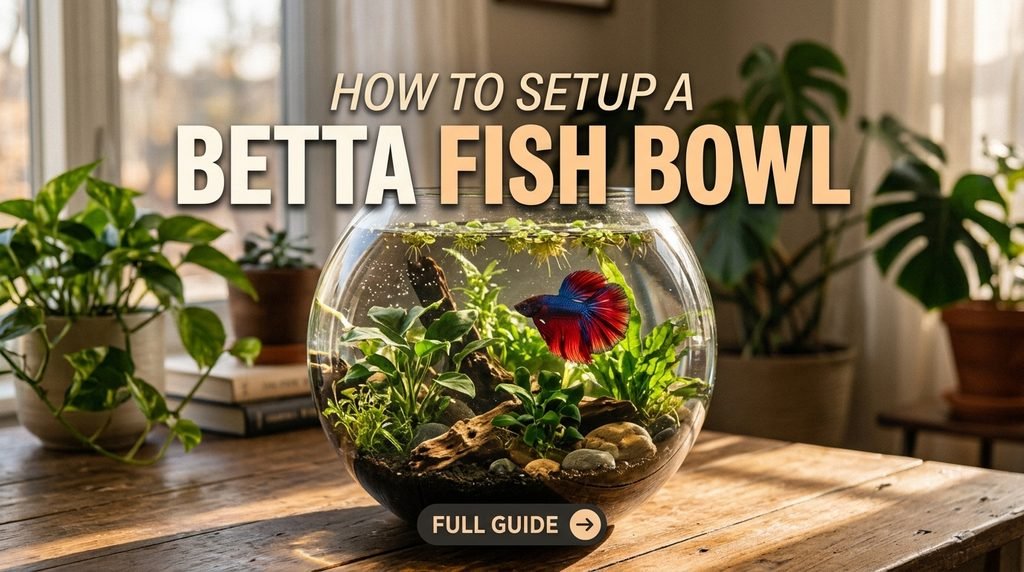
Live plants can make a betta aquarium look natural and provide useful resting and hiding places.
Some suitable plant choices include:
- Anubias
- Java fern
- Java moss
- Amazon frogbit
- Salvinia
- Water sprite
Anubias and Java fern are particularly useful because they can grow attached to driftwood or rocks. Their leaves can provide comfortable resting areas for bettas.
Choose plants that match your lighting conditions and avoid overcrowding the aquarium.
4. Betta Fish Bowl With Natural Stones
Natural stones can add texture and visual interest to a betta aquarium.
Choose smooth, aquarium-safe stones and arrange them around plants or driftwood. A small stone arrangement can create a natural underwater landscape without making the tank look crowded.
Avoid sharp rocks that could damage delicate betta fins. Check whether stones are suitable for freshwater aquariums before adding them.
5. Betta Fish Bowl With Driftwood
Driftwood is a popular decoration for natural-looking betta aquariums.
Its shapes and textures create a beautiful focal point and provide interesting areas for exploration. Some types of driftwood also release tannins, which can give the water a natural amber appearance.
Use aquarium-safe driftwood and prepare it according to the supplier’s instructions. Check for sharp edges and arrange it so your betta has enough room to swim.
6. Blue Betta Fish Bowl Aesthetic
Blue bettas look beautiful against natural green plants and darker backgrounds.
Create a blue-themed aquarium using a dark substrate, green plants, and a simple piece of driftwood. A neutral background can make the fish’s coloration more noticeable.
Avoid using excessive blue lighting. Normal aquarium lighting that displays the fish’s natural colors is usually a better choice.
7. White Betta Fish Bowl Design
A white-themed aquarium can create a clean and elegant appearance.
Use a light-colored background, pale substrate, and a few green plants. This combination works particularly well with white, platinum, and pale-colored bettas.
Keep decorations simple and make sure every item is aquarium-safe.
A white aquarium design can also make a room feel brighter and create a peaceful visual effect.
8. Black Betta Fish Bowl Setup
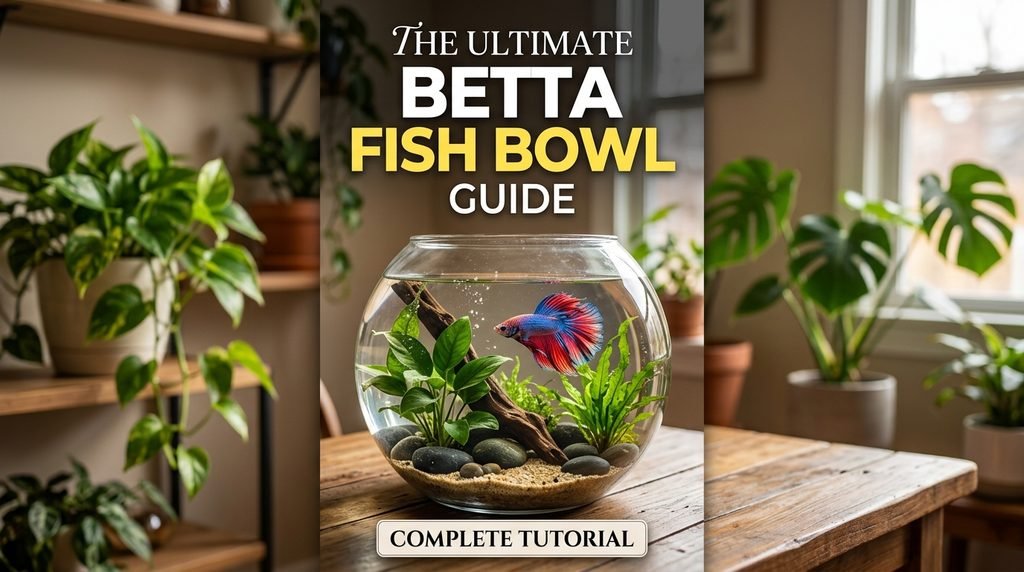
A black-themed aquarium can create a dramatic and modern appearance.
Choose a dark background and substrate, then add green aquatic plants and natural driftwood. The contrast can highlight colorful bettas and make their flowing fins more noticeable.
Use suitable lighting so the aquarium remains bright enough for the fish and plants.
9. Betta Fish Bowl With Floating Plants
Floating plants can create a natural surface environment for bettas.
Amazon frogbit and Salvinia are popular options. Their roots hang below the surface and provide cover and resting areas.
However, do not allow floating plants to cover the entire water surface. Bettas are labyrinth fish and need access to atmospheric air.
Remove excess plants regularly to maintain open swimming and breathing areas.
10. Small Planted Betta Aquarium
A small planted aquarium can look beautiful when it has a balanced arrangement.
Use a suitable tank size, a natural substrate, and a few easy-care plants. Place taller plants toward the back and shorter plants near the front.
Leave open swimming space in the center.
A planted setup requires appropriate lighting, nutrients, and maintenance. Avoid choosing plants that need conditions you cannot provide.
11. Betta Fish Bowl With Indian Almond Leaves
Indian almond leaves are often used in betta aquariums to create a natural blackwater-inspired appearance.
They release tannins that can turn the water slightly brown. This can create an attractive natural effect and resembles the conditions found in some betta habitats.
Use aquarium-safe leaves from a reliable source and add them gradually. Continue monitoring water quality and maintaining regular aquarium care.
Do not use ordinary garden leaves unless you know they are safe and free from pesticides or other contaminants.
12. Fairy Garden-Inspired Betta Aquarium
A fairy garden-inspired aquarium can have a whimsical and peaceful appearance.
Use small aquarium-safe decorations, natural stones, driftwood, and live plants to create a miniature underwater landscape.
Avoid ordinary craft decorations, painted ornaments, or materials that have not been confirmed as aquarium-safe.
Keep the arrangement open enough for your betta to swim comfortably.
13. Betta Aquarium With a Natural Jungle Look
A jungle-style aquarium uses dense greenery, driftwood, and natural textures to create a lush underwater environment.
Use plants such as Java fern, Anubias, and Java moss. Place them around the back and sides while leaving the middle relatively open.
Floating plants can add additional shade and create a layered appearance.
Trim plants when necessary to prevent overcrowding and maintain good water circulation.
14. Modern Betta Fish Aquarium
A modern aquarium design focuses on clean lines, simple decorations, and neatly arranged equipment.
Choose a clear glass aquarium, an attractive substrate, and a small selection of plants. A neat filtration system can help maintain the overall appearance.
You can also use a simple black or white background to match your room’s interior.
A secure lid, heater, and suitable filtration are important even in a modern decorative setup.
15. Betta Fish Bowl With Moss
Moss can add a soft, natural appearance to an aquarium.
Java moss is a popular choice because it can grow attached to driftwood, stones, and aquarium-safe mesh.
It creates interesting textures and small areas for exploration. Keep it trimmed so it does not collect excessive debris or take over the available swimming space.
16. Betta Fish Aquarium With Sand Substrate
Sand can create a smooth and natural-looking aquarium floor.
Choose aquarium-safe sand and rinse it according to the supplier’s instructions before adding it to the tank.
You can combine sand with driftwood, smooth stones, and live plants to create a natural landscape.
Make sure the substrate is suitable for your plants and aquarium maintenance routine.
17. Luxury Betta Fish Bowl-Inspired Aquarium
A luxury bowl-inspired aquarium can become an attractive room decoration while providing a suitable environment for your fish.
Choose a high-quality glass aquarium, carefully selected hardscape, healthy plants, and reliable equipment.
A simple arrangement with driftwood, stones, and greenery often looks more sophisticated than an aquarium filled with artificial decorations.
The most important part of a premium setup is not the price of the decorations. It is the quality of the water, equipment, and overall fish care.
Why Small Betta Fish Bowls Are Not Recommended
Traditional small fish bowls are popular because they are inexpensive and easy to display. Unfortunately, they create several problems for betta fish.
Limited swimming space: Small bowls restrict natural movement and make it difficult to create an enriched environment.
Unstable temperature: Water temperature can change quickly in a small container. Bettas need stable tropical conditions.
Poor water quality: Waste and uneaten food can cause harmful ammonia to build up rapidly.
Limited filtration: Many traditional bowls cannot accommodate suitable filtration, making water quality harder to maintain.
Lack of enrichment: Small containers provide little room for plants, resting places, and natural decorations.
A properly sized aquarium is a much better long-term choice.
Best Aquarium Size for a Betta Fish
A betta fish should be kept in a properly sized aquarium rather than a tiny decorative bowl.
| Aquarium size | Suitability | Notes |
|---|---|---|
| 1 gallon | Not recommended | Very limited space and unstable conditions |
| 2 gallons | Not recommended for long-term housing | Difficult to maintain stable conditions |
| 3 gallons | Less suitable | Limited space and water stability |
| 5 gallons | Common minimum starting point | Suitable for a carefully maintained single-betta setup |
| 10 gallons | Excellent option | More swimming space and greater stability |
| 15 gallons or larger | Spacious option | More room for plants and aquascaping |
For one betta, a 5-gallon aquarium is a common minimum recommendation. Larger aquariums generally offer greater stability and more opportunities for attractive aquascaping.
Essential Equipment for a Betta Fish Bowl Alternative
If you want a beautiful betta setup, choose equipment that supports healthy water conditions.
Aquarium Heater
Bettas are tropical fish and generally do best at approximately 78–80°F (25.5–26.5°C).
An appropriately sized adjustable heater can help maintain a stable temperature. Use a thermometer to monitor the water rather than relying only on the heater setting.
Gentle Filter
A filter helps maintain water quality by supporting beneficial bacteria and removing suspended waste.
Choose a filter suitable for the aquarium size. Sponge filters are popular because they provide gentle water movement.
Aquarium Lighting
Use aquarium lighting that supports your plants and creates a consistent day-and-night cycle.
Avoid leaving lights on continuously. A regular period of darkness helps your betta rest.
Secure Aquarium Lid
Bettas are capable jumpers, so a secure lid is important.
Make sure the lid allows appropriate air access above the water because bettas regularly breathe atmospheric air.
Water Testing Kit
A water testing kit helps you monitor important water parameters, including ammonia, nitrite, and nitrate.
In a properly cycled aquarium, ammonia and nitrite should remain at zero.
How to Set Up a Betta Fish Aquarium
Creating a healthy aquarium requires proper preparation. Follow these steps before introducing your fish.
Step 1: Choose a Suitable Aquarium
Select an aquarium of at least 5 gallons for one betta. Larger tanks can provide more room and more stable water conditions.
Place the aquarium on a sturdy, level surface away from direct sunlight and sudden temperature changes.
Step 2: Add Substrate
Choose aquarium-safe sand, gravel, or planted-tank substrate.
Rinse it according to the manufacturer’s instructions and arrange it evenly across the bottom.
Step 3: Arrange Decorations
Add aquarium-safe driftwood, smooth stones, and suitable decorations.
Avoid sharp surfaces, narrow openings, and ornaments that could trap or injure your fish.
Step 4: Plant the Aquarium
Add easy-care plants such as Anubias, Java fern, or Java moss.
Attach plants with aquarium-safe materials where necessary. Leave enough open space for swimming.
Step 5: Install the Heater and Filter
Set up a suitable heater and gentle filtration system. Check that the water flow is not too strong.
Step 6: Cycle the Aquarium
Complete a fishless aquarium cycle before introducing your betta. This process establishes beneficial bacteria that help convert toxic ammonia into nitrite and then nitrate.
Use a reliable testing kit to monitor the cycle. Do not add the fish until ammonia and nitrite can be processed appropriately.
Step 7: Introduce Your Betta Carefully
Once the aquarium is ready, acclimate your betta gradually according to a suitable acclimation method.
Avoid sudden changes in temperature or water conditions.
Betta Fish Bowl Maintenance Tips
A beautiful aquarium needs regular maintenance to remain healthy.
- Test water regularly, especially in a newly established aquarium.
- Perform partial water changes based on water quality and aquarium conditions.
- Remove uneaten food and visible waste.
- Clean the glass when algae begins to build up.
- Trim plants when they become overcrowded.
- Check the heater and filter regularly.
- Avoid washing biological filter media under untreated tap water.
- Use a water conditioner suitable for your local water supply.
Never replace all the aquarium water at once as a routine cleaning method. Large sudden changes can stress fish and disrupt the aquarium environment.
Common Mistakes to Avoid
Keeping a betta in a tiny bowl: Small bowls cannot provide the space and stability required for long-term care.
Adding fish before cycling: An uncycled aquarium can expose bettas to dangerous ammonia and nitrite.
Using sharp plastic plants: Rough decorations can damage delicate fins.
Overfeeding: Uneaten food contributes to poor water quality. Feed an appropriate amount of quality betta food.
Ignoring temperature: Bettas need stable tropical water conditions.
Using strong filtration: Excessive current can make swimming difficult.
Overdecorating: Too many ornaments reduce swimming space and make cleaning harder.
Skipping water testing: Clear water does not necessarily mean healthy water.
Conclusion
A betta fish bowl may look attractive, but traditional small bowls are not suitable long-term homes for these beautiful tropical fish. A properly sized aquarium can provide the same decorative appeal while offering much better space, temperature stability, and water quality.
You can create a stunning bowl-inspired design with live plants, driftwood, natural stones, floating vegetation, and simple decorations. Choose suitable equipment, cycle the aquarium before adding your fish, and maintain clean, stable water conditions.
The best betta aquarium is one that combines beauty with proper care. With a thoughtful setup, your betta can enjoy a comfortable environment while becoming a beautiful feature in your home.
Frequently Asked Questions
1. Can a betta fish live in a bowl?
A traditional small fish bowl is not recommended for long-term betta care. It usually provides insufficient space and makes it difficult to maintain stable temperature and water quality. A properly sized, heated, and filtered aquarium is a better choice.
2. What is the best bowl size for a betta fish?
Rather than choosing a traditional bowl, select an aquarium of at least 5 gallons for one betta. A larger aquarium can provide more swimming space and greater water stability.
3. Do betta fish need a filter?
Yes, filtration is generally recommended because it supports beneficial bacteria and helps maintain water quality. Choose a gentle filter that does not create a strong current.
4. Do betta fish need a heater?
Yes. Bettas are tropical fish and generally need stable water temperatures around 78–80°F (25.5–26.5°C). An appropriately sized aquarium heater is usually recommended.
5. Can I put live plants in a betta fish bowl?
You can keep suitable live plants in a properly sized betta aquarium. Anubias, Java fern, Java moss, and floating plants are popular choices.
6. What decorations are safe for betta fish?
Smooth aquarium-safe stones, prepared driftwood, live plants, and suitable aquarium ornaments are good options. Avoid sharp plastic decorations, rough surfaces, and materials that may release harmful substances.
7. How often should I change water in a betta aquarium?
Water-change frequency depends on aquarium size, filtration, stocking, and water quality. Regular partial water changes and testing are important. Avoid replacing all the water at once.
8. Can a betta fish live without a filter?
Although bettas can survive in some low-filtration environments, an appropriately sized and maintained aquarium with gentle filtration is generally a better choice. It helps support stable water quality.
9. What temperature is best for a betta fish?
A temperature around 78–80°F (25.5–26.5°C) is generally suitable. Use a heater and thermometer to maintain consistent conditions.
10. Can I keep two betta fish in one bowl?
No. Two bettas should not be kept together in a small bowl. Male bettas are especially territorial and may fight. A single betta is generally best housed alone unless a carefully planned, compatible community setup is appropriate.
11. Are round aquariums bad for betta fish?
The shape alone is not necessarily the main concern. The important factors are aquarium size, swimming space, water quality, filtration, temperature stability, and safe access to the surface. Tiny round bowls generally fail to provide these conditions.
12. How can I make a betta aquarium look beautiful?
Use a simple design with healthy live plants, natural driftwood, smooth stones, suitable lighting, and a clean background. Avoid overcrowding the aquarium and prioritize your betta’s comfort.