
 By admin
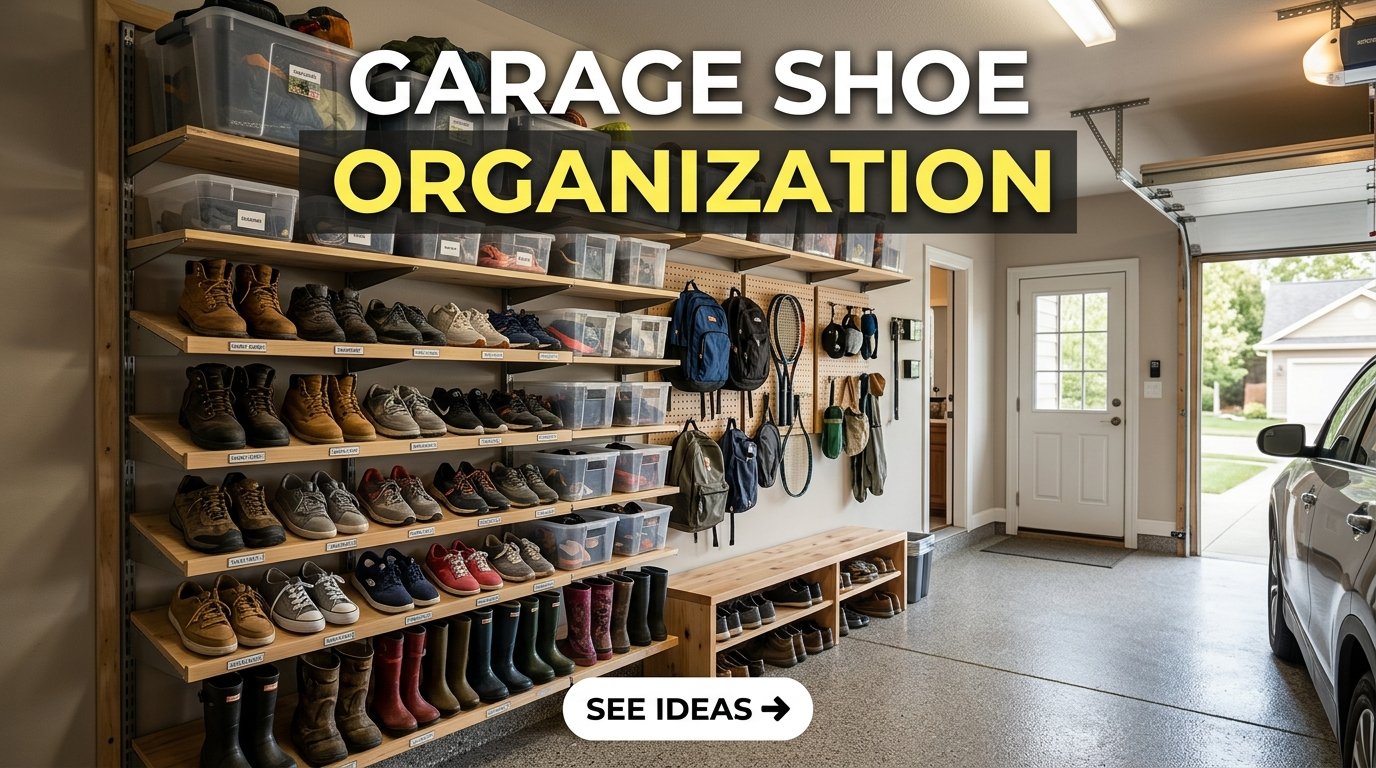
Garage shoe organization is a practical way to keep footwear organized, protect shoes from dirt, and create a cleaner entrance to your home. Many families use their garages as an everyday entry point, which means shoes, boots, sneakers, sandals, and outdoor footwear can quickly accumulate near the door. Without a proper storage system, these items create clutter, take up valuable floor space, and make it difficult to find the right pair when leaving the house.
The good news is that you do not need a large garage or an expensive renovation to organize your footwear. With the right combination of shoe racks, cabinets, wall-mounted organizers, storage benches, and labeled containers, you can create a neat and convenient shoe storage area.
In this guide, you will discover 25 garage shoe organization ideas for small and large garages, families, sports enthusiasts, and homeowners who want a more organized entryway. You will also learn how to choose suitable storage furniture, protect footwear, and maintain a clean shoe organization system.
1. Install a Dedicated Garage Shoe Rack
A dedicated shoe rack is one of the easiest ways to organize footwear in a garage. Instead of leaving shoes scattered near the entrance, place them on a rack with separate levels for different pairs.
Metal shoe racks are popular because they are durable and available in different sizes. Wooden and plastic options can also work well depending on your garage environment.
You can organize everyday sneakers on the upper shelves and heavier boots on the lower levels. Choose a rack that provides enough space without blocking the garage entrance or walking paths.
2. Create a Garage Shoe Storage Cabinet
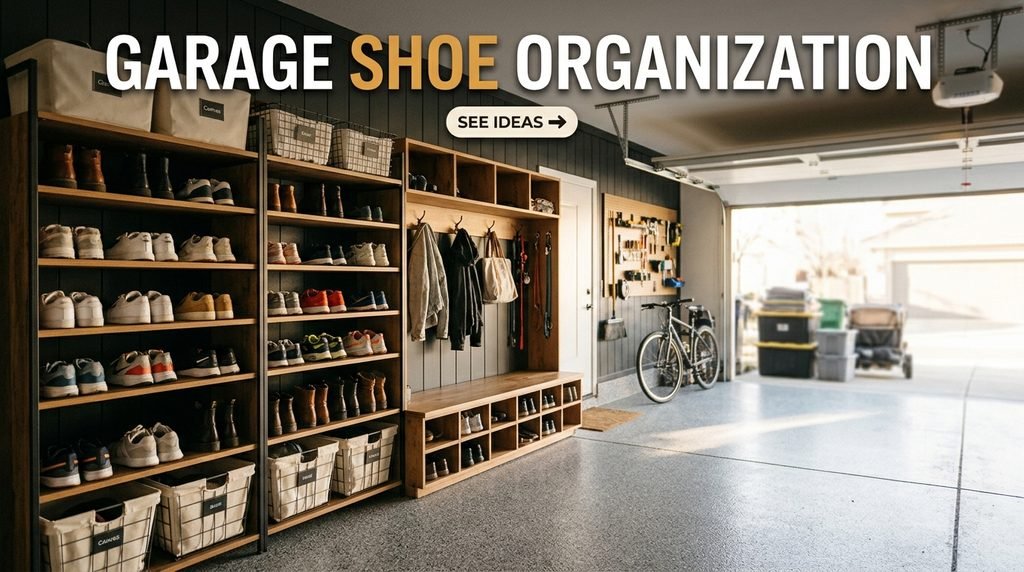
Choose a cabinet with adjustable shelves so you can store different types of footwear, including sneakers, sandals, and ankle boots.
A shoe storage cabinet is an excellent option if you prefer a clean and uncluttered appearance. Unlike open racks, cabinets hide footwear behind doors and make the garage look more organized.
Ventilation is important because shoes may contain moisture after outdoor activities. Select a cabinet with suitable airflow and only store footwear after it has dried properly.
3. Use a Garage Entryway Shoe Bench
A shoe bench combines seating and storage in one practical piece of furniture. It gives family members a comfortable place to sit while putting on or removing shoes.
Look for a bench with open cubbies underneath or a combination of drawers and shelves. You can assign separate compartments to different family members.
Adding wall hooks above the bench creates additional space for jackets, bags, umbrellas, and hats. This arrangement is particularly useful for garages that serve as the main entrance to the home.
4. Install Wall-Mounted Shoe Shelves
Wall-mounted shelves are useful when your garage has limited floor space. They keep footwear off the ground and provide an organized display.
Install shelves along a suitable wall near the entrance. Use separate levels for everyday footwear, work shoes, and seasonal items.
Make sure the shelves are securely attached to suitable wall supports and can handle the weight of the shoes.
This solution works particularly well in narrow garages where a traditional shoe cabinet would take up too much space.
5. Build a Family Shoe Organization Station
If several people use the same garage entrance, a family shoe station can prevent footwear from becoming mixed together.
Create individual compartments for each family member. You can label each section with names or use different colors to make identification easier.
Include enough space for everyday shoes, school footwear, work shoes, and outdoor sandals.
A family shoe station works best when everyone follows the same routine: remove footwear, place it in the assigned compartment, and keep the entrance clear.
6. Use Stackable Shoe Storage Bins
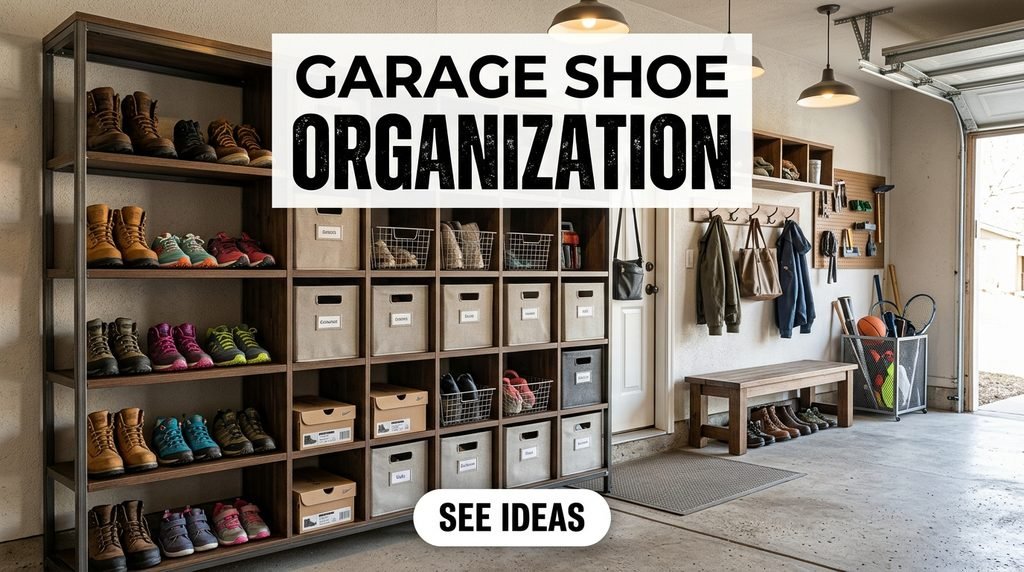
Stackable shoe bins are a flexible solution for garages with limited space. They allow you to organize individual pairs inside separate containers while making use of vertical storage.
Clear plastic bins make it easy to identify footwear without opening every container. You can also label opaque bins according to shoe type or family member.
Choose containers with suitable ventilation if footwear will be stored for longer periods. Avoid placing damp or dirty shoes inside sealed bins.
7. Create a Garage Mudroom Shoe Area
A mudroom-style shoe area turns part of your garage into a practical transition space between outdoors and indoors.
Include a bench, shoe cubbies, wall hooks, and a small storage cabinet. You can also add a washable mat where family members can remove muddy footwear.
This setup is particularly useful for households with children, pets, and people who regularly work or exercise outdoors.
Use moisture-resistant materials and keep the area easy to clean.
8. Organize Shoes with Individual Cubbies
Individual shoe cubbies provide a dedicated space for each pair. They prevent footwear from overlapping and make it easier to maintain an organized arrangement.
You can install a cubby unit near the garage door or use a built-in storage system along one wall.
Smaller compartments work well for sneakers and sandals, while larger cubbies can accommodate boots and bulky footwear.
For families, assign one column or section to each person.
9. Add a Pull-Out Shoe Drawer System
Pull-out shoe drawers are a smart option for homeowners who want hidden storage without sacrificing accessibility.
These drawers can be installed inside a cabinet or a custom-built garage storage unit. Each drawer provides a separate space for several pairs of shoes.
Choose drawers with enough depth and height for the footwear you own. Ventilation and easy cleaning should also be considered.
This design is especially useful when you want the garage entryway to look neat and modern.
10. Use a Vertical Shoe Organizer
A vertical shoe organizer helps maximize narrow wall spaces. Instead of spreading shoes across the floor, you arrange them in vertically stacked compartments.
Choose a freestanding tower, wall-mounted organizer, or narrow cabinet depending on the available space.
Vertical storage is particularly useful for apartments, compact garages, and homes with small entry areas.
Make sure the organizer is stable and properly secured if it is tall or holds heavy footwear.
11. Create a Dedicated Boot Storage Station
Boots require different storage arrangements from ordinary shoes because they are taller and often become dirty or wet.
Use a dedicated boot rack with enough height for work boots, rain boots, gardening boots, and winter footwear.
Boot trays are also useful because they collect dirt and moisture before these materials reach the garage floor.
Allow wet boots to dry before placing them inside closed storage cabinets.
12. Install a Shoe Rack Behind the Garage Door
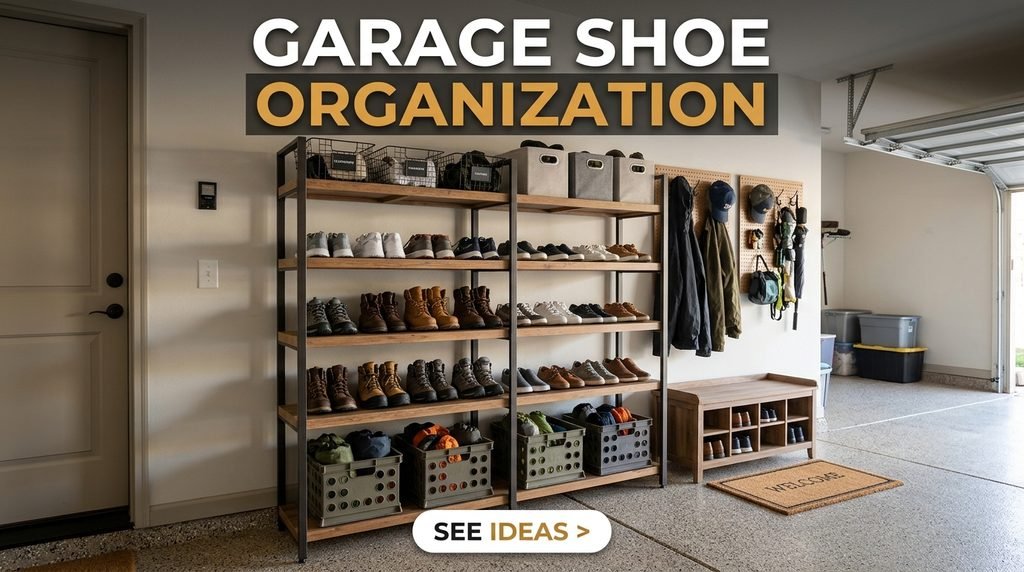
The area behind an entrance door may provide useful storage space if there is enough clearance.
A slim shoe rack or suitable hanging organizer can hold lightweight everyday footwear without taking up much floor space.
Before installing anything, check the door’s movement and ensure the organizer does not interfere with hinges, handles, or access.
This solution is particularly helpful for small garages where every available area matters.
13. Use Open Wooden Shoe Shelving
Open wooden shelving provides a warm and natural appearance while keeping footwear easy to access.
You can choose a simple multi-level shelf or build a custom storage unit that matches your garage furniture.
Wooden shelving works particularly well in garages with farmhouse, rustic, or modern interiors.
Use an appropriate finish and material for the garage environment, especially if the area is exposed to moisture or temperature changes.
14. Add a Shoe Storage Locker System
A locker-style shoe organization system creates individual storage spaces for different family members.
Each locker can include shelves, hooks, and a small compartment for personal belongings.
This design is useful for larger families because everyone has a dedicated place for shoes, bags, and outdoor accessories.
You can choose metal lockers for a durable appearance or wooden lockers for a more residential look.
15. Use a Rotating Shoe Organizer
A rotating shoe organizer is a space-saving option for smaller footwear collections.
Its rotating structure allows you to access different pairs without walking around a large rack.
These organizers are available in different heights and capacities. Choose a stable design with sufficient space for the shoe sizes you need to store.
A rotating organizer is particularly useful when you have a narrow area near the garage entrance.
16. Create a Sports Shoe Storage Section
Families who enjoy sports and outdoor activities often have several types of specialized footwear.
Running shoes, football boots, hiking shoes, cycling shoes, and training sneakers can be organized in a dedicated sports section.
Use separate shelves or labeled bins for each activity. Place frequently used footwear at an accessible height and keep specialized shoes in clearly marked compartments.
Make sure sports shoes are clean and completely dry before storing them.
17. Install Under-Bench Shoe Storage
The space underneath a garage bench can become useful shoe storage.
Add open shelves, sliding baskets, or small cubbies beneath the seating area. This arrangement keeps footwear accessible without requiring an additional cabinet.
Under-bench storage works especially well in compact garages and mudroom-style entrances.
Leave enough space for larger shoes and boots, and choose a design that makes cleaning underneath easy.
18. Use Clear Shoe Display Boxes
Clear shoe boxes are useful for people who own several pairs of sneakers or want to keep special footwear organized.
They protect shoes from dust while allowing you to identify each pair quickly.
Stackable boxes can be arranged on shelves or inside larger cabinets. Some designs include front-opening doors, making it easier to access shoes without removing the boxes above them.
Choose suitable ventilation and avoid storing damp footwear in closed containers.
19. Build a DIY Garage Shoe Rack
A DIY shoe rack is a practical option if you want affordable storage that fits your exact garage dimensions.
You can build a simple rack using suitable timber, metal shelving components, or other sturdy materials.
Measure your available space before cutting materials. Include enough shelf height for boots and enough depth for larger footwear.
Sand wooden surfaces, use an appropriate protective finish, and secure the finished rack to prevent tipping.
A DIY project also allows you to create separate sections for different family members.
20. Create a Seasonal Shoe Storage Area
Not every pair of shoes needs to remain near the garage entrance throughout the year.
Create a separate section for seasonal footwear, such as winter boots, rain shoes, summer sandals, and specialized outdoor footwear.
Use labeled containers or enclosed cabinets to keep less frequently used shoes protected.
Clean and dry footwear before putting it into long-term storage. Keep leather and delicate shoes in appropriate storage conditions to help prevent damage.
21. Use a Narrow Shoe Cabinet for Small Garages
A narrow shoe cabinet is ideal when you have limited space beside the garage entrance.
Many slim cabinets use angled compartments to store shoes while taking up less floor depth than traditional shelving.
Measure the largest footwear in your collection before purchasing one. Some narrow designs may not accommodate bulky sneakers or tall boots.
This is a good option when you want hidden storage in a compact entryway.
22. Add Labels to Garage Shoe Storage
Labels make a shoe organization system easier to use, particularly when several people share the same storage area.
You can label shelves according to categories such as:
- Everyday shoes
- Work boots
- Sports footwear
- School shoes
- Outdoor sandals
- Seasonal footwear
- Children’s shoes
For families, use names or color-coded sections. Clear labeling reduces confusion and helps everyone return footwear to its proper place.
23. Create a Luxury Garage Shoe Storage Wall
A luxury shoe storage wall combines attractive cabinetry with practical organization.
You can create a built-in unit with open display shelves, closed cabinets, drawers, and a seating bench.
Choose matching finishes such as natural oak, walnut, white, or charcoal. Integrated lighting can make the storage wall look more sophisticated.
This design is particularly attractive in large garages where the entrance area is an important part of the home’s interior appearance.
24. Add a Shoe Cleaning and Drying Station
A shoe cleaning station helps prevent mud, dust, and moisture from spreading throughout your garage.
Create a small area with a washable mat, cleaning brushes, a shoe tray, and suitable cleaning supplies.
You can also include a shoe dryer designed for the type of footwear you own. Follow the manufacturer’s temperature and drying instructions, especially for leather and delicate materials.
Keep cleaning products in a secure cabinet and away from children and pets.
25. Design a Complete Garage Entryway Organization System
A complete garage entryway system combines shoe storage with other everyday organization needs.
Include a bench, shoe cabinets, open cubbies, wall hooks, storage baskets, and a washable floor mat.
You can assign different sections for shoes, coats, bags, umbrellas, and outdoor accessories.
This arrangement keeps everything near the entrance and prevents household belongings from spreading throughout the garage.
Best Garage Shoe Storage Solutions Compared
Choosing the right storage system depends on the number of shoes, available floor space, and the appearance you want.
| Storage Solution | Best For | Main Advantage |
|---|---|---|
| Open shoe rack | Everyday footwear | Easy access |
| Shoe cabinet | Modern entryways | Hides clutter |
| Storage bench | Families | Combines seating and storage |
| Wall-mounted shelves | Small garages | Saves floor space |
| Clear shoe boxes | Sneaker collections | Easy identification |
| Individual cubbies | Multiple family members | Separate compartments |
| Boot rack | Outdoor and work boots | Keeps tall footwear organized |
| Vertical organizer | Narrow spaces | Uses vertical space |
| Pull-out drawers | Built-in storage | Neat appearance |
| Locker system | Large families | Individual storage areas |
How to Organize Garage Shoes Step by Step
A successful garage shoe organization system starts with sorting footwear and understanding how much storage space you need.
Step 1: Remove All Shoes
Take all footwear out of the garage storage area. Place everything together so you can see how many pairs need organizing.
Step 2: Separate Shoes into Categories
Create groups for everyday footwear, sports shoes, work boots, sandals, seasonal shoes, and special-occasion footwear.
Step 3: Clean and Dry Everything
Remove dirt and mud using appropriate cleaning methods. Allow shoes to dry completely before putting them into storage.
Step 4: Measure Your Available Space
Measure the wall, floor, and entryway area where you plan to install your shoe storage system.
Consider the height of boots, the depth of sneakers, and the number of shelves required.
Step 5: Choose the Right Storage System
Select a shoe rack, cabinet, bench, cubby system, or combination based on your available space and collection.
Step 6: Arrange Shoes by Frequency of Use
Keep everyday footwear close to the garage entrance. Store seasonal and rarely used shoes in upper shelves or separate cabinets.
Step 7: Label Storage Sections
Use simple labels to identify different categories and make the organization system easier for everyone to follow.
Tips for Protecting Shoes in Garage Storage
Garages can experience temperature changes, dust, moisture, and limited ventilation. Proper storage helps protect footwear from unnecessary damage.
- Clean shoes before putting them away.
- Allow wet footwear to dry completely.
- Avoid storing shoes directly on damp concrete floors.
- Use shelves or raised racks to improve airflow.
- Keep leather shoes away from excessive heat and moisture.
- Store delicate footwear in suitable protective containers.
- Avoid overcrowding cabinets.
- Use moisture control products only according to their instructions.
- Keep shoes away from chemicals, paints, and automotive fluids.
- Check stored footwear periodically for signs of moisture or deterioration.
Common Garage Shoe Organization Mistakes to Avoid
Even a good shoe rack can become messy if the storage system is not used properly.
Storing wet shoes: Damp footwear can develop unpleasant odors and may deteriorate. Allow shoes to dry before storage.
Using oversized storage furniture: Large cabinets can make a small garage feel crowded. Measure the available area before purchasing furniture.
Mixing clean and dirty footwear: Separate everyday shoes from muddy work boots and outdoor footwear.
Ignoring ventilation: Completely enclosed storage without suitable airflow can trap moisture and odors.
Overcrowding shelves: Shoes need enough room to remain accessible and maintain their shape.
Leaving shoes on the floor: A designated rack or cabinet helps prevent clutter near the entrance.
Forgetting seasonal footwear: Move rarely used shoes to a separate storage area so everyday footwear remains easy to reach.
Frequently Asked Questions About Garage Shoe Organization
1. What is the best way to organize shoes in a garage?
The best approach is to sort shoes by category and use a dedicated storage system such as a shoe rack, cabinet, bench, or cubby organizer. Keep everyday footwear near the entrance and seasonal shoes in separate storage.
2. How do I store shoes in a small garage?
Use narrow shoe cabinets, vertical organizers, wall-mounted shelves, and under-bench storage. These solutions make use of vertical space and keep the floor clear.
3. Are shoe cabinets good for garage storage?
Yes. Shoe cabinets provide enclosed storage and help create a clean appearance. Choose a cabinet with suitable ventilation and avoid storing damp shoes inside.
4. How can I organize shoes for a large family?
Create individual cubbies or separate sections for each family member. Use labels or color-coded compartments to prevent shoes from getting mixed together.
5. How do I prevent shoes from smelling in garage storage?
Clean footwear regularly, allow it to dry completely, and avoid overcrowding storage areas. Use breathable storage where appropriate and keep the garage reasonably ventilated.
6. What is the best way to store boots in a garage?
Use a dedicated boot rack or tall shelves with enough space for each pair. Clean and dry boots before storage, and use suitable boot supports when needed to maintain their shape.
7. Can I use plastic containers for garage shoe storage?
Yes. Clear plastic containers can protect shoes from dust and make identification easier. However, footwear must be completely dry before being placed inside, and suitable ventilation should be considered.
8. How many shoes can a garage shoe rack hold?
Capacity depends on the rack’s size, shelf spacing, and footwear dimensions. Measure your collection and compare it with the manufacturer’s stated capacity before purchasing.
9. Where should I place a shoe rack in the garage?
A shoe rack is usually most convenient near the door that connects the garage to the home. Choose a location that does not block vehicle access, walking paths, or doors.
10. How can I make garage shoe storage look attractive?
Choose matching storage furniture, use consistent containers, organize shoes by category, and keep the area clean. A storage bench with cubbies and wall hooks can create a stylish mudroom-style entrance.
Conclusion
Garage shoe organization is a simple improvement that can make your garage cleaner, more practical, and easier to use every day. From basic shoe racks and wall-mounted shelves to built-in cabinets, family cubbies, and complete mudroom systems, there are many ways to create storage that suits your home.
Start by sorting your footwear, removing shoes you no longer use, and measuring the available space. Choose storage solutions that provide enough room, protect shoes from moisture, and keep frequently used pairs accessible.
With a little planning and a consistent routine, you can turn a cluttered garage entrance into an organized shoe storage area that works for the entire family.