
 By admin
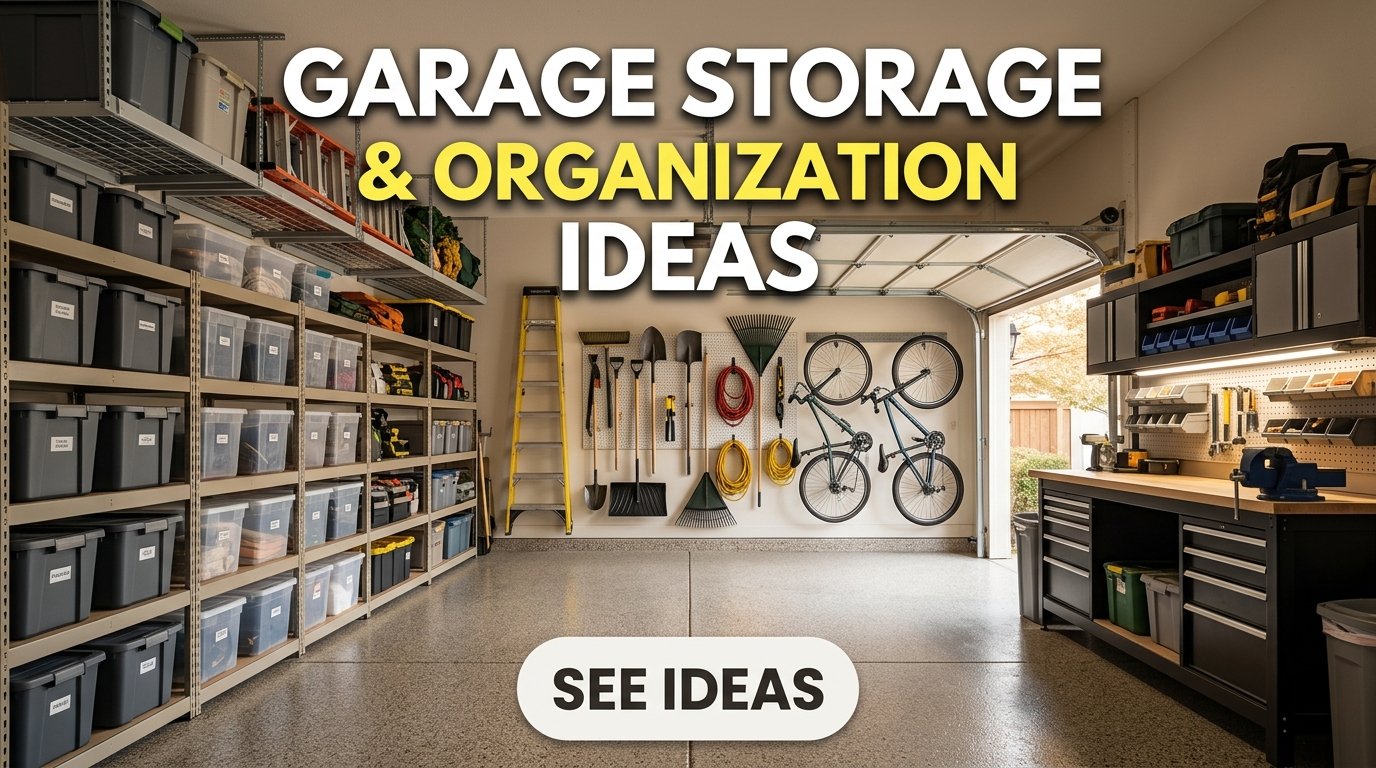
Garage storage organization is the key to transforming a messy, overcrowded garage into a clean, functional, and well-organized space. Whether you use your garage for parking vehicles, storing seasonal decorations, keeping tools, or working on DIY projects, an effective storage system can make everyday tasks much easier. With the right storage solutions, you can maximize available space, protect your belongings, and create a garage that looks neat and professional.
Many garages become cluttered because items are placed wherever there is an empty spot. Boxes pile up, tools get lost, sports equipment takes over the floor, and important belongings become difficult to find. The best way to solve this problem is to create a practical storage plan that gives everything a specific place.
In this guide, you will discover useful garage storage organization ideas, including wall-mounted systems, overhead storage, cabinets, shelving, tool organizers, and smart space-saving solutions for garages of all sizes.
1. Start by Decluttering Your Garage
Before installing storage systems, begin by removing unnecessary items. Organizing a garage becomes much easier when you know exactly what needs to be stored.
Take everything out of the garage or work through one section at a time. Separate belongings into categories such as tools, gardening supplies, sports equipment, seasonal decorations, automotive products, and household storage.
Create four groups: items to keep, donate, sell, and discard. Broken equipment, empty containers, unused materials, and damaged household items often take up valuable space without serving a purpose.
Once you finish sorting, clean the floor, shelves, and corners. This gives you a fresh starting point for building an organized storage system.
2. Install Wall-Mounted Garage Storage Systems
Wall-mounted storage is one of the most effective ways to organize a garage. Instead of allowing tools and equipment to occupy the floor, use available wall space to keep belongings accessible.
You can install hooks, brackets, rails, pegboards, and adjustable wall panels. These systems are especially useful for frequently used items that need to remain within easy reach.
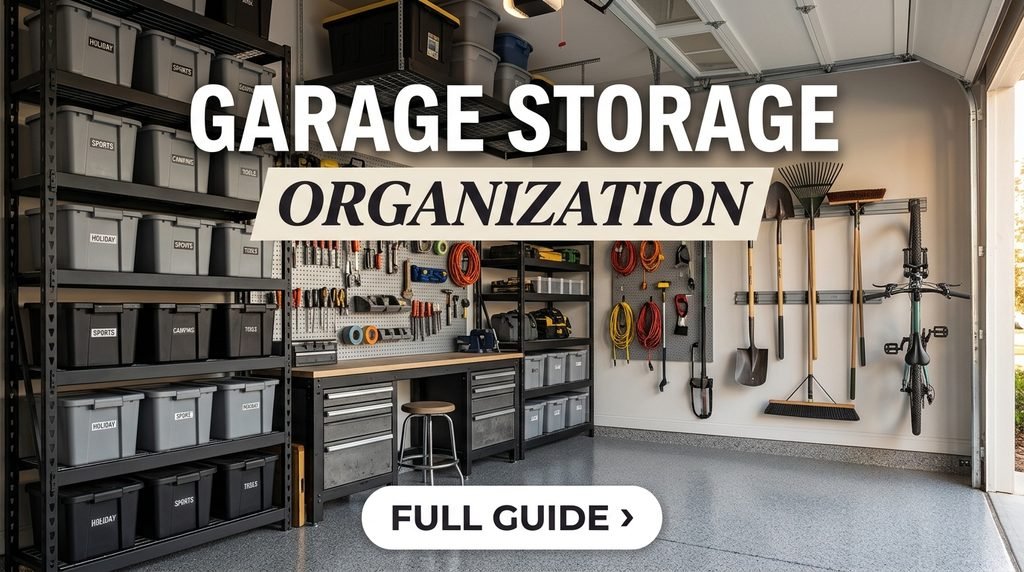
Wall-mounted storage works well for:
- Garden tools and cleaning equipment
- Extension cords and hoses
- Bicycles and helmets
- Hand tools and small accessories
- Sports equipment
- Ladders and lightweight equipment
A well-planned wall storage system can make even a small garage feel more spacious.
3. Use Overhead Garage Storage for Seasonal Items
The ceiling area is often overlooked when planning garage storage organization. However, overhead storage can provide valuable space for belongings that you do not need every day.
Ceiling-mounted racks are suitable for storing lightweight, properly secured seasonal items, camping equipment, holiday decorations, and other occasional-use belongings.
Before installing an overhead rack, check the ceiling structure and follow the manufacturer’s weight limits and installation instructions. Avoid storing heavy or fragile objects above vehicles, walkways, or frequently occupied areas.
Keep frequently used belongings at a comfortable height so you do not need to climb a ladder every time you need something.
4. Add Garage Storage Cabinets
Garage storage cabinets are an excellent option for keeping supplies organized while maintaining a clean appearance. They hide clutter, protect belongings from dust, and provide designated spaces for different categories of items.
You can choose from metal cabinets, heavy-duty plastic cabinets, wooden cabinets, or modular storage units.
Metal cabinets are popular for garages because they are durable and suitable for many tools and household supplies. Plastic cabinets can be useful in areas where moisture is a concern, provided they are designed for the intended environment.
Consider using cabinets for:
- Automotive accessories
- Cleaning supplies
- Hardware and small parts
- Paint and DIY materials
- Household maintenance products
- Gardening accessories
Keep hazardous products, chemicals, and sharp tools secured and out of children’s reach. Follow product storage instructions and never store incompatible chemicals together.
5. Organize Tools with a Pegboard Wall
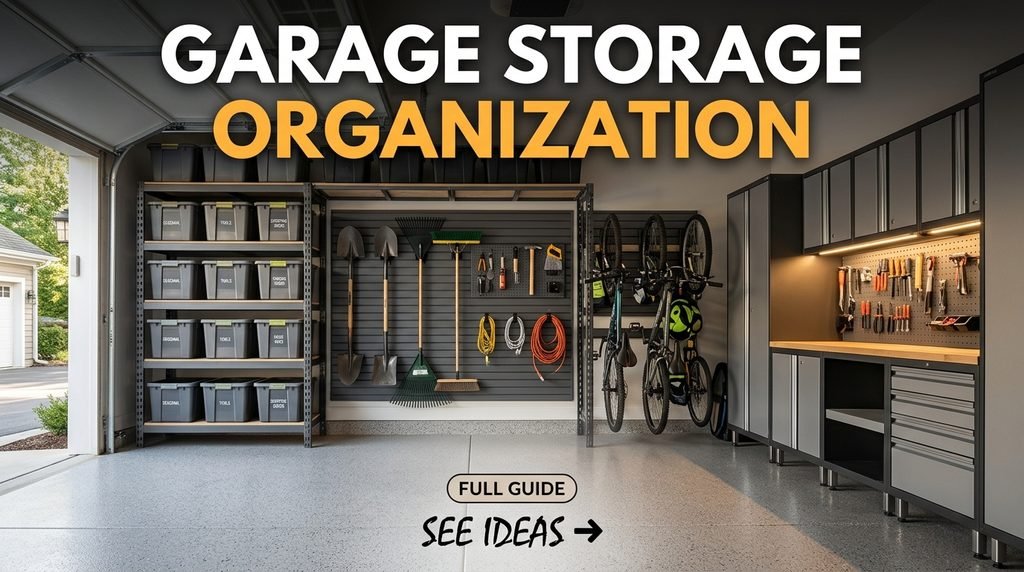
A pegboard is a simple and affordable garage storage solution. It allows you to hang frequently used tools in an organized arrangement instead of keeping everything inside drawers or boxes.
Install a pegboard above your workbench or along an accessible wall. Use compatible hooks, baskets, holders, and shelves to arrange tools according to their size and purpose.
For example, place screwdrivers in one section, pliers in another, and measuring tools in a separate area. You can also outline tool shapes on the board to make it easier to return each item to its correct location.
A pegboard keeps tools visible, saves valuable drawer space, and makes your garage workshop more efficient.
6. Choose Heavy-Duty Garage Shelving
Shelving units are essential for storing boxes, containers, equipment, and household supplies. They make use of vertical space while keeping belongings organized and easy to access.
Heavy-duty steel shelving is suitable for many garages because it can support substantial loads when properly assembled and used within its rated capacity. Plastic shelving may work well for lighter items and areas where moisture resistance is important.
When choosing shelves, consider:
- Available wall space
- Shelf depth and height
- Maximum weight capacity
- Material and durability
- Ease of cleaning
- Accessibility of stored items
Place heavier objects on lower shelves and lighter belongings on upper shelves. Secure shelving units against tipping, especially when storing heavy equipment.
7. Use Clear Storage Bins with Labels
Clear storage bins make it easier to identify belongings without opening every container. They are particularly useful for small accessories, seasonal decorations, children’s toys, and household supplies.
Choose containers in consistent sizes so they can be stacked neatly on shelves. Use labels on the front of each bin to identify its contents.
You can organize containers into categories such as:
- Christmas decorations
- Camping equipment
- Car cleaning supplies
- Gardening accessories
- Sports equipment
- Electrical accessories
- DIY project materials
For items that need protection from moisture or dust, select containers with suitable lids and seals. Make sure everything is completely dry before storing it.
8. Create a Dedicated Garage Workbench Area
If you regularly repair household items, work on vehicles, or complete DIY projects, a dedicated workbench can make your garage more functional.
Choose a location with enough lighting and comfortable working space. Install a sturdy workbench and organize the surrounding area with drawers, pegboards, shelves, and small parts organizers.
Keep commonly used tools close to the work surface. Less frequently used equipment can be stored in cabinets or on higher shelves.
A practical workbench area should include:
- A durable work surface
- Tool storage drawers
- Wall-mounted tool holders
- Adequate task lighting
- Small parts containers
- A nearby electrical outlet where appropriate
Keep the workbench clear after each project. A clean surface makes it easier to start your next task.
9. Install Bicycle and Sports Equipment Storage
Bicycles, helmets, balls, and other sports equipment can quickly create clutter in a garage. Dedicated storage solutions help keep these belongings organized without taking over the floor.
Wall-mounted bicycle hooks or vertical bike racks can save space, provided they are correctly installed and suitable for the bicycle’s weight and design.
Sports equipment can be stored in wire baskets, open shelving, or labeled containers. Use separate bins for balls, protective gear, and accessories.
For families with children, place frequently used equipment at an accessible height. This makes it easier for everyone to return belongings after use.
10. Make Better Use of Garage Corners
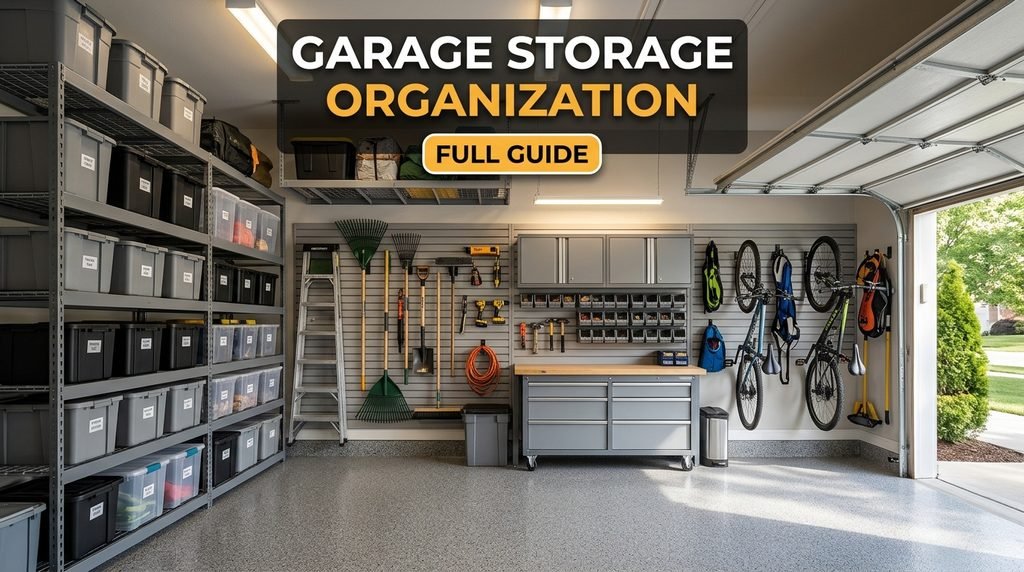
Garage corners are often wasted because people focus only on the main walls. However, corners can provide useful storage space when planned properly.
Corner shelving units can hold small containers, gardening supplies, cleaning products, and other household belongings. Tall corner cabinets can also provide additional enclosed storage.
You can use corner hooks for lightweight equipment or install a compact vertical organizer for frequently used tools.
Avoid filling every corner with bulky objects. Leave enough room to walk safely and access stored items without moving several things first.
11. Organize Gardening Tools and Outdoor Supplies
Garages often become the main storage area for gardening and outdoor equipment. Without a dedicated system, hoses, shovels, rakes, watering cans, and plant supplies can become difficult to manage.
Install a wall-mounted tool rack to keep long-handled tools upright. Use hooks for hoses and extension cords, and store smaller gardening accessories in labeled containers.
A small cabinet can hold gloves, plant ties, pruning accessories, and other supplies. Keep fertilizers, pesticides, and chemicals in their original containers and follow their safety labels for storage.
Separate clean gardening equipment from automotive products and household cleaning supplies.
12. Use Modular Garage Storage Systems
Modular storage systems are useful because they can be adjusted as your storage needs change. Instead of purchasing several unrelated organizers, you can create a coordinated setup using cabinets, shelves, drawers, hooks, and wall panels.
A modular system is particularly useful for garages that serve multiple purposes. You can create separate areas for tools, household storage, sports equipment, and automotive accessories.
When selecting a system, consider whether additional components are available and whether the system can accommodate future changes.
Although modular systems may cost more initially, their flexibility can make them a practical long-term investment.
13. Create a Garage Storage Zone for Every Category
One of the best garage storage organization strategies is to divide the garage into functional zones. Each zone should have a specific purpose.
This prevents different types of belongings from becoming mixed together and makes it easier to find what you need.
| Garage Zone | Items to Store | Recommended Storage |
|---|---|---|
| Tool zone | Hand tools and power tools | Pegboard, drawers, cabinets |
| Automotive zone | Car accessories and cleaning supplies | Cabinets and wall hooks |
| Gardening zone | Rakes, shovels, hoses | Wall racks and bins |
| Sports zone | Bikes, balls, helmets | Bike racks and baskets |
| Seasonal zone | Holiday decorations and camping gear | Labeled bins and overhead racks |
| Workshop zone | DIY materials and equipment | Workbench and shelving |
| Household zone | Extra supplies and storage boxes | Cabinets and clear containers |
Keep each category in its designated area. If an item does not belong to a particular zone, decide where it should go instead of leaving it wherever there is available space.
14. Garage Storage Organization for Small Garages
Small garages require careful planning because every square foot matters. The goal is to increase storage capacity without making it difficult to park vehicles or move around.
Start by using vertical wall space. Install adjustable shelves, hooks, and compact cabinets to keep belongings off the floor.
Choose narrow storage units that fit into unused spaces. Folding workbenches can be useful when you need a workspace but do not have enough room for a permanent setup.
Other helpful ideas include:
- Use stackable storage bins.
- Install wall-mounted bicycle racks.
- Store seasonal belongings overhead.
- Choose cabinets with adjustable shelves.
- Keep frequently used items near the entrance.
- Avoid storing unnecessary furniture and oversized boxes.
- Maintain a clear walking path and vehicle access.
Measure the garage before purchasing storage products. This helps prevent buying shelves or cabinets that are too large for the available space.
15. Improve Garage Lighting and Visibility
Good lighting makes an organized garage easier and safer to use. Dark corners can hide clutter and make it difficult to locate tools or identify items stored on shelves.
LED ceiling lights are a popular option because they provide bright illumination and are available in different sizes and brightness levels.
Add task lighting above the workbench and inside frequently used work areas. Motion-sensor lights can also be useful near entrances and storage zones.
Keep electrical cables organized and avoid placing them where they could create tripping hazards. Any electrical installation should be suitable for the garage environment.
16. Keep the Garage Floor Clear
A clear garage floor creates a cleaner appearance and makes it easier to park vehicles, move equipment, and clean the space.
Use wall-mounted organizers, cabinets, and shelving to move belongings away from the floor. Keep only essential items in designated floor-level areas.
You can also use floor markings to define parking spaces, walking paths, and storage boundaries.
If you use a floor rack or mobile storage cart, choose a suitable location where it will not block vehicle movement or emergency access.
Avoid placing heavy objects in front of doors, electrical panels, fire extinguishers, or other safety equipment.
17. Garage Storage Organization on a Budget
You do not need an expensive renovation to create an organized garage. Many effective storage solutions are affordable and can be installed gradually.
Start with the most important storage problems rather than buying everything at once.
Budget-friendly ideas include:
- Reuse suitable storage containers.
- Install basic wall hooks.
- Use affordable pegboard panels.
- Add simple metal shelving.
- Label existing boxes.
- Repurpose sturdy cabinets.
- Use baskets for small accessories.
- Build a simple workbench if you have the necessary skills.
Always check the strength and condition of reused materials before storing heavy objects. Cheap storage is only useful when it is safe and durable enough for its purpose.
18. Common Garage Storage Organization Mistakes to Avoid
Even a garage with plenty of storage space can become cluttered if the system is not planned properly.
Some common mistakes include:
Buying storage products before measuring: Shelves and cabinets may not fit properly if you do not measure the available space first.
Storing everything in large boxes: Large boxes can make it difficult to locate small items. Use smaller containers and labels for better organization.
Ignoring vertical space: Leaving walls and ceilings unused can waste valuable storage opportunities.
Mixing different categories: Tools, gardening supplies, decorations, and sports equipment should have separate storage areas.
Overloading shelves: Exceeding weight limits can cause shelves to bend, collapse, or become unstable.
Blocking access: Storage should never interfere with parking, walking paths, doors, or emergency equipment.
Failing to maintain the system: Even a well-organized garage can become messy if belongings are not returned to their designated places.
19. How to Maintain an Organized Garage
Maintaining garage storage organization does not require hours of work every week. A simple routine can prevent clutter from building up again.
Spend a few minutes returning tools and equipment to their proper locations after use. Check storage bins occasionally to make sure labels remain accurate and unnecessary items are removed.
Once every few months, review each storage zone and reorganize areas that have become crowded.
A seasonal cleaning routine is also helpful. Before winter or summer, review outdoor equipment, decorations, and seasonal belongings so that frequently used items remain accessible.
The most important rule is simple: every item should have a designated place, and everyone who uses the garage should follow the same system.
Garage Storage Organization Ideas Comparison
| Storage Solution | Best For | Main Benefit |
|---|---|---|
| Wall-mounted hooks | Tools, hoses, ladders | Saves floor space |
| Overhead racks | Seasonal storage | Uses ceiling space |
| Metal cabinets | Tools and supplies | Keeps items enclosed |
| Pegboards | Hand tools | Easy access and visibility |
| Heavy-duty shelving | Boxes and equipment | Maximizes vertical space |
| Clear storage bins | Small accessories | Easy identification |
| Bicycle racks | Bikes and helmets | Reduces floor clutter |
| Modular systems | Multiple storage categories | Flexible arrangement |
| Workbench drawers | Workshop tools | Keeps work area organized |
Frequently Asked Questions About Garage Storage Organization
1. What is the best way to organize garage storage?
The best approach is to declutter first, divide belongings into categories, and assign each category a dedicated storage zone. Use wall-mounted hooks, shelves, cabinets, pegboards, and labeled bins to keep everything organized.
2. How can I maximize storage space in my garage?
Use vertical wall space and suitable overhead storage. Install shelves, wall-mounted organizers, cabinets, and ceiling racks. Keep the floor clear and choose storage products that fit the dimensions of your garage.
3. What should I store in overhead garage storage?
Overhead racks are generally best for seasonal decorations, camping gear, and other lightweight belongings that you do not need frequently. Follow the manufacturer’s weight limits and installation requirements.
4. Are garage storage cabinets worth it?
Yes. Garage cabinets help hide clutter, protect supplies from dust, and create dedicated storage areas. They are especially useful for tools, automotive accessories, and household maintenance products.
5. How do I organize a small garage?
Use wall-mounted storage, narrow shelving, compact cabinets, stackable containers, and folding workbenches. Keep frequently used belongings accessible and avoid filling the floor with unnecessary items.
6. What is the cheapest way to organize a garage?
Start by decluttering and reusing suitable containers. Add affordable hooks, basic shelving, pegboards, and labels. You can improve the garage gradually without purchasing an expensive storage system.
7. How do I organize garage tools?
Use a pegboard for frequently used hand tools, drawers for smaller accessories, and cabinets for larger equipment. Group tools by category and return each item to its designated place after use.
8. How can I keep my garage from getting messy again?
Create designated storage zones, label containers, and return belongings to their proper locations after use. A quick weekly cleanup and seasonal review can help prevent clutter from returning.
9. What is the best shelving material for a garage?
Steel shelving is a popular choice for heavy-duty storage. Plastic shelving can work well for lighter belongings and suitable moisture-prone areas. Choose shelves according to their rated capacity and the conditions in your garage.
10. Should I use clear or opaque storage bins?
Clear bins make it easier to identify contents quickly, while opaque bins provide a cleaner appearance and can help protect light-sensitive belongings. Both options work well when properly labeled.
Conclusion
Garage storage organization is about creating a practical system that makes every part of your garage easier to use. With the right combination of wall-mounted storage, overhead racks, cabinets, shelving, pegboards, and labeled containers, you can transform a cluttered garage into a clean and functional space.
Start with decluttering, organize belongings into dedicated zones, and choose storage solutions that match your available space and budget. You do not need to complete everything in one day. Small improvements can make a significant difference over time.
Whether you have a small single-car garage or a large multi-purpose space, a well-planned storage system will help you save space, protect your belongings, and enjoy a more organized garage.