
 By admin
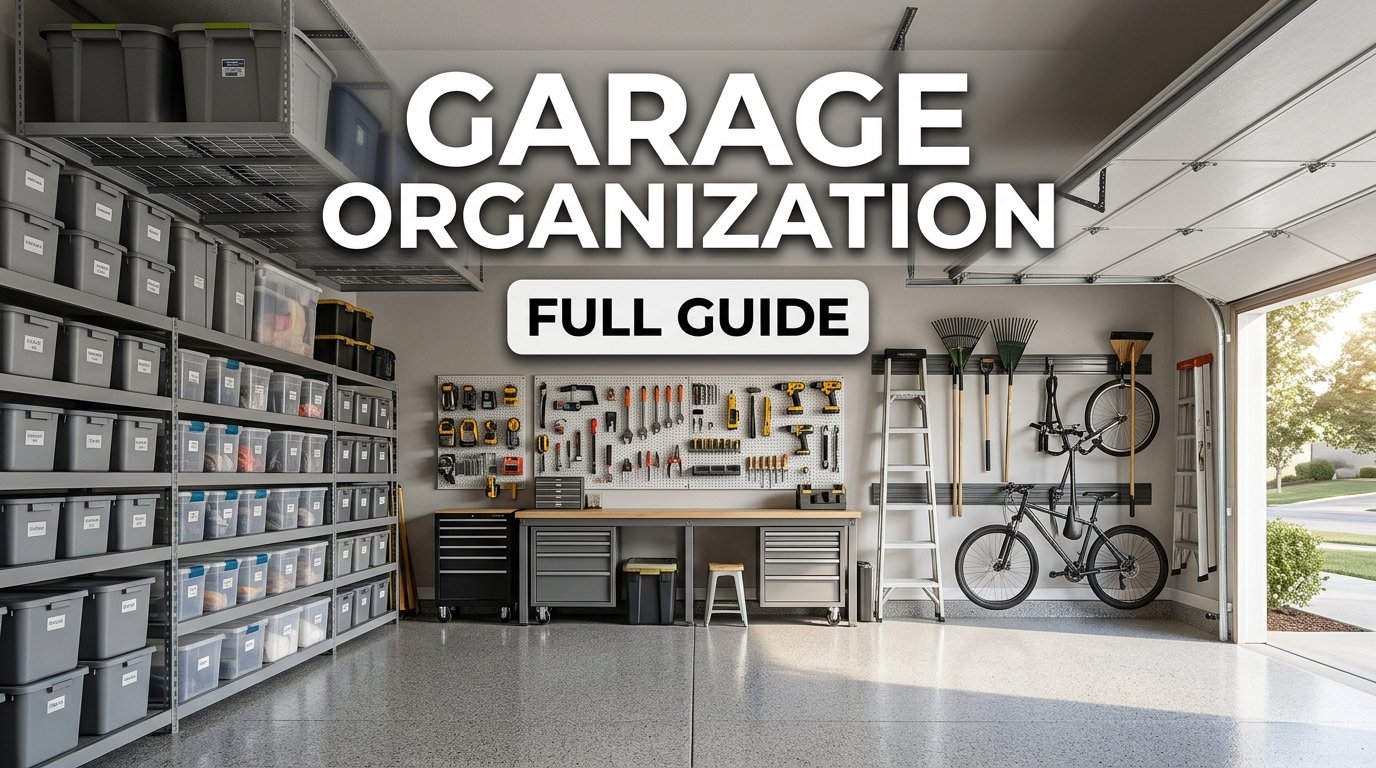
Garage organization is one of the best ways to make your home more functional, attractive, and clutter-free. A garage is often used for much more than parking cars. It can become a storage area for tools, gardening equipment, sports accessories, seasonal decorations, bicycles, cleaning supplies, and many other household items. However, without a proper organization system, these belongings can quickly turn the garage into a crowded and difficult-to-use space.
Whether you have a small one-car garage, a spacious two-car garage, or a large workshop-style garage, the right organization ideas can help you make better use of every available corner. From wall-mounted storage and overhead racks to cabinets, shelves, tool organizers, and smart storage containers, there are many ways to create a clean and practical garage.
In this guide, you will discover useful garage organization ideas, affordable storage solutions, layout tips, and practical ways to keep your garage organized throughout the year.
Why Garage Organization Is Important
A well-organized garage provides several benefits beyond simply making the space look better. It helps you find items quickly, protects valuable belongings, improves safety, and creates more usable floor space.
When tools, boxes, bicycles, and household supplies are stored randomly, they can block walkways and make parking difficult. Proper organization gives everything a designated place, reducing clutter and making everyday activities easier.
Some important benefits include:
- More usable space: Wall and ceiling storage systems free up valuable floor space.
- Better accessibility: Frequently used items remain easy to find and reach.
- Improved safety: Properly stored tools and equipment reduce tripping hazards.
- Protection of belongings: Cabinets and storage containers help protect items from dust and accidental damage.
- A cleaner appearance: Organized shelves and storage areas create a neat, attractive environment.
- Easier maintenance: A clear floor makes sweeping, cleaning, and general maintenance simpler.
1. Start by Decluttering Your Garage
Before purchasing storage cabinets or installing shelves, begin by removing unnecessary items. Decluttering is the foundation of successful garage organization because it helps you understand how much storage space you actually need.
Take everything out of the garage if practical, or organize one section at a time. Separate belongings into categories such as tools, automotive supplies, gardening equipment, sports accessories, seasonal decorations, and household storage.
Create four groups: items to keep, items to donate, items to sell, and items to discard. Be realistic about what you use. If something has not been used for years and has no practical or sentimental value, consider removing it.
After sorting, clean the garage floor, shelves, corners, and walls. Starting with an empty or partially cleared space makes it much easier to plan an effective storage system.
2. Use Wall-Mounted Storage Systems
Wall-mounted storage is one of the smartest garage organization solutions because it uses vertical space instead of occupying the floor.
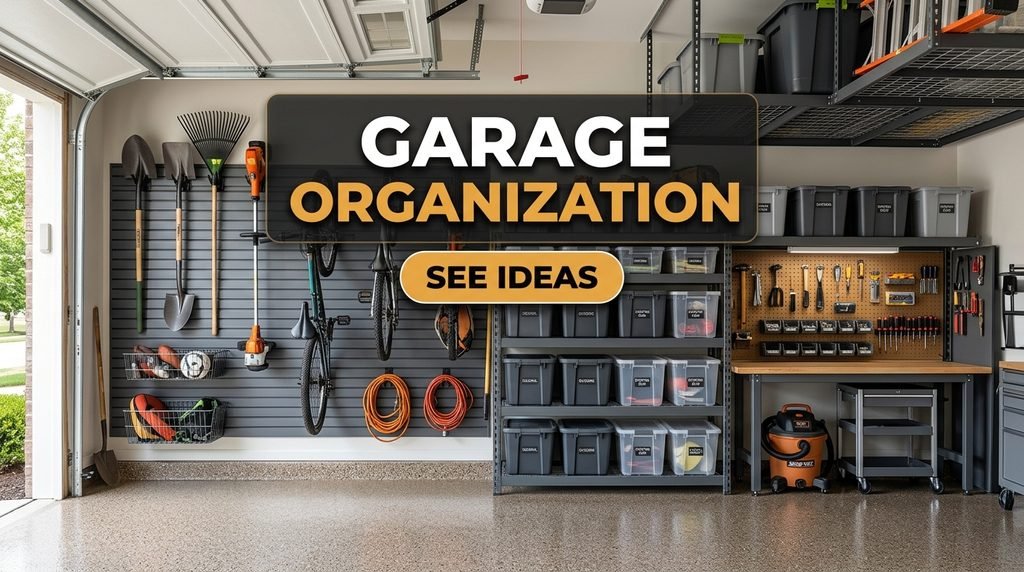
You can install hooks, rails, pegboards, baskets, and wall-mounted racks to store frequently used equipment. These systems are particularly useful for garages with limited floor space.
Consider using wall storage for:
- Garden tools and outdoor equipment
- Bicycles and helmets
- Extension cords and hoses
- Hand tools and small accessories
- Sports equipment
- Ladders and lightweight folding chairs
A combination of hooks and shelves can make an ordinary garage wall much more functional. Before installing anything, check the wall structure and use appropriate anchors or fasteners for the expected weight.
3. Install Garage Storage Cabinets
Garage storage cabinets provide enclosed storage for items that you do not want to leave exposed. They are especially useful for keeping cleaning supplies, automotive accessories, hardware, and household products organized.
Metal cabinets are popular because they are durable and suitable for many workshop environments. Heavy-duty plastic cabinets can be useful in areas where moisture resistance is important. Wooden cabinets may offer a more decorative appearance, although they should be selected carefully for garage conditions.
Choose cabinets according to your storage needs and available space. Tall cabinets can hold larger items, while smaller wall-mounted cabinets are useful for keeping frequently used supplies accessible.
For a clean appearance, consider installing matching cabinets along one wall. This creates a consistent storage area and makes the garage feel more organized.
Keep hazardous chemicals, sharp tools, and potentially dangerous equipment secured and inaccessible to children.
4. Make Use of Overhead Garage Storage
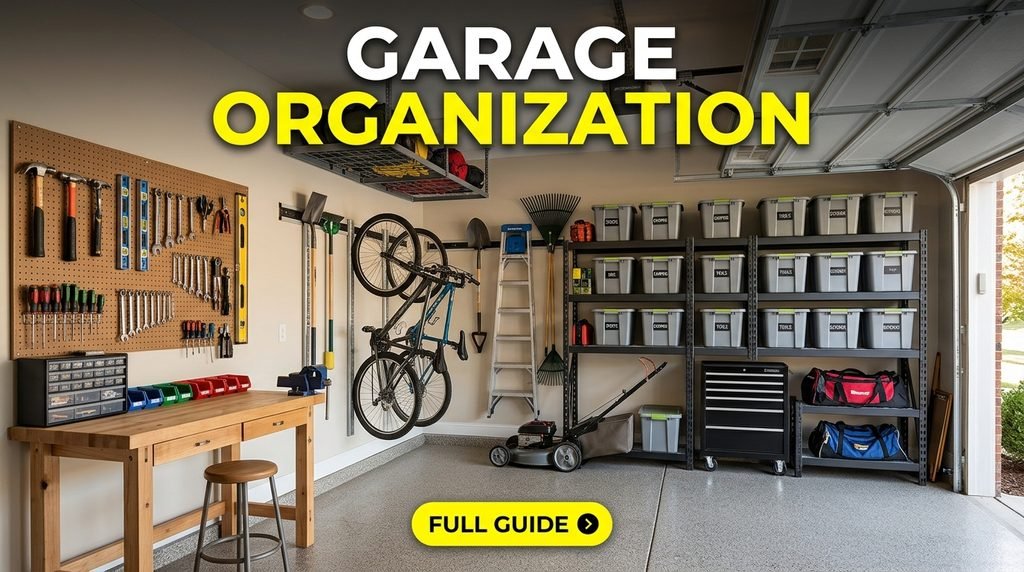
The ceiling is often one of the most underused areas in a garage. Overhead storage racks allow you to store seasonal and occasionally used belongings without taking up valuable floor or wall space.
These racks can hold suitable storage boxes, camping equipment, holiday decorations, and other lightweight or moderately heavy items, depending on their rated capacity.
Before installing overhead storage, check the ceiling joists, mounting requirements, and manufacturer’s weight limits. Never attach a heavy rack to drywall alone.
Keep frequently used belongings at a convenient height. Store items that you only need occasionally overhead, and avoid placing anything above vehicles or walkways unless the system is properly rated and securely installed.
5. Organize Tools With a Pegboard
A pegboard is a practical and affordable way to organize hand tools. Instead of keeping screwdrivers, pliers, wrenches, and measuring tapes inside random drawers, you can hang them on a wall where they remain visible.
Pegboards are available in metal, wood, and plastic. Metal pegboards are often suitable for heavier workshop use, while traditional hardboard pegboards can work well for lighter tools.
You can arrange tools according to their purpose. Keep screwdrivers together, place pliers in another section, and create a separate area for measuring equipment.
Adding labels or outlining tool shapes can make it easier to return every item to its correct position after use.
6. Create a Dedicated Workbench Area
If you regularly repair household items, work on DIY projects, or maintain vehicles, a dedicated workbench can make your garage more useful.
Choose a sturdy workbench with enough surface area for your projects. Add drawers or cabinets underneath to store tools, screws, nails, and small accessories.
A wall-mounted shelf above the workbench can provide additional storage for frequently used supplies. Good lighting is also important because it helps you work accurately and safely.
Keep the workbench surface as clear as possible. Store tools in drawers, organizers, or on nearby pegboards instead of allowing them to accumulate on the work surface.
7. Use Clear Storage Bins With Labels
Storage bins are a simple solution for organizing small household belongings and seasonal items. Clear plastic containers make it easier to identify their contents without opening every box.
Use separate containers for:
- Christmas and holiday decorations
- Camping supplies
- Sports accessories
- Car cleaning products
- Small household hardware
- Gardening accessories
- Children’s outdoor toys
Label each container clearly and place similar items together. If you use multiple storage bins, consider choosing a consistent size so they stack neatly on shelves.
For items that may be damaged by moisture, use suitable sealed containers and store them in a dry location. Avoid storing important documents, photographs, or sensitive belongings in a garage that experiences temperature and humidity changes.
8. Organize Bicycles and Sports Equipment
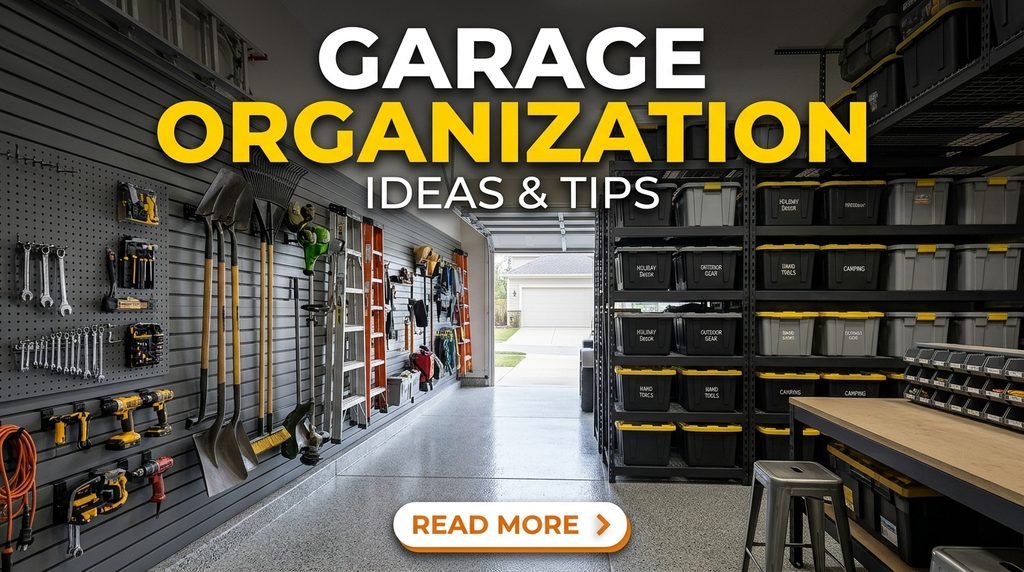
Bicycles, helmets, balls, tennis rackets, and other sports equipment can quickly make a garage look cluttered.
A bicycle wall hook or dedicated floor rack can keep bikes organized and prevent them from falling over. For multiple bicycles, a vertical or horizontal bike storage system may help save space.
Use sports equipment baskets for balls, helmets, gloves, and other accessories. Install hooks for items such as skateboards, protective gear, and sports bags.
If children use the equipment regularly, create a lower storage section so they can access and return their belongings without climbing or reaching overhead.
9. Create a Gardening Storage Station
Garden tools often occupy a surprising amount of garage space. Shovels, rakes, pruning shears, watering cans, gloves, and soil supplies should have their own designated storage area.
Install a long-handled tool rack to keep shovels, brooms, and rakes upright. Use small hooks for hand tools and baskets for gardening gloves and accessories.
Store bags of soil, fertilizer, and other gardening products in suitable containers according to their labels. Keep chemicals away from children, pets, food, and heat sources.
A dedicated gardening station makes it easier to prepare for outdoor work and prevents garden equipment from spreading throughout the garage.
10. Add a Garage Organization System for Automotive Supplies
If you use your garage for vehicle maintenance, create a separate area for automotive supplies.
You can organize microfiber cloths, car shampoo, tire pressure gauges, cleaning brushes, funnels, and other accessories in labeled containers or cabinets.
Keep frequently used car-cleaning products together so you can find them easily. A small rolling cart can also be useful for moving supplies around the garage.
Store fuels, solvents, oils, and other hazardous products only in approved containers and according to their safety instructions. Keep them away from ignition sources and ensure appropriate ventilation.
11. Use Rolling Storage Carts
Rolling storage carts are helpful when you need flexible storage. Unlike fixed cabinets, these carts can be moved around the garage whenever necessary.
They are useful for storing tools, cleaning supplies, DIY materials, and frequently used accessories. A multi-level cart provides several storage surfaces without taking up as much space as a large cabinet.
Choose a cart with strong wheels and a suitable weight rating. Locking wheels are especially useful when you want the cart to remain stable while working.
12. Organize Small Items With Drawer Organizers
Small objects such as screws, nuts, bolts, washers, nails, and electrical connectors can easily become mixed together.
A drawer organizer or small-parts storage cabinet helps separate these items into individual compartments. Transparent drawers make it easier to identify contents, while labels provide additional convenience.
Group hardware according to size and type. For example, keep wood screws separate from machine screws and organize nails by length.
This system is particularly useful for people who regularly complete DIY projects or repair household equipment.
13. Improve Garage Floor Organization
A clutter-free floor makes a garage safer and easier to maintain. Keep large objects away from walking paths and avoid storing loose tools or boxes where people may trip over them.
Use designated parking spaces for bicycles, lawn equipment, and rolling carts. If you have limited space, wall-mounted racks and vertical organizers can help move these items away from the floor.
You can also mark parking positions with floor tape or other suitable markings to help maintain consistent vehicle placement.
14. Make a Small Garage Feel Bigger
Small garages require thoughtful organization because every inch of space matters. The goal is to maximize vertical storage while maintaining enough room for vehicles and movement.
Here are some useful ideas for small garages:
- Install shelves above work areas.
- Use wall-mounted hooks for bicycles and garden tools.
- Choose narrow cabinets instead of bulky storage units.
- Use stackable storage containers.
- Install folding workbenches where appropriate.
- Keep the center of the garage as open as possible.
- Store seasonal belongings in overhead racks.
- Avoid buying storage products before measuring the available space.
A small garage does not need expensive renovation to become functional. A carefully planned arrangement can make a significant difference.
15. Use Labels and Storage Zones
One of the easiest ways to maintain garage organization is to divide the space into specific zones.
Instead of placing items wherever there is an empty spot, assign a purpose to each section. This creates a predictable system that makes it easier for everyone in the household to find and return belongings.
For example, you can create separate areas for automotive supplies, gardening equipment, sports accessories, tools, seasonal decorations, and household storage.
Use labels on cabinets, bins, and drawers. Clear labels reduce confusion and prevent different categories of belongings from becoming mixed together.
Garage Organization Ideas by Budget
You do not need to spend a large amount of money to organize your garage. The best solution depends on your available space, storage needs, and budget.
| Budget level | Organization solutions |
|---|---|
| Low budget | DIY shelves, labeled boxes, basic hooks, pegboards |
| Medium budget | Metal shelving, storage cabinets, wall rails, rolling carts |
| Higher budget | Custom cabinets, overhead racks, modular storage systems, built-in workbenches |
Start with affordable improvements and upgrade individual sections when necessary. It is usually better to purchase a few useful storage products than to fill the garage with organizers that do not match your actual needs.
Garage Organization Layout Ideas
The right layout depends on the size of your garage and how you use it. A garage primarily used for parking requires a different arrangement from a workshop or storage-focused garage.
One-Car Garage Layout
A one-car garage should prioritize vehicle access and a clear walking path. Install shelves or cabinets along one wall and use hooks for lightweight tools and outdoor equipment.
Keep the area around the vehicle free from unnecessary storage. If you need a workbench, consider a compact or fold-down design.
Two-Car Garage Layout
A two-car garage offers more flexibility. You can create a dedicated storage wall, a workbench area, and separate zones for bicycles, gardening tools, and automotive supplies.
Try to keep both parking spaces accessible. Avoid placing large cabinets where they interfere with opening vehicle doors.
Workshop Garage Layout
A workshop garage should include a sturdy workbench, tool storage, task lighting, and accessible shelving.
Place frequently used tools near the workbench and store larger equipment in a separate section. Maintain clear walkways and follow safe storage practices for power tools and materials.
Common Garage Organization Mistakes to Avoid
Even a well-designed storage system can become cluttered if certain mistakes are repeated.
Buying storage before decluttering: Purchasing shelves and cabinets without sorting belongings can waste money and create unnecessary storage.
Ignoring vertical space: Leaving walls and ceilings unused can make a garage feel crowded even when plenty of storage potential exists.
Keeping everything on the floor: Floor storage blocks movement and makes cleaning difficult.
Using oversized cabinets: Large cabinets can reduce parking and walking space in smaller garages.
Forgetting labels: Unlabeled boxes make it difficult to identify belongings and maintain an organized system.
Overloading shelves: Every storage unit has a weight limit. Exceeding it can cause damage or injury.
Not maintaining the system: A garage needs occasional attention. Without regular maintenance, clutter can return quickly.
Simple Garage Organization Maintenance Routine
Once your garage is organized, create a simple routine to keep it that way.
| Frequency | Organization task |
|---|---|
| Daily | Return tools and equipment to their designated places |
| Weekly | Remove loose items and clear walkways |
| Monthly | Check storage bins, shelves, and cabinets |
| Every 3–6 months | Declutter unused belongings and reorganize problem areas |
| Annually | Review the entire layout and update storage needs |
A few minutes of maintenance can prevent hours of cleaning and reorganizing later.
Conclusion
Garage organization is about creating a practical storage system that makes everyday life easier. Whether you have a small garage or a large workshop, you can transform the space with simple improvements such as wall-mounted hooks, storage cabinets, overhead racks, pegboards, labeled bins, and dedicated storage zones.
Start by removing unnecessary belongings, then divide the garage into functional areas based on how you use the space. Make the most of vertical storage, keep frequently used items accessible, and maintain clear walkways.
With a thoughtful layout and a consistent maintenance routine, your garage can become a clean, organized, and highly functional part of your home.
Frequently Asked Questions About Garage Organization
1. What is the best way to organize a garage?
The best way to organize a garage is to declutter first, group similar belongings together, and assign a specific storage area to each category. Use shelves, cabinets, wall hooks, pegboards, and labeled containers to keep everything in its place.
2. How can I organize my garage on a low budget?
You can organize a garage affordably by using DIY shelves, recycled containers, basic wall hooks, pegboards, and inexpensive storage bins. Start with decluttering before purchasing new products.
3. How do I organize a small garage?
Use vertical storage, narrow cabinets, wall-mounted hooks, stackable bins, and overhead racks where suitable. Keep the center of the garage open and avoid storing unnecessary items on the floor.
4. What should I store on garage shelves?
Garage shelves are suitable for labeled storage bins, automotive accessories, gardening supplies, sports equipment, and household items that can safely tolerate garage conditions. Always check the shelf’s weight capacity.
5. Are overhead garage storage racks worth it?
Yes, overhead storage racks can be useful because they make use of unused ceiling space. They are particularly helpful for seasonal decorations, camping equipment, and other items that are not needed every day. Proper installation and weight limits are essential.
6. How do I organize garage tools?
Use pegboards, tool cabinets, drawer organizers, wall hooks, and labeled storage compartments. Group similar tools together and keep frequently used tools close to your workbench.
7. How can I make my garage look clean and organized?
Remove unnecessary belongings, use matching storage containers, install cabinets, keep the floor clear, and assign specific areas for different categories. Consistent labels can also improve the overall appearance.
8. What is the best garage storage solution?
The best solution depends on your garage size and storage needs. Wall-mounted systems are excellent for saving floor space, cabinets are useful for enclosed storage, and overhead racks are suitable for occasional-use belongings.
9. How do I organize a garage with two cars?
Keep both parking areas clear and install storage along the walls. Use overhead racks for seasonal items, wall hooks for bicycles, and a dedicated cabinet or workbench area for tools and automotive supplies.
10. How often should I reorganize my garage?
A quick weekly cleanup and a more detailed monthly check are usually enough to maintain an organized garage. A full decluttering session every three to six months can help prevent unnecessary belongings from accumulating.