
 By admin
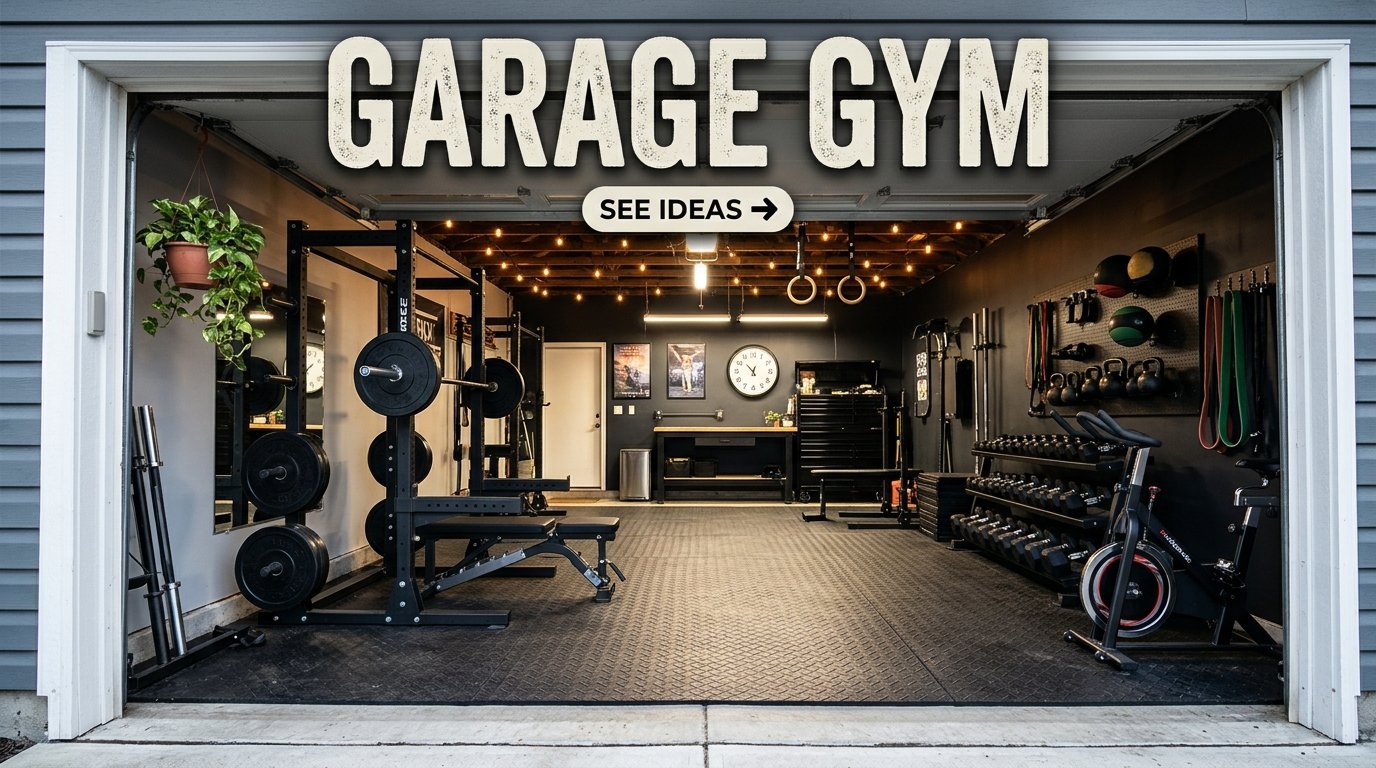
A garage gym is a great way to create a personal fitness space at home without paying for an expensive gym membership or traveling to a fitness center. Whether you have a small single-car garage or a large three-car garage, you can transform unused space into a comfortable workout area with the right equipment, flooring, lighting, and storage solutions.
A well-designed garage gym can accommodate strength training, cardio workouts, weightlifting, yoga, functional fitness, and many other exercises. You do not need a huge budget or professional renovation to get started. Even a small garage can become an effective home gym when you plan the layout carefully and choose equipment that matches your fitness goals.
In this guide, you will discover 25 garage gym ideas, space-saving equipment arrangements, flooring options, storage solutions, and practical tips for creating a workout environment that is comfortable, organized, and easy to maintain.
1. Modern Minimalist Garage Gym
<AsyncImage query=”modern minimalist garage home gym black rubber flooring squat rack dumbbells clean design” aspectRatio=”16:9″ width=”100%”/>
A modern minimalist garage gym focuses on simplicity, functionality, and clean organization. Instead of filling the entire garage with equipment, choose a few essential pieces that support your workout routine.
Install a squat rack, adjustable bench, dumbbell set, and wall-mounted storage system. Keep the floor open so you have enough room for stretching, warm-ups, and bodyweight exercises.
Neutral colors such as black, gray, and white create a clean appearance. You can also add modern LED lighting and a large mirror to make the space feel more professional.
2. Small Garage Gym Setup
A small garage gym can be highly effective when every piece of equipment serves a purpose.
Start with adjustable dumbbells, resistance bands, a foldable bench, and a compact rack. These items support many exercises without occupying the entire garage.
Use vertical wall storage for resistance bands, jump ropes, and accessories. If you have limited floor space, choose equipment that can be folded or moved after workouts.
A small gym should prioritize open movement space rather than simply fitting in as much equipment as possible.
3. Garage Gym with a Power Rack
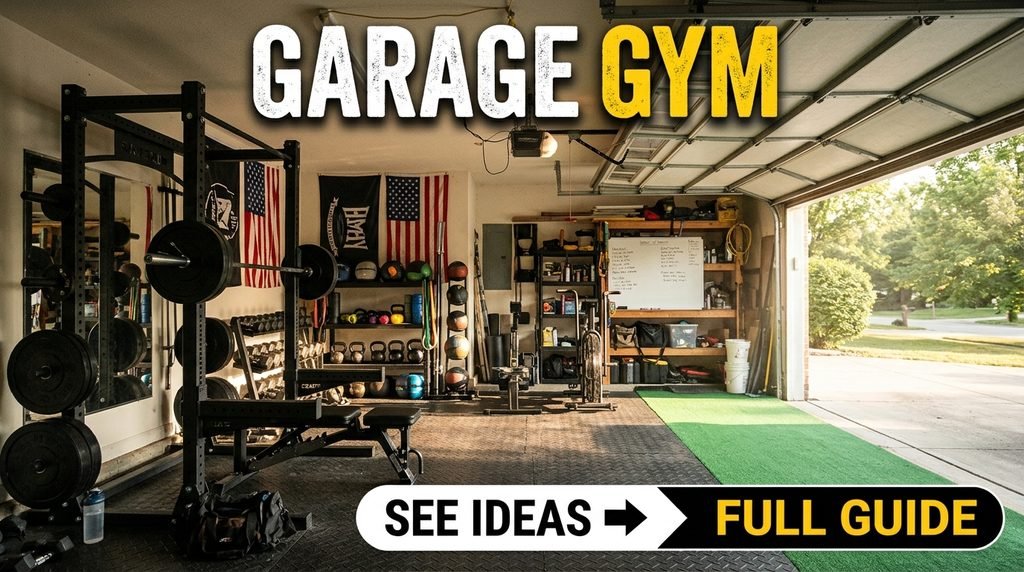
A power rack is one of the most useful pieces of equipment for a strength-focused garage gym.
It provides a stable setup for exercises such as squats, bench presses, overhead presses, and other barbell movements when used correctly.
Choose a rack that fits your garage’s ceiling height and available floor space. Check its weight rating, anchoring requirements, and compatibility with your other equipment.
If you regularly train alone, use suitable safety bars or adjustable safety arms and learn how to position them correctly.
4. Luxury Garage Gym Desig
A luxury garage gym combines high-quality equipment with an attractive interior design.
You can include premium cardio machines, a commercial-style power rack, adjustable dumbbells, a cable machine, and a dedicated stretching area.
Use matching equipment finishes, dark flooring, wall mirrors, and carefully planned lighting to create a professional fitness environment.
Built-in cabinets and hidden storage can keep accessories organized while maintaining a clean appearance.
5. Industrial-Style Garage Gym
Industrial garage gyms feature strong materials, practical layouts, and a rugged appearance.
Concrete walls, exposed metal details, black equipment, and heavy-duty rubber flooring create an industrial atmosphere.
This design works especially well for strength training, powerlifting, and functional fitness.
You can add open metal shelving for weights and accessories while keeping frequently used equipment close to the workout area.
6. Garage Gym with a Treadmill
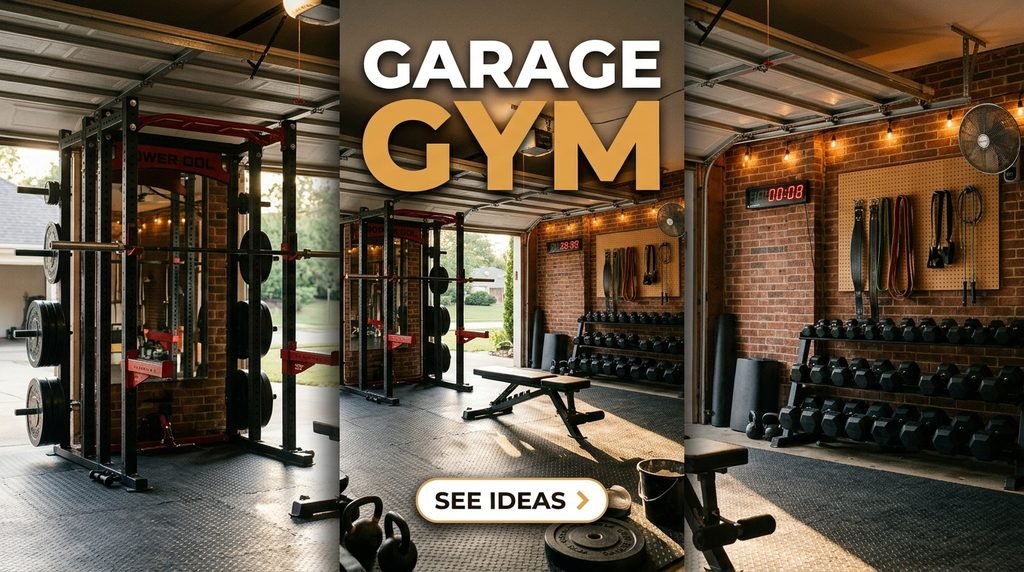
A treadmill is a useful addition for people who enjoy walking, jogging, or running indoors.
Place it along a wall where there is enough room for safe access and movement. Check the manufacturer’s clearance requirements and ensure the machine has a stable, level surface.
You can combine a treadmill with adjustable dumbbells, a bench, and resistance bands to create a balanced workout space.
If your garage experiences high temperatures or humidity, consider ventilation and equipment operating requirements.
7. Garage Gym with a Dumbbell Storage Rack
Dumbbells are among the most versatile pieces of home gym equipment.
A dedicated dumbbell rack keeps weights organized and makes it easier to select the correct pair during workouts.
You can use a compact rack for fixed dumbbells or an adjustable dumbbell system to save space.
Place heavier weights on the lower levels and make sure the rack is designed to support the total load.
8. Garage Gym with Wall Mirrors
Mirrors can make a garage gym feel larger and help you observe your exercise technique.
Install mirrors along a suitable wall, especially near the area where you perform strength exercises or stretching routines.
Choose mirrors designed for the intended installation environment and use appropriate safety mounting systems.
A large mirror wall can also improve the overall appearance of a small gym by reflecting light throughout the room.
9. Garage Gym with Rubber Flooring
Flooring is one of the most important parts of a garage gym.
Rubber flooring is popular because it provides a more comfortable and protective surface for many workouts. It can also help reduce noise and protect the underlying floor from normal equipment use.
Common options include rubber mats, interlocking rubber tiles, and heavy-duty rubber rolls.
Choose flooring according to the type of training you perform. Heavy weightlifting may require thicker, purpose-designed flooring or lifting platforms.
Make sure the floor is clean, dry, level, and suitable for the flooring product before installation.
10. Garage Gym with a Cable Machine
A cable machine adds exercise variety to a garage gym.
Depending on its design, it can support movements such as cable rows, chest presses, triceps pushdowns, lateral raises, and other resistance exercises.
Compact wall-mounted or dual-adjustable cable systems can be useful when floor space is limited.
Before installation, check the machine’s dimensions, mounting requirements, and structural support specifications.
11. CrossFit-Style Garage Gym
A CrossFit-inspired garage gym is designed for functional movements and varied training sessions.
Useful equipment includes kettlebells, medicine balls, resistance bands, a pull-up bar, a jump rope, and a suitable barbell setup.
Keep enough open floor space for movements such as lunges, burpees, and bodyweight exercises.
Avoid placing equipment in the middle of the workout area. Store accessories along the walls to maintain a clear training zone.
12. Budget-Friendly Garage Gym
You can build a useful garage gym without purchasing expensive commercial equipment.
Start with basic items such as resistance bands, a jump rope, adjustable dumbbells, a workout mat, and a simple bench.
These pieces can support many beginner and intermediate exercises.
Add more equipment gradually as your workout needs develop. Buying a few versatile items is often more practical than purchasing several machines you rarely use.
13. Garage Gym with a Pull-Up Bar
A pull-up bar is a compact addition for upper-body and bodyweight training.
Depending on the model, it can be mounted to a suitable wall, ceiling, or structural support.
Use a bar designed for the intended installation surface and follow the manufacturer’s mounting instructions.
You can use it for pull-ups, chin-ups, and other suitable exercises. Make sure there is enough clearance around the bar for safe movement.
14. Garage Gym with a Dedicated Cardio Zone
<AsyncImage query=”home garage gym cardio zone stationary bike treadmill rowing machine” aspectRatio=”16:9″ width=”100%”/>
If cardiovascular fitness is an important part of your routine, create a dedicated cardio area.
Depending on your space and budget, this zone can include a stationary bike, treadmill, rowing machine, or elliptical trainer.
Place cardio equipment together so the rest of the garage remains available for strength training and stretching.
Consider ventilation, electrical access, noise, and the manufacturer’s clearance requirements when planning the layout.
15. Two-Car Garage Gym Design
A two-car garage offers more flexibility when designing a home gym.
You can dedicate one side to strength training and the other to cardio, stretching, or functional fitness.
A practical layout might include a power rack, adjustable bench, dumbbell rack, treadmill, storage cabinets, and an open exercise area.
If you still need to park a vehicle inside, use compact equipment and create a clearly defined workout zone.
16. Garage Gym with a Dedicated Weightlifting Area
A dedicated weightlifting area is ideal for people who focus on barbell exercises.
Include a suitable squat rack, barbell, weight plates, bench, and lifting platform where appropriate.
Choose equipment that matches your training level and available space. The floor must be suitable for the loads and activities involved.
Store plates on a dedicated weight tree or rack and keep the barbell in a secure location when not in use.
17. Garage Gym with Storage Cabinets
<AsyncImage query=”organized garage gym built in storage cabinets fitness equipment dumbbells” aspectRatio=”16:9″ width=”100%”/>
Storage cabinets help maintain a clean garage gym by keeping smaller accessories out of sight.
Use cabinets for resistance bands, lifting straps, towels, cleaning supplies, workout accessories, and other equipment.
You can choose metal cabinets, modular storage units, or built-in wooden cabinets.
Label drawers and storage sections so that frequently used items are easy to locate.
18. Garage Gym with a Dedicated Yoga Area
<AsyncImage query=”minimalist garage home gym yoga stretching area exercise mats natural lighting” aspectRatio=”16:9″ width=”100%”/>
A yoga and stretching area can make your garage gym more versatile.
Use a comfortable exercise mat, yoga blocks, resistance bands, and a small storage basket for accessories.
Keep this section away from heavy equipment and moving machines.
Soft lighting and a clean wall finish can create a calm atmosphere that makes the space more comfortable for stretching, mobility work, and relaxation.
19. Garage Gym with a Rowing Machine
A rowing machine is a useful cardio option that engages several major muscle groups.
It can support low-impact cardiovascular workouts and may suit people who want an alternative to running.
Some rowing machines fold or stand upright for storage, making them useful in smaller garage gyms.
Check the machine’s operating and storage requirements before deciding where to place it.
20. Black and Gray Garage Gym Design
Black and gray are popular colors for contemporary garage gyms.
Black equipment, charcoal rubber flooring, gray walls, and simple lighting create a coordinated appearance.
You can add white details, mirrors, or subtle accent lighting to make the space feel brighter.
This color scheme works particularly well in industrial and minimalist gym designs.
21. Garage Gym with a Functional Training Area
A functional training area provides space for exercises that involve balance, coordination, movement, and full-body strength.
Useful equipment includes kettlebells, resistance bands, medicine balls, suspension trainers, and exercise mats.
Keep the center of the area open so you can perform movements without hitting nearby equipment.
This type of setup is suitable for people who prefer varied workouts instead of using only traditional gym machines.
22. Garage Gym with Natural Lighting
Natural lighting can make a garage gym feel more welcoming and comfortable.
If your garage has windows, keep them unobstructed whenever possible. You can also consider suitable glazed doors or additional windows during a renovation.
Use blinds or privacy glazing where needed, especially if the gym is visible from outside.
Combine daylight with ceiling lights and task lighting so the workout area remains well-lit throughout the day.
23. Garage Gym with LED Lighting
LED lighting is a practical choice for garage gyms because it provides bright illumination and is available in different styles.
You can install ceiling lights, wall lights, or indirect LED strips to create a modern appearance.
Use brighter lighting around weightlifting equipment and workout areas. Avoid excessive glare near mirrors.
Select fixtures suitable for the garage’s temperature, moisture, and electrical conditions.
24. Garage Gym with a Recovery and Relaxation Corner
A recovery corner can make your garage gym more useful beyond the main workout session.
Include foam rollers, stretching mats, massage balls, and other suitable recovery accessories.
Keep these items in a small cabinet or storage basket so the area remains tidy.
You can also create a comfortable seating area if the garage has enough room.
25. Luxury Garage Gym with Complete Equipment
A complete luxury garage gym can include a power rack, cable machine, dumbbell set, treadmill, exercise bike, rowing machine, and dedicated stretching area.
Use coordinated equipment finishes, professional-style flooring, wall mirrors, and modern lighting to create a premium fitness environment.
Built-in cabinets can keep accessories organized, while a separate cardio zone helps maintain an efficient layout.
A large garage provides the flexibility to create a personal fitness studio with several workout stations.
Essential Equipment for a Garage Gym
The right equipment depends on your workout goals, available space, and budget. You do not need every type of machine to create an effective gym.
| Equipment | Main Purpose | Space Requirement |
|---|---|---|
| Adjustable dumbbells | Strength training | Low |
| Resistance bands | Mobility and resistance exercises | Very low |
| Workout bench | Weight training | Moderate |
| Power rack | Barbell exercises | High |
| Treadmill | Walking and running | High |
| Stationary bike | Cardio training | Moderate |
| Kettlebells | Functional strength | Low |
| Pull-up bar | Upper-body training | Low |
| Cable machine | Resistance exercises | Moderate to high |
| Exercise mat | Yoga and floor exercises | Low |
| Rowing machine | Cardio training | Moderate to high |
Best Flooring Options for a Garage Gym
Garage gym flooring is important because it affects comfort, equipment stability, noise, and floor protection.
| Flooring Type | Advantages | Best Use |
|---|---|---|
| Rubber tiles | Durable and easy to arrange | General gym areas |
| Rubber rolls | Continuous surface with fewer seams | Larger workout spaces |
| Heavy-duty rubber mats | Suitable for selected heavy equipment | Weightlifting zones |
| Foam tiles | Comfortable and lightweight | Light workouts and stretching |
| Artificial turf | Useful for selected movement drills | Functional training areas |
For most garage gyms, rubber flooring is a practical choice. However, the correct thickness depends on the equipment and training activities. Make sure the floor is level, dry, and suitable for the flooring material.
How to Organize a Garage Gym
An organized gym is easier to use and safer to move around in. Start by dividing your available space into separate workout zones.
Strength training zone: Place the power rack, bench, dumbbells, and weight plates together.
Cardio zone: Position the treadmill, bike, or rowing machine in a separate area with adequate clearance.
Functional training zone: Keep an open area for bodyweight exercises, kettlebells, and mobility work.
Storage zone: Use shelves, cabinets, hooks, and racks to store accessories and smaller equipment.
Recovery zone: Keep mats, foam rollers, and stretching accessories in a dedicated section.
Avoid blocking the garage entrance, emergency exits, electrical panels, or access to essential household equipment.
How to Build a Garage Gym on a Budget
You can create a useful garage gym without spending a large amount of money.
Start with versatile equipment that supports several exercises. Adjustable dumbbells, resistance bands, a workout mat, and a basic bench are good starting options.
Consider these budget-friendly ideas:
- Purchase adjustable dumbbells instead of multiple fixed-weight sets.
- Use resistance bands for additional training options.
- Install wall hooks for lightweight accessories.
- Choose basic rubber mats for suitable workout areas.
- Buy equipment gradually as your routine develops.
- Use a secondhand item only after checking its condition and safety.
- Avoid purchasing large machines that you do not have room to use.
A carefully selected collection of basic equipment can provide more value than a crowded gym filled with rarely used machines.
Important Garage Gym Safety and Comfort Tips
A garage was not originally designed as a gym, so it is important to prepare the space before exercising.
Check Ventilation
Exercise produces heat and moisture. Make sure the garage has adequate ventilation and consider suitable fans or other ventilation improvements.
Control Temperature
Garages can become very hot in summer and cold in winter. Insulation, ventilation, and suitable climate-control equipment can make workouts more comfortable.
Check the Floor
Inspect the floor for cracks, moisture, uneven areas, and other problems before installing gym equipment.
Keep Equipment Stable
Install racks, wall-mounted equipment, and storage systems according to their manufacturer’s requirements. Use appropriate structural support and anchoring.
Maintain Clear Walking Space
Leave sufficient room around machines and workout stations. Keep weights, cables, and accessories away from walking paths.
Use Safe Electrical Equipment
Check that lighting, fans, and powered exercise machines are connected safely. Electrical installations in garages should be suitable for the environment and completed by a qualified professional where necessary.
Protect Children and Pets
Store weights, exercise machines, and small accessories securely. Keep children away from moving equipment and heavy lifting areas.
Frequently Asked Questions About Garage Gyms
1. How much space do I need for a garage gym?
A small workout area can fit into part of a single-car garage with compact equipment. A larger garage provides more room for power racks, cardio machines, and separate workout zones. Always plan around equipment dimensions and safe movement clearance.
2. What is the best flooring for a garage gym?
Rubber flooring is one of the most popular choices because it provides protection, durability, and a comfortable workout surface. Choose an appropriate thickness for your training activities and equipment.
3. Can I build a garage gym on a budget?
Yes. Start with adjustable dumbbells, resistance bands, an exercise mat, and a basic bench. Add larger equipment gradually as your fitness needs and budget change.
4. Is a garage gym better than a commercial gym?
A garage gym offers privacy, convenience, and flexible workout times. A commercial gym usually provides more equipment, professional facilities, and group classes. The better choice depends on your fitness goals and preferences.
5. How do I keep my garage gym cool?
Improve ventilation, use suitable fans, reduce unnecessary heat buildup, and consider insulation or climate control. Always follow the operating requirements of exercise equipment.
6. What equipment should a beginner buy first?
Beginners can start with adjustable dumbbells, resistance bands, a workout mat, and a stable bench. These items support a wide range of exercises without requiring a large space.
7. Can I keep my car and gym equipment in the same garage?
Yes. You can dedicate one section to workout equipment and keep the other available for parking. Wall-mounted storage and compact equipment can help preserve floor space.
8. Are garage gyms suitable for weightlifting?
Yes, provided the garage has a suitable floor, sufficient ceiling height, appropriate equipment, and enough space for safe lifting. Use a properly installed rack and suitable safety equipment.
9. How do I organize gym equipment in a small garage?
Use wall-mounted racks, compact storage cabinets, adjustable dumbbells, folding benches, and vertical storage. Keep the center of the workout area open.
10. Do I need insulation for a garage gym?
Insulation is not always necessary, but it can improve comfort when the garage experiences extreme temperatures. It may also help reduce noise and make the space easier to use throughout the year.
Conclusion
A garage gym is an excellent way to create a convenient personal workout space at home. Whether you prefer a compact setup with adjustable dumbbells or a complete fitness studio with a power rack, treadmill, cable machine, and cardio equipment, the right design can make your garage more functional.
Start by deciding what types of workouts you want to perform, measure your available space, and select equipment that matches your needs. Add suitable flooring, lighting, ventilation, and storage to create a comfortable environment.
With thoughtful planning and gradual improvements, even an ordinary garage can become a practical home gym where you can work toward your fitness goals without leaving your house.