
 By admin
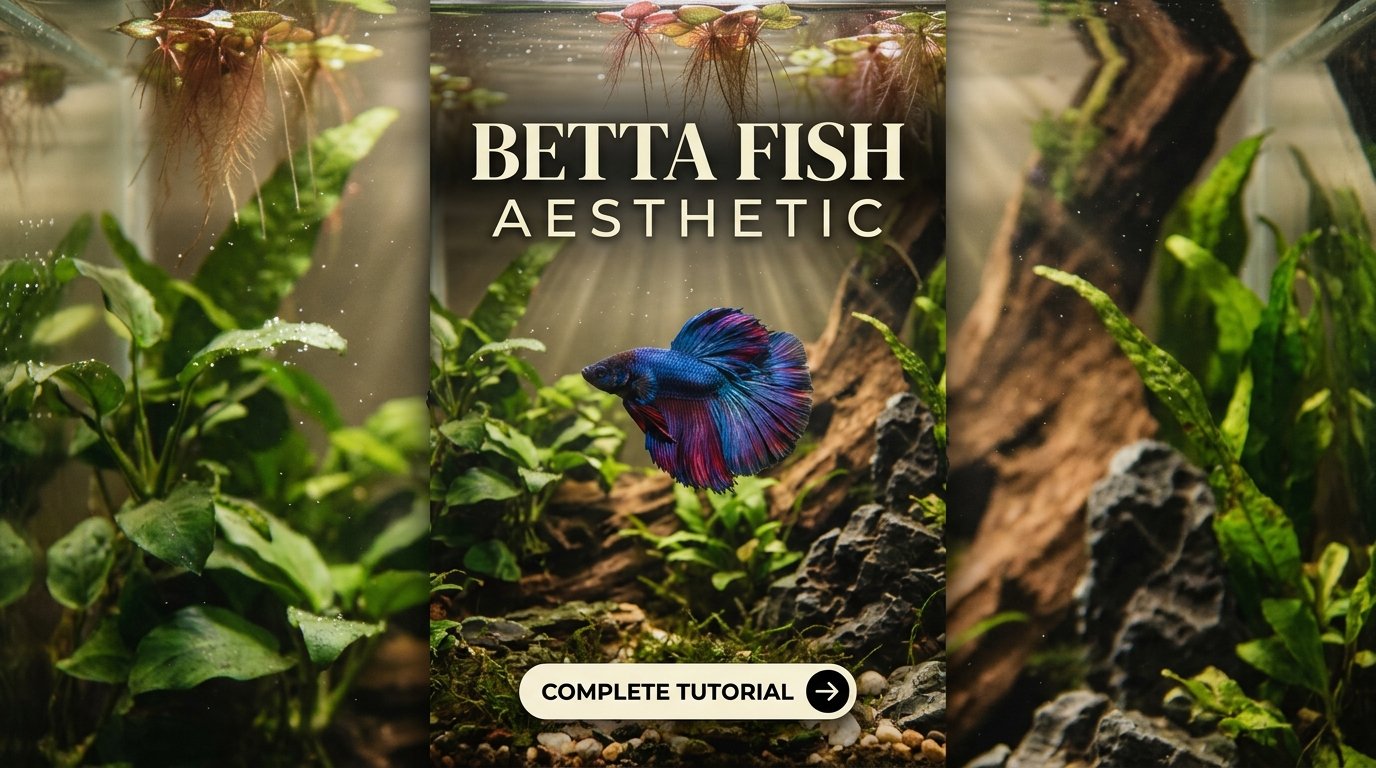
A betta fish aesthetic aquarium combines beautiful fish colors, attractive decorations, natural plants, and thoughtful lighting to create a peaceful underwater environment. Betta fish are known for their flowing fins, vibrant colors, and unique personalities, making them one of the most visually appealing freshwater aquarium fish.
Creating an attractive betta aquarium is not just about choosing pretty decorations. A beautiful setup should also provide enough swimming space, clean water, comfortable temperatures, and places where the fish can rest and explore. The best aquarium designs balance appearance with the natural needs of betta fish.
Whether you prefer a minimalist aquarium, a lush planted tank, a dark moody design, or a colorful underwater landscape, there are many ways to create a stunning betta fish aesthetic.
1. Minimalist Betta Fish Aquarium
A minimalist betta aquarium is perfect for people who prefer a clean and elegant appearance. Instead of using too many decorations, focus on a simple layout with a few carefully selected elements.
Choose a natural-colored substrate, a small piece of driftwood, and a few easy-care aquatic plants. Leave plenty of open swimming space so your betta can move comfortably.
A minimalist design also makes aquarium maintenance easier because there are fewer decorations and tight spaces where debris can collect.
2. Natural Planted Betta Aquarium
A natural planted aquarium creates a peaceful underwater environment that looks similar to a small freshwater habitat.
Use live plants such as Java fern, Anubias, Java moss, and suitable floating plants. These plants provide resting places, cover, and interesting areas for your betta to explore.
Choose plants that match your aquarium lighting and maintenance routine. Avoid overcrowding the tank, and leave open areas near the surface because betta fish frequently swim there to breathe.
3. Black Background Betta Fish Aesthetic
A black background can make colorful betta fish stand out beautifully. It creates contrast and gives the aquarium a sophisticated appearance.
This design works particularly well with red, blue, white, and multicolored bettas. Combine a dark background with natural driftwood, green plants, and a simple substrate.
Keep the lighting balanced so the aquarium does not become excessively dark. A black background can also help hide equipment and create a cleaner visual presentation.
4. Pink Betta Fish Aquarium Aesthetic
A pink-themed aquarium can create a soft and elegant appearance. It works especially well with pale pink, white, lavender, or light-colored bettas.
Use subtle pink decorations, a neutral substrate, and green aquatic plants to create contrast. Avoid filling the aquarium with artificial ornaments.
You can create a gentle color theme with a few carefully selected accessories while keeping the fish’s swimming area open.
5. Blue Betta Fish Aesthetic Aquarium
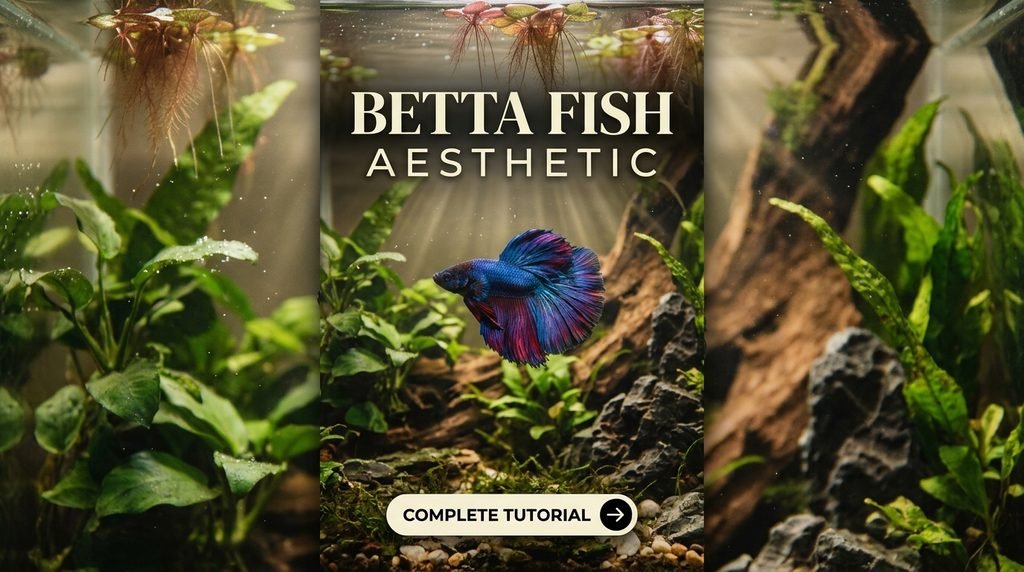
Blue bettas look especially beautiful in aquariums with natural green plants and darker backgrounds.
A blue-themed aquarium can include dark gravel, driftwood, Java fern, and Anubias. These elements create a natural setting while highlighting the fish’s brilliant blue coloration.
Use white or neutral aquarium lighting to show the fish’s natural colors without making the environment uncomfortable.
6. White and Clear Betta Aquarium
A white aquarium aesthetic is ideal for people who enjoy bright, clean, and modern designs.
Choose a light-colored background, pale substrate, and simple decorations. Green aquatic plants can provide contrast and prevent the aquarium from looking empty.
This design can look especially attractive with white, platinum, or pale-colored bettas.
Make sure the substrate and decorations are aquarium-safe and do not contain sharp edges that could damage delicate fins.
7. Dark Moody Betta Fish Aquarium
A dark aquarium creates a dramatic underwater appearance. It can make colorful bettas look more noticeable while giving the tank a natural, mysterious atmosphere.
Use dark substrate, driftwood, shaded areas, and low-to-moderate lighting suitable for your plants.
Floating plants can create gentle shadows and resting areas near the surface. However, avoid covering the entire water surface because bettas need access to air.
8. Betta Fish Aquarium With Driftwood
Driftwood is an excellent addition to a natural betta aquarium. Its unusual shapes and textures can create a beautiful underwater landscape.
Choose aquarium-safe driftwood and prepare it according to the supplier’s instructions before adding it to the tank. Some driftwood releases tannins, which can turn water slightly brown. This natural tint is often called blackwater-style coloration.
Arrange driftwood so it creates interesting spaces without blocking swimming areas. Check carefully for sharp points that could damage your betta’s fins.
9. Betta Fish Aquarium With Floating Plants
Floating plants can create a beautiful natural appearance while providing shade and surface cover.
Suitable options may include Amazon frogbit, Salvinia, and red root floaters, depending on local availability and aquarium conditions.
Floating plants can help soften bright lighting and provide resting places near the surface. Keep some open water available so your betta can easily reach the surface to breathe.
Regularly remove excess floating plants to prevent them from covering the entire aquarium.
10. Jungle-Style Betta Fish Aquarium
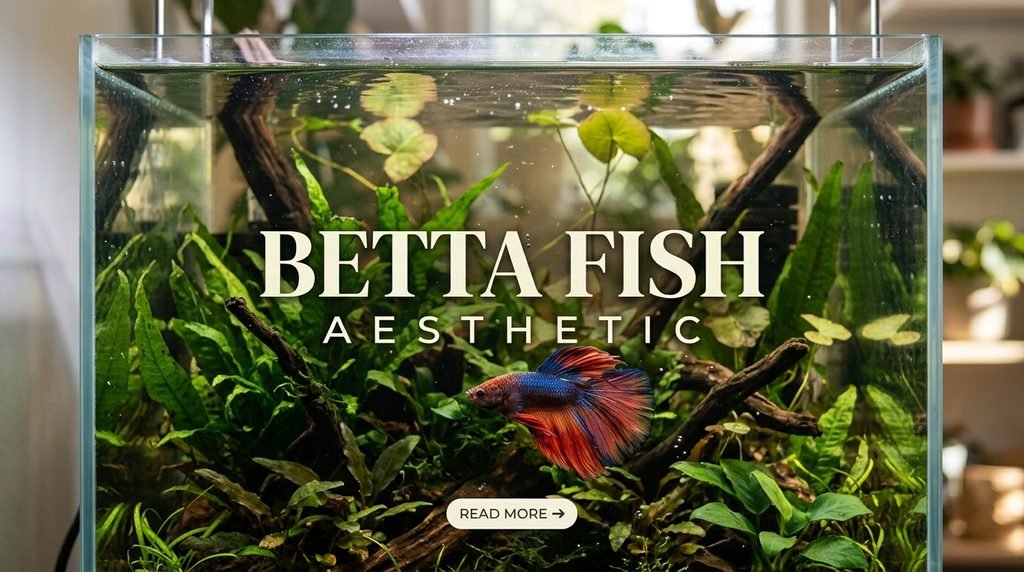
A jungle-style aquarium is ideal for people who love dense greenery and natural underwater environments.
Use a combination of broad-leaved plants, moss, driftwood, and floating vegetation to create a layered appearance.
Place taller plants toward the back and sides while keeping the front area relatively open. This creates depth and allows you to enjoy watching your betta swim.
A jungle-style setup requires regular trimming and maintenance to prevent plants from overcrowding the aquarium.
11. Betta Fish Aesthetic With Natural Stones
Natural stones can add texture and visual interest to a betta aquarium.
Choose aquarium-safe stones with smooth surfaces and arrange them around plants or driftwood. A small group of stones can create a natural focal point without making the aquarium look crowded.
Avoid sharp rocks and materials that may alter water chemistry unexpectedly. Always check whether a stone is suitable for freshwater aquariums before using it.
12. Cottagecore Betta Aquarium
A cottagecore aquarium uses natural colors, soft details, and a peaceful garden-inspired appearance.
Choose warm-colored driftwood, green plants, moss, and a natural substrate. You can also use small aquarium-safe decorations that resemble natural woodland elements.
The overall goal is to create a gentle, organic appearance rather than a brightly decorated artificial environment.
This style works especially well with planted aquariums and soft lighting.
13. Fairy Garden Betta Fish Aquarium
A fairy garden-inspired aquarium can have a whimsical appearance with carefully selected decorations and natural plants.
Use small aquarium-safe structures, moss, driftwood, and decorative stones to create a miniature underwater landscape.
Keep the design simple enough for your betta to swim comfortably. Avoid tiny openings, rough surfaces, or decorations with sharp edges.
Do not use ordinary garden decorations, painted objects, or craft materials unless they are specifically safe for aquarium use.
14. Betta Fish Aquarium With Red Plants
Red aquatic plants can create a striking contrast with green vegetation and colorful bettas.
Depending on lighting and aquarium conditions, suitable red or reddish plants may include Ludwigia species and certain Rotala varieties.
Place red plants toward the background or use them as a focal point. Combine them with green plants to create a balanced underwater landscape.
Some red plants require stronger lighting and additional nutrients, so choose varieties that match your experience level.
15. Blackwater Betta Fish Aquarium
A blackwater-inspired aquarium can create a natural and peaceful environment with soft brown water coloration.
Use suitable driftwood, dried Indian almond leaves, and other aquarium-safe botanical materials. These can release tannins that give the water a tea-colored appearance.
Blackwater setups can be attractive for bettas, but they still require proper filtration, water testing, and regular maintenance.
Do not assume that darker water automatically means better water quality. Monitor water parameters and maintain stable conditions.
16. Small Betta Fish Aesthetic Aquarium
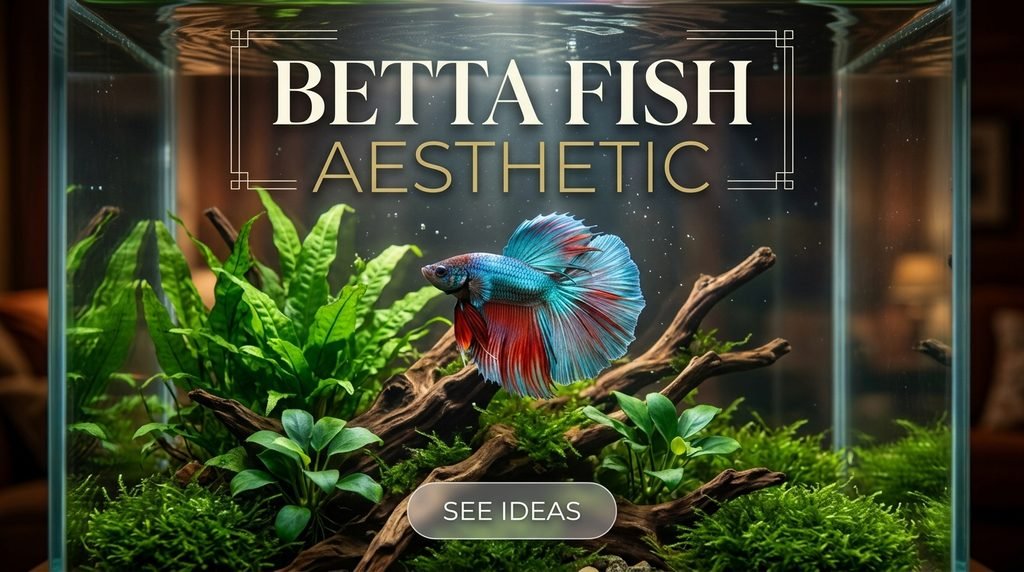
A compact aquarium can still look beautiful when designed carefully.
Choose a properly sized aquarium with enough swimming space rather than an extremely small decorative bowl. A single betta generally benefits from an aquarium of at least 5 gallons, with larger tanks often providing more stable conditions and additional design possibilities.
Use compact plants, a simple substrate, and a small piece of driftwood. Choose equipment that fits the aquarium without taking up too much space.
A heater and gentle filtration are important for maintaining suitable conditions.
17. Betta Fish Aquarium With Moonlight Aesthetic
A soft evening aquarium appearance can create a peaceful atmosphere in a room.
Use normal aquarium lighting during the day and allow the fish to experience a regular dark period at night. If you use decorative blue lighting, keep it gentle and do not leave bright lights running throughout the night.
Bettas need a consistent day-and-night cycle for normal rest and activity.
A timer can help maintain a regular lighting schedule and prevent excessive aquarium light exposure.
18. Modern Betta Fish Aquarium
A modern betta aquarium combines clean lines, simple decorations, and attractive equipment placement.
Choose a rimless aquarium, a neat filtration system, and a carefully arranged selection of plants and stones.
A neutral substrate and uncluttered background can give the aquarium a sophisticated appearance.
Make sure the aquarium has a secure cover because betta fish are capable jumpers. The design should also allow easy access for feeding and maintenance.
19. Betta Fish Aquarium With Anubias and Java Fern
Anubias and Java fern are popular choices for betta aquariums because they can grow without requiring a nutrient-rich planted substrate.
Both plants are usually attached to driftwood or stones rather than buried with their rhizomes covered. Their broad leaves can provide resting places for bettas.
They are also useful for beginners because they generally tolerate a range of aquarium conditions and moderate lighting.
Arrange them around the sides and back of the aquarium to create a natural look while preserving open swimming space.
20. Luxury Betta Fish Aquarium Aesthetic
A luxury betta aquarium focuses on quality materials, thoughtful design, and a clean overall appearance.
Choose a well-made glass aquarium, attractive hardscape, healthy live plants, and reliable equipment. A high-quality light can help display plant colors and bring out the natural appearance of your betta.
You can create a premium look with a natural stone arrangement, carefully positioned driftwood, and a neat filtration system.
Remember that expensive decorations do not automatically create a better aquarium. Water quality, suitable equipment, and proper fish care should always come first.
Best Colors for a Betta Fish Aesthetic Aquarium
Color selection can change the entire appearance of a betta aquarium. You can choose a theme based on your fish’s coloration or the style of your room.
| Aquarium theme | Main colors | Suitable design elements |
|---|---|---|
| Minimalist | White, gray, green | Simple plants and neutral substrate |
| Dark aesthetic | Black, brown, green | Driftwood and shaded plants |
| Pink aesthetic | Pink, white, green | Soft decorations and live plants |
| Blue aesthetic | Blue, black, green | Dark background and natural greenery |
| Jungle aesthetic | Green, brown | Dense plants and driftwood |
| Luxury aesthetic | Black, gold, green | Premium glass and natural hardscape |
| Blackwater aesthetic | Brown, amber, dark green | Tannins and botanical materials |
How to Create a Beautiful Betta Fish Aquarium
Creating an attractive aquarium requires more than choosing decorations. Follow these steps to build a setup that looks good and supports your betta’s health.
Choose the Right Aquarium Size
Select an aquarium with enough swimming space. A 5-gallon tank is a common starting point for one betta, while larger aquariums can provide greater stability and more room for plants and decorations.
Avoid keeping bettas in tiny bowls or decorative containers that cannot maintain stable water conditions.
Select a Suitable Substrate
Choose aquarium-safe gravel, sand, or planted-tank substrate. The color should complement your design theme.
Rinse suitable substrate before adding it to the aquarium, following the manufacturer’s instructions.
Add Plants and Decorations
Use live plants such as Anubias, Java fern, and Java moss. Add aquarium-safe driftwood or smooth stones to create a natural layout.
Leave enough open swimming space and avoid decorations with rough or sharp edges.
Install Gentle Filtration
Bettas prefer relatively gentle water movement. A sponge filter or appropriately adjusted filter can help maintain water quality without creating a strong current.
Make sure the filter is suitable for the aquarium size and that the fish can swim comfortably.
Maintain a Stable Temperature
Bettas are tropical fish and generally do best in water around 78–80°F (25.5–26.5°C).
Use an appropriately sized aquarium heater and a reliable thermometer to monitor the temperature.
Cycle the Aquarium Before Adding Fish
A new aquarium should be properly cycled before introducing a betta. Cycling establishes beneficial bacteria that help process toxic ammonia and nitrite.
Use an appropriate testing kit to monitor ammonia, nitrite, and nitrate. Ammonia and nitrite should remain at zero in an established aquarium.
Use Balanced Aquarium Lighting
Choose lighting based on the plants you keep. A consistent daily lighting schedule helps support plant growth and gives your aquarium a natural appearance.
Avoid leaving aquarium lights on all day and night because excessive lighting can encourage algae growth and disturb the fish’s resting routine.
Common Mistakes When Creating a Betta Fish Aesthetic
Choosing appearance over fish welfare: An attractive aquarium must still provide suitable water quality, temperature, filtration, and swimming space.
Using sharp decorations: Rough plastic plants and sharp ornaments can tear delicate betta fins. Choose smooth, aquarium-safe materials.
Overcrowding the aquarium: Too many decorations can reduce swimming space and make cleaning difficult.
Using strong water flow: Powerful currents can make swimming difficult for bettas. Choose gentle filtration.
Keeping the aquarium too small: Tiny bowls and containers are difficult to maintain and cannot provide the same stability as a properly sized aquarium.
Ignoring aquarium cycling: Adding fish to an uncycled aquarium can expose them to harmful ammonia and nitrite.
Using excessive lighting: Bright lights running continuously can cause stress and encourage algae growth.
Neglecting regular maintenance: Even a beautiful planted aquarium needs water testing, partial water changes, and equipment cleaning.
Conclusion
A betta fish aesthetic aquarium can be a beautiful addition to any home. From minimalist designs and dark backgrounds to lush planted tanks and blackwater-inspired environments, there are many ways to create a setup that highlights your betta’s natural colors and flowing fins.
The best aquarium combines attractive decorations with healthy plants, gentle filtration, stable temperatures, and clean water. Choose a design that matches your personal style, but always make your fish’s comfort and safety the priority.
With thoughtful planning and regular maintenance, you can create a stunning betta aquarium that remains beautiful and healthy over time.
Frequently Asked Questions
1. What is the best aesthetic for a betta fish tank?
Natural planted, minimalist, dark-themed, and blackwater-inspired aquariums are popular aesthetic choices. The best style depends on your preferences and the needs of your betta.
2. What colors look best in a betta aquarium?
Black, green, white, brown, and natural wood tones can create attractive combinations. Dark backgrounds often make brightly colored bettas stand out.
3. What plants look good in a betta fish tank?
Anubias, Java fern, Java moss, Amazon frogbit, and Salvinia are popular choices. Select plants according to your lighting and aquarium conditions.
4. How big should an aesthetic betta fish tank be?
A 5-gallon aquarium is a common minimum starting point for one betta. Larger aquariums can provide more stable water conditions and additional space for plants and decorations.
5. Do betta fish like planted aquariums?
Yes. Live plants can provide cover, resting places, and areas for exploration. They can also make an aquarium look more natural.
6. Can I use colorful decorations in a betta fish tank?
Yes, as long as the decorations are aquarium-safe, smooth, and free from sharp edges or harmful coatings. Avoid materials that can release chemicals into the water.
7. What lighting is best for an aesthetic betta aquarium?
Use aquarium lighting that suits your plants and provides a consistent day-and-night cycle. Avoid leaving bright lights on throughout the night.
8. Do betta fish need a heater?
Most bettas need a stable tropical water temperature. An appropriately sized aquarium heater is generally recommended, especially in rooms where temperatures fluctuate.
9. Can I keep a betta fish in a small decorative bowl?
A small bowl is not a suitable long-term home. It is difficult to maintain stable temperature and water quality, and it does not provide enough room for a healthy, enriched environment.
10. How do I make my betta fish tank look expensive?
Use a clean glass aquarium, attractive natural hardscape, healthy live plants, coordinated colors, and neatly arranged equipment. A simple, well-maintained design often looks more premium than an overcrowded aquarium.
11. Are floating plants good for betta fish?
Yes. Floating plants can provide shade and resting areas near the surface. Keep enough open water available so your betta can easily reach the surface to breathe.
12. How often should I clean a betta fish aquarium?
Maintenance depends on aquarium size, filtration, stocking, and water quality. Regular testing and partial water changes are important. Remove uneaten food and debris, and avoid replacing all the water at once.