
 By weeebooo70@gmail.com
An aquarium cabinet is far more than just a piece of furniture placed under a fish tank. It is a critical support structure that ensures safety, organization, functionality, and visual harmony in an aquarium setup. Whether you own a small freshwater tank or a large display aquarium, the right aquarium cabinet plays a key role in protecting your investment and enhancing the overall look of your space. Choosing the wrong cabinet can lead to stability issues, clutter, and long-term maintenance problems, while a well-designed aquarium cabinet improves both performance and aesthetics.
What Is an Aquarium Cabinet
An aquarium cabinet is a specially designed stand or storage unit built to support the weight of an aquarium while providing space to store equipment such as filters, pumps, food, test kits, and maintenance tools. Unlike ordinary furniture, aquarium cabinets are engineered to handle heavy loads and resist moisture, making them suitable for long-term aquarium use.
Aquarium cabinets are usually placed directly beneath the tank to ensure even weight distribution and easy access to equipment.
Why an Aquarium Cabinet Is Important
Aquariums are extremely heavy once filled with water, substrate, décor, and equipment. Even a medium-sized aquarium can weigh several hundred kilograms. An aquarium cabinet provides the structural strength needed to support this weight safely. It also keeps equipment hidden, reduces noise, and creates a clean, organized appearance.
Without a proper cabinet, aquariums placed on unsuitable surfaces risk cracking, leaking, or collapsing, which can cause serious damage and safety hazards.
Types of Aquarium Cabinets
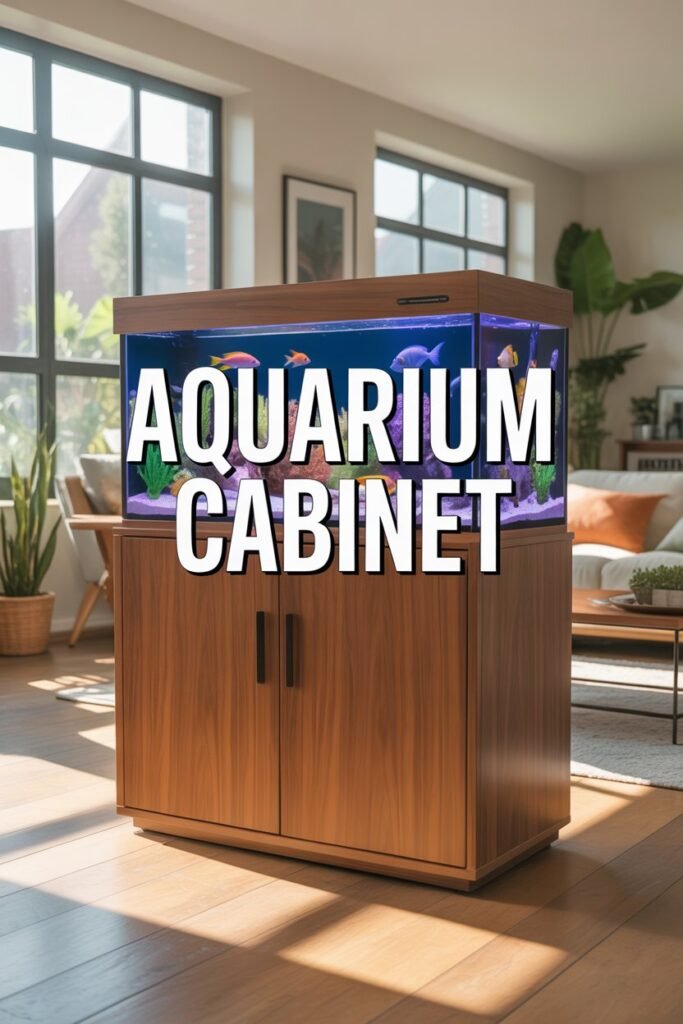
Aquarium cabinets come in various designs to suit different tank sizes, styles, and environments. Understanding these types helps you select the most suitable option.
Standard Aquarium Cabinet
Standard aquarium cabinets are designed to match common aquarium sizes. They offer a simple, functional design with internal storage shelves. These cabinets are popular for beginner and intermediate aquarists due to their affordability and ease of use.
Custom Aquarium Cabinet
Custom aquarium cabinets are built specifically for a particular tank size and room layout. They allow greater flexibility in materials, colors, and storage design. Custom cabinets are ideal for large aquariums or unique interior styles.
Wooden Aquarium Cabinet
Wooden aquarium cabinets are popular for their classic appearance and durability. They blend well with home furniture and are available in various finishes. High-quality wooden cabinets are treated to resist moisture and warping.
Metal Aquarium Cabinet
Metal aquarium cabinets are known for their strength and modern appearance. They are often used for large or professional setups. These cabinets provide excellent load-bearing capacity and long-term stability.
Open-Frame Aquarium Stand
Open-frame cabinets use a minimal structure, often made of metal, and do not include enclosed storage. They are popular in modern and industrial-style interiors but offer limited equipment concealment.
Built-In Aquarium Cabinet
Built-in aquarium cabinets are integrated into walls or custom furniture. They create a seamless look and are often used in luxury homes, offices, and public spaces.
Choosing the Right Aquarium Cabinet Size

Cabinet size must match the aquarium exactly. A cabinet that is too small can cause uneven weight distribution, while one that is too large may look unbalanced. The tank base should rest fully on the cabinet surface without overhanging edges.
Height is also important. The cabinet should place the aquarium at a comfortable viewing level while allowing easy access for maintenance.
Weight Capacity of Aquarium Cabinets
One of the most critical factors in choosing an aquarium cabinet is weight capacity. Water alone weighs a significant amount, and when combined with glass, substrate, rocks, and equipment, the total load increases rapidly.
A reliable aquarium cabinet is designed to handle more weight than the filled aquarium to ensure long-term safety.
Materials Used in Aquarium Cabinets
Aquarium cabinets are made from different materials, each with its own advantages.
Moisture-resistant wood is common for home aquariums due to its natural appearance. Metal frames offer maximum strength and durability. Engineered materials are often used in modern cabinets to balance cost and performance.
Regardless of material, water resistance and structural integrity are essential.
Storage Benefits of an Aquarium Cabinet
One of the main advantages of an aquarium cabinet is organized storage. Cabinets hide equipment such as filters, air pumps, heaters, and power strips, reducing clutter around the tank.
Proper storage also improves safety by keeping electrical components protected and out of sight.
Aquarium Cabinet Design and Aesthetics
An aquarium cabinet significantly impacts the visual appeal of an aquarium setup. A well-matched cabinet enhances the tank’s presence and integrates it into the room’s décor.
Modern cabinets offer sleek finishes, while traditional designs feature wood textures and classic colors. Choosing a cabinet that complements your interior style improves overall harmony.
Ventilation in Aquarium Cabinets
Ventilation is often overlooked but extremely important. Filters and pumps generate heat and moisture, which can accumulate inside enclosed cabinets. Proper ventilation prevents mold, odor, and equipment damage.
Many cabinets include ventilation openings or removable panels to improve airflow.
Aquarium Cabinet for Freshwater Tanks
Freshwater aquarium cabinets focus on balanced strength and moderate moisture resistance. Since freshwater setups generally use fewer electronic components than reef tanks, cabinet requirements are simpler but still essential.
Aquarium Cabinet for Saltwater and Reef Tanks

Saltwater aquariums require more advanced cabinets due to additional equipment such as sumps, reactors, and dosing systems. Cabinets for reef tanks must be highly moisture-resistant and spacious enough for complex setups.
Aquarium Cabinet Setup Tips
Before placing the aquarium, the cabinet should be leveled perfectly. Uneven surfaces can stress the aquarium glass and cause leaks. Adjustable feet or shims are often used to achieve balance.
Cabinet doors and shelves should be checked to ensure smooth operation before installing the tank.
Aquarium Cabinet Safety Considerations
Safety is a major reason to invest in a proper aquarium cabinet. Cabinets should be stable, tip-resistant, and placed on a solid floor. Electrical equipment should be organized neatly to prevent water contact.
Child and pet safety is also important. Cabinets with secure doors help prevent accidental access.
DIY Aquarium Cabinet vs Ready-Made Cabinets
Some aquarists choose to build their own aquarium cabinets. DIY cabinets allow customization but require woodworking skills and accurate load calculations. Poor construction can lead to serious risks.
Ready-made aquarium cabinets are professionally designed and tested, making them safer for most users.
Aquarium Cabinet Maintenance
Maintaining an aquarium cabinet involves keeping it clean, dry, and free from moisture buildup. Spilled water should be wiped immediately to prevent damage. Hinges and doors should be checked periodically.
Good maintenance extends the cabinet’s lifespan and keeps the setup looking professional.
Aquarium Cabinet Placement in the Home
Aquarium cabinets should be placed on strong flooring away from direct sunlight and heat sources. High-traffic areas should be avoided to reduce vibration and stress on the tank.
Proper placement improves both safety and enjoyment.
Aquarium Cabinet Comparison Table
| Cabinet Type | Strength Level | Best For |
|---|---|---|
| Wooden Cabinet | Medium to high | Home aquariums |
| Metal Cabinet | Very high | Large tanks |
| Custom Cabinet | Adjustable | Unique setups |
| Open-Frame Stand | High | Modern interiors |
| Built-In Cabinet | Very high | Luxury displays |
Aquarium Cabinet for Small Tanks
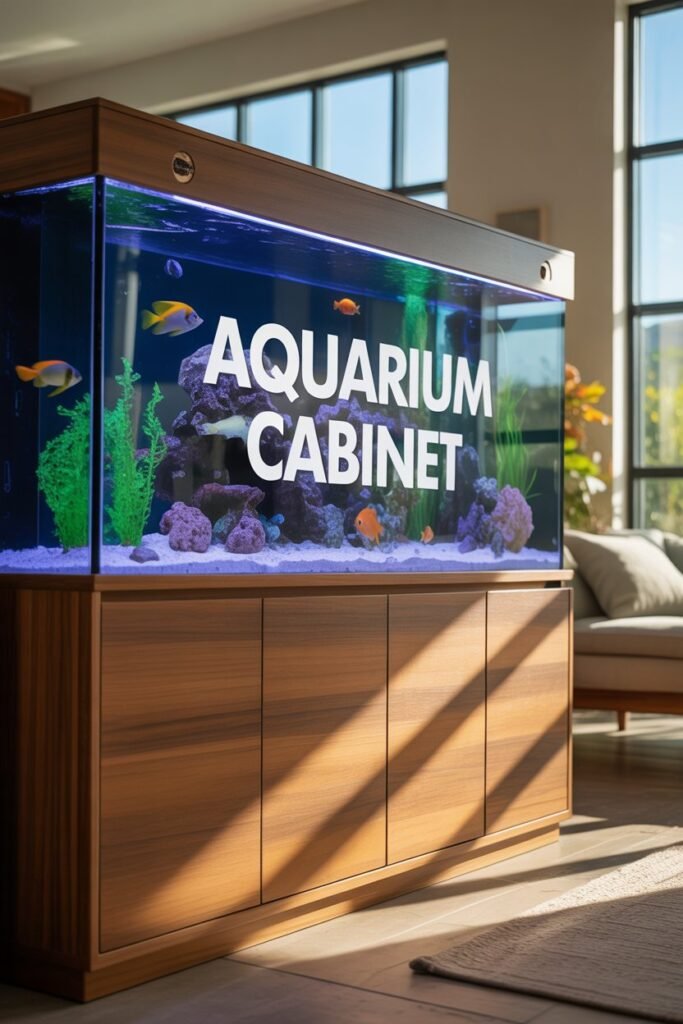
Small aquariums still benefit from proper cabinets. Compact cabinets provide stability and storage without taking up much space. Many mini aquarium cabinets are designed to blend seamlessly with furniture.
Aquarium Cabinet for Large Aquariums
Large aquariums demand heavy-duty cabinets with reinforced structures. These cabinets often include multiple compartments and strong frames to handle significant weight safely.
Cost of Aquarium Cabinets
Aquarium cabinet prices vary depending on size, material, and design. Basic cabinets are affordable, while custom or high-capacity cabinets cost more. Investing in a quality cabinet prevents future problems and protects expensive aquarium equipment.
Common Mistakes When Choosing an Aquarium Cabinet
Using regular furniture instead of an aquarium cabinet is a common mistake. Other errors include ignoring weight capacity, poor ventilation, and choosing cabinets that do not match tank dimensions.
Avoiding these mistakes ensures long-term success.
Aquarium Cabinet and Long-Term Aquarium Success
A reliable aquarium cabinet supports not only the tank but also the aquarist’s experience. Organized equipment, reduced noise, improved safety, and better aesthetics all contribute to a more enjoyable aquarium hobby.
Conclusion
An aquarium cabinet is an essential foundation for any successful aquarium setup. It provides strength, stability, storage, and style while protecting both the aquarium and the surrounding space. Choosing the right aquarium cabinet ensures safety, simplifies maintenance, and enhances the beauty of your aquarium. Whether you are setting up a small freshwater tank or a large display aquarium, investing in a proper aquarium cabinet is a decision that pays off for years to come.
Frequently Asked Questions About Aquarium Cabinets
Can I place an aquarium on regular furniture
Regular furniture is not designed to support aquarium weight and is not recommended.
How do I know if my aquarium cabinet is strong enough
The cabinet should be rated to hold more weight than the filled aquarium.
Do aquarium cabinets need ventilation
Yes, ventilation prevents moisture buildup and protects equipment.
Can I build my own aquarium cabinet
Yes, but it requires proper design, materials, and load calculations.
Should the aquarium cabinet match the tank size exactly
Yes, the tank base should fully rest on the cabinet surface.
Are aquarium cabinets waterproof
They are moisture-resistant but still require care to avoid water damage.
Can aquarium cabinets reduce noise
Yes, enclosed cabinets help reduce equipment noise.
Is an aquarium cabinet necessary for small tanks
Yes, even small tanks benefit from proper support and storage.