
 By weeebooo70@gmail.com
An aquarium filter is one of the most important pieces of equipment in a fish tank. Filters keep water clean by removing waste, debris, and harmful chemicals while supporting beneficial bacteria that break down toxic ammonia and nitrite. Without proper filtration, fish tanks quickly become unhealthy for aquatic life.
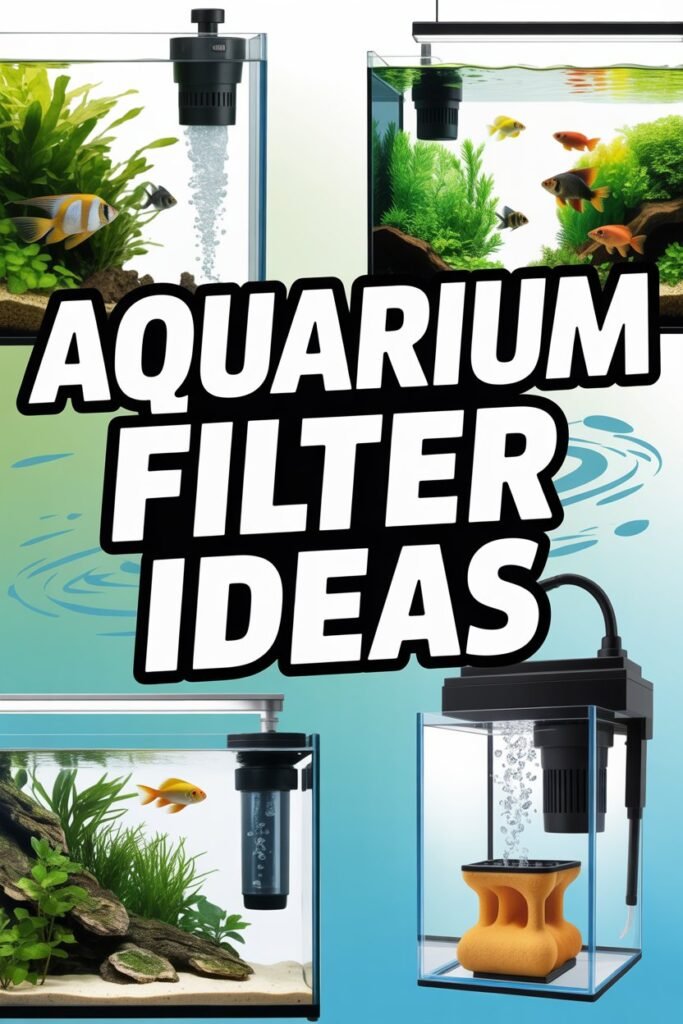
In this guide, you’ll discover different aquarium filter ideas, including standard filter types, creative setups, and simple DIY filtration designs.
Why Aquarium Filters Are Important
Fish constantly produce waste, and leftover food can decay in the tank. A filter helps maintain water quality by performing three types of filtration:
- Mechanical filtration – removes debris and particles from water
- Biological filtration – beneficial bacteria break down toxic ammonia
- Chemical filtration – removes impurities using media like activated carbon
Most modern aquarium filters combine these three processes to maintain a healthy ecosystem.
Sponge Filter
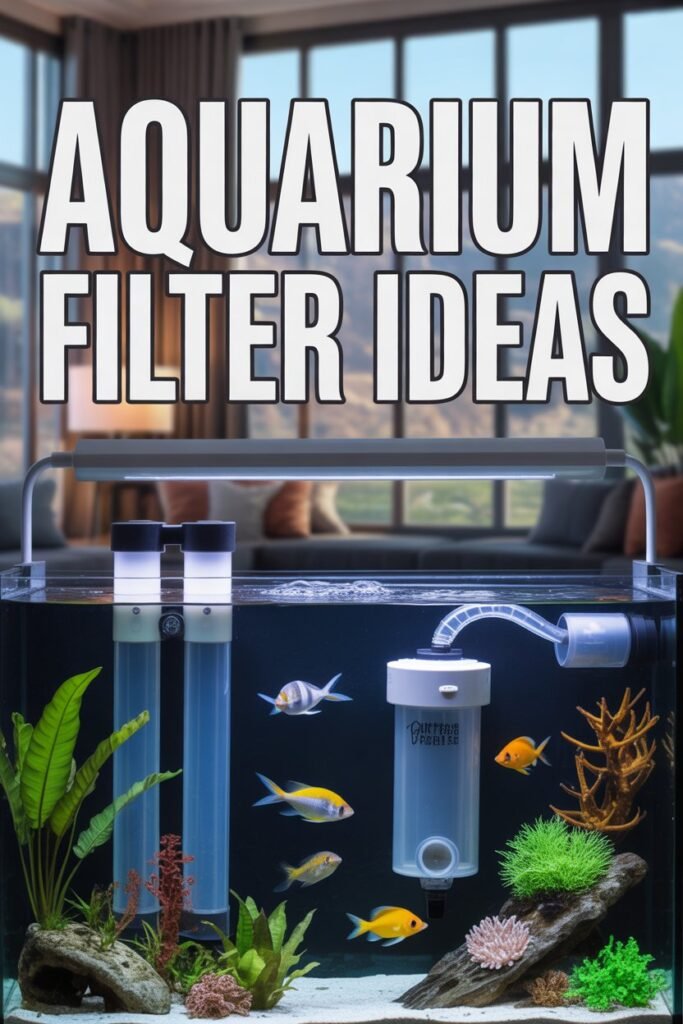
A sponge filter is one of the simplest and most reliable aquarium filtration systems.
It works using an air pump that pulls water through a sponge. The sponge traps debris while providing a large surface area for beneficial bacteria to grow.
Advantages
- Very affordable
- Safe for shrimp and baby fish
- Easy to maintain
- Excellent biological filtration
Best for
- Nano tanks
- Breeding tanks
- Betta aquariums
- Shrimp aquariums
Hang-On-Back (HOB) Filter
Hang-on-back filters attach to the back of the aquarium and pull water into a filter chamber before returning it to the tank.
They are very popular among beginners because they are easy to install and maintain. These filters usually provide mechanical, biological, and chemical filtration.
Advantages
- Easy setup
- Good water circulation
- Affordable for most tanks
Best for
- Small and medium aquariums
- Community fish tanks
Canister Filter
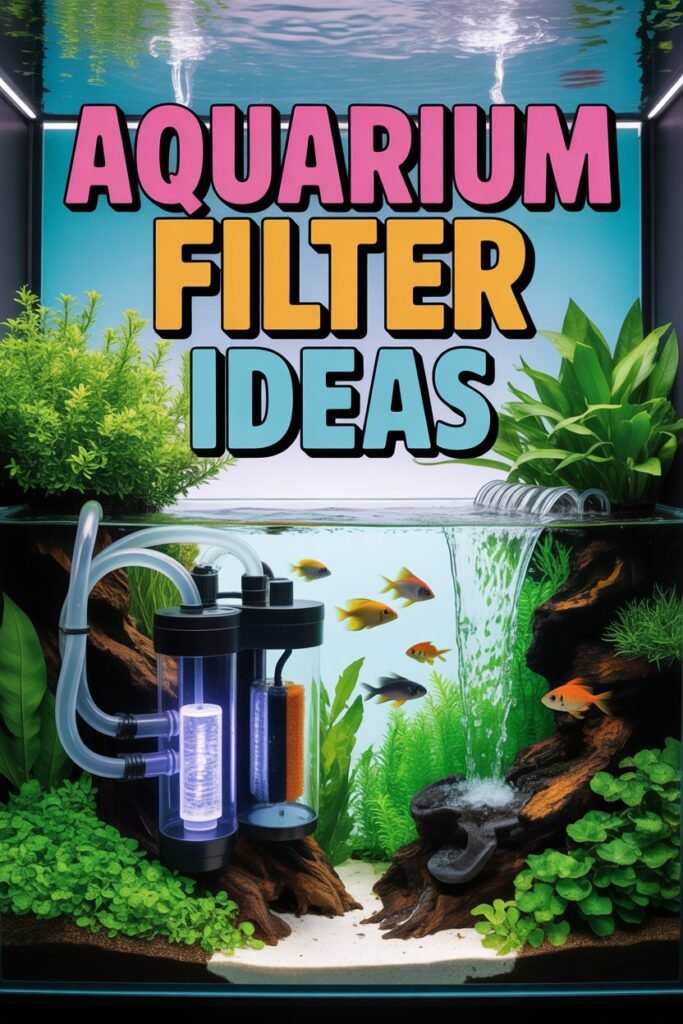
Canister filters are powerful external filters usually placed below the aquarium.
Water travels through tubes into a sealed container filled with different filter media layers. These filters are highly efficient and customizable for different filtration needs.
Advantages
- Very powerful filtration
- Large media capacity
- Quiet operation
Best for
- Large aquariums
- Heavily stocked tanks
- Advanced aquascapes
Undergravel Filter
Undergravel filters sit beneath the aquarium substrate and use air or water flow to pull water through the gravel.
The gravel acts as biological filter media where beneficial bacteria grow.
Advantages
- Hidden filtration system
- Low cost
- Large bacterial colony area
Limitations
- Difficult to clean
- Not ideal for planted tanks
DIY Bottle Filter
A plastic bottle filter is one of the easiest homemade filtration systems.
The bottle is filled with filter media such as sponge, cotton, or ceramic rings. Water is pumped through the bottle and returned to the aquarium.
DIY bottle filters are popular among hobbyists because they are inexpensive and customizable.
Corner Box Filter
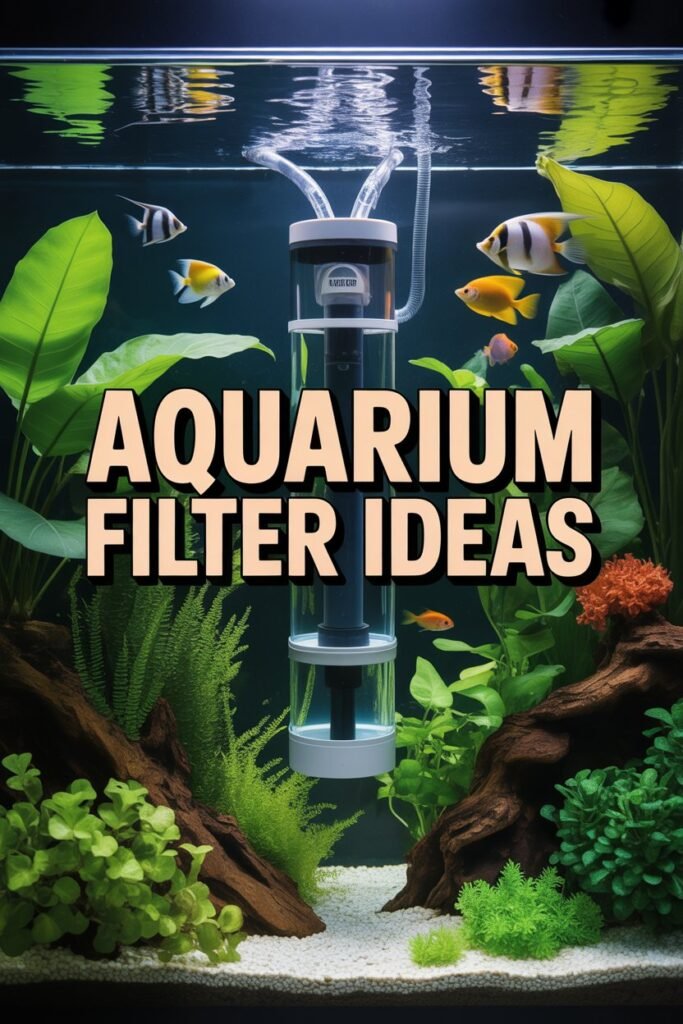
Corner box filters sit inside the tank and are powered by an air pump.
They contain layers of filter media such as floss, charcoal, or ceramic rings. Water flows through the box, filtering debris and supporting beneficial bacteria.
Advantages
- Compact design
- Easy to customize media
- Gentle water flow
Mini Canister DIY Filter
Some aquarium hobbyists build mini canister filters using plastic containers or jars.
These DIY filters work similarly to commercial canister filters, with water passing through multiple layers of media before returning to the tank.
They are great for people who enjoy building their own aquarium equipment.
Natural Plant Filtration Idea
A planted aquarium can act as a natural filtration system.
Aquatic plants absorb nitrates and nutrients from the water, helping keep the tank clean. While plants do not replace mechanical filters entirely, they significantly improve water quality.
Many aquarists combine plants with traditional filters for the best results.
Tips for Choosing the Right Aquarium Filter
When selecting a filter, consider:
- Tank size – larger tanks require stronger filtration
- Fish species – delicate fish need gentle flow
- Maintenance level – some filters require more cleaning
- Budget – DIY filters can reduce costs
Using the correct filter helps maintain stable water conditions and keeps fish healthy.
Frequently Asked Questions
Which aquarium filter is best for beginners?
Hang-on-back filters and sponge filters are usually the easiest for beginners.
Can a tank have more than one filter?
Yes, many aquarists use multiple filters for better water circulation and redundancy.
Do planted tanks still need filters?
Yes, although plants help filtration, most aquariums still benefit from mechanical filters.
How often should aquarium filters be cleaned?
Most filters should be cleaned every few weeks using tank water to protect beneficial bacteria.
Can I build my own aquarium filter?
Yes, DIY filters using bottles, containers, or pipes are common among hobbyists.
Final Thoughts
Aquarium filters are essential for maintaining healthy water conditions and keeping fish thriving. Whether you choose a simple sponge filter, a powerful canister filter, or a creative DIY system, proper filtration keeps your aquarium clean and balanced.