
 By weeebooo70@gmail.com
Aquarium illustration refers to artistic drawings or digital designs that visually represent fish tanks, underwater landscapes, aquatic plants, and marine life. These illustrations are widely used in blogs, educational content, social media graphics, children’s books, branding, and aquascaping inspiration boards. Whether you are a designer, aquarium hobbyist, or content creator, understanding aquarium illustration styles and techniques can help you create visually engaging and professional-looking visuals.
What Is an Aquarium Illustration?
An aquarium illustration is a visual artwork that captures the look and feel of an aquarium environment. Unlike real photography, illustrations allow more creativity, including stylized fish, imaginative aquascapes, or simplified educational diagrams.
Some illustrations focus on realism, showing detailed plants and fish anatomy, while others use cartoon or minimalistic styles for branding and digital content. Because aquariums naturally contain vibrant colors and flowing shapes, they are perfect subjects for artistic interpretation.
Popular Styles of Aquarium Illustration
Aquarium illustrations come in many artistic styles depending on their purpose and audience. Choosing the right style helps communicate the mood and message effectively.
Realistic illustration aims to replicate natural aquascapes with accurate lighting, shadows, and fish proportions. This style is common in educational materials and advanced aquascaping designs.
Cartoon or playful illustration simplifies shapes and colors, making it ideal for kids’ content, social media posts, or beginner guides. These designs often exaggerate fish features to create a friendly appearance.
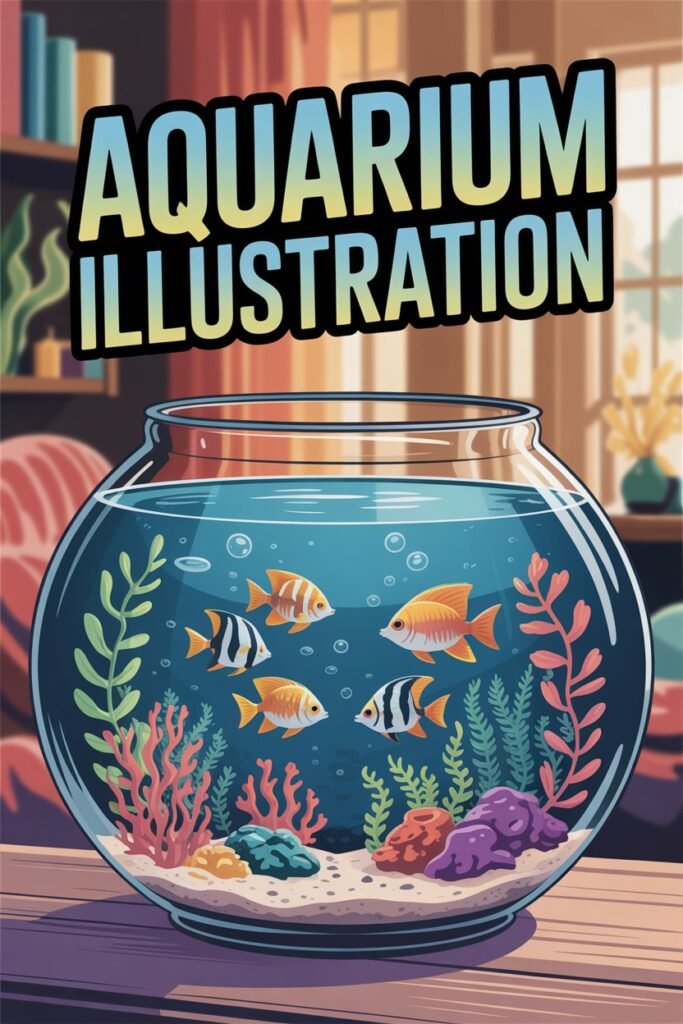
Line art and minimal illustration focus on outlines and simple compositions. This style works well for logos, icons, and modern website graphics because it keeps visuals clean and professional.
Digital painting combines artistic creativity with realistic textures, creating dramatic underwater scenes with depth and motion.
Why Aquarium Illustration Is Popular in Aquatic Content
Aquarium illustration has become increasingly popular because it allows creators to present ideas that may be difficult to capture through photography alone. Illustrations can show conceptual layouts, educational diagrams, or imaginative underwater scenes without needing a physical tank.
Content creators often use aquarium illustrations to explain tank setups, fish compatibility, or aquascaping layouts. Designers also use illustrated aquariums for Pinterest graphics, banners, and branding visuals because they attract attention quickly.
Another advantage is flexibility. Illustrations can match any color palette, theme, or brand identity.
Key Elements of a Good Aquarium Illustration
A strong aquarium illustration usually includes a balance of composition, color, and detail. Understanding these elements helps create visually appealing artwork.
Fish placement plays an important role in guiding the viewer’s eye across the scene. Plants and hardscape elements such as rocks or driftwood add structure and realism. Lighting effects help create depth, making the illustration feel more dynamic.
Water movement is another key feature. Flowing lines, bubbles, or subtle gradients can make the underwater environment feel alive even in a static image.
Tools Used for Creating Aquarium Illustrations
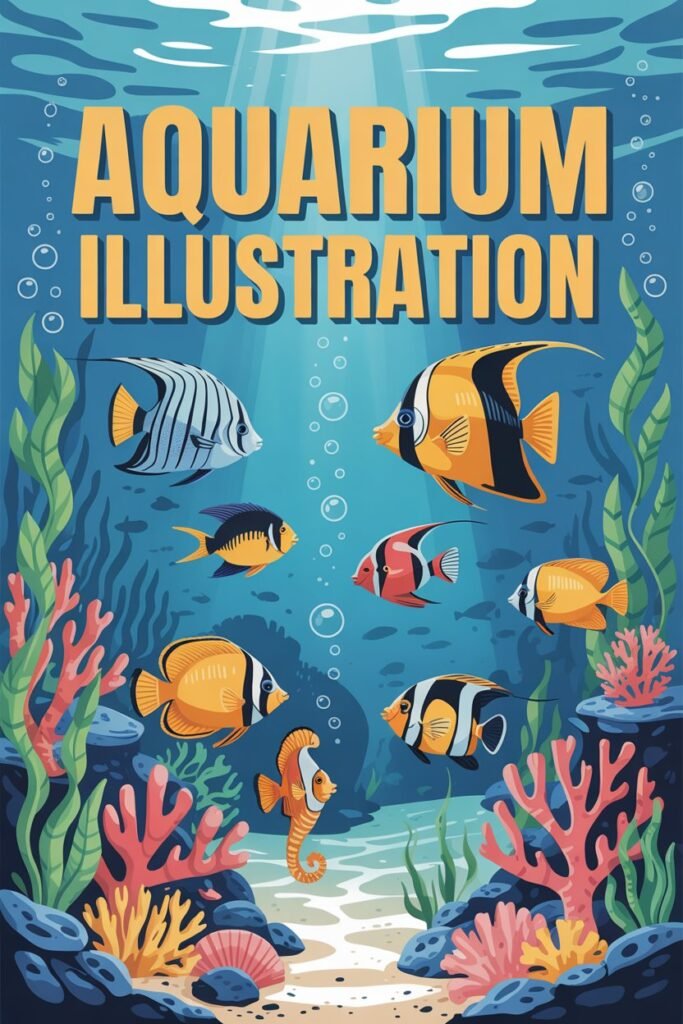
Artists use different tools depending on their workflow. Digital illustration software allows precise control over colors and textures, making it popular among modern designers.
Tablet drawing apps enable smooth brush strokes and layering effects, while vector-based tools are useful for clean line art and scalable graphics. Traditional sketching with pencils or ink is also common before converting the artwork into digital form.
Choosing the right tool depends on whether the goal is realism, branding, or educational design.
Aquarium Illustration Ideas for Beginners
If you are new to aquarium illustration, starting with simple concepts can help build confidence. A basic rectangular fish tank with a few plants and colorful fish is a great starting point.
Another idea is to create a top-view aquascape layout, which is helpful for planning real aquarium designs. Cartoon-style guppy tanks or betta fish bowls are also popular subjects for beginners because they allow creative freedom.
Focusing on color harmony and clean composition often produces more attractive results than adding too many details at once.
Using Aquarium Illustrations for SEO and Online Content
Aquarium illustrations are frequently used in blog posts, guides, and educational websites because they help explain complex topics visually. For example, an illustrated tank layout can show filter placement, plant zones, or fish swimming areas more clearly than text alone.
Content creators often design custom illustrations to maintain a unique visual identity. This not only improves engagement but also builds trust with readers who appreciate clear and informative visuals.
Illustrations designed for Pinterest or social platforms often use vertical layouts and bold colors to attract attention quickly.
Common Mistakes in Aquarium Illustration
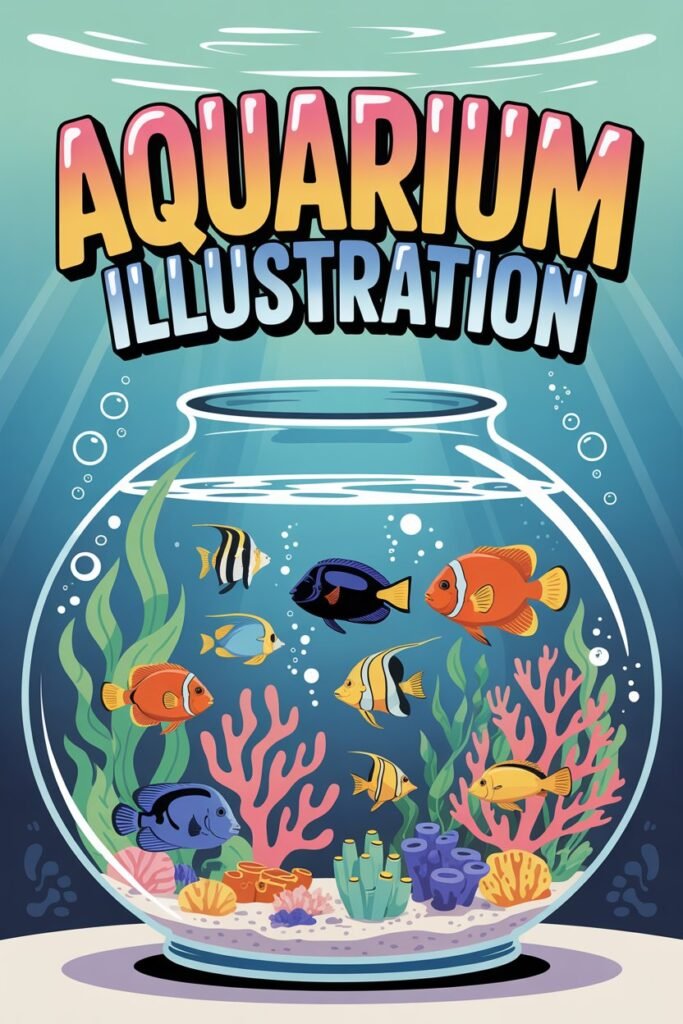
One common mistake is overcrowding the composition with too many fish or decorations. A balanced layout with negative space often looks more professional and easier to understand.
Ignoring realistic proportions can also reduce visual quality, especially when creating educational artwork. Even stylized illustrations benefit from basic anatomical accuracy.
Another issue is overusing bright colors without contrast. Adding darker background elements helps fish colors stand out and creates depth within the scene.
Advanced Tips for Professional Aquarium Illustrations
Professional artists often study real aquascapes to understand how plants grow and how fish interact with their environment. Observing real tanks improves realism and helps avoid unnatural compositions.
Using layered lighting effects can create the illusion of depth and underwater movement. Soft gradients and subtle reflections make digital illustrations feel more immersive.
Consistency in color palette is another advanced technique. Choosing a limited range of complementary colors creates harmony and prevents the artwork from looking chaotic.
Benefits of Aquarium Illustration for Hobbyists and Designers
Aquarium illustration combines creativity with education. Hobbyists can plan aquascapes before building real tanks, while designers can create eye-catching visuals for websites or social media.
Illustrations also allow experimentation without risk. You can test different layouts, plant arrangements, or fish combinations visually before making changes to an actual aquarium.
For content creators, illustrated aquariums offer a unique style that stands out from typical stock photography.
Frequently Asked Questions About Aquarium Illustration
What is the difference between aquarium illustration and aquarium photography?
Illustration is hand-drawn or digitally created artwork, while photography captures real aquariums using a camera.
Which style is best for aquarium illustrations?
It depends on the purpose. Realistic styles work well for education, while cartoon or minimal styles are better for branding and social media.
Can beginners create aquarium illustrations?
Yes, starting with simple shapes and basic fish designs helps build skills quickly.
What colors work best in aquarium illustration?
Natural blues, greens, and warm accent colors often create a balanced underwater look.
Are aquarium illustrations useful for aquascaping planning?
Yes, many hobbyists use illustrations to visualize layouts before building real aquariums.
Do aquarium illustrations need to be realistic?
Not necessarily. Stylized or cartoon designs can be just as effective depending on the project.
What tools are commonly used for digital aquarium illustration?
Drawing tablets and digital art software are popular because they allow flexible editing and layering.
Aquarium illustration blends art and aquatic creativity, offering endless possibilities for designers, hobbyists, and educators. By understanding composition, color balance, and different illustration styles, you can create stunning underwater visuals that capture the beauty and imagination of the aquarium world.