
 By weeebooo70@gmail.com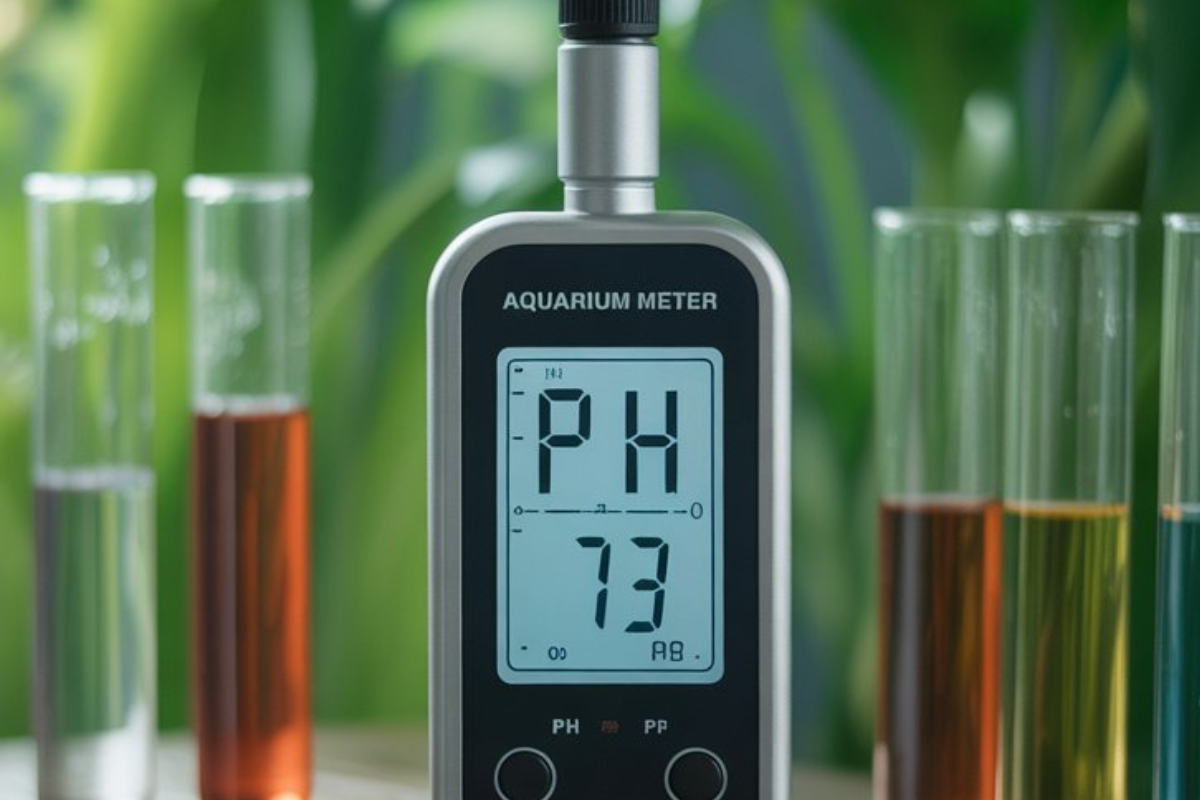
Maintaining a healthy aquarium is much more than just feeding your fish and keeping the tank clean. One of the most critical aspects of a thriving aquarium is water chemistry, and among all the water parameters, pH level plays a vital role. A stable and appropriate pH ensures that your fish, plants, and other aquatic life thrive in a stress-free environment. To measure and monitor this parameter accurately, aquarists use an aquarium pH meter.
In this comprehensive guide, we’ll dive deep into what an aquarium pH meter is, why it is essential, how to choose the right one, and how to use and maintain it effectively. Whether you’re a beginner or an experienced aquarist, this article will give you everything you need to know about keeping your aquarium’s pH stable and your aquatic life healthy.
What is an Aquarium pH Meter?
An aquarium pH meter is a device designed to measure the pH level (potential of hydrogen) in aquarium water. pH is a scale that ranges from 0 to 14, where:
- 0–6.9 = Acidic water
- 7.0 = Neutral water
- 7.1–14 = Alkaline water
Fish and aquatic plants thrive within specific pH ranges. For example, most tropical freshwater fish prefer slightly acidic to neutral pH (6.5–7.5), while African cichlids thrive in alkaline waters (7.8–8.5).
Unlike test strips or liquid test kits, a digital aquarium pH meter provides accurate, real-time readings, making it a reliable choice for aquarists who want precise monitoring.
Why is pH Important in Aquariums?
The pH level in your aquarium influences the health and survival of fish, plants, and beneficial bacteria. Even small fluctuations can cause stress and lead to disease or death.
1. Fish Health and Survival
Each species of fish has a natural habitat with a preferred pH range. If the water pH is too far outside this range, fish may experience stress, weakened immunity, and reduced lifespan.
2. Plant Growth
Live aquarium plants also require specific pH levels for optimal growth. For instance, most aquatic plants thrive in slightly acidic to neutral pH.
3. Biological Filtration
Beneficial bacteria that process fish waste and maintain the nitrogen cycle work best within a stable pH range. Extreme pH swings can disrupt this cycle, leading to ammonia or nitrite spikes.
4. Prevention of Stress and Disease
pH fluctuations are one of the most common causes of fish stress, making them vulnerable to diseases like ich and fin rot.
Monitoring pH with an aquarium pH meter ensures that changes are detected early, allowing corrective action before problems occur.
Types of Aquarium pH Meters
There are different kinds of pH meters available for aquariums, and choosing the right one depends on your budget and needs.
1. Digital Handheld pH Meters
- Portable and affordable.
- Easy to use with a simple probe dipped into the water.
- Require calibration for accuracy.
- Suitable for beginners and intermediate aquarists.
2. Pen-Style pH Meters
- Compact and lightweight.
- Resemble a pen, making them easy to carry and use.
- Ideal for hobbyists who test multiple tanks.
3. Continuous pH Monitors
- Provide real-time monitoring by staying inside the aquarium.
- Perfect for sensitive setups like reef tanks.
- Often come with alarms for sudden changes.
- Slightly more expensive but very reliable.
4. pH Controller Systems
- Advanced systems that not only measure but also adjust pH automatically.
- Common in aquariums with CO₂ injection systems (planted tanks or reef tanks).
- Expensive but ideal for professional aquarists.
How to Use an Aquarium pH Meter
Using an aquarium pH meter correctly ensures accuracy and reliability.
Step 1: Calibrate the Meter
- Use calibration solutions (buffer solutions) such as pH 4.0, 7.0, and 10.0.
- Follow the manufacturer’s instructions for calibration.
Step 2: Rinse the Electrode
- Always rinse the probe with distilled water before and after use to prevent contamination.
Step 3: Insert into Aquarium Water
- Dip the probe into the aquarium water.
- Wait for the reading to stabilize before recording.
Step 4: Record and Monitor Trends
- Keep a logbook of pH readings.
- Monitor fluctuations to spot potential issues early.
Factors That Affect Aquarium pH
Several factors can influence your aquarium’s pH:
- Tap Water Source – Different areas have different water chemistries.
- Substrates – Gravel, sand, and rocks can raise or lower pH depending on composition.
- Driftwood and Leaves – Release tannins that lower pH.
- Chemical Additives – pH buffers and conditioners can alter pH.
- CO₂ Levels – Higher CO₂ lowers pH, common in planted tanks.
- Biological Activity – Fish waste and decaying matter can lower pH over time.
How to Stabilize Aquarium pH
While an aquarium pH meter helps you detect changes, stabilization is equally important.
- For Low pH (Too Acidic):
- Add crushed coral, limestone, or commercial pH increasers.
- Perform regular water changes.
- For High pH (Too Alkaline):
- Use driftwood, peat moss, or pH-lowering chemicals.
- Increase CO₂ injection in planted tanks.
- General Tips:
- Avoid sudden changes; adjust gradually.
- Match pH to the natural habitat of your fish.
- Test and monitor regularly with your pH meter.
Maintenance of Aquarium pH Meters
To ensure long-lasting and accurate performance, proper maintenance is essential:
- Store the Probe Properly: Never let the probe dry out. Use storage solution.
- Calibrate Regularly: Depending on usage, calibrate at least once every 1–2 weeks.
- Clean the Electrode: Use electrode cleaning solution to prevent buildup.
- Replace When Necessary: Probes have a lifespan of 1–2 years and may need replacement.
Best Practices for Using an Aquarium pH Meter
- Always rinse before and after use.
- Never use tap water for rinsing (use distilled or RO water).
- Keep the meter out of direct sunlight and heat.
- Do not store in aquarium water long-term unless it’s a continuous monitor.
Advantages of Using an Aquarium pH Meter
- Accuracy – Far more precise than test strips.
- Real-Time Monitoring – Some models provide constant data.
- Ease of Use – Simple and quick testing process.
- Long-Term Investment – Reusable and reliable compared to disposable kits.
Common Mistakes to Avoid
- Not calibrating regularly – Leads to inaccurate readings.
- Allowing probe to dry – Reduces lifespan.
- Using wrong calibration solution – Always use fresh buffer solutions.
- Ignoring water changes – Monitoring pH doesn’t replace proper aquarium maintenance.
Conclusion
An aquarium pH meter is an indispensable tool for both beginners and advanced aquarists. It provides accurate, reliable readings of one of the most critical water parameters—pH—helping ensure a safe and stable environment for fish, plants, and beneficial bacteria. By investing in a quality pH meter, calibrating it regularly, and using it properly, you can prevent harmful pH fluctuations and create a thriving aquatic ecosystem.
Whether you’re keeping a freshwater community tank, a planted aquascape, or a delicate reef aquarium, maintaining proper pH is essential—and a pH meter makes that job easier and more precise than ever.
FAQs About Aquarium pH Meters
Q1. What is the ideal pH for most aquariums?
Most freshwater aquariums thrive between 6.5 and 7.5, while reef tanks usually prefer 8.0–8.4.
Q2. Are pH test strips better than digital pH meters?
pH meters are generally more accurate and reliable, while test strips are cheaper but less precise.
Q3. How often should I test my aquarium’s pH?
At least once or twice a week, or daily for sensitive setups like reef tanks.
Q4. Can I leave a pH meter in the tank all the time?
Only continuous pH monitors are designed for permanent use inside aquariums. Handheld meters should be used temporarily.
Q5. How long do aquarium pH meter probes last?
On average, 1–2 years with proper care and storage.
Q6. Do I need to calibrate my pH meter every time?
Not every time, but regular calibration (weekly or bi-weekly) ensures accuracy.
Q7. What affects aquarium pH the most?
Substrate, water source, biological activity, and added chemicals are major influencers.
Q8. Can an aquarium pH meter be used for both freshwater and saltwater tanks?
Yes, most pH meters work for both, but calibration and maintenance are crucial.