
 By admin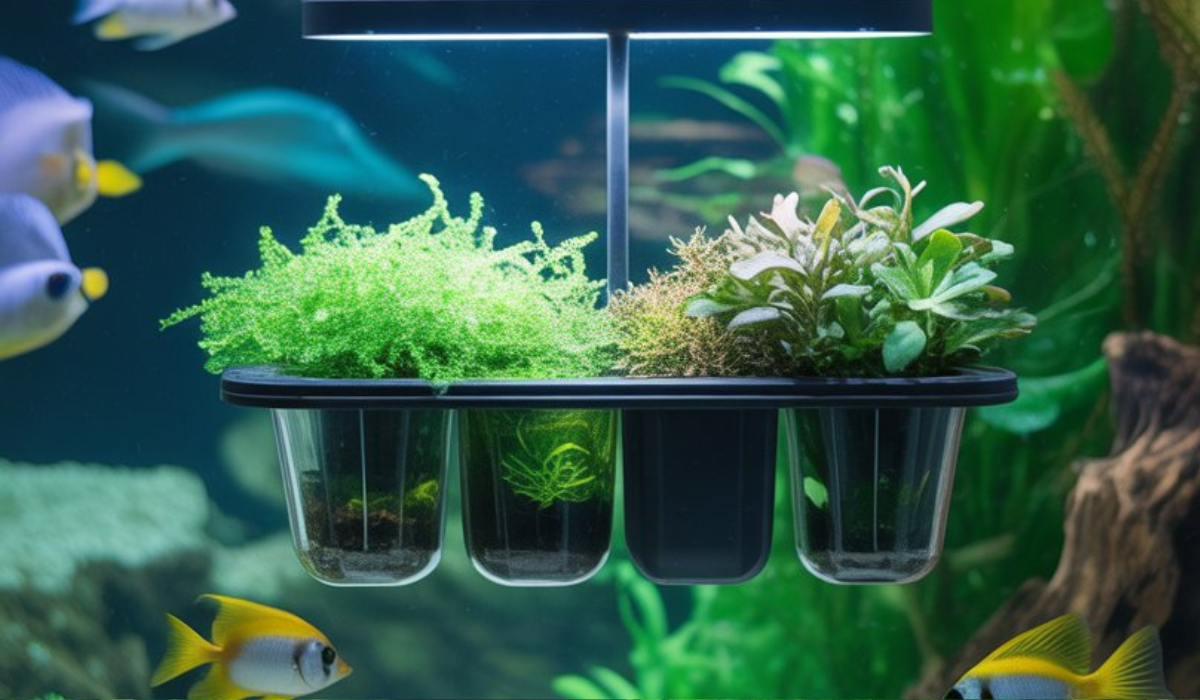
An aquarium plant holder is a practical and stylish solution for keeping aquatic plants secure, organized, and visually appealing. Whether you’re working with floating plants, stem plants, or rhizome species, a plant holder helps maintain a clean aquascape and improves plant health.
This guide covers types, benefits, setup tips, and how to choose the right plant holder for your aquarium.
What is an Aquarium Plant Holder?
An aquarium plant holder is a device or structure used to hold plants in place inside a fish tank. It can be attached to the glass, placed in the substrate, or float on the surface.
Plant holders are especially useful for plants that don’t stay rooted easily or need specific placement.
Why Use a Plant Holder?
Plant holders offer several advantages.
They prevent plants from floating away, keep roots stable, and allow better control over layout design. They also improve water circulation around plants and make maintenance easier.
They are ideal for keeping a neat and professional-looking aquarium.
Types of Aquarium Plant Holders
Suction Cup Plant Holder
- Attaches to aquarium glass
- Adjustable height
- Easy to install and remove
👉 Great for mid-level placement
Mesh or Net Pots
- Holds substrate and roots
- Keeps plants contained
- Suitable for stem plants
👉 Common in planted tanks
Floating Plant Rings
- Keeps floating plants in one area
- Prevents overcrowding
- Maintains light access
👉 Ideal for surface plants
Magnetic Plant Holders
- Attach using magnets
- Adjustable position
- Clean and modern look
Clip or Basket Holders
- Small containers for plants
- Easy to reposition
- Good for beginners
Best Plants for Holders
Certain plants benefit more from holders.
- Anubias
- Java Fern
- Java Moss
- Bucephalandra
These plants don’t require deep substrate planting and attach easily to holders.
How to Use an Aquarium Plant Holder
Start by selecting the right holder for your plant type.
Place the plant gently inside or attach it using thread or clips.
Position the holder in the tank where the plant receives proper light.
Ensure the plant is not tightly compressed to avoid damage.
Placement Tips
Place holders where plants get enough light but not excessive exposure.
Avoid blocking water flow or filter output.
Use different heights to create depth in your aquascape.
Keep spacing balanced for a natural look.
Benefits for Aquascaping
Plant holders help create structured layouts.
They allow you to experiment with placement without disturbing substrate.
They also make it easier to maintain symmetry and design balance.
Maintenance Tips
Clean holders regularly to prevent algae buildup.
Check plant roots and trim if necessary.
Reposition holders as plants grow.
Ensure holders remain secure and stable.
Common Mistakes to Avoid
- Using unsafe materials
- Overcrowding plants
- Blocking light or flow
- Attaching plants too tightly
Avoiding these mistakes ensures healthy plant growth.
DIY vs Store-Bought Holders
DIY holders are affordable and customizable.
Store-bought holders are more durable and convenient.
Choose based on your budget and needs.
Why Aquarium Plant Holders Are Popular
Plant holders are popular because they simplify plant care and improve aquarium design. They are especially useful in modern aquascaping and planted tanks.
They help both beginners and experts achieve better results.
Final Thoughts
An aquarium plant holder is a small addition that makes a big difference. It keeps your plants organized, healthy, and visually appealing.
Choose the right type, place it properly, and maintain it regularly for the best results.
FAQs
Do I need a plant holder?
Not always, but it helps with plant control.
Are plant holders safe for fish?
Yes, if made from aquarium-safe materials.
Can beginners use them?
Yes, they are easy to use.
Which plants work best?
Anubias and Java Fern are great choices.
How often should I clean holders?
During regular tank maintenance.