
 By weeebooo70@gmail.com
Aquarium tubing is one of the most essential yet often overlooked components of an aquarium system. From filtration and aeration to water changes and dosing, aquarium tubing plays a critical role in maintaining a healthy, efficient, and stable aquatic environment. Choosing the right tubing and using it correctly can significantly improve aquarium performance and reduce maintenance issues.
This detailed guide explains everything you need to know about aquarium tubing, including types, materials, sizes, uses, maintenance, and common mistakes.
What Is Aquarium Tubing
Aquarium tubing is flexible piping designed to transport air, water, or liquids within an aquarium system. It connects equipment such as air pumps, filters, protein skimmers, and dosing systems to the aquarium.
Tubing ensures controlled movement of air and water, helping maintain oxygen levels, filtration efficiency, and overall tank health.
Why Aquarium Tubing Is Important
Without proper tubing, aquarium equipment cannot function effectively. Tubing allows air stones to release oxygen, filters to circulate water, and siphons to remove waste during water changes.
High-quality aquarium tubing ensures consistent flow, prevents leaks, and supports long-term system reliability.
Common Uses of Aquarium Tubing
Aquarium tubing is used for air pumps, sponge filters, hang-on-back filters, canister filters, water changes, and liquid dosing.
It is also essential for drip acclimation, breeding setups, and temporary quarantine tanks.
Types of Aquarium Tubing

Different aquarium setups require different tubing types based on function, pressure, and compatibility.
Airline Tubing
Airline tubing is the most common type of aquarium tubing. It is used to carry air from air pumps to air stones, sponge filters, and decorations.
This tubing is usually thin, flexible, and transparent, making it easy to route and conceal.
Water Tubing
Water tubing is thicker and designed to handle water flow rather than air. It is commonly used with canister filters, sumps, and water pumps.
Water tubing must be strong enough to handle pressure without collapsing or leaking.
Silicone Aquarium Tubing
Silicone tubing is flexible, durable, and resistant to cracking over time. It remains soft even after long-term use.
This type of tubing is ideal for setups requiring frequent adjustments or tight bends.
PVC Aquarium Tubing
PVC tubing is rigid and used mainly in larger aquariums and sump systems. It provides strong, permanent connections.
PVC is ideal for high-flow systems but lacks flexibility compared to silicone or vinyl tubing.
Vinyl Aquarium Tubing
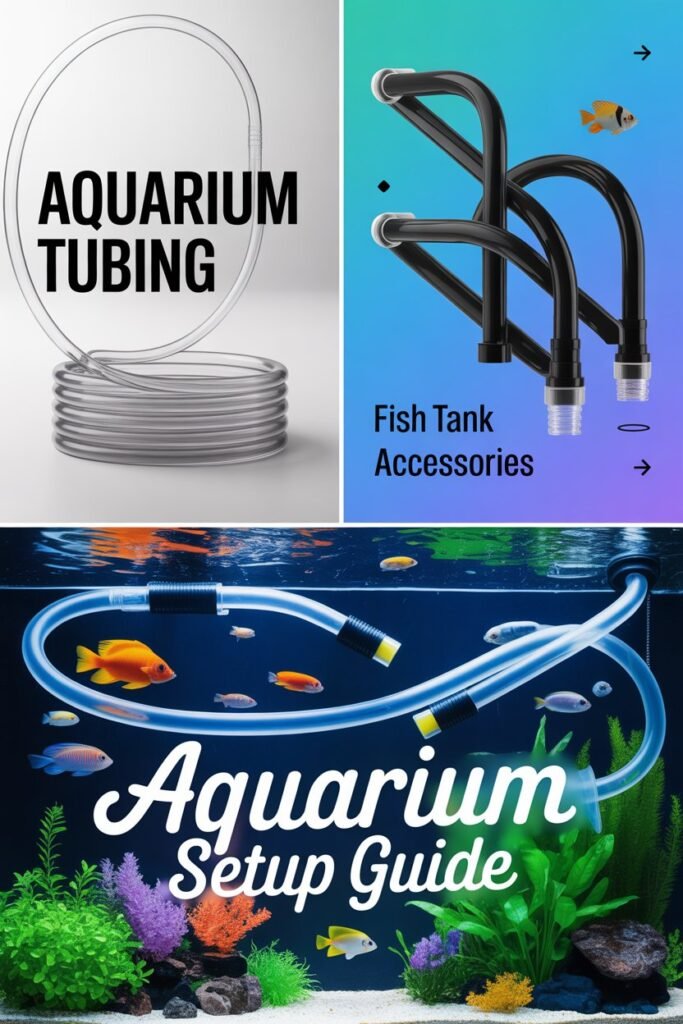
Vinyl tubing is affordable and commonly used for both air and water applications. It is slightly stiffer than silicone tubing.
With proper care, vinyl tubing performs well in most standard aquarium setups.
Aquarium Tubing Sizes Explained
Aquarium tubing comes in various sizes measured by inner diameter. Choosing the correct size ensures proper fit and flow.
Incorrect sizing can lead to leaks, reduced performance, or equipment damage.
How to Choose the Right Aquarium Tubing
The right tubing depends on the equipment, tank size, and purpose. Air pumps require standard airline tubing, while filters need tubing rated for water pressure.
Always match tubing size to equipment specifications.
Aquarium Tubing for Air Pumps
Air pumps require flexible airline tubing that maintains airflow without kinks.
Check valves should be installed to prevent water backflow into the pump.
Aquarium Tubing for Filters
Filters require tubing that fits securely and handles continuous water movement.
Regular inspection prevents leaks and blockages.
Aquarium Tubing for Water Changes
Tubing used for siphoning should be long, clear, and flexible.
Clear tubing allows you to monitor debris removal during water changes.
Aquarium Tubing for Dosing Systems
Dosing systems require precise tubing that delivers controlled amounts of liquid.
Silicone tubing is often preferred for accuracy and durability.
Aquarium Tubing Installation Tips
Cut tubing cleanly for tight connections. Avoid sharp bends that restrict flow.
Secure tubing away from heaters or sharp edges to prevent damage.
Maintaining Aquarium Tubing
Regular inspection helps identify algae buildup, discoloration, or cracks.
Tubing should be cleaned or replaced when flow decreases or material becomes stiff.
Cleaning Aquarium Tubing
Tubing can be cleaned using aquarium-safe brushes and tank water.
Avoid harsh chemicals that may leave residue harmful to aquatic life.
When to Replace Aquarium Tubing
Tubing should be replaced if it becomes brittle, discolored, or clogged.
Old tubing can leak or reduce equipment efficiency.
Common Aquarium Tubing Problems
Kinks restrict airflow and water movement. Algae buildup can block clear tubing.
Loose connections may cause leaks or air loss.
Aquarium Tubing Safety Tips
Always use tubing designed for aquarium use. Non-aquarium tubing may release harmful chemicals.
Ensure tubing is properly secured to avoid accidental disconnection.
Aquarium Tubing Compatibility
Mixing incompatible tubing and equipment sizes can cause operational issues.
Adapters may be used but should fit securely.
Aquarium Tubing Comparison Table
| Tubing Type | Best Use | Key Benefit |
|---|---|---|
| Airline tubing | Air pumps | Lightweight and flexible |
| Silicone tubing | Air and water | Long-lasting flexibility |
| Vinyl tubing | General use | Affordable and versatile |
| Water tubing | Filters and pumps | Pressure-resistant |
| PVC tubing | Large systems | Strong and durable |
Aquarium Tubing for Beginners
Beginners should start with standard airline tubing and basic water tubing.
Simple setups reduce the risk of leaks and maintenance problems.
Aquarium Tubing for Advanced Setups
Advanced aquariums may use multiple tubing types for filtration, dosing, and automation.
Proper labeling helps manage complex systems.
Long-Term Benefits of Proper Aquarium Tubing
Good tubing improves equipment efficiency, reduces maintenance, and prevents failures.
Reliable tubing contributes to stable water conditions and healthier fish.
Frequently Asked Questions About Aquarium Tubing
What size aquarium tubing should I use?
Use the size recommended by your equipment manufacturer.
How often should aquarium tubing be replaced?
Replace tubing when it becomes stiff, cracked, or clogged.
Can aquarium tubing affect water quality?
Safe aquarium tubing does not affect water quality when properly maintained.
Is silicone tubing better than vinyl?
Silicone tubing lasts longer and stays flexible, but vinyl is more affordable.
Can algae grow inside aquarium tubing?
Yes, especially in clear tubing exposed to light.
Do I need check valves with aquarium tubing?
Check valves are recommended for air pump tubing to prevent backflow.
Can aquarium tubing leak?
Leaks occur if tubing is damaged, loose, or incorrectly sized.