
 By weeebooo70@gmail.com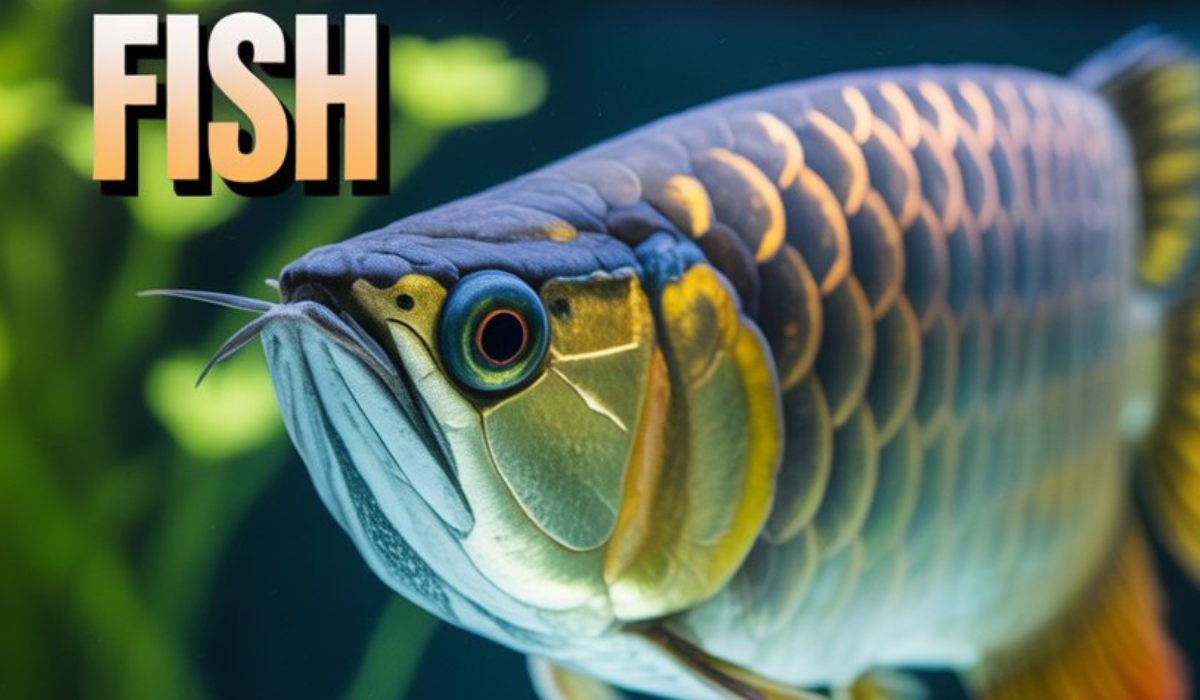
Arowana fish are among the most prestigious and admired freshwater aquarium fish in the world. Known for their sleek body, metallic scales, and graceful swimming style, Arowana fish are often associated with strength, luck, and prosperity. Their commanding presence and intelligent behavior make them a centerpiece species that demands attention, space, and commitment.
This detailed guide covers everything you need to know about Arowana fish, including their types, habitat needs, feeding habits, tank setup, behavior, and long-term care.
What Is an Arowana Fish
Arowana fish are large freshwater fish belonging to the family Osteoglossidae. They are ancient fish species that have existed for millions of years and are sometimes referred to as “dragon fish” due to their appearance and movement.
They are native to South America, Asia, Australia, and Africa, depending on the species.
Physical Characteristics of Arowana Fish
Arowana fish have long, streamlined bodies with large metallic scales that reflect light beautifully. Their upward-facing mouths and barbels near the jaw give them a distinctive dragon-like appearance.
They are surface-dwelling fish and prefer swimming near the top of the aquarium.
Popular Types of Arowana Fish
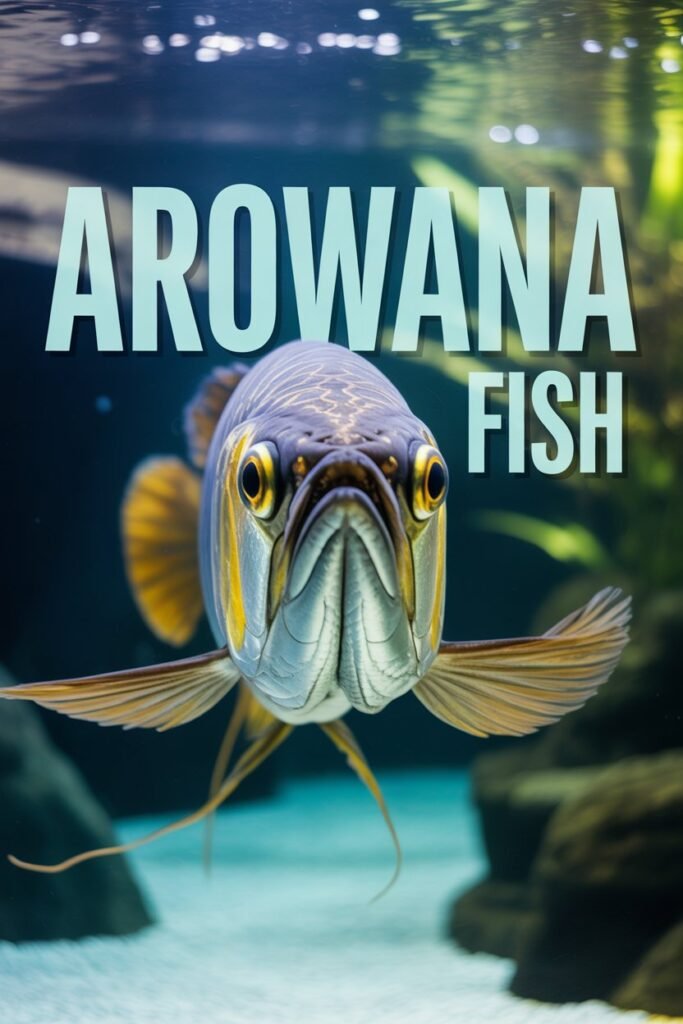
There are several species of Arowana fish, each with unique coloration and care requirements.
Silver Arowana
Silver Arowana are the most common and affordable type. They have large silver scales and grow very large.
Asian Arowana
Asian Arowana are highly valued and come in colors such as red, gold, and green. They are known for their symbolism and rarity.
Black Arowana
Black Arowana juveniles are dark in color and gradually lighten as they mature.
Jardini Arowana
Jardini Arowana originate from Australia and have pearl-like spots on their scales.
African Arowana
African Arowana have a more robust body and slightly different swimming behavior.
Natural Habitat of Arowana Fish
In the wild, Arowana fish inhabit slow-moving rivers, floodplains, and swamps. They are powerful jumpers and often leap from the water to catch insects and small animals.
This behavior explains their strong jumping instinct in aquariums.
Ideal Tank Size for Arowana Fish
Arowana fish require very large aquariums due to their size and swimming needs. A long and wide tank is more important than depth.
Small tanks can cause stress, deformities, and aggression.
Aquarium Setup for Arowana Fish
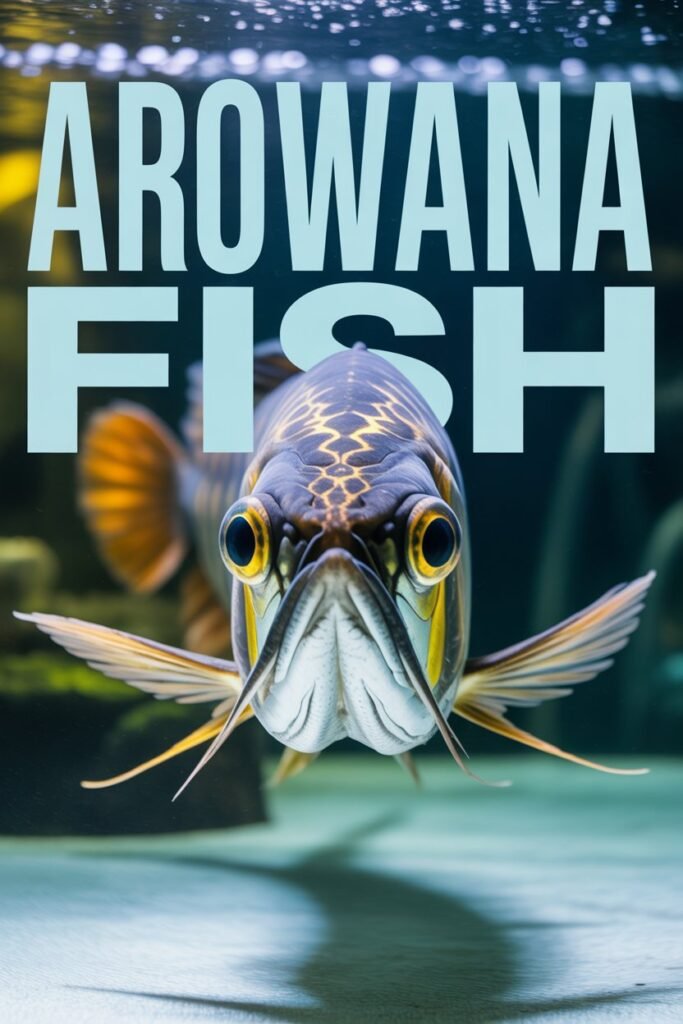
An Arowana tank should have a secure lid to prevent jumping. Minimal decorations are recommended to allow free swimming space.
Smooth driftwood and sturdy décor work best if decorations are added.
Water Parameters for Arowana Fish
Stable water conditions are critical for Arowana health. Clean, well-filtered water supports their immune system and growth.
Regular water changes are essential due to their size and waste production.
Filtration and Water Flow
Arowana fish produce a large amount of waste, so powerful filtration is required. Moderate water flow is ideal to mimic their natural environment.
Efficient filtration helps maintain water clarity.
Diet and Feeding Habits
Arowana fish are carnivorous and require a high-protein diet. They naturally feed on insects, small fish, and crustaceans.
In captivity, they can be trained to eat prepared foods, but dietary variety is important.
Feeding Schedule and Techniques
Young Arowana should be fed more frequently than adults. Overfeeding should be avoided to prevent health issues.
Surface feeding suits their natural behavior.
Intelligence and Behavior
Arowana fish are highly intelligent and alert. They recognize their owners and respond to movement outside the tank.
They are strong swimmers and require stimulation to prevent boredom.
Temperament and Aggression
Arowana fish can be territorial, especially toward similar-shaped fish. Aggression varies by species and individual temperament.
They are best kept alone or with carefully selected tank mates.
Compatibility with Other Fish
Tank mates must be large, robust, and fast enough to avoid predation. Compatibility planning is essential.
Small fish are often viewed as food.
Table: Arowana Fish Overview
| Feature | Description |
|---|---|
| Size | Very large |
| Diet | Carnivorous |
| Temperament | Territorial |
| Tank Size | Extra large |
| Skill Level | Advanced |
Common Mistakes When Keeping Arowana Fish
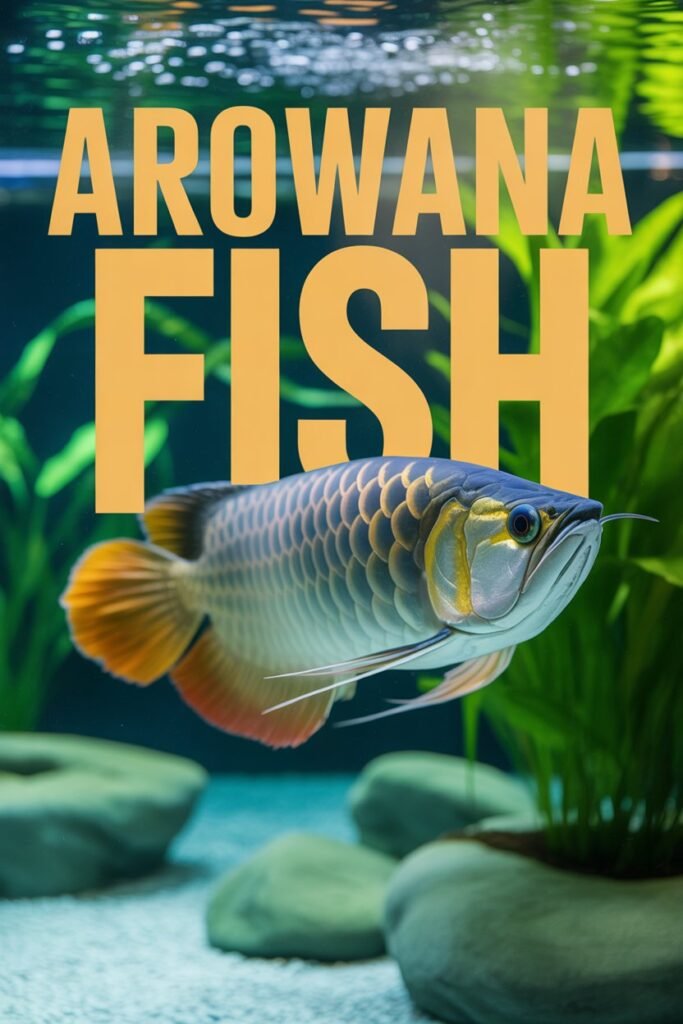
Keeping Arowana in undersized tanks is a major mistake. Poor water quality and improper diet also cause serious health issues.
Lack of a secure lid often leads to injury.
Health Issues in Arowana Fish
Arowana fish can suffer from stress-related illnesses if conditions are poor. Signs include loss of appetite and abnormal swimming.
Consistent care helps prevent most issues.
Growth Rate and Lifespan
Arowana fish grow rapidly, especially during early stages. With proper care, they can live for many years.
Long-term commitment is required.
Are Arowana Fish Suitable for Beginners
Arowana fish are not recommended for beginners due to their size, cost, and care requirements. They are better suited for experienced aquarists.
Preparation and space are essential.
Long-Term Care Tips
Maintain excellent water quality, provide a varied diet, and observe behavior regularly. Avoid sudden environmental changes.
A calm, spacious environment promotes health.
Cultural Significance of Arowana Fish
Arowana fish are often associated with prosperity, strength, and good fortune, especially in Asian cultures. This symbolism adds to their popularity and value.
Proper care reflects respect for this iconic fish.
Final Thoughts on Arowana Fish
Arowana fish are powerful, elegant, and intelligent aquarium fish that command respect. They require space, dedication, and experience but reward their keepers with unmatched beauty and presence.
For aquarists ready for the responsibility, Arowana fish are a truly extraordinary choice.
Frequently Asked Questions
How big do Arowana fish get?
They grow very large in home aquariums.
Do Arowana fish jump?
Yes, they are strong jumpers and need a secure lid.
Are Arowana fish aggressive?
They can be territorial, especially with similar fish.
Can Arowana fish live with other fish?
Only with carefully selected large tank mates.
What do Arowana fish eat?
They eat a high-protein carnivorous diet.
Are Arowana fish hard to care for?
They require advanced care and space.
How long do Arowana fish live?
They can live many years with proper care.