
 By weeebooo70@gmail.com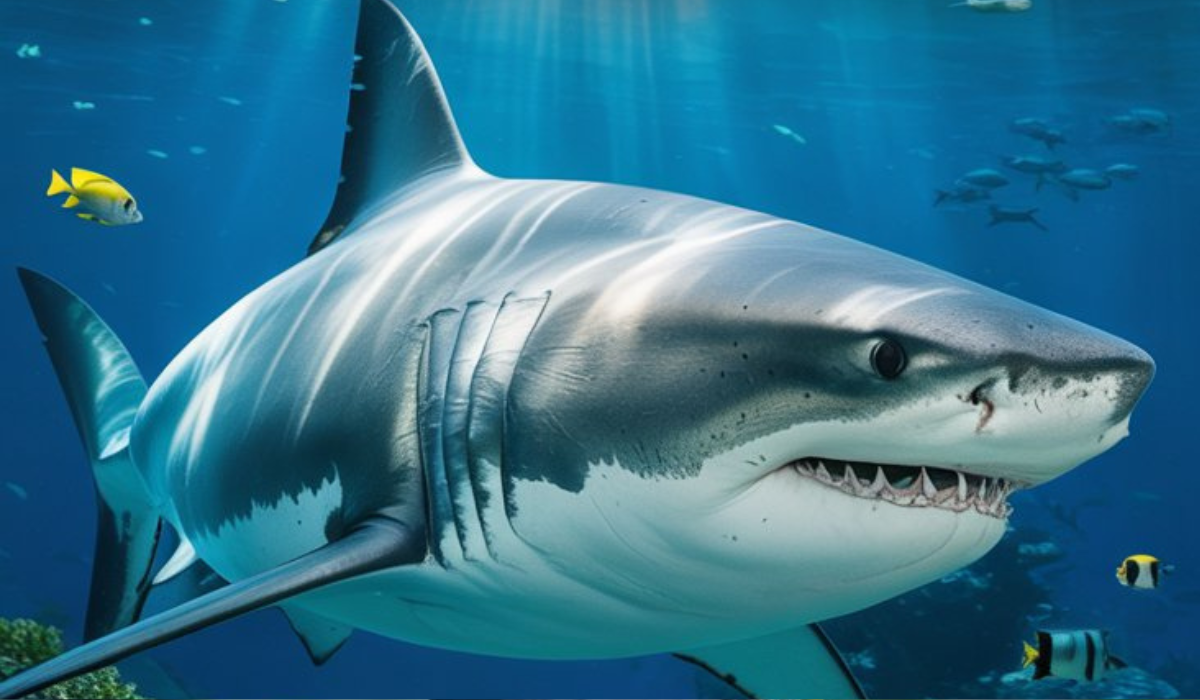
Cartilaginous fish are one of the most fascinating groups of aquatic animals, known for their unique skeletal structure and ancient evolutionary history. Unlike most fish species, cartilaginous fish do not have bones. Instead, their skeletons are made entirely of cartilage, the same flexible material found in the human nose and ears. This distinctive feature gives them strength, flexibility, and survival advantages in diverse marine environments.
This article explains cartilaginous fish in detail, covering their meaning, defining characteristics, major groups, habitat, behavior, and importance in aquatic ecosystems.
What Are Cartilaginous Fish
Cartilaginous fish are fish that belong to the class Chondrichthyes. They are characterized by skeletons composed of cartilage rather than bone. This group includes some of the most well-known ocean predators as well as gentle filter feeders.
Cartilaginous fish have existed for hundreds of millions of years and are among the oldest vertebrates still living today.
Key Characteristics of Cartilaginous Fish

The most defining feature of cartilaginous fish is their flexible cartilage-based skeleton. This structure makes them lighter and more agile in water compared to bony fish.
They typically have tough, sandpaper-like skin covered with tiny structures called dermal denticles. These reduce water resistance and protect against injury.
Most cartilaginous fish have multiple gill slits instead of a single gill cover, and they lack swim bladders. To stay afloat, they rely on large oil-filled livers and constant movement.
Body Structure and Movement
Cartilaginous fish have streamlined bodies designed for efficient swimming. Their fins are powerful and well-developed, allowing precise movement and control.
Their tails are often asymmetrical, providing strong propulsion in open water. This body design supports both fast swimmers and bottom-dwelling species.
Types of Cartilaginous Fish
Cartilaginous fish are divided into three main groups based on body shape and lifestyle.
Sharks
Sharks are the most famous cartilaginous fish. They are found in oceans around the world and range from small species to massive apex predators.
Sharks have sharp teeth, excellent senses, and strong hunting instincts. Not all sharks are dangerous, and many feed on small fish or plankton.
Rays
Rays are flat-bodied cartilaginous fish that usually live near the ocean floor. Their large pectoral fins are fused to their heads, giving them a wing-like appearance.
Rays often feed on bottom-dwelling organisms and use camouflage to avoid predators.
Skates
Skates resemble rays but have thicker bodies and shorter tails. They often lay eggs encased in protective capsules rather than giving birth to live young.
Skates typically inhabit colder waters and deeper ocean zones.
Habitat of Cartilaginous Fish
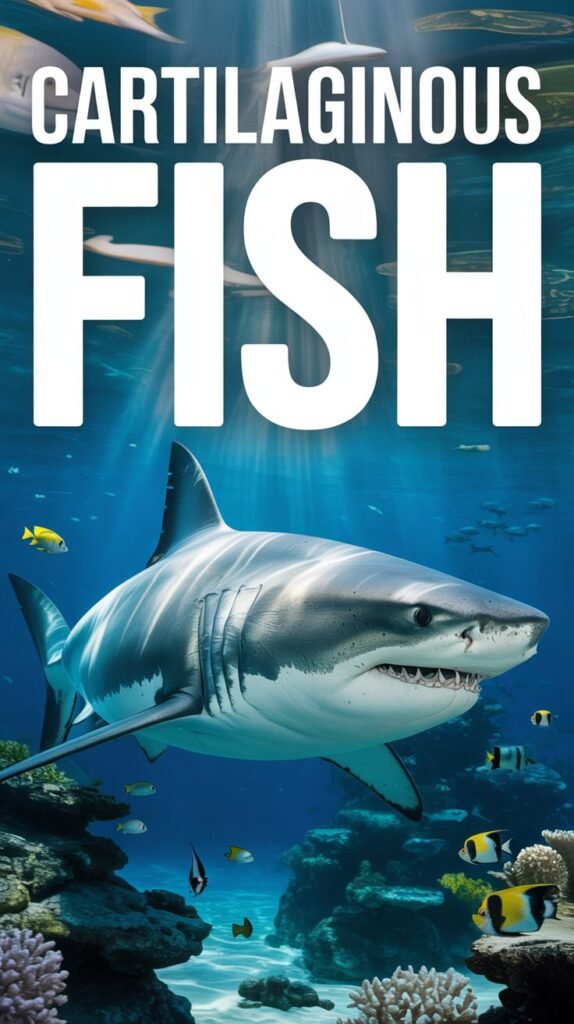
Most cartilaginous fish live in marine environments, ranging from shallow coastal waters to deep oceans. Some species can tolerate brackish water, and a few sharks can even survive in freshwater rivers.
They are highly adaptable and occupy a wide range of ecological niches.
Diet and Feeding Behavior
Cartilaginous fish have varied diets depending on species. Predatory sharks feed on fish, seals, and squid, while rays consume crustaceans and mollusks.
Some species, such as filter-feeding sharks, consume plankton and small organisms by straining water through specialized structures.
Reproduction in Cartilaginous Fish
Reproduction among cartilaginous fish is diverse. Some species lay eggs, while others give birth to live young.
Fertilization is internal, which increases survival chances for offspring compared to many bony fish.
Sensory Abilities of Cartilaginous Fish
Cartilaginous fish have highly developed senses. They can detect vibrations, smell trace amounts of substances in water, and sense electrical signals produced by other animals.
These abilities make them highly efficient hunters and survivors.
Differences Between Cartilaginous Fish and Bony Fish
Cartilaginous fish differ from bony fish in several key ways. They lack bones, swim bladders, and gill covers, while bony fish possess these features.
These differences affect how each group moves, feeds, and survives in water.
Table: Comparison of Cartilaginous Fish Groups
| Group | Body Shape | Common Examples |
|---|---|---|
| Sharks | Streamlined | Great white shark |
| Rays | Flattened | Stingray |
| Skates | Flat and thick | Common skate |
Importance of Cartilaginous Fish in Ecosystems
Cartilaginous fish play vital roles in maintaining balance in marine ecosystems. Predatory species help regulate prey populations and prevent overpopulation.
Their presence supports healthy food webs and ocean stability.
Cartilaginous Fish and Human Interaction
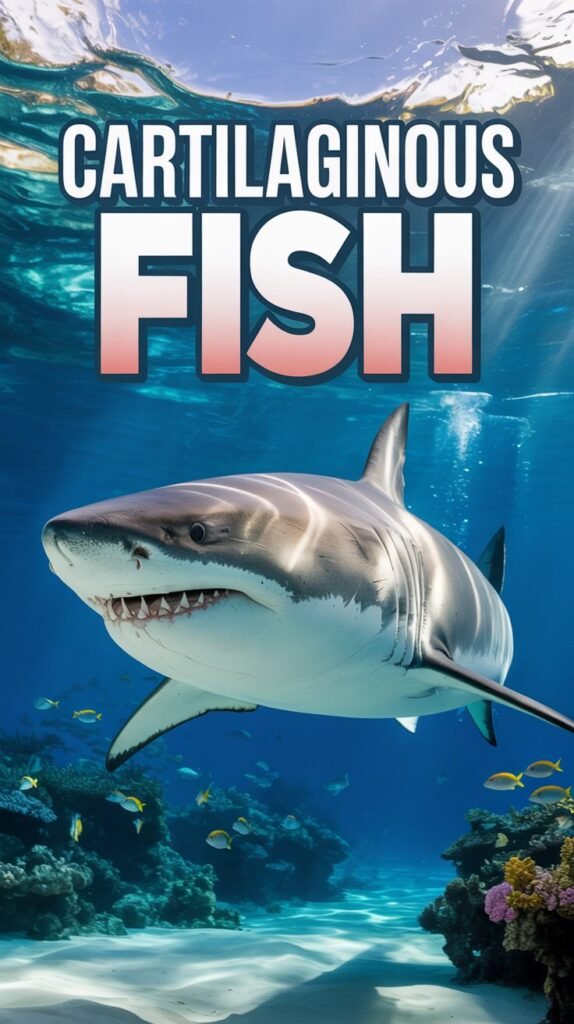
Humans interact with cartilaginous fish through fishing, tourism, and research. Some species are caught for food, while others attract divers and ecotourism.
Responsible management is essential to protect vulnerable populations.
Conservation Challenges
Many cartilaginous fish face threats from overfishing, habitat loss, and pollution. Their slow growth and low reproduction rates make recovery difficult.
Conservation efforts focus on sustainable fishing practices and habitat protection.
Educational Value of Cartilaginous Fish
Studying cartilaginous fish helps scientists understand evolution, anatomy, and marine ecology. Their ancient lineage provides insight into early vertebrate development.
They are also commonly studied in biology education.
Cartilaginous Fish in Aquariums
Some smaller species of rays and sharks are displayed in large public aquariums. These exhibits educate the public about marine life and conservation.
Home aquariums are generally unsuitable for most cartilaginous fish due to space and care requirements.
Final Thoughts on Cartilaginous Fish
Cartilaginous fish are remarkable aquatic animals with unique anatomy and vital ecological roles. Their cartilage-based skeletons, advanced senses, and evolutionary history make them distinct from other fish.
Understanding cartilaginous fish encourages appreciation for marine biodiversity and the importance of ocean conservation.
Frequently Asked Questions
What are cartilaginous fish?
They are fish with skeletons made of cartilage instead of bone.
Which animals are cartilaginous fish?
Sharks, rays, and skates belong to this group.
Do cartilaginous fish have bones?
No, their skeletons are made entirely of cartilage.
Where do cartilaginous fish live?
They mostly live in marine environments worldwide.
How do cartilaginous fish reproduce?
They reproduce through internal fertilization, laying eggs or giving birth.
Are cartilaginous fish dangerous to humans?
Most species are not dangerous and avoid human contact.
Why are cartilaginous fish important?
They help maintain balance in marine ecosystems.