
 By weeebooo70@gmail.com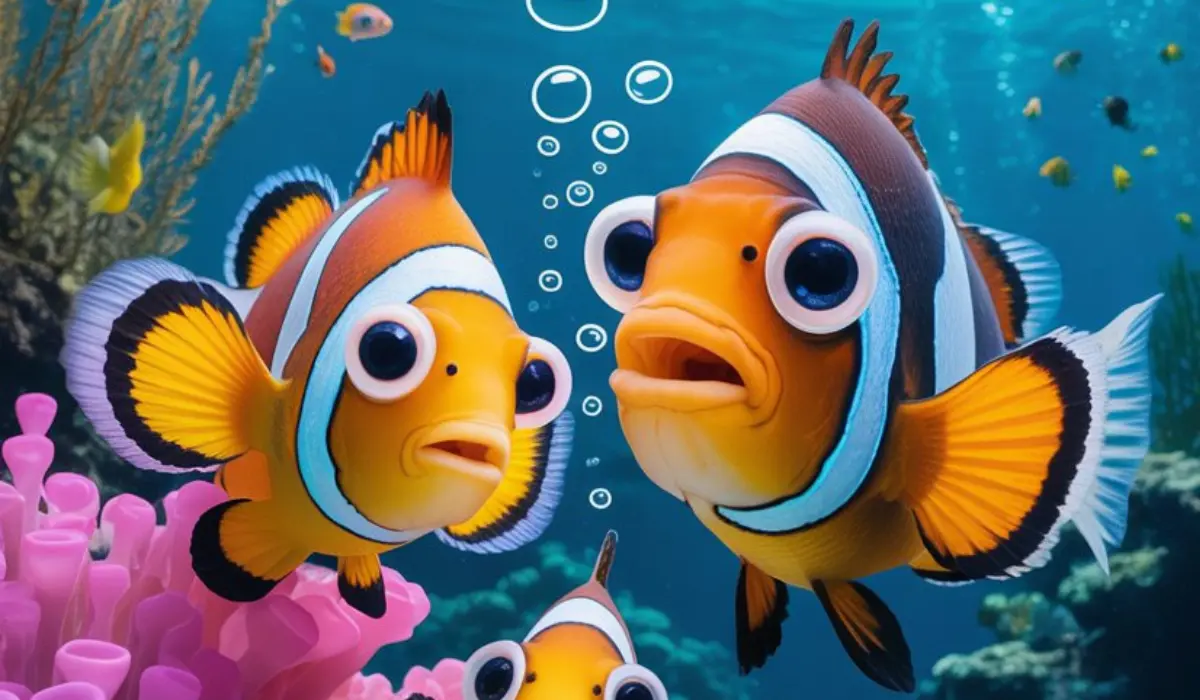
The Clownfish is one of the most famous and محبوب saltwater fish in the world. Known for its bright orange color with white stripes, the clownfish is loved by aquarium hobbyists and ocean lovers alike.
Clownfish became especially popular after appearing in the movie Finding Nemo, which made them a global icon.
What Is a Clownfish
Clownfish are small marine fish that live in warm ocean waters, especially in coral reefs.
They belong to the subfamily Amphiprioninae and are closely associated with sea anemones. This relationship is one of the most interesting examples of cooperation in nature.
There are around 30 different species of clownfish, each with slight differences in color and pattern.
Appearance
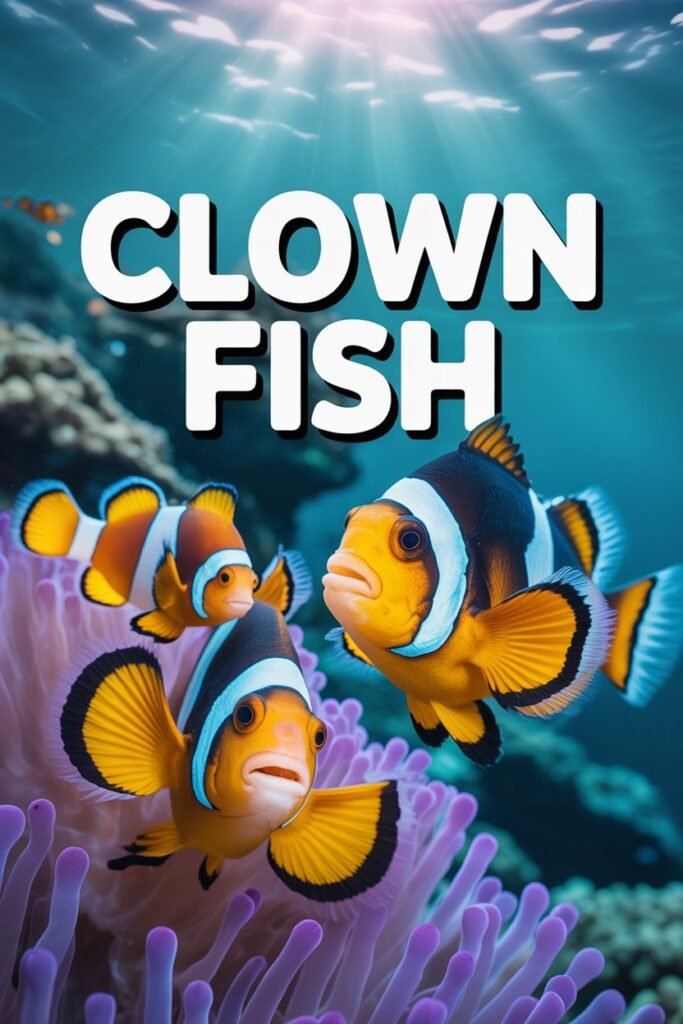
Clownfish are easily recognized by their bright and bold colors.
Common features include:
- Orange body with white bands
- Black outlines around the stripes
- Small, rounded fins
- Oval-shaped body
Some species may also appear in yellow, red, or even black variations.
Unique Relationship with Sea Anemones
One of the most fascinating things about clownfish is their relationship with Sea Anemone.
Clownfish live among the tentacles of sea anemones, which are usually dangerous to other fish. However, clownfish have a special mucus coating that protects them from the stings.
This relationship benefits both:
- The anemone protects the clownfish from predators
- The clownfish helps clean the anemone and bring food
This is called a symbiotic relationship.
Habitat
Clownfish are found in warm tropical waters, mainly in:
- Pacific Ocean
- Indian Ocean
They live in shallow coral reefs where sea anemones are present.
Diet
Clownfish are omnivores and eat a variety of foods.
Their diet includes:
- Algae
- Plankton
- Small crustaceans
- Leftover food from anemones
In aquariums, they can be fed flakes, pellets, and frozen foods.
Behavior and Personality
Clownfish are active and interesting fish.
They are:
- Semi-aggressive (especially in small tanks)
- Territorial around their anemone
- Social when kept in pairs
Clownfish often form pairs and establish a hierarchy.
Gender Change Ability
One of the most unique traits of clownfish is their ability to change gender.
All clownfish are born male. In a group:
- The largest fish becomes female
- The second largest becomes the breeding male
If the female dies, the male can change into a female.
This makes their social structure very unique.
Clownfish in Aquariums
Clownfish are one of the best saltwater fish for beginners.
They are:
- Hardy and adaptable
- Easy to feed
- Suitable for small saltwater tanks
A tank setup should include:
- Minimum 20 gallons
- Stable saltwater conditions
- Live rock and hiding places
While they can live without anemones, adding one can create a more natural environment.
Lifespan
With proper care, clownfish can live:
- 5 to 10 years or more
Some have been known to live even longer in well-maintained aquariums.
Interesting Facts About Clownfish
- They are immune to anemone stings
- They can change gender
- They became famous through movies
- They live in small social groups
- They defend their territory aggressively
Why Clownfish Are Popular
Clownfish are popular because of their bright colors, unique behavior, and ease of care.
They are often the first choice for people starting a saltwater aquarium.
Their playful movement and bold appearance make them a favorite worldwide.
Conclusion
Clownfish are one of the most fascinating and recognizable marine fish. From their vibrant colors to their unique relationship with sea anemones, they offer both beauty and interesting behavior.
Whether in the ocean or a home aquarium, clownfish continue to capture attention and remain one of the most محبوب choices for fish lovers.
FAQs
Are clownfish easy to keep?
Yes, they are one of the easiest saltwater fish for beginners.
Do clownfish need anemones?
No, they can live without anemones in aquariums.
Can clownfish live alone?
They can, but they are often happier in pairs.
Why do clownfish change gender?
They change gender to maintain social hierarchy and reproduction.
How big do clownfish grow?
Most clownfish grow up to 3–4 inches depending on the species.