
 By weeebooo70@gmail.com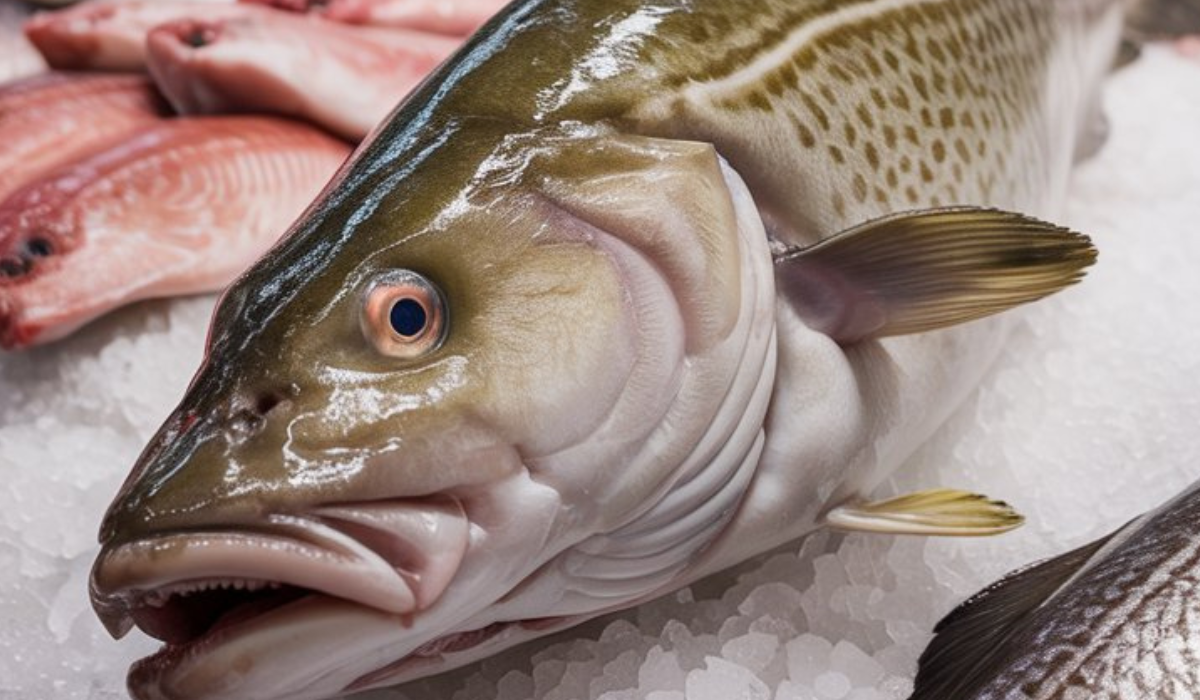
Cod fish are among the most famous commercial fish species in the world. They are highly valued for their mild flavor, tender flaky flesh, and nutritional richness. Cod has been a staple in seafood diets for centuries and plays a major role in the fishing economy of the North Atlantic and beyond.
This long-form guide covers everything about cod fish — species identification, habitat, feeding behavior, health benefits, fishing industry, sustainability, and more.
What is Cod Fish?
Cod fish belong to the family Gadidae, with the most well-known species in the genus Gadus. Cod are cold-water marine fish found mainly in the northern Atlantic and Arctic regions.
They are widely consumed due to:
✔ Delicious taste
✔ High-value white meat
✔ Low fat and rich nutrition
✔ Wide culinary uses
Cod is most commonly sold as:
- Fresh fillets
- Frozen fillets
- Salted cod (bacalhau)
- Cod liver oil
- Surimi and processed seafood products
Physical Characteristics of Cod
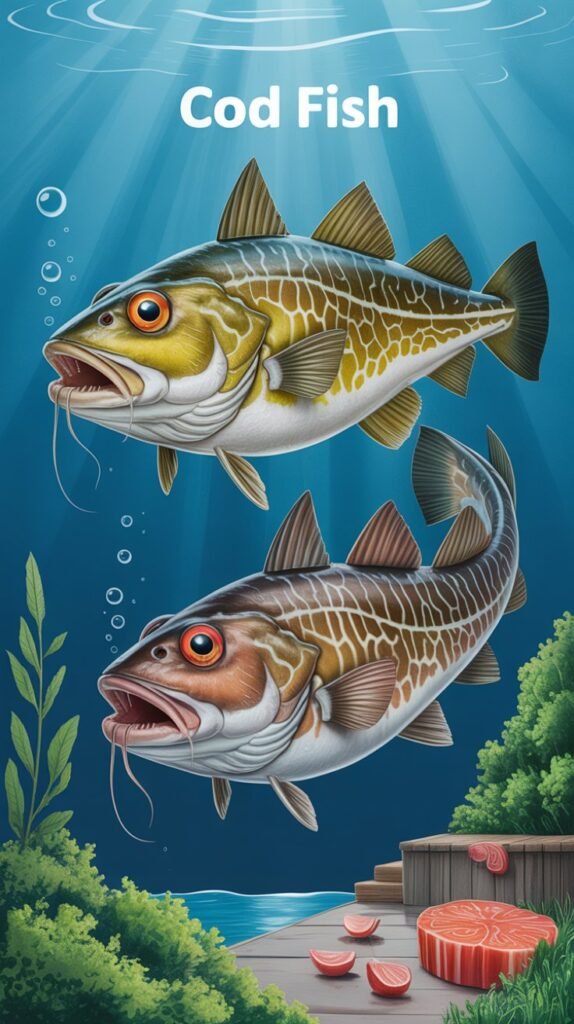
Cod fish are easily identifiable by their special features:
- Elongated body with a tapered tail
- Three dorsal fins and two anal fins
- Barbel under the chin (similar to a small whisker)
- Greenish or brownish back with lighter belly
- Small spots and mottled patterns for camouflage
Cod vary in size depending on species:
- Small cod: 1–2 kg (home cooking portion)
- Large Atlantic cod: up to 2 m in length and 50 kg in weight
Their body structure allows efficient swimming over long distances in cold waters.
Where Do Cod Fish Live?
Cod inhabit:
🌊 North Atlantic Ocean
🌊 Arctic Ocean
🌊 Baltic Sea
🌊 North Pacific (different related species)
They prefer:
- Cold to cool temperatures
- Continental shelf areas
- Sandy or muddy seabeds
- Deep waters during daytime and shallower areas at night
Cod often live in schools, especially during the juvenile stage, whereas larger adults may roam alone.
Types of Cod Fish
Cod has several species and commercial varieties. Below are the major recognized types:
1. Atlantic Cod (Gadus morhua)
- Most famous and widely harvested species
- Found in North Atlantic regions
- Light-colored meat and mild flavor
- Used in fish & chips, fillets, and salted cod
Large overfishing has impacted its population historically.
2. Pacific Cod (Gadus macrocephalus)
- Found in the North Pacific waters
- Cheaper alternative to Atlantic cod
- Lower fat content, slightly firmer texture
- Very common in frozen fillet products
3. Greenland Cod (Gadus ogac)
- Inhabits icy Arctic and Greenland waters
- Smaller in size compared to Atlantic cod
- Used locally in traditional cuisines
4. Black Cod (Sablefish) – Not True Cod
- Also known as butterfish due to silky, oily texture
- Deep-water species, highly valued in Japan
- Not technically cod but often included in the market category
5. Haddock
- A close relative of cod
- Used in fish & chips and smoked fish products
- Lean, white meat with slightly sweeter taste
6. Pollock
- Mild-flavored fish used for surimi and processed food
- Lower market price, widely available
- Important for quick-serve seafood dishes
Haddock and Pollock are not true cod but belong to the same family and often replace cod in recipes and commercial markets.
Life Cycle of Cod Fish
Cod follow a long and complex life cycle:
- Spawning in cold seasons
- Eggs float in the water column
- Larvae feed on plankton
- Juveniles grow in shallow waters
- Adults move to deeper zones for feeding and reproduction
Cod can live up to 20 years, though most commercially caught fish are younger.
They reach sexual maturity around 2–4 years, depending on environmental conditions.
Behavior and Feeding Habits
Cod are opportunistic predators with varied diet:
- Crustaceans (crabs, shrimps)
- Small fish (herring, capelin, sand eels)
- Squid and worms
- Benthic organisms from rocky seabeds
They hunt using their sensitive barbel to detect food in the dark or on the seafloor.
Cod are more active at night and often migrate seasonally for spawning and feeding.
Cod Fish in Human Diet
Cod has been a major source of food for centuries due to its:
✔ High protein
✔ Low saturated fat
✔ Neutral, adaptable flavor
✔ Easy cooking and preservation
Cod meat is white, flaky, and suitable for almost every cooking method.
Popular Culinary Uses
🍟 Fish & chips
🔥 Grilled cod
🍲 Cod fish stew
🥘 Salted cod (bacalhau, bacalao)
🍣 Cod in sushi (some varieties)
🍤 Fish balls and seafood snacks
Salted and dried cod is a historic food, especially in Europe and South America.
Nutritional Value of Cod
Cod is very nutrient-dense with low fat, making it ideal for weight-conscious diets.
| Nutrient | Benefit |
|---|---|
| High Protein | Muscle growth & repair |
| Omega-3 fats | Brain & heart health |
| Vitamin B12 | Healthy nerves & blood |
| Phosphorus | Bone strength |
| Iodine | Thyroid health |
| Selenium | Immunity & antioxidant support |
Cod liver oil is especially rich in:
- Vitamin D
- Vitamin A
- Omega-3 fatty acids
It is widely used as a health supplement.
Health Benefits of Eating Cod Fish
✔ Supports cardiovascular health
✔ Strengthens bones and immune system
✔ Good for metabolism and nerves
✔ Helps muscle repair and recovery
✔ Reduces inflammation
✔ Low calorie = helps maintain healthy weight
Cod is safe for most age groups but always ensure freshness and proper cooking.
Mercury Levels in Cod
Cod generally contains low mercury compared to large predatory fish such as tuna or swordfish. This makes it a safer option for:
- Children
- Pregnant women
- Elderly individuals
Still, moderation is recommended for all seafood consumption.
Cod Fish Fishing Industry
Cod has been one of the most economically important fish for centuries. Entire coastal economies in North America and Europe have depended on cod fishing.
Fishing Regions
Major cod fisheries operate in:
- Norway
- Iceland
- United Kingdom
- Canada
- USA (Alaska, New England)
- Russia
- Greenland
Fishing Techniques
- Bottom trawling
- Longlining
- Gillnets
Due to overfishing, many fisheries have adopted catch quotas and strict management systems.
History of Cod Overfishing
Cod was once so abundant that its population seemed endless — especially in the Grand Banks of Newfoundland. But intense fishing pressure led to:
- Drastic population collapse in the 1990s
- Fishing bans and economic losses for coastal communities
Today, cod stocks are improving in some regions but still remain vulnerable.
Cod Conservation & Sustainability
Efforts to protect cod populations include:
- Seasonal closures during spawning
- Limiting trawling in sensitive seabeds
- Quotas and licensing
- Monitoring illegal fishing
- Promoting sustainable seafood choices
Consumers can support sustainability by choosing certified fisheries and responsibly caught cod.
Cod Fish in Aquariums
Cod are not suitable for home aquariums due to:
- Large size and fast growth
- Cold-water requirements
- Need for deep, spacious environments
- High activity level and oxygen needs
Only specialized public aquariums can keep juvenile or smaller related species temporarily.
Fun Facts About Cod Fish
🐟 Cod have been traded since Viking times
🐟 Their barbel acts like a sensor to detect food
🐟 Cod can change depth quickly to follow food
🐟 One female cod can produce millions of eggs during spawning
🐟 The name “cod” is linked to the old word for bag — referring to their swim bladder
How to Choose Fresh Cod
Fresh cod should have:
- Firm, white flesh with natural shine
- Mild sea smell, not fishy odor
- Moist, springy fillets
- Clear, not cloudy eyes (whole fish)
- No discoloration or dryness
Frozen cod is fine too, but avoid freezer-burned fillets.
Cooking Tips for Cod
Cod is versatile and cooks quickly. To keep it juicy:
- Avoid overcooking — it flakes when ready
- Use herbs like parsley, dill, garlic, or lemon
- Pair with vegetables or light sauces
It absorbs flavors well, making it perfect for marinades and seasoning.
Conclusion
Cod fish is a timeless classic in seafood — nutritious, flavorful, and beneficial to health. It supports global economies, cultural cuisines, and millions of livelihoods. With responsible fishing and consumer awareness, cod can remain abundant for future generations.
Understanding cod fish helps us value its ecological importance and culinary greatness even more.
FAQs About Cod Fish
1. Is cod fish good for health?
Yes, cod is high in protein, low in fat, and rich in essential vitamins and minerals.
2. Which type of cod is best to eat?
Atlantic cod is prized for taste, while Pacific cod is more affordable and slightly firmer.
3. Does cod contain mercury?
Yes, but at low levels, making it safer than many large predatory fish.
4. Can cod be eaten raw?
Some varieties are used in sushi, but it must be very fresh and properly handled.
5. How does Cod differ from Haddock?
Cod is slightly firmer and milder; haddock has a sweeter taste and thinner fillets.
6. Why did cod populations decline?
Overfishing, especially in the North Atlantic, caused severe population drops.
7. How long can cod live?
Up to 20 years, depending on environmental conditions.
8. Can cod be raised in aquaculture?
Yes, cod farming exists but is still developing due to handling challenges.