
 By weeebooo70@gmail.com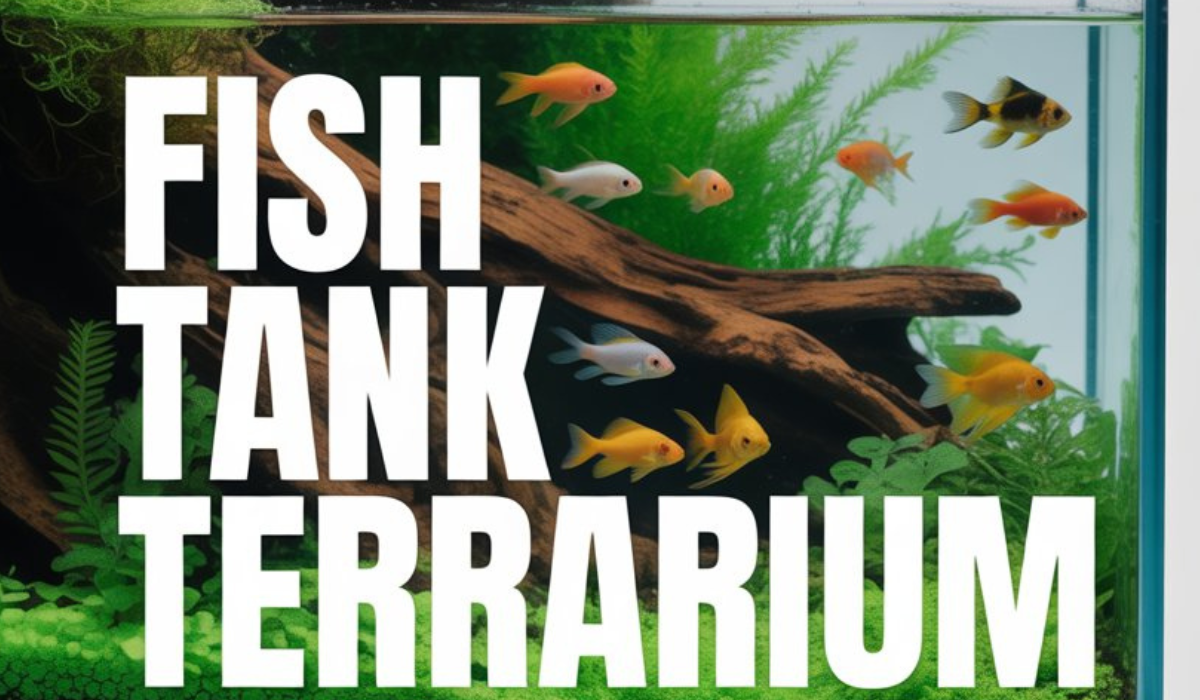
A fish tank terrarium is a creative way to turn an ordinary aquarium into a beautiful miniature ecosystem. Instead of keeping fish, the tank becomes a habitat for plants, moss, stones, and sometimes small animals like insects or amphibians. Terrariums are popular because they are decorative, relaxing to maintain, and perfect for homes, offices, or small living spaces.
Using a fish tank as a terrarium gives you plenty of room to design a natural environment that looks like a tiny forest, jungle, or landscape. In this guide, you will learn what a fish tank terrarium is, the different types, how to set one up, and tips for keeping it healthy.
What Is a Fish Tank Terrarium
A fish tank terrarium is a glass aquarium that is repurposed to grow plants and create a controlled environment for land-based ecosystems. Unlike aquariums that contain water and fish, terrariums usually contain soil, plants, rocks, and decorative elements.
The glass walls of the tank help maintain humidity and allow light to reach the plants. Because of this environment, many tropical plants grow very well inside terrariums.
Fish tank terrariums can be open or closed depending on the type of plants used and the desired humidity level.
Why Use a Fish Tank for a Terrarium
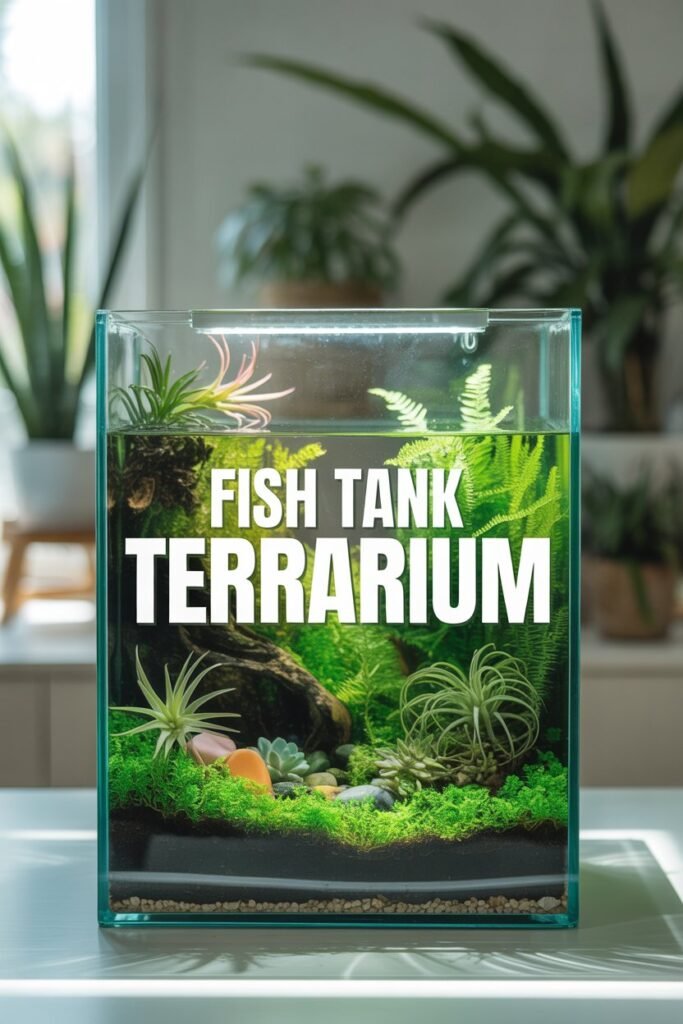
Fish tanks are ideal containers for terrariums because they are made of clear glass, durable, and available in many sizes. Many people already have unused aquariums at home, making them perfect for creative projects.
A fish tank terrarium provides more space than small jars, allowing for more detailed landscaping and plant arrangements. It also makes maintenance easier because plants have more room to grow.
Another advantage is the ability to create layered designs that mimic natural environments such as forests or mountains.
Types of Fish Tank Terrariums
There are several types of terrariums that can be created using a fish tank.
Closed terrariums are sealed environments where moisture recycles inside the container. Water evaporates from the soil and plants, condenses on the glass, and returns to the soil. These terrariums require very little watering.
Open terrariums do not have a lid and allow air to circulate freely. They are suitable for plants that prefer lower humidity, such as succulents and cacti.
Tropical terrariums are designed for humidity-loving plants like moss, ferns, and small tropical species. These terrariums often resemble miniature rainforests.
Desert terrariums mimic dry environments using sand, rocks, and drought-tolerant plants.
Materials Needed for a Fish Tank Terrarium
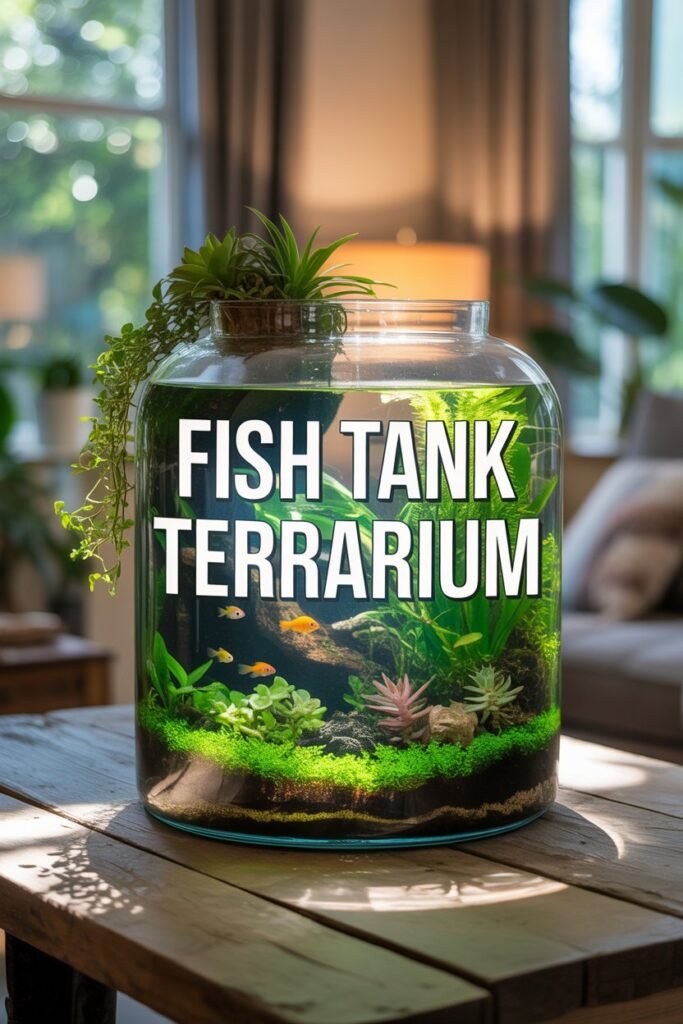
Setting up a terrarium requires a few basic materials.
A clean fish tank or aquarium is the main container. Gravel or small stones are used as the bottom drainage layer to prevent water from collecting around plant roots.
Activated charcoal helps keep the terrarium fresh by filtering impurities and preventing odors.
Potting soil or terrarium soil provides nutrients for the plants. Decorations such as rocks, driftwood, and small figurines can add personality to the design.
Plants suitable for terrariums include moss, ferns, fittonia, peperomia, and small tropical plants.
Steps to Build a Fish Tank Terrarium
Start by cleaning the fish tank thoroughly to remove any residue or dirt. Place a layer of gravel or small stones at the bottom of the tank to create drainage.
Next, add a thin layer of activated charcoal. This helps keep the terrarium environment healthy by preventing mold and bacteria growth.
Add a layer of soil on top of the charcoal. The soil should be deep enough for plant roots to grow properly.
After preparing the base layers, arrange plants inside the tank. Taller plants should be placed at the back, while smaller plants can be positioned in the front.
Finally, add decorative elements like rocks, driftwood, or miniature figures. Lightly water the soil to provide moisture for the plants.
Best Plants for Fish Tank Terrariums
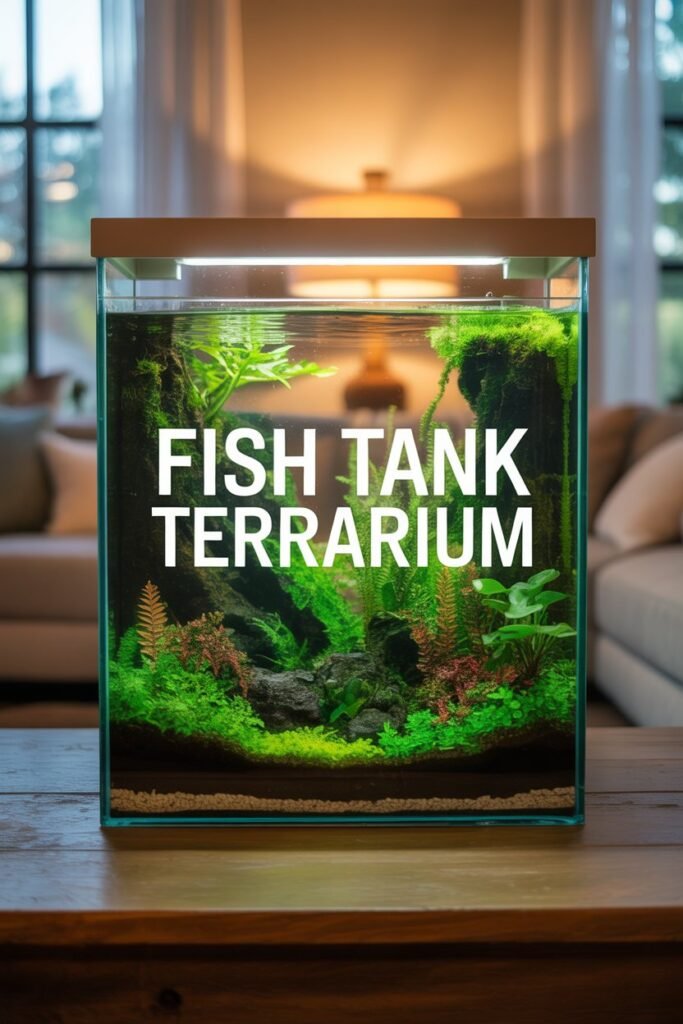
Choosing the right plants is important for a successful terrarium. Small plants that thrive in humid environments usually work best.
Moss is one of the most popular choices because it grows easily and creates a soft green carpet. Ferns also grow well and add a natural forest appearance.
Fittonia, sometimes called nerve plant, is another great option because of its colorful leaf patterns. Peperomia plants are compact and thrive in terrarium conditions.
When selecting plants, make sure they have similar light and moisture requirements.
Lighting for Terrariums
Proper lighting is essential for plant growth. Most terrariums thrive in bright but indirect sunlight. Direct sunlight can overheat the tank and damage plants.
If natural light is limited, LED grow lights can be used to support plant health. These lights provide the spectrum needed for photosynthesis without producing excessive heat.
Maintaining a Fish Tank Terrarium
Terrariums require less maintenance than traditional houseplants, but they still need occasional care.
Watering should be minimal, especially for closed terrariums where moisture recycles naturally. Overwatering is one of the most common mistakes.
Pruning plants helps maintain the shape of the terrarium and prevents overcrowding. Removing dead leaves also helps prevent mold growth.
Cleaning the glass occasionally will keep the terrarium looking clear and attractive.
Benefits of Fish Tank Terrariums
Fish tank terrariums provide several benefits beyond decoration. They create a relaxing natural environment that can reduce stress and improve mood.
They also allow people to enjoy gardening indoors, even in small apartments or offices. Terrariums can serve as educational tools for learning about ecosystems and plant growth.
Another advantage is that terrariums are relatively low maintenance compared to traditional aquariums or large gardens.
Common Mistakes to Avoid
One common mistake is adding too much water. Excess moisture can cause root rot and mold growth. Another mistake is choosing plants with very different humidity needs.
Using soil that drains poorly can also cause problems. Always include a drainage layer and charcoal to maintain a healthy environment.
Finally, placing the terrarium in direct sunlight can cause overheating and damage plants.
Final Thoughts
A fish tank terrarium is a creative and beautiful way to bring nature indoors. By transforming an aquarium into a miniature ecosystem, you can create a peaceful display of plants, rocks, and natural textures.
With the right materials, proper lighting, and occasional care, a terrarium can thrive for years and become a unique decorative feature in your home. Whether you design a lush tropical forest or a minimalist desert landscape, a fish tank terrarium offers endless possibilities for creativity and relaxation.