
 By weeebooo70@gmail.com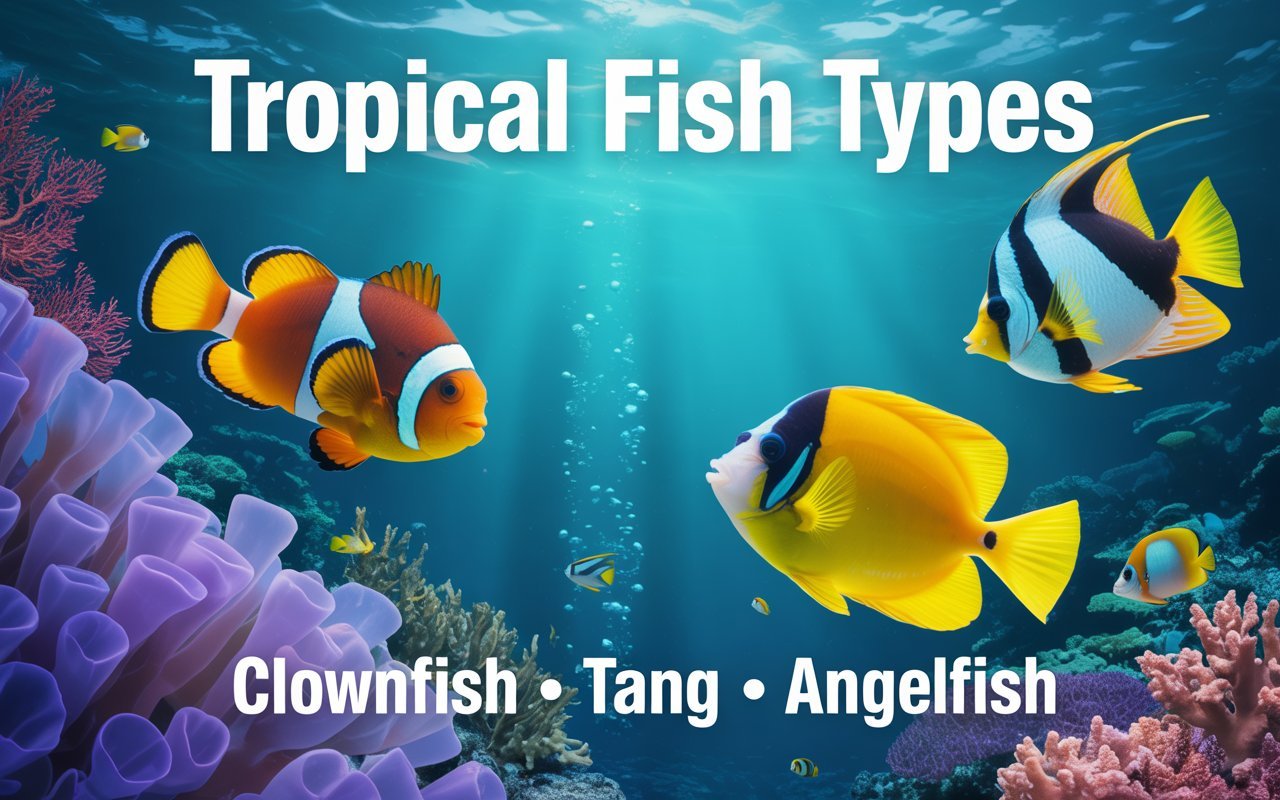
Fish are among the most diverse and fascinating creatures on Earth. They live in almost every water body — from the deepest oceans to shallow streams, from icy Arctic waters to warm tropical lakes. With over 34,000 species discovered so far, fish come in countless shapes, sizes, behaviors, and environments. Understanding fish types helps aquarium hobbyists, students, divers, and nature lovers appreciate the biology and beauty of aquatic life.
In this comprehensive guide, you will learn about all key fish types — based on habitat, diet, body structure, and behavior. We will also explore famous examples of each group to help you easily identify them.
What Are Fish?
Fish are aquatic vertebrates that breathe primarily through gills, have a backbone, and usually possess fins to swim. They are cold-blooded, meaning their body temperature changes depending on the water around them.
Fish are categorized into three main biological groups:
| Group | Body Type | Examples |
|---|---|---|
| Agnatha | Jawless fish | Lampreys, Hagfish |
| Chondrichthyes | Cartilaginous fish | Sharks, Rays, Skates |
| Osteichthyes | Bony fish | Tuna, Salmon, Guppies, Goldfish |
Most aquarium and edible fish belong to bony fish.
Major Fish Types Based on Habitat
⭐ 1. Freshwater Fish
These fish live in rivers, lakes, ponds, and streams where salt content is very low.
Popular freshwater fish types:
- Guppies
- Goldfish
- Tetras
- Cichlids
- Catfish
- Bettas
- Koi
- Molly fish
Freshwater fish are common in aquariums because they’re easier to care for than marine fish.
⭐ 2. Saltwater (Marine) Fish
Marine fish live in seas and oceans where salinity is high.
Popular marine fish types:
- Clownfish
- Tangs
- Angelfish (saltwater)
- Lionfish
- Butterflyfish
- Gobies
- Wrasse
These fish are extremely colorful but require more advanced aquarium setups.
⭐ 3. Brackish Water Fish
These fish live in water that is partially salty — found in estuaries and mangrove swamps.
Examples:
- Scat fish
- Archerfish
- Mudskipper
- Monos
- Some Mollies
They require carefully balanced salinity to survive.
Fish Types Based on Diet

Diet influences body shape, teeth, and behavior. There are four main diet-based types.
🐟 1. Herbivorous Fish
These fish eat plants, algae, and vegetation.
Examples:
- Plecos
- Silver Dollars
- Surgeonfish
- Rabbitfish
They often have flat teeth designed for scraping plants.
🐡 2. Carnivorous Fish
Carnivores eat meat — other fish, insects, shrimp, or worms. They have sharp teeth and fast movement.
Examples:
- Piranhas
- Betta fish
- Oscars
- Pike
- Sharks
They require a high-protein diet to stay healthy.
🐠 3. Omnivorous Fish
These fish eat both plant and animal matter and are the most adaptable.
Examples:
- Goldfish
- Guppies
- Molly fish
- Bluegills
- Clownfish
Omnivores are very popular in home aquariums.
🐋 4. Detritivores and Scavengers
These fish feed on waste, dead animals, and leftovers — helping clean the environment.
Examples:
- Corydoras catfish
- Loaches
- Cleaner fish
- Crabs (not fish but often grouped in cleanup crews)
They are essential in aquariums for algae control and cleanliness.
Fish Types Based on Body Structure
🦈 1. Cartilaginous Fish
Their skeleton is made of cartilage instead of bones.
Examples:
- Sharks
- Rays
- Skates
- Sawfish
They are among the oldest fish species, dating back millions of years.
🐬 2. Bony Fish
These fish have a bone skeleton and make up over 90% of all fish species.
Examples:
- Tilapia
- Salmon
- Swordfish
- Angelfish
- Guppies
Most food fish and aquarium fish belong to this category.
🐍 3. Jawless Fish
The oldest fish type, having no jaws and no true bones.
Examples:
- Lampreys
- Hagfish
They have a worm-like appearance and live in deep or cold waters.
Fish Types Based on Behavior
🐠 1. Schooling Fish
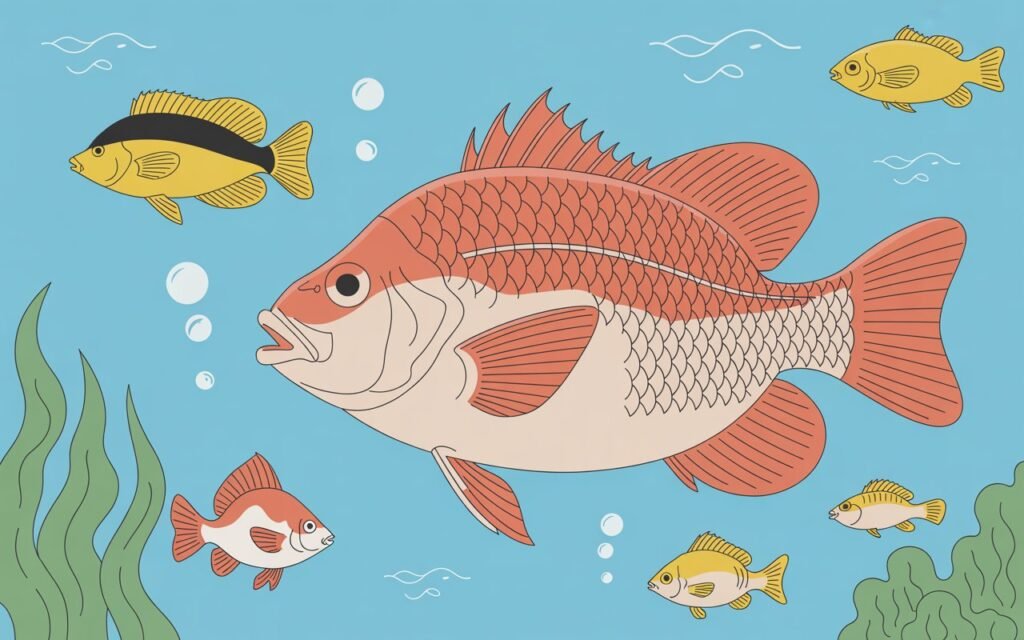
These fish prefer to swim together in groups for protection and comfort.
Examples:
- Tetras
- Barbs
- Rasboras
- Minnows
- Sardines
A group of schooling fish creates a beautiful display in aquariums.
🐡 2. Territorial Fish
Some fish aggressively guard their space, especially during breeding.
Examples:
- Bettas
- Cichlids
- Some marine angelfish
- Damselfish
They should be kept with compatible tank mates.
🐋 3. Solitary Fish
These fish live alone and may become stressed in groups.
Examples:
- Arowana
- Some catfish
- Lionfish
They require larger tanks and careful handling.
🐟 4. Community Fish
Peaceful fish that coexist well with others.
Examples:
- Guppies
- Corydoras
- Platies
- Neon tetras
Perfect for beginners and community aquariums.
Types of Fish Based on Reproductio
🟢 Egg-laying Fish (Oviparous)
Most fish lay eggs. Parents may guard or leave eggs on plants, rocks, or sand.
Examples:
- Tetras
- Goldfish
- Discus
- Koi
- Clownfish
🔵 Livebearers (Ovoviviparous & Viviparous)
These fish give birth to swimming babies.
Examples:
- Guppies
- Mollies
- Swordtails
- Platies
They reproduce quickly in aquariums.
Famous Fish Types in Aquariums
🐠 Tropical Freshwater Fish
- Guppies
- Neon tetras
- Bettas
- Angelfish
- Discus
🐡 African and American Cichlids
- Oscar fish
- African rift cichlids
- Ram cichlids
🐋 Coldwater Fish
- Goldfish
- Weather loach
🐟 Saltwater (Reef) Fish
- Clownfish
- Tang fish
- Coral beauty angelfish
Types of Fish by Geographic Distribution
🌴 Tropical Fish
Live in warm climates and are very colorful.
❄️ Coldwater Fish
Live in cooler water with temperatures below 20°C.
🧂 Brackish Fish
Live in slightly salty water, near river mouths.
🐬 Deep-Sea Fish
With special adaptations like bio-luminescence.
Popular Edible Fish Types Around the World
- Salmon
- Tuna
- Mackerel
- Sardines
- Cod
- Tilapia
- Catfish
- Anchovies
- Snapper
These fish are rich in proteins and omega-3 fatty acids.
Evolutionary Fish Types
🦴 Primitive (Ancient) Fish
- Coelacanth
- Lungfish
🐟 Modern Fish
- Most freshwater and marine species today
Ancient fish help scientists understand evolution from sea to land.
Why Understanding Fish Types Matters
| Reason | Benefit |
|---|---|
| Better aquarium care | Correct conditions and tank mates |
| Conservation | Protect endangered species |
| Education | Knowledge of biodiversity |
| Fishing & aquaculture | Sustainable food resources |
| Scientific research | Study ecosystems and evolution |
Learning fish types helps you become a more responsible aquarist and nature lover.
Fun Facts About Fish Types
- Some fish can change gender, like clownfish.
- Parrotfish create a mucus sleeping bag for protection at night.
- The largest fish: Whale shark (cartilaginous).
- The smallest fish: Paedocypris (freshwater) — smaller than 1 cm.
- Electric eels generate up to 600 volts of electricity.
Fish diversity is incredibly fascinating!
Conclusion
Fish are not just beautiful creatures — they play a vital role in the planet’s ecosystem. With thousands of species, different diets, behaviors, body structures, and habitats, fish types are more diverse than any other group of vertebrates.
Whether you love aquarium keeping, enjoy fishing, or simply admire marine life, understanding fish types helps you appreciate the underwater world more deeply. From peaceful aquarium guppies to powerful ocean sharks, every fish has a unique role in nature.
FAQs About Fish Types
1. How many fish types exist in the world?
There are more than 34,000 known species of fish, and scientists discover more each year.
2. What is the difference between freshwater and saltwater fish?
Freshwater fish live in low-salinity environments like rivers and lakes, while saltwater fish live in seas and oceans.
3. Which fish type is best for beginners?
Community freshwater fish such as guppies, mollies, tetras, and platies are easy to care for.
4. Are sharks considered fish?
Yes, sharks are cartilaginous fish, meaning their skeleton is made of cartilage instead of bone.
5. Do all fish lay eggs?
Most do, but livebearing fish like guppies and mollies give birth to live babies.
6. What fish type is the most colorful?
Tropical reef fish are known for their bright and vibrant colors.
7. Can freshwater and saltwater fish live together?
No, each requires different salinity levels to survive.