
 By weeebooo70@gmail.com
Fish keeping is one of the most rewarding hobbies, but it comes with challenges, especially when it comes to maintaining fish health. Among the most common diseases that affect both aquarium and pond fish are fungal infections. These infections can appear suddenly, often spreading quickly and causing high mortality if not treated properly.
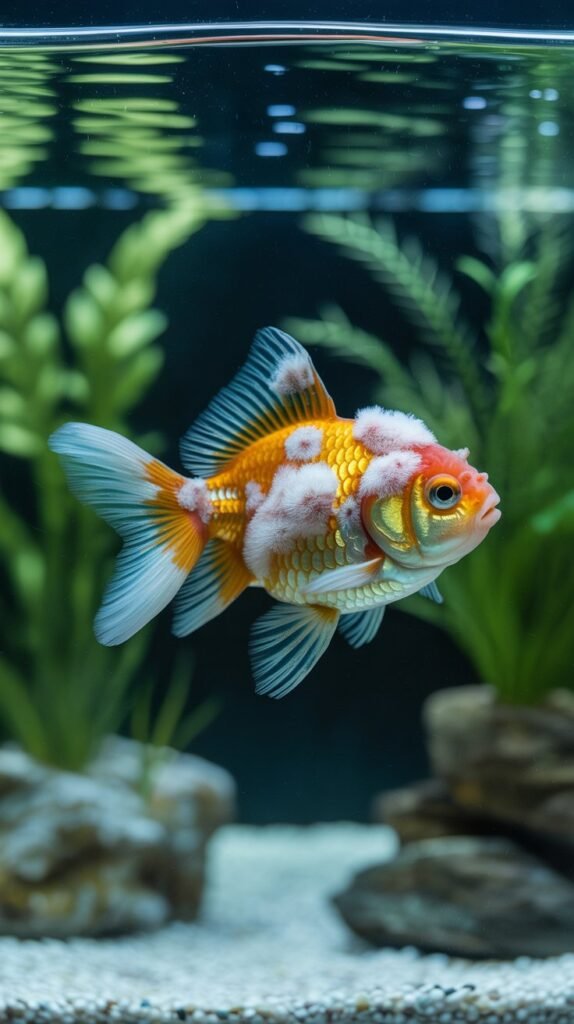
Fungal infection in fish is usually caused by opportunistic fungi that attack when a fish’s immune system is weakened or when injuries provide an entry point. Hobbyists often first notice fuzzy, cotton-like growths on the skin, fins, or gills of their fish. While fungal infections may look alarming, they are treatable if detected early and preventive measures are put in place.
This guide explores fungal infections in detail—covering causes, symptoms, treatment methods, and long-term prevention strategies for both pond and aquarium environments.
What is a Fungal Infection in Fish?
A fungal infection in fish is caused by waterborne fungi that colonize fish skin, fins, or gills. These fungi thrive in environments with poor water quality, high organic matter, or stressed fish populations.
The most common fungal pathogens affecting fish are:
- Saprolegnia: Known for causing “cotton wool disease.”
- Achlya: A fungus similar to Saprolegnia, often found in freshwater systems.
- Branchiomyces: A fungus that infects gills, leading to gill rot.
Fungal spores are always present in aquatic environments, but they typically do not infect healthy fish. Instead, infections occur when fish are injured, stressed, or immunocompromised.
Causes of Fungal Infection in Fish
Fungal infections rarely occur without an underlying cause. Factors that promote fungal growth and infection include:
1. Poor Water Quality
- High levels of ammonia, nitrites, and nitrates stress fish.
- Excess organic waste promotes fungal spore growth.
2. Physical Injuries
- Scratches from rough decorations or handling injuries create open wounds.
- Parasite bites (e.g., lice or flukes) provide entry points for fungi.
3. Stress
- Overcrowding, sudden temperature changes, or poor diet weaken immunity.
- Stressed fish are more prone to fungal colonization.
4. Secondary Infections
- Fungal infections often follow bacterial or parasitic diseases.
- Damaged tissue from previous illness becomes susceptible to fungal growth.
5. Environmental Contamination
- Introduction of infected fish, plants, or equipment spreads fungal spores.
Symptoms of Fungal Infection in Fish
Recognizing the symptoms early can save fish from severe damage. Symptoms vary depending on the type of fungus and the area of infection.
External Symptoms
- White or gray cotton-like growth on skin, fins, or mouth.
- Frayed fins and skin lesions.
- Discoloration of affected areas, often turning red or black.
- Cloudy patches or mucus buildup.
Behavioral Symptoms
- Reduced appetite.
- Lethargy and isolation from other fish.
- Frequent scratching or flashing against objects.
- Labored breathing if gills are infected.
Advanced Symptoms
- Severe tissue erosion.
- Open wounds with secondary bacterial infection.
- Gill rot (in Branchiomyces infections), leading to gasping at the surface.
- Death in severe or untreated cases.
Types of Fungal Infections in Fish

There are different fungal infections, each with unique characteristics:
1. Saprolegniasis (Cotton Wool Disease)
- Caused by Saprolegnia species.
- White to gray fuzzy growth resembling cotton wool.
- Common on skin, fins, and eggs.
2. Achlya Infections
- Similar to Saprolegnia.
- Typically found in poorly maintained aquariums and ponds.
3. Branchiomycosis (Gill Rot)
- Caused by Branchiomyces.
- Attacks gill tissue, causing necrosis.
- Leads to respiratory distress and high mortality.
4. Egg Fungus
- Fungi attack unfertilized or dead fish eggs.
- Can spread rapidly to healthy eggs if not removed.
Diagnosing Fungal Infection in Fish
Diagnosis can be made through:
- Visual Observation
- Cotton-like growth on the body or fins is a strong indicator.
- Darkened patches or tissue erosion may also be visible.
- Microscopic Examination
- Confirms fungal spores and hyphae.
- Behavioral Changes
- Loss of appetite, lethargy, or breathing difficulties may accompany visible growths.
Treatment of Fungal Infection in Fish
Treatment must address both the fungus and underlying conditions that caused it.
1. Isolate Infected Fish
- Move infected fish to a quarantine tank to prevent spread.
2. Improve Water Quality
- Perform partial water changes.
- Remove uneaten food and waste.
- Ensure proper filtration and aeration.
3. Salt Baths
- Aquarium salt can help control mild fungal infections.
- Dosage: 1–3 grams per liter in a separate treatment tank.
4. Antifungal Medications
- Malachite Green: Effective against Saprolegnia.
- Methylene Blue: Used for fungal infections on fish and eggs.
- Potassium Permanganate: Strong oxidizer used in ponds.
- Commercial Antifungal Treatments: Available for aquariums (follow dosage instructions carefully).
5. Topical Treatments
- For large fish (like koi), direct application of antifungal solutions on lesions can be effective.
6. Treat Secondary Infections
- Antibiotics may be needed if bacterial infections develop.
Natural and Home Remedies
Some fish keepers prefer natural approaches:
- Garlic: Enhances immunity and may reduce fungal growth.
- Neem Extract: Known for antifungal properties, sometimes used in ponds.
- Aloe Vera: Helps with wound healing when used as part of water conditioners.
While these remedies can support recovery, they are not as effective in severe cases and should complement—not replace—proven antifungal treatments.
Prevention of Fungal Infections in Fish
Prevention is the best way to manage fungal infections. Steps include:
- Maintain good water quality with regular testing and cleaning.
- Avoid overcrowding to reduce stress.
- Quarantine new fish for 2–4 weeks before adding them to the main tank.
- Disinfect nets, plants, and decorations before introducing them.
- Provide a balanced nutritious diet to boost immunity.
- Remove injured or dead fish and eggs promptly to prevent fungal spread.
Fungal Infection in Aquarium Fish vs. Pond Fish
- Aquarium Fish: Often suffer from Saprolegnia due to poor maintenance or overcrowding. Cotton-like patches are most common.
- Pond Fish (Koi, Goldfish, Carp): More prone to severe outbreaks, especially in winter or when water quality drops. Gill rot from Branchiomyces is a bigger concern.
Long-Term Impact of Fungal Infections
If left untreated, fungal infections can lead to:
- Severe tissue damage and scarring.
- Secondary bacterial infections.
- Mass mortality in aquariums or ponds.
- Reduced breeding success due to egg infections.
- Permanent weakening of survivors.
FAQs About Fungal Infection in Fish
1. What causes fungal infection in fish?
Fungal infections are usually caused by Saprolegnia and other water molds. Poor water quality, injuries, or stress are the main triggers.
2. How can I tell if my fish has a fungal infection?
Look for cotton-like growth on the skin, fins, or gills. Fish may also show lethargy, loss of appetite, and tissue damage.
3. Can fungal infections kill fish?
Yes, untreated infections can lead to severe damage, secondary infections, and death.
4. How do I treat fungal infection in fish?
Use antifungal medications like malachite green, methylene blue, or potassium permanganate. Salt baths and improved water quality also help.
5. Can fish eggs get fungal infections?
Yes, unfertilized or dead eggs are often attacked by fungi, which can spread to healthy eggs.
6. Are fungal infections contagious?
Yes, fungal spores can spread in water, infecting other fish and eggs.
7. Can I prevent fungal infections naturally?
Maintaining clean water, reducing stress, and providing a good diet are the best natural preventions.
8. Do fungal infections affect saltwater fish?
They are more common in freshwater, but saltwater fish can also be affected under poor conditions.
9. Can I use household antifungal creams for fish?
No, only medications designed for aquariums and ponds should be used.
10. How long does it take to cure fungal infections in fish?
Mild infections may clear in 1–2 weeks with proper treatment, while severe cases may take longer.
Conclusion
Fungal infection in fish is one of the most common diseases encountered by aquarists and pond keepers. While fungal spores are always present in aquatic environments, they only attack when fish are stressed, injured, or exposed to poor water quality. Recognizing the symptoms early and applying effective treatment can save fish from severe damage and prevent losses.
The key to avoiding fungal outbreaks lies in prevention—maintaining clean water, quarantining new arrivals, and reducing stress. By following good fishkeeping practices, you can ensure your fish remain healthy, vibrant, and free from fungal infections.