
 By weeebooo70@gmail.com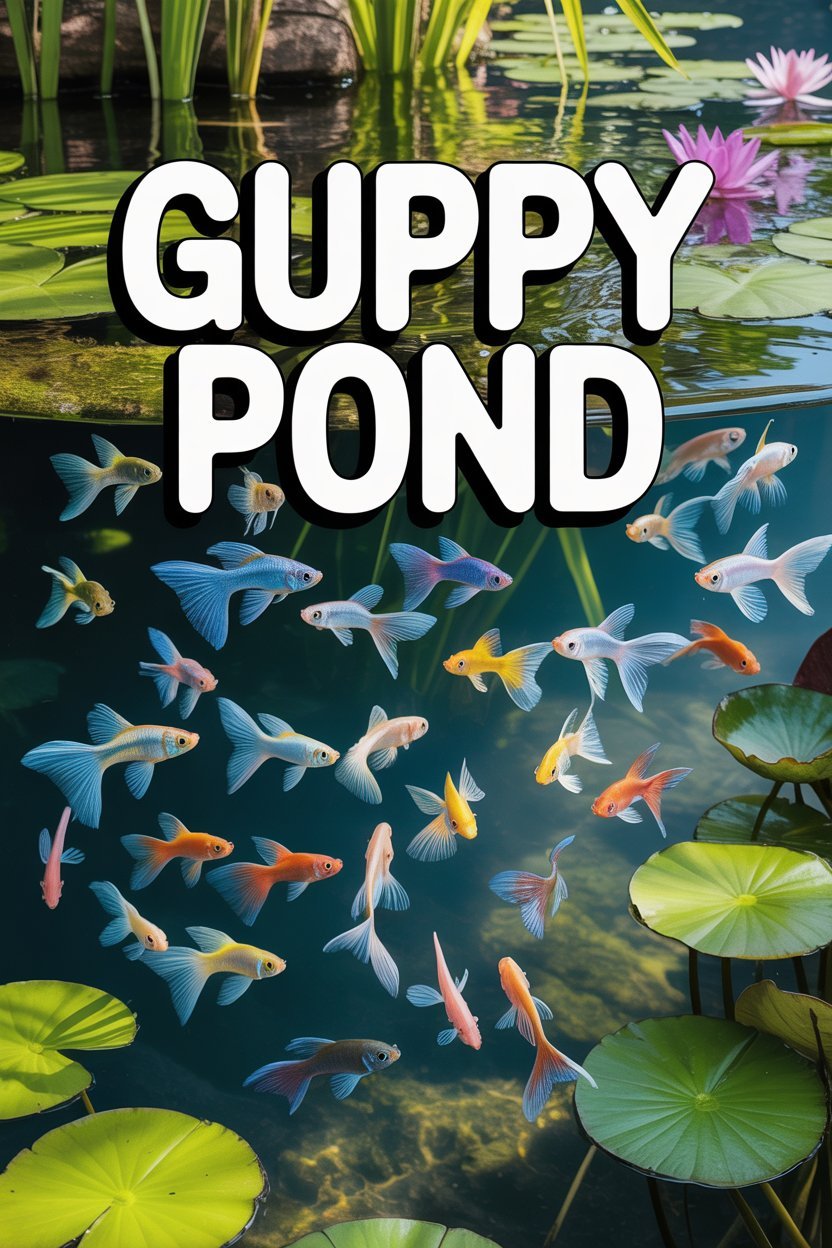
A guppy pond is a beautiful and natural way to keep guppy fish outside instead of in a traditional aquarium. While guppies are commonly associated with indoor tanks, they can thrive in outdoor ponds when the environment is properly planned. A well-designed guppy pond offers more space, natural sunlight, live plants, and a balanced ecosystem that allows these colorful fish to grow, breed, and display their best colors.
This complete guide explains everything you need to know about building and maintaining a successful guppy pond, including setup ideas, pond size, water conditions, feeding routines, breeding tips, seasonal care, and advanced techniques for long-term success.
What Is a Guppy Pond?
A guppy pond is an outdoor water feature designed specifically to house guppy fish in a natural environment. Unlike indoor aquariums, ponds rely more on natural balance, sunlight, and aquatic plants to maintain water quality.
Guppies are hardy fish that adapt well to outdoor conditions, especially in warm climates. Many hobbyists prefer guppy ponds because they allow fish to swim freely in larger spaces and develop stronger colors under natural lighting. When built correctly, a guppy pond becomes a living ecosystem that requires less intensive maintenance than a traditional tank.
Benefits of Keeping Guppies in a Pond
There are several advantages to raising guppies in an outdoor pond rather than a small aquarium. One of the biggest benefits is the increased space, which allows fish to swim naturally and reduces stress.
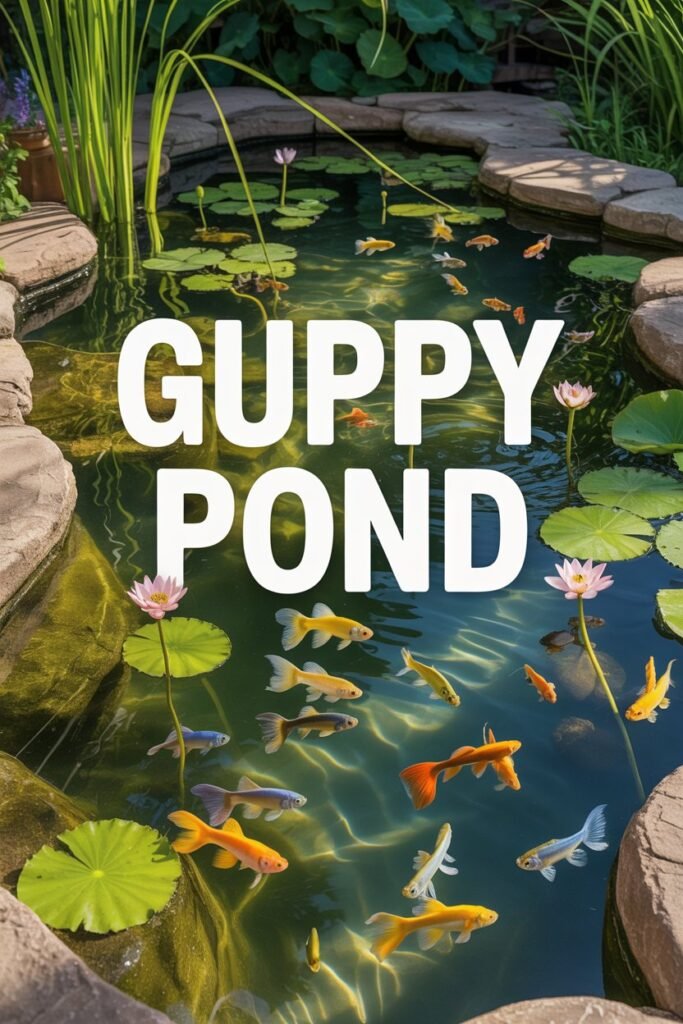
Natural sunlight helps enhance coloration and supports plant growth. Outdoor ponds also encourage the development of micro-organisms, which serve as a natural food source for guppies. Many hobbyists notice faster growth rates and more active behavior in pond-raised guppies compared to indoor fish.
Another benefit is breeding. Guppies reproduce quickly in ponds, especially when plenty of plants provide shelter for fry.
Choosing the Right Size for a Guppy Pond
The size of your guppy pond plays a major role in stability and fish health. Larger ponds maintain temperature and water quality more easily than very small containers.
A beginner-friendly pond can start around 50 to 100 gallons, but bigger ponds provide more natural balance and require less frequent maintenance. Depth is also important. A depth of at least 12 to 18 inches helps protect fish from sudden temperature changes and provides safe swimming space.
When planning your pond, always consider future population growth because guppies reproduce rapidly.
Ideal Location for a Guppy Pond
Choosing the right location is essential for a successful outdoor setup. A guppy pond should receive partial sunlight rather than full direct sun all day. Too much sunlight can cause overheating and excessive algae growth, while too little light may reduce plant health.
Placing the pond in an area with morning sun and afternoon shade often works best. Trees or shade covers can help regulate temperature during hot seasons. Avoid placing the pond under heavy leaf fall, as decomposing debris can affect water quality.
Water Conditions for a Healthy Guppy Pond
Maintaining proper water parameters ensures that guppies remain healthy outdoors. Guppies prefer warm water temperatures between 22 and 30 degrees Celsius. In warmer regions, ponds naturally maintain suitable temperatures for most of the year.
The pH should remain slightly alkaline, usually between 6.8 and 7.8. Outdoor ponds often stabilize naturally over time as plants and beneficial bacteria develop.
Regular observation is important. If water becomes cloudy or has a strong odor, partial water changes may be needed. Stability is more important than constantly adjusting parameters.
Filtration and Oxygenation in a Guppy Pond
Unlike indoor aquariums, guppy ponds can rely on natural filtration systems. However, adding a gentle pond filter or sponge filter improves water clarity and supports beneficial bacteria.
Water movement helps oxygenate the pond and prevents stagnant areas. Small water pumps or air stones can provide additional aeration without creating strong currents.
Plants also play a major role in natural filtration by absorbing nutrients and reducing waste buildup.
Best Plants for a Guppy Pond
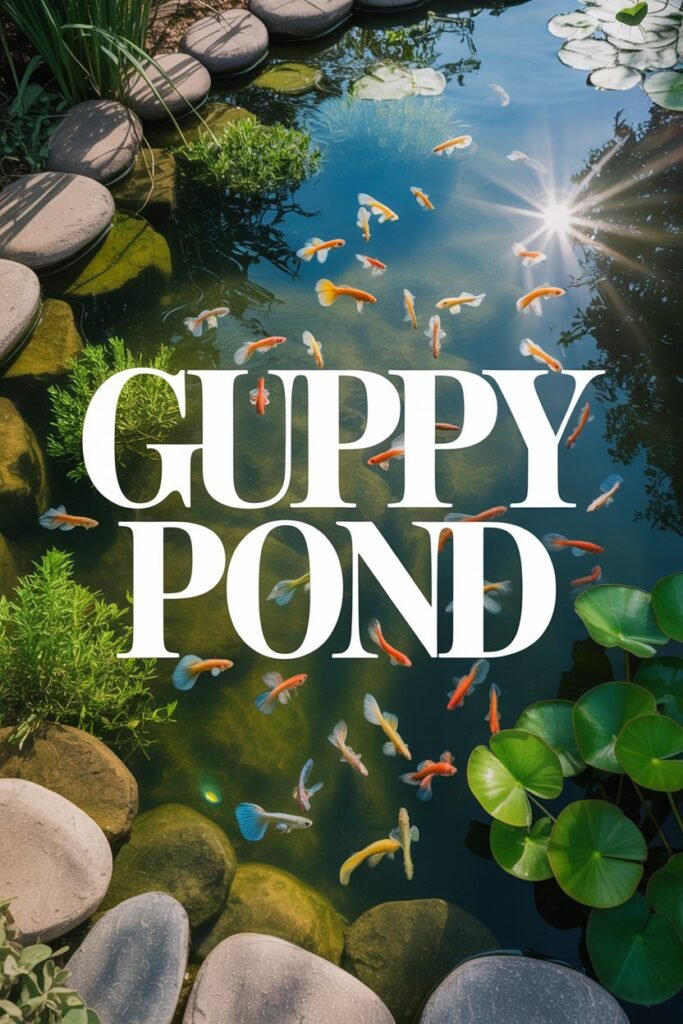
Aquatic plants are one of the most important elements of a guppy pond. They provide shelter, improve water quality, and create a natural environment where guppies feel safe.
Floating plants such as duckweed or water lettuce offer shade and reduce algae growth. Submerged plants like guppy grass or hornwort give fry a place to hide from adults. Marginal plants around the edges of the pond enhance aesthetics and help maintain ecological balance.
A heavily planted pond often requires less maintenance because plants naturally absorb excess nutrients.
Feeding Routine in a Guppy Pond
One of the advantages of outdoor ponds is that guppies can find natural food sources such as algae, tiny insects, and microorganisms. However, supplemental feeding is still important to maintain strong health and vibrant colors.
High-quality flakes or pellets can be offered once or twice daily in small portions. Overfeeding should be avoided because uneaten food can pollute the water.
Live foods like mosquito larvae often appear naturally in ponds, providing additional nutrition and encouraging natural hunting behavior.
Example Setup for a Beginner Guppy Pond
The following table shows a simple and practical setup that works well for many outdoor guppy ponds.
| Pond Element | Recommended Option | Benefit |
|---|---|---|
| Pond Size | 100 Gallons or More | Stable environment |
| Depth | 12 to 18 Inches | Temperature stability |
| Filtration | Gentle Pond Filter | Cleaner water |
| Plants | Floating and Submerged Mix | Shelter and balance |
| Aeration | Air Stone or Small Pump | Oxygen circulation |
| Sunlight | Partial Shade | Prevents overheating |
Breeding Behavior in a Guppy Pond
Guppies breed very successfully in outdoor ponds because of the natural environment and abundant hiding places. Females can give birth to dozens of fry every few weeks, leading to rapid population growth.
Dense plant coverage is essential for fry survival. In a balanced pond, many young guppies grow naturally without needing separate breeding boxes.
Because reproduction happens quickly, it is important to monitor the population and avoid overcrowding. Some hobbyists periodically move excess fish to aquariums or share them with other keepers.
Seasonal Care for Outdoor Guppy Ponds
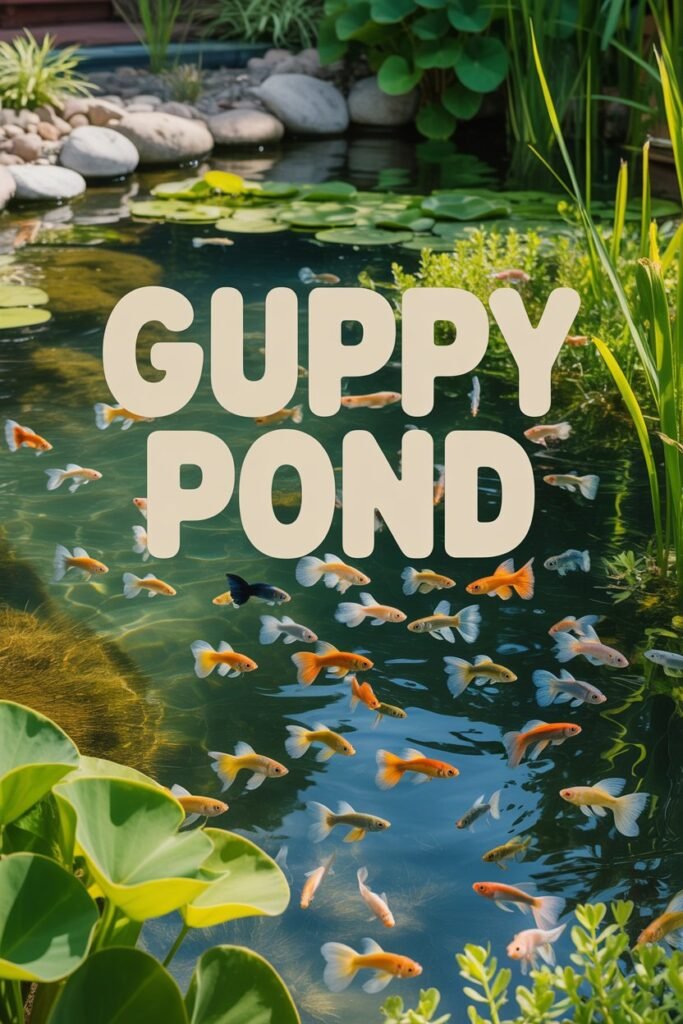
Seasonal changes can affect pond conditions, especially in regions with temperature fluctuations. During hot weather, adding shade or increasing aeration helps prevent overheating.
In cooler seasons, water temperature may drop below safe levels for guppies. In such cases, bringing fish indoors or using a pond heater may be necessary depending on local climate.
Regular monitoring ensures that fish remain healthy throughout the year.
Common Problems in a Guppy Pond
Even a well-designed pond can face occasional challenges. Algae growth is one of the most common issues, usually caused by excessive sunlight or overfeeding. Adding more plants and reducing feeding often helps control algae naturally.
Predators such as birds or insects may also pose risks. Adding floating plants or net covers can protect fish while maintaining a natural appearance.
Poor water quality is another common problem, often linked to overcrowding. Maintaining a balanced population and performing occasional water changes helps prevent issues.
Advanced Tips for a Beautiful Guppy Pond
Experienced hobbyists often focus on creating a visually appealing pond while maintaining ecological balance. Layering plants at different heights adds depth and natural structure.
Using dark pond liners can enhance the bright colors of guppies, making them stand out more clearly. Introducing beneficial bacteria helps speed up the cycling process and maintain stable water conditions.
Adding natural rocks or driftwood can create a more realistic habitat, but all decorations should be safe and free from sharp edges.
Benefits of Building a Guppy Pond at Home
A guppy pond brings life and color to outdoor spaces such as gardens, patios, or courtyards. Watching guppies swim in natural sunlight can be relaxing and rewarding.
Outdoor ponds also encourage biodiversity by attracting insects, birds, and other wildlife. For hobbyists interested in breeding or natural aquascaping, a guppy pond offers endless creative possibilities.
Compared to indoor aquariums, many pond setups require less daily maintenance once the ecosystem becomes balanced.
Frequently Asked Questions About Guppy Pond
Can guppies live in an outdoor pond year-round?
They can live outdoors in warm climates where temperatures stay above 20 degrees Celsius. In colder areas, they may need to be moved indoors during winter.
What size pond is best for guppies?
A pond of at least 100 gallons is ideal because it provides stable water conditions and enough space for breeding.
Do guppy ponds need filters?
Natural ponds with many plants can function without strong filtration, but a gentle filter improves water clarity and stability.
What plants are best for a guppy pond?
Floating plants, guppy grass, hornwort, and other fast-growing aquatic plants provide shelter and help maintain water quality.
How often should I feed guppies in a pond?
Once or twice daily in small amounts is usually enough because they also consume natural food sources.
Will guppies reproduce in a pond?
Yes, guppies breed very easily in outdoor ponds, especially when plants provide hiding spots for fry.
How do I prevent predators in a guppy pond?
Adding floating plants, deeper areas, or protective netting helps keep fish safe from birds and insects.
Is a guppy pond good for beginners?
Yes, as long as the pond is properly planned. Guppies are hardy fish and adapt well to outdoor environments.