
 By weeebooo70@gmail.com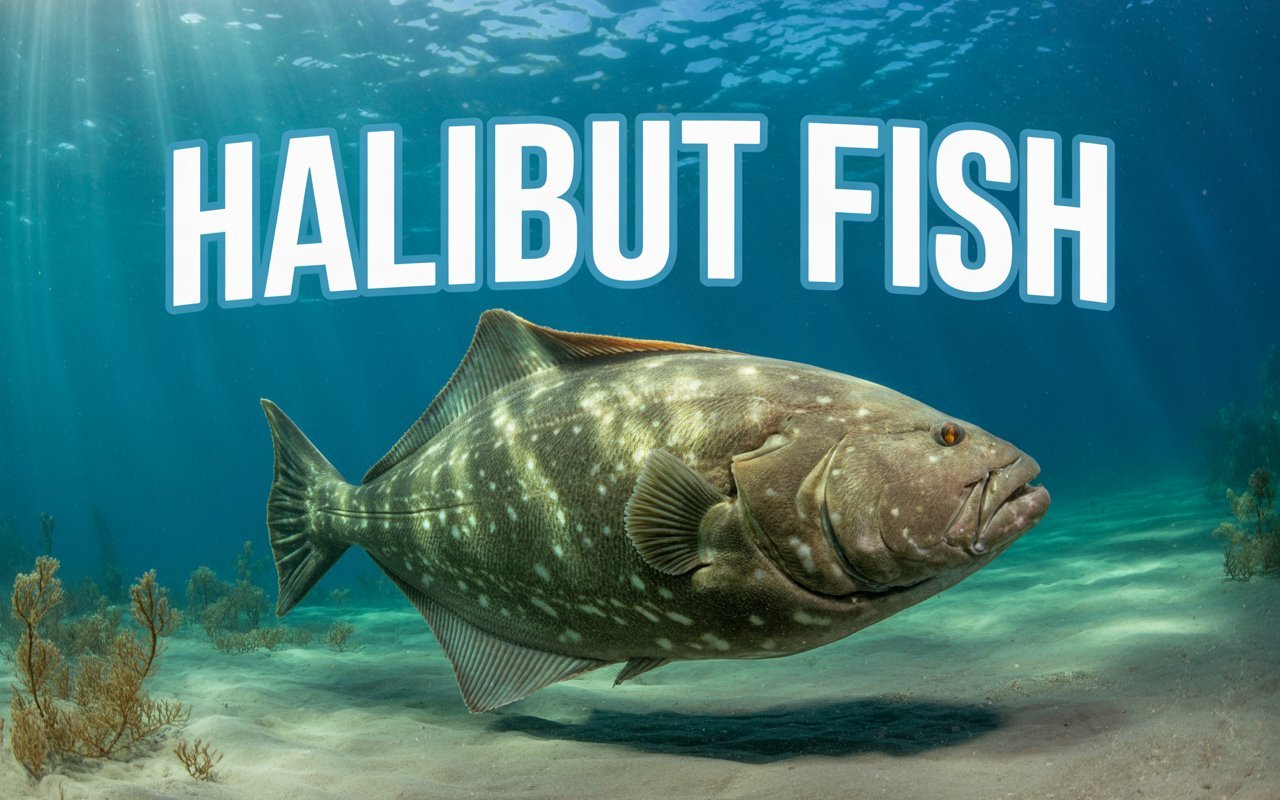
Halibut fish are among the largest and most fascinating flatfish in the world’s oceans. Known for their massive size, unique body shape, and excellent taste, halibut fish play an important role in marine ecosystems and global seafood industries. Their ability to camouflage on the ocean floor and their powerful swimming skills make them exceptional predators.
This detailed guide explains everything about halibut fish, including types, habitat, diet, behavior, and why they are so valuable.
What Is a Halibut Fish
Halibut fish are large flatfish belonging to the family Pleuronectidae. Like other flatfish, halibut have both eyes on one side of their body, allowing them to lie flat on the ocean floor while watching for prey above.
They are bottom-dwelling saltwater fish and are among the largest flatfish species on Earth.
Physical Characteristics of Halibut Fish
Halibut fish have wide, diamond-shaped bodies designed for life on the seabed. Their bodies are flat, with one dark-colored side facing upward and a pale underside resting on the ocean floor.
As they grow, one eye migrates to the other side of the head, giving them their distinctive appearance. Their strong tails allow them to swim quickly when needed.
Types of Halibut Fish
There are two main species of halibut fish, both known for their large size and commercial value.
Pacific Halibut
Pacific halibut are the largest species and can grow extremely long and heavy. They are commonly found in the North Pacific Ocean.
Atlantic Halibut
Atlantic halibut are slightly smaller but still massive. They are found in the North Atlantic Ocean and are considered one of the largest flatfish species in that region.
Natural Habitat of Halibut Fish
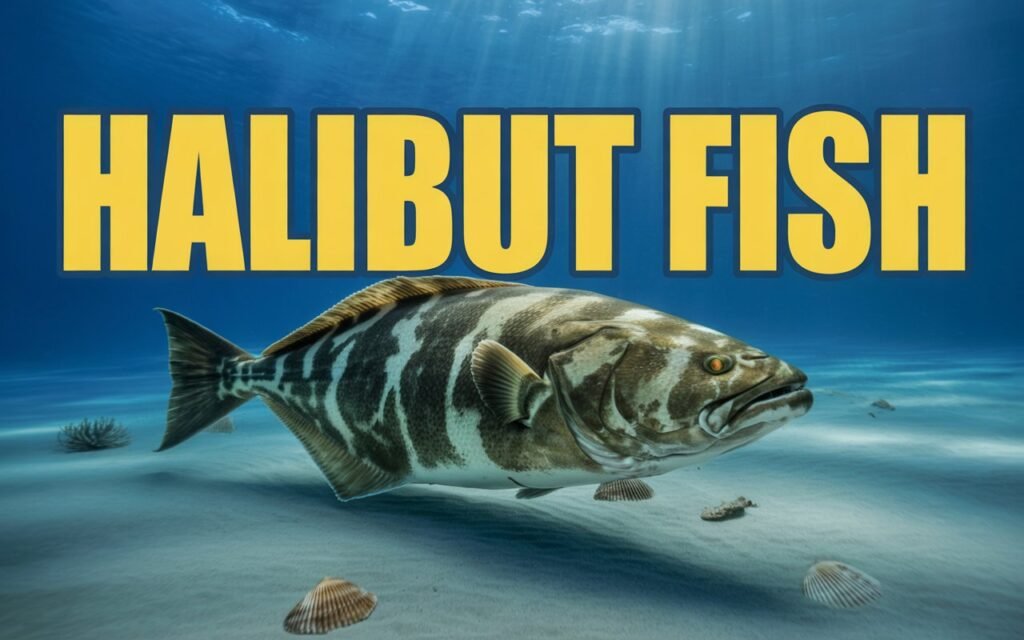
Halibut fish live on the ocean floor in cold to temperate waters. They prefer sandy or muddy bottoms where they can easily blend in with their surroundings.
They are usually found at various depths, from shallow coastal waters to deep offshore areas.
Camouflage and Survival
One of the most impressive abilities of halibut fish is camouflage. Their upper body color changes to match the surrounding seabed, helping them avoid predators and ambush prey.
This adaptation makes them highly effective hunters.
Diet of Halibut Fish
Halibut fish are carnivorous and feed on a wide variety of marine animals. Their diet includes smaller fish, squid, octopus, crabs, and shrimp.
Young halibut feed on plankton and small invertebrates before moving on to larger prey as they grow.
Hunting Behavior
Halibut fish are ambush predators. They lie still on the ocean floor, waiting for prey to come close. When the moment is right, they strike quickly with surprising speed.
Their flat bodies and strong jaws make them efficient hunters.
Growth and Size
Halibut fish are known for their impressive size. Some individuals can grow several meters long and weigh hundreds of kilograms.
They grow slowly and can live for many decades, making them vulnerable to overfishing.
Lifespan of Halibut Fish
Halibut fish are long-lived species. Many can live for several decades in the wild under natural conditions.
Their slow growth rate makes population recovery challenging if numbers decline.
Reproduction and Spawning
Halibut fish reproduce by spawning in deep waters. Females release millions of eggs, which float freely before hatching.
Larvae start life swimming upright before gradually transforming into flatfish as they mature.
Role of Halibut Fish in Marine Ecosystems
Halibut fish help control populations of smaller fish and invertebrates. As bottom predators, they contribute to maintaining balance in marine food webs.
Their presence indicates a healthy seabed ecosystem.
Halibut Fish and Commercial Fishing
Halibut fish are highly valued in commercial fishing due to their firm white flesh and mild flavor. They are considered a premium seafood choice worldwide.
Strict regulations are often applied to protect halibut populations.
Table: Halibut Fish Species Overview
| Species | Size | Habitat | Key Feature |
|---|---|---|---|
| Pacific Halibut | Very large | North Pacific | Largest flatfish |
| Atlantic Halibut | Large | North Atlantic | Long lifespan |
Nutritional Value of Halibut Fish
Halibut fish are rich in protein, omega-3 fatty acids, and essential vitamins. Their low fat content makes them a healthy seafood option.
They support heart health and muscle development.
Threats to Halibut Fish
Overfishing, climate change, and habitat disturbance are major threats to halibut fish populations. Their slow growth makes recovery difficult.
Sustainable fishing practices are critical for their survival.
Conservation and Management
Many regions enforce fishing quotas, size limits, and seasonal closures to protect halibut stocks. These measures help ensure long-term sustainability.
Responsible fishing benefits both ecosystems and fishing communities.
Can Halibut Fish Be Kept in Aquariums
Halibut fish are not suitable for home aquariums. Their massive size, long lifespan, and deep-water needs make them impossible to maintain in captivity.
They belong in the open ocean environment.
Cultural and Economic Importance
Halibut fish hold cultural importance in many coastal communities. They have been a traditional food source for centuries and remain economically valuable today.
Their size and strength also make them a respected catch.
Halibut Fish Compared to Other Flatfish
Halibut fish are much larger than flounder or sole. While similar in shape, halibut grow bigger and live longer.
They dominate the flatfish family in size and strength.
Final Thoughts on Halibut Fish
Halibut fish are remarkable ocean dwellers known for their size, camouflage, and ecological importance. They support marine balance and provide valuable nutrition to humans.
Protecting halibut fish ensures healthier oceans and sustainable seafood for future generations.
Frequently Asked Questions
What type of fish is a halibut?
Halibut are large saltwater flatfish.
Where do halibut fish live?
They live on the ocean floor in cold and temperate waters.
How big can halibut fish grow?
Some halibut can grow extremely large and heavy.
What do halibut fish eat?
They eat fish, squid, and crustaceans.
Are halibut fish good to eat?
Yes, they are highly valued for their taste and nutrition.
Can halibut fish be kept in aquariums?
No, they require large ocean environments.
Why are halibut fish important?
They help maintain balance in marine ecosystems.