
 By weeebooo70@gmail.com
A hang on back aquarium filter is one of the most popular and widely used filtration systems in the aquarium hobby. Known for its ease of use, affordability, and effective performance, this filter type is ideal for beginners and experienced aquarists alike. Whether you maintain a small freshwater tank or a medium-sized planted aquarium, a hang on back aquarium filter can provide reliable filtration with minimal effort.
This detailed guide explains everything you need to know about hang on back aquarium filters, including how they work, all available types, benefits, limitations, maintenance tips, and how to choose the right one for your aquarium.
What Is a Hang On Back Aquarium Filter?
A hang on back aquarium filter, often called an HOB filter, is an external filtration system that hangs on the back wall of the aquarium. It draws water from the tank, passes it through filter media, and returns the clean water back into the aquarium through a spillway or waterfall.
This design makes it simple to install, easy to maintain, and highly effective for everyday aquarium filtration needs.
How a Hang On Back Aquarium Filter Works
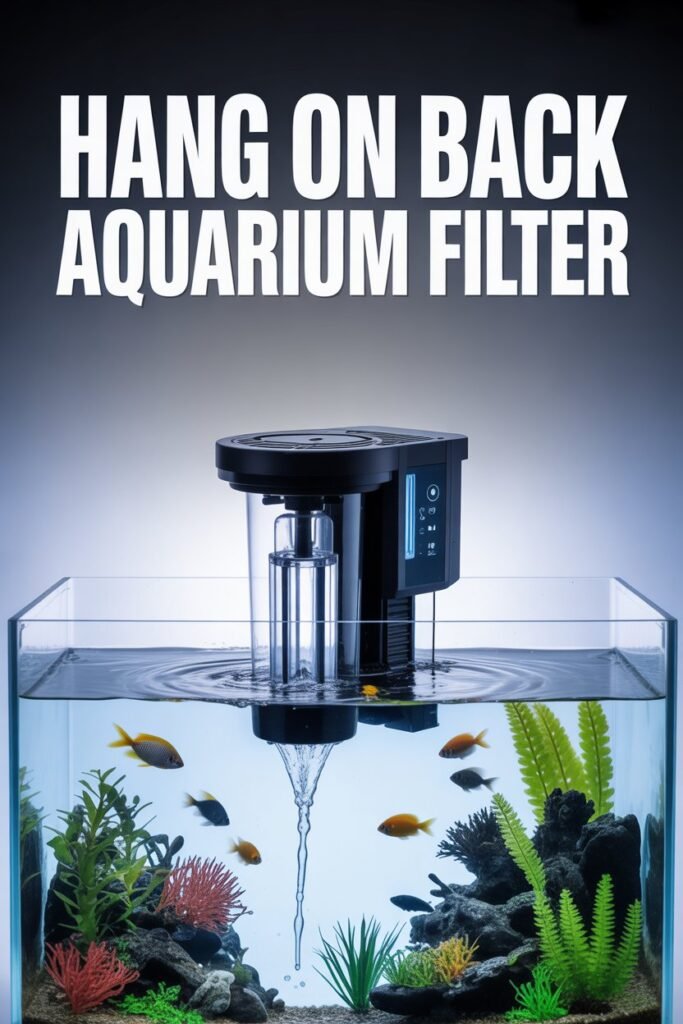
The working process is simple but efficient:
- Water is pulled from the aquarium through an intake tube
- Water passes through mechanical, biological, and sometimes chemical filter media
- Cleaned water flows back into the tank, creating surface agitation
This continuous process keeps aquarium water clean, oxygenated, and safe for fish.
Why Choose a Hang On Back Aquarium Filter?
1. Easy Installation
No complicated plumbing or setup is required.
2. Simple Maintenance
Media changes and cleaning are quick and accessible.
3. Cost-Effective
More affordable than canister filters.
4. Suitable for Many Tank Sizes
Available for nano tanks to medium-sized aquariums.
5. Excellent Water Circulation
Provides surface movement and oxygen exchange.
Types of Hang On Back Aquarium Filter
There are several types of hang on back aquarium filters, each designed for different needs and aquarium setups
1. Standard Cartridge-Based Hang On Back Aquarium Filter
This is the most common type.
Features:
- Uses disposable filter cartridges
- Combines mechanical and chemical filtration
- Easy to replace
Best For:
- Beginners
- Small to medium freshwater tanks
Pros:
- Simple design
- Minimal setup
Cons:
- Cartridge replacement can disrupt beneficial bacteria
2. Sponge-Based Hang On Back Aquarium Filter
Uses sponge instead of cartridges.
Features:
- Reusable sponge media
- Provides mechanical and biological filtration
Best For:
- Shrimp tanks
- Fry tanks
- Low-maintenance setups
Pros:
- Preserves beneficial bacteria
- Cost-effective over time
Cons:
- Requires regular rinsing
3. Multi-Media Hang On Back Aquarium Filter
Allows customization of filter media.
Features:
- Space for sponge, ceramic rings, and carbon
- Layered filtration system
Best For:
- Experienced hobbyists
- Planted tanks
Pros:
- Highly efficient
- Customizable
Cons:
- Slightly more maintenance
4. Adjustable Flow Hang On Back Aquarium Filter
Offers flow control.
Features:
- Adjustable water flow
- Gentle or strong circulation options
Best For:
- Betta fish
- Slow-swimming species
Pros:
- Reduces stress on fish
- Flexible performance
Cons:
- Flow control requires fine tuning
5. Hang On Back Aquarium Filter with Surface Skimmer
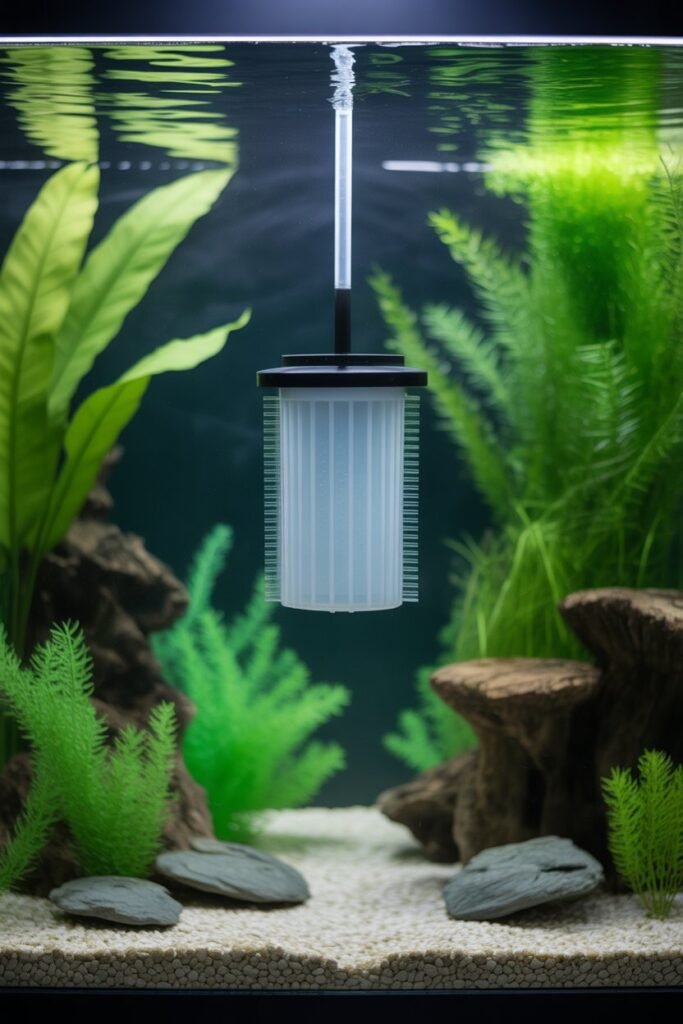
Includes a surface skimming attachment.
Features:
- Removes surface film
- Improves oxygen exchange
Best For:
- Planted aquariums
- Tanks with oily surface buildup
Pros:
- Cleaner surface
- Better gas exchange
Cons:
- Requires occasional cleaning
Filtration Stages in a Hang On Back Aquarium Filter
Mechanical Filtration
Removes solid debris such as:
- Fish waste
- Uneaten food
- Plant matter
Common mechanical media:
- Sponge
- Filter floss
- Pads
Biological Filtration
Supports beneficial bacteria.
Common biological media:
- Sponge
- Ceramic rings
- Bio media
This stage is crucial for breaking down toxic ammonia.
Chemical Filtration
Removes dissolved impurities.
Common chemical media:
- Activated carbon
- Specialized resins
Optional but useful in certain situations.
Hang On Back Aquarium Filter for Different Tank Types
Freshwater Aquariums
Ideal for:
- Community fish
- Beginner setups
Provides sufficient filtration with minimal effort.
Planted Aquariums
Works well when:
- Flow is adjustable
- Biological media is prioritized
Avoid excessive chemical filtration.
Betta Fish Tanks
Recommended features:
- Adjustable flow
- Sponge intake cover
Prevents fin damage and stress.
Shrimp and Fry Tanks
Important considerations:
- Intake sponge
- Gentle flow
Ensures safety for small animals.
Saltwater Aquariums
Can be used for:
- Small marine tanks
- Quarantine tanks
Often paired with additional filtration.
Choosing the Right Hang On Back Aquarium Filter
Consider the following factors:
Tank Size
Choose a filter rated slightly higher than your tank volume.
Fish Load
Heavily stocked tanks need stronger filtration.
Noise Level
Look for quiet motor design.
Media Customization
Choose filters that allow reusable media.
Flow Control
Important for delicate fish species.
Proper Installation of a Hang On Back Aquarium Filter
- Hang the filter securely on the tank rim
- Fill the filter chamber with water
- Install filter media correctly
- Plug in the filter
- Adjust flow if available
Priming the filter ensures smooth startup.
Maintenance of Hang On Back Aquarium Filter
Weekly Tasks
- Check water flow
- Inspect intake tube
Monthly Tasks
- Rinse sponge in aquarium water
- Clean impeller
Media Replacement Guidelines
- Mechanical media: rinse regularly
- Biological media: replace only when damaged
- Chemical media: replace as needed
Never replace all media at once.
Common Problems and Solutions
Noisy Filter
- Check water level
- Clean impeller
Reduced Flow
- Clean intake tube
- Rinse mechanical media
Water Bypass
- Reposition filter media
- Avoid overstuffing
Advantages of Hang On Back Aquarium Filter
- Easy to use
- Affordable
- Efficient filtration
- Compact design
- Widely available
Limitations of Hang On Back Aquarium Filter
- Limited media capacity
- Visible on tank back
- Less powerful than canister filters
Despite limitations, it remains highly popular.
Tips for Maximizing Performance
- Use reusable media instead of cartridges
- Add ceramic rings for biological filtration
- Avoid over-cleaning
- Match filter size to tank needs
Hang On Back Aquarium Filter FAQs
What size hang on back aquarium filter do I need?
Choose one rated for slightly larger than your tank size.
Are hang on back aquarium filters good for beginners?
Yes, they are ideal for beginners.
Can I use a hang on back aquarium filter without carbon?
Yes, carbon is optional.
How often should I clean a hang on back aquarium filter?
Light cleaning every 2–4 weeks is sufficient.
Is a hang on back aquarium filter safe for shrimp?
Yes, with an intake sponge.
Can I use multiple hang on back filters?
Yes, for larger or heavily stocked tanks.
Do hang on back aquarium filters oxygenate water?
Yes, the waterfall return increases oxygen exchange.
Final Thoughts
A hang on back aquarium filter is one of the most practical and reliable filtration solutions for home aquariums. Its simple installation, effective filtration, and low maintenance make it a favorite choice for hobbyists worldwide. By selecting the right type, using proper filter media, and maintaining it regularly, you can ensure clean water, healthy fish, and a stable aquarium environment.