
 By weeebooo70@gmail.com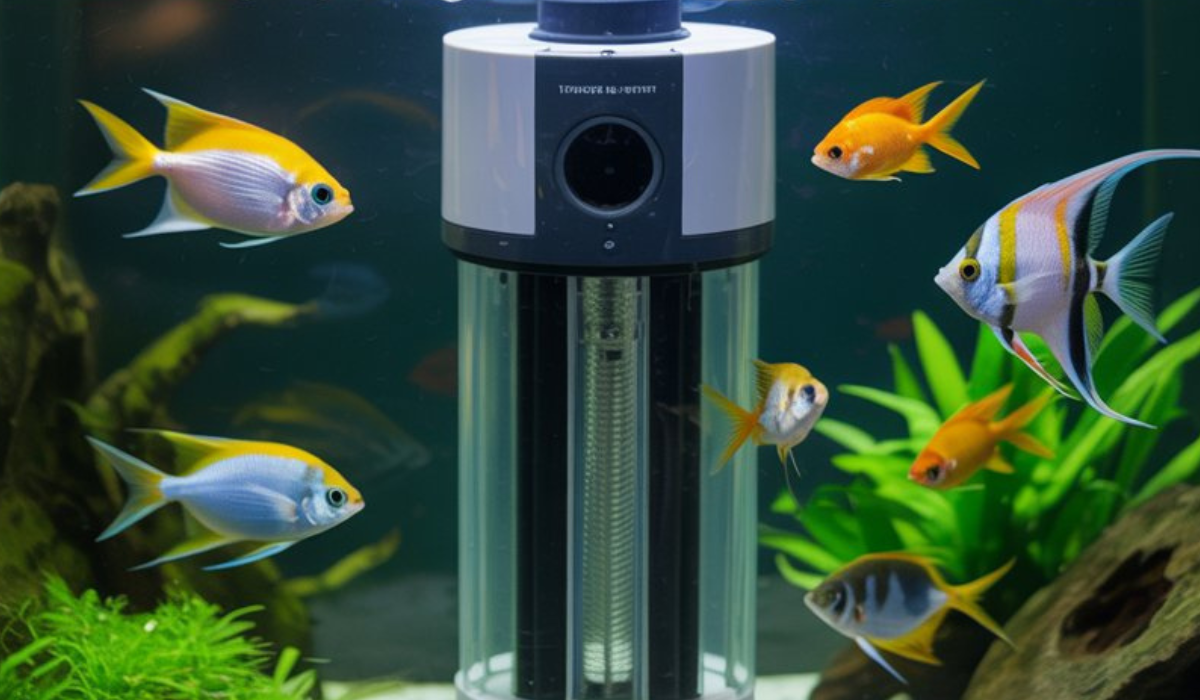
An internal aquarium filter is one of the most important pieces of equipment for keeping aquarium fish healthy and water crystal clear. Whether you are a beginner setting up your first tank or an experienced aquarist managing multiple aquariums, understanding how an internal aquarium filter works, its types, benefits, and correct usage is essential for long-term success.
This detailed guide will walk you through everything you need to know about internal aquarium filters, including how they work, different types, advantages, maintenance tips, and how to choose the right one for your aquarium setup.
What Is an Internal Aquarium Filter?
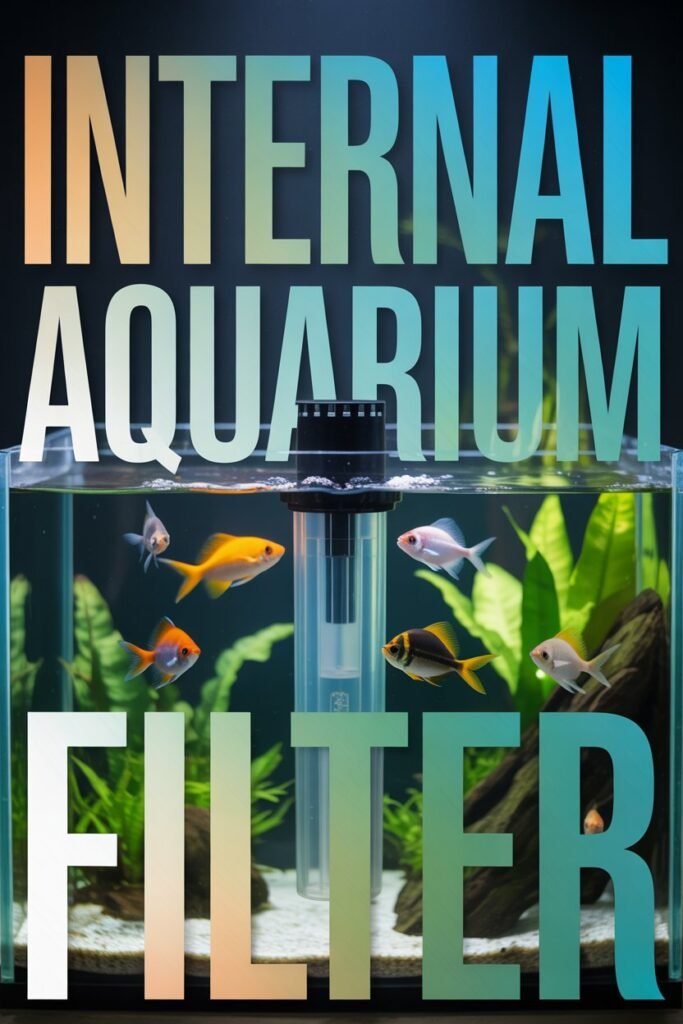
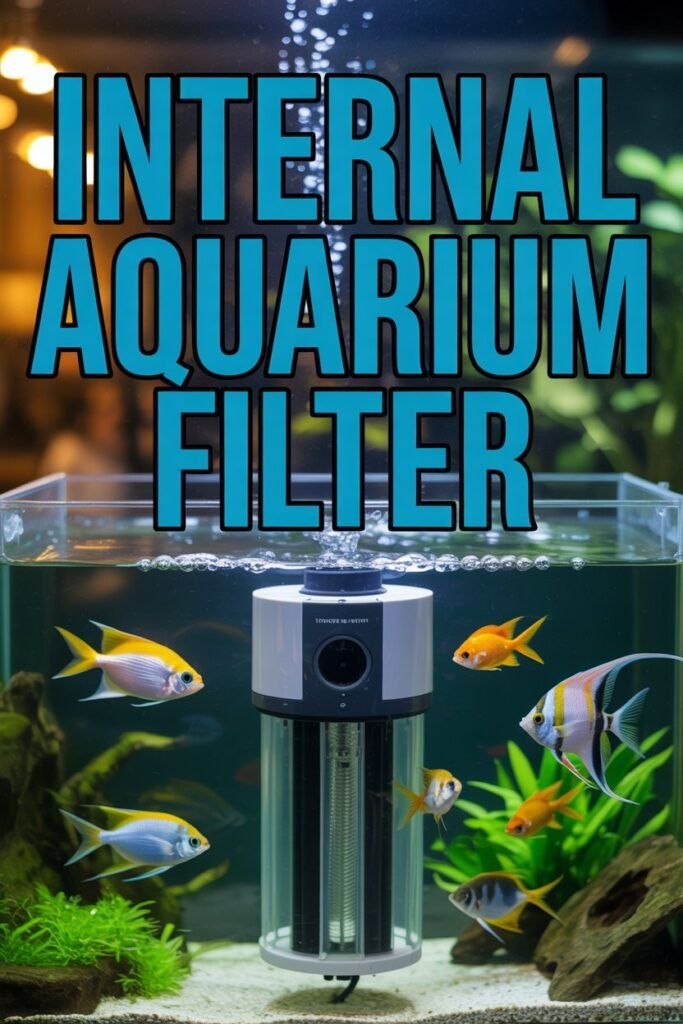
An internal aquarium filter is a filtration device designed to operate inside the fish tank, fully submerged in water. Unlike external or canister filters, internal filters sit within the aquarium and draw water through filter media to remove waste, debris, toxins, and harmful chemicals.
These filters are especially popular for:
- Small to medium aquariums
- Beginner fish tanks
- Hospital and quarantine tanks
- Fry and breeding tanks
Internal aquarium filters are known for being compact, affordable, and easy to install.
How an Internal Aquarium Filter Works
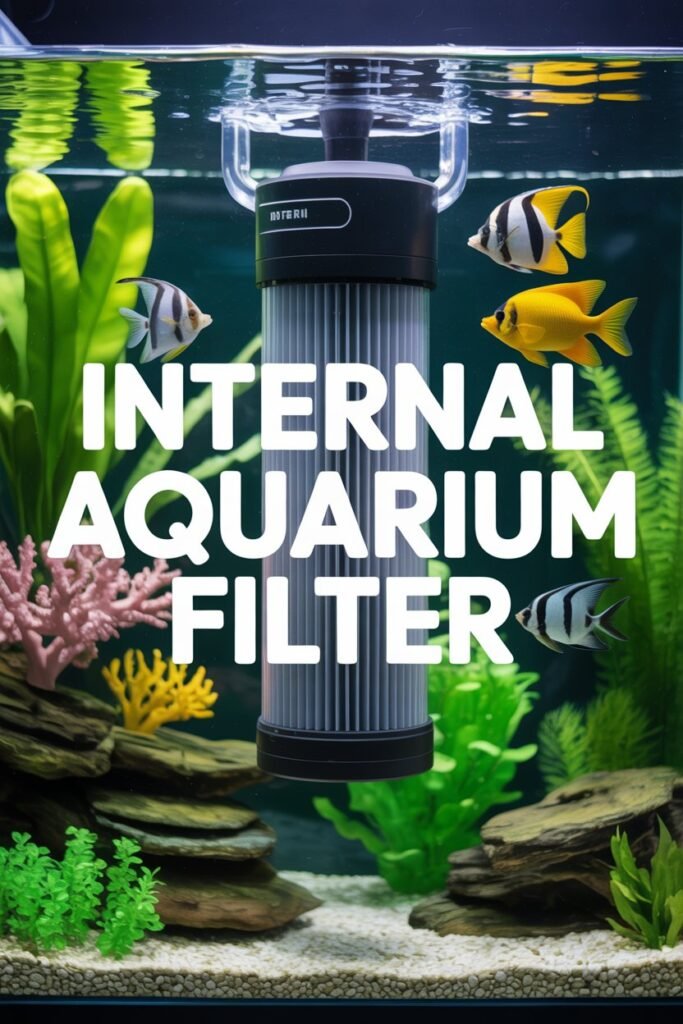
An internal aquarium filter works by pulling aquarium water through a sponge or filter media, cleaning it, and releasing it back into the tank. The process involves three main filtration stages:
Mechanical Filtration
This stage traps visible debris such as:
- Fish waste
- Uneaten food
- Plant matter
Sponge filters are commonly used for mechanical filtration in internal filters.
Biological Filtration
Beneficial bacteria grow on the filter media and help break down:
- Ammonia
- Nitrites
- Nitrates
This process is vital for maintaining a healthy nitrogen cycle.
Chemical Filtration (Optional)
Some internal aquarium filters include space for:
- Activated carbon
- Chemical resins
These remove odors, discoloration, and dissolved impurities.
Types of Internal Aquarium Filters
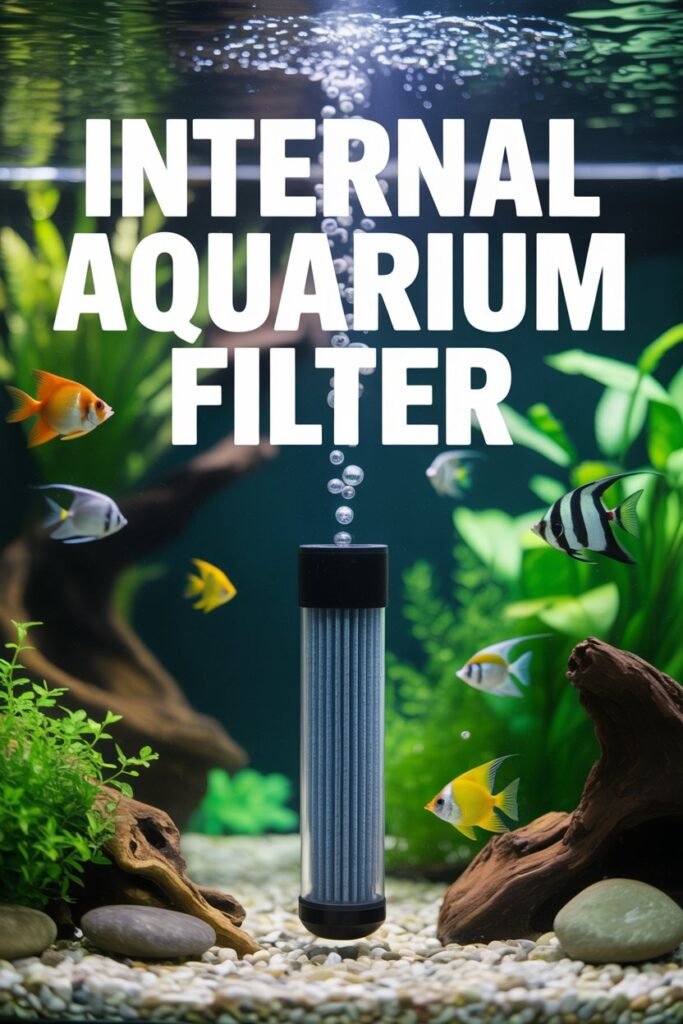
There are several types of internal aquarium filters, each designed for specific needs and tank sizes.
Sponge Internal Aquarium Filter
Sponge filters are one of the most popular internal aquarium filters.
Key Features:
- Powered by air pumps or small motors
- Excellent biological filtration
- Safe for fry and shrimp
- Low water flow
Best For:
- Breeding tanks
- Shrimp aquariums
- Betta fish tanks
Power Internal Aquarium Filter
Power internal filters use a built-in motor to pull water through the filter.
Key Features:
- Stronger filtration
- Compact design
- Adjustable flow in many models
Best For:
- Community tanks
- Medium-sized aquariums
- Tanks with higher bioload
Corner Internal Aquarium Filter
Corner filters are designed to sit discreetly in the corner of the aquarium.
Key Features:
- Space-saving
- Easy to hide with plants
- Often powered by air pumps
Best For:
- Small aquariums
- Minimalist setups
Modular Internal Aquarium Filter
These filters allow customization by adding or removing filter media.
Key Features:
- Custom filtration setup
- Better control over water quality
- Suitable for advanced aquarists
Best For:
- Specialized aquariums
- Heavily stocked tanks
Benefits of Using an Internal Aquarium Filter
Easy Installation
Internal aquarium filters are simple to install and require no plumbing or external equipment.
Affordable
They are usually more budget-friendly than canister or sump filters.
Compact Size
Perfect for tanks where space is limited.
Quiet Operation
Most internal aquarium filters operate silently or with minimal noise.
Ideal for Beginners
Easy maintenance and simple setup make them beginner-friendly.
Drawbacks of Internal Aquarium Filters
While internal aquarium filters offer many benefits, they also have limitations.
- Take up space inside the tank
- Less powerful than external filters
- Not ideal for very large aquariums
- Visible equipment may affect aesthetics
Understanding these limitations helps you decide whether an internal filter is right for your aquarium.
Choosing the Right Internal Aquarium Filter
Tank Size
Always match the filter’s capacity with your aquarium size. Using an undersized filter can lead to poor water quality.
Fish Species
Some fish prefer low water flow, while others thrive in stronger currents.
- Betta fish: Low flow
- Goldfish: Stronger filtration
- Shrimp: Sponge filters
Bioload
Heavily stocked tanks require stronger filtration or multiple internal filters.
Maintenance Preference
Choose a filter that is easy to clean and maintain regularly.
Best Tank Sizes for Internal Aquarium Filters
Internal aquarium filters work best in:
- Nano tanks
- Small aquariums
- Medium aquariums up to 40–50 gallons
For larger tanks, multiple internal filters may be required.
How to Install an Internal Aquarium Filter
- Rinse the filter media with aquarium water
- Attach suction cups securely to the tank wall
- Submerge the filter fully
- Plug in the power or air pump
- Adjust water flow if available
Always ensure the filter is completely underwater before turning it on.
Maintenance and Cleaning Tips
How Often to Clean
- Light cleaning every 2–4 weeks
- Deep cleaning only when flow decreases
Proper Cleaning Method
- Use old tank water
- Never use tap water
- Avoid cleaning all media at once
Media Replacement
- Sponge: Replace only when deteriorated
- Carbon: Replace monthly if used
Proper maintenance extends the life of your internal aquarium filter.
Internal Aquarium Filter for Different Tank Types
Freshwater Aquariums
Internal aquarium filters are ideal for freshwater tanks with tropical fish.
Planted Aquariums
Low-flow internal filters protect delicate plant roots and CO₂ balance.
Betta Fish Tanks
Internal filters with adjustable flow prevent fin damage.
Shrimp Tanks
Sponge internal filters prevent shrimp from being sucked in.
Hospital Tanks
Easy cleaning and quick setup make them perfect for quarantine tanks.
Internal Aquarium Filter vs Other Filters
Internal vs Hang-On-Back Filter
Internal filters are quieter and safer for small tanks, while hang-on-back filters offer stronger filtration.
Internal vs Canister Filter
Canister filters provide superior filtration for large tanks, but internal filters are simpler and cheaper.
Internal vs Sponge Filter
Sponge filters excel at biological filtration, while power internal filters offer mechanical strength.
Common Problems and Solutions
Low Water Flow
- Clean clogged media
- Check impeller
- Reduce debris buildup
Noisy Operation
- Ensure filter is fully submerged
- Check loose parts
Cloudy Water
- Increase maintenance frequency
- Add biological media
Tips to Maximize Internal Aquarium Filter Performance
- Use multiple filters in larger tanks
- Combine sponge and power filters
- Avoid overfeeding fish
- Perform regular water changes
These steps ensure optimal filtration and water quality.
Frequently Asked Questions (FAQs)
What size internal aquarium filter do I need?
Choose a filter rated for a tank slightly larger than your actual aquarium size.
Are internal aquarium filters good for beginners?
Yes, they are one of the easiest and safest filters for beginners.
Can an internal aquarium filter run 24/7?
Yes, it should run continuously to maintain the nitrogen cycle.
How long does an internal aquarium filter last?
With proper care, an internal aquarium filter can last several years.
Is an internal aquarium filter enough on its own?
For small to medium tanks, yes. Larger tanks may need additional filtration.
Can internal aquarium filters harm fish?
No, when used correctly and cleaned regularly.
Do internal aquarium filters need an air pump?
Some do, while others have built-in motors.
Can I use an internal aquarium filter in a planted tank?
Yes, low-flow models are excellent for planted aquariums.
Final Thoughts
An internal aquarium filter is a reliable, affordable, and beginner-friendly filtration solution that works exceptionally well for small to medium aquariums. With proper selection, installation, and maintenance, it can provide excellent mechanical and biological filtration, ensuring clean water and healthy fish.
Whether you are setting up a nano tank, breeding aquarium, or community fish tank, an internal aquarium filter remains one of the most practical and effective choices available.