
 By weeebooo70@gmail.com
Molly fish are among the most popular freshwater aquarium fish due to their peaceful nature, vibrant colors, and ease of care. They are commonly recommended for beginners while still offering enough variety and interest to satisfy experienced aquarists. Known for their adaptability and active behavior, molly fish add constant movement and life to community aquariums.
This guide covers everything you need to know about molly fish, including their characteristics, types, tank requirements, diet, behavior, breeding, and common care mistakes.
What Is a Molly Fish
Molly fish are livebearing freshwater fish belonging to the Poeciliidae family. They originate from warm waters in Central and South America. Mollies are known for their ability to adapt to different water conditions, including slightly brackish environments.
They are social fish that thrive in groups and display lively swimming patterns.
Physical Characteristics of Molly Fish
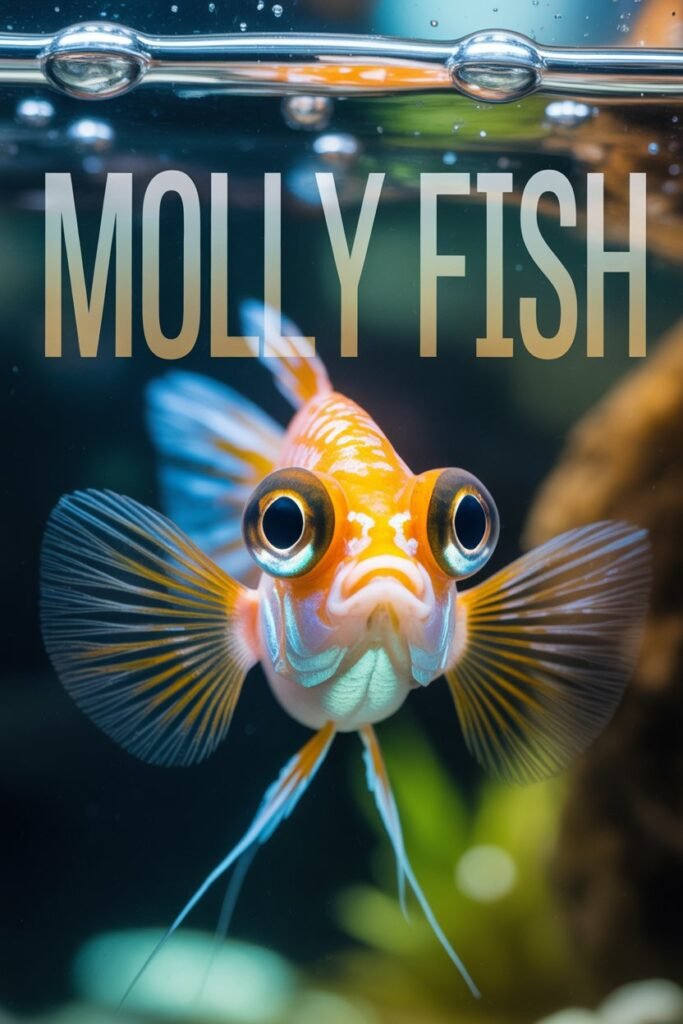
Molly fish have streamlined bodies with rounded fins. Their coloration varies widely depending on the variety, ranging from solid black and white to spotted, marbled, or multicolored patterns.
Females are generally larger and rounder than males, while males have a pointed fin used for reproduction.
Types of Molly Fish
There are many molly varieties available, each with unique colors and fin shapes.
Black Molly
Black mollies are solid black in color and are one of the most common and recognizable varieties.
Dalmatian Molly
Dalmatian mollies have a white base color with black spots, resembling the pattern of a dalmatian dog.
Balloon Molly
Balloon mollies have a rounded body shape due to a genetic trait. While visually appealing, they require gentle care.
Lyretail Molly
Lyretail mollies have extended tail fins that form a graceful lyre shape.
Sailfin Molly
Sailfin mollies are known for their large dorsal fins, especially in males, which they display during courtship.
Natural Habitat of Molly Fish
In the wild, molly fish inhabit rivers, streams, and coastal waters with warm temperatures and moderate flow. Some species naturally live in brackish environments.
This adaptability influences how mollies can be kept in aquariums.
Ideal Tank Size for Molly Fish
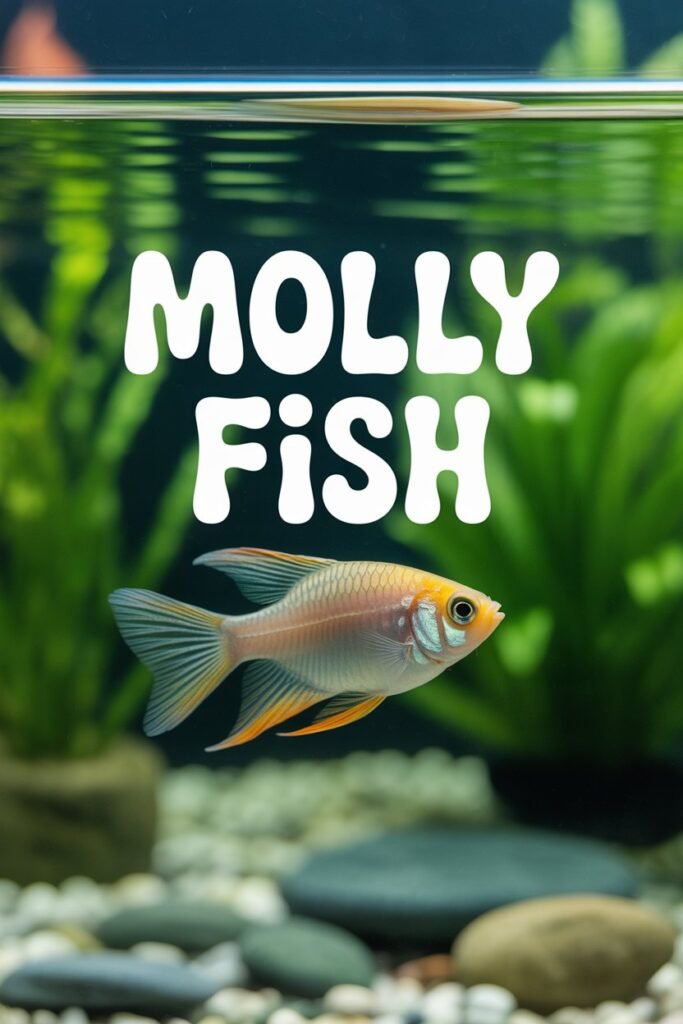
Molly fish need adequate swimming space. A medium-sized aquarium is recommended for a small group.
Larger tanks allow mollies to display natural behavior and reduce stress.
Tank Setup for Molly Fish
A molly fish tank should include good filtration, gentle water flow, and open swimming areas. Live plants provide shelter and grazing opportunities.
Decorations should not overcrowd the tank.
Water Parameters for Molly Fish
Mollies prefer warm water with stable conditions. Clean water and regular water changes are important for their health.
They are sensitive to poor water quality despite being hardy.
Diet of Molly Fish
Molly fish are omnivorous. Their diet should include a mix of plant-based and protein-rich foods.
Vegetables and algae-based foods help maintain digestive health and vibrant coloration.
Behavior and Temperament of Molly Fish
Mollies are peaceful and social. They do best in groups and interact actively with tank mates.
Occasional chasing may occur, especially among males, but serious aggression is rare.
Compatibility with Other Fish
Molly fish are excellent community fish. They are compatible with other peaceful species that share similar water requirements.
Avoid aggressive or fin-nipping fish.
Table: Popular Molly Fish Varieties
| Molly Type | Color Pattern | Skill Level |
|---|---|---|
| Black Molly | Solid black | Beginner |
| Dalmatian Molly | Spotted | Beginner |
| Balloon Molly | Rounded body | Intermediate |
| Lyretail Molly | Extended fins | Beginner |
| Sailfin Molly | Large dorsal fin | Intermediate |
Breeding Molly Fish
Molly fish are livebearers, meaning they give birth to live fry rather than laying eggs. Breeding occurs easily in community tanks.
Females can store sperm and give birth multiple times after one mating.
Caring for Molly Fry
Molly fry are small but active. They require fine food and hiding spaces to avoid being eaten by adults.
Plants and breeding boxes increase fry survival.
Common Mistakes When Keeping Molly Fish

Overcrowding is a common issue due to frequent breeding. Poor water quality also causes stress and illness.
Providing an unbalanced diet can lead to health problems.
Molly Fish and Algae Control
Mollies may graze on soft algae but should not be relied on as primary algae controllers.
Proper maintenance is still necessary.
Molly Fish for Beginners
Mollies are excellent for beginners because of their hardy nature and easy care requirements.
Understanding their breeding behavior helps avoid overpopulation.
Long-Term Care Tips
Consistent maintenance, proper feeding, and adequate space ensure healthy molly fish.
Observation helps detect health issues early.
Final Thoughts on Molly Fish
Molly fish are colorful, active, and adaptable aquarium inhabitants. Their friendly nature and ease of care make them ideal for community tanks.
With proper planning and care, molly fish provide long-lasting enjoyment and a lively aquarium environment.
Frequently Asked Questions
Are molly fish easy to care for?
Yes, they are hardy and beginner-friendly.
How many molly fish should be kept together?
They do best in small groups.
Do molly fish need a heater?
Yes, they prefer warm water.
Can molly fish live in brackish water?
Some species can tolerate brackish conditions.
How often do molly fish breed?
They breed frequently under proper conditions.
Are balloon mollies healthy?
They require extra care due to body shape.
How long do molly fish live?
With proper care, they can live several years.