
 By weeebooo70@gmail.com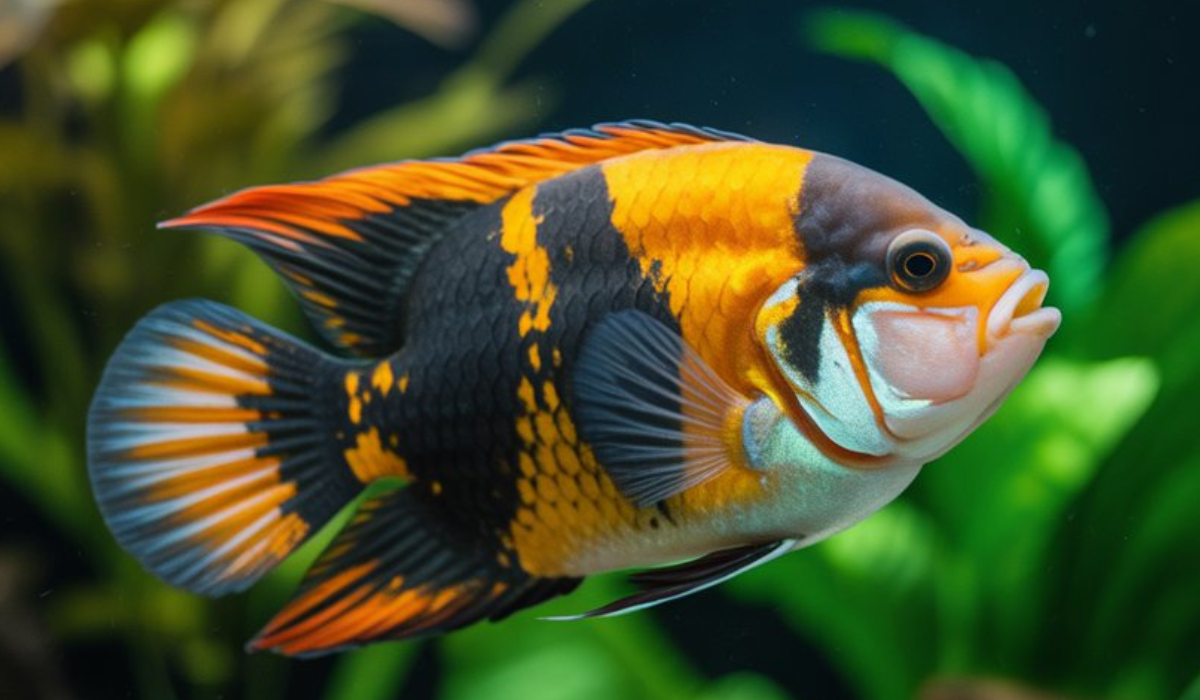
Oscar fish are one of the most intelligent and interactive freshwater aquarium fish. Known for their bold personality, large size, and striking appearance, Oscar fish are often described as water pets rather than simple aquarium fish. They recognize their owners, display unique behaviors, and quickly become the centerpiece of any aquarium.
This detailed guide explains everything you need to know about Oscar fish, including their types, tank requirements, feeding habits, behavior, compatibility, and long-term care.
What Is an Oscar Fish
Oscar fish are large freshwater cichlids scientifically known as Astronotus ocellatus. They originate from the Amazon River basin in South America, where they inhabit slow-moving rivers and floodplains.
They are prized in aquariums for their intelligence, expressiveness, and strong interaction with humans.
Physical Characteristics of Oscar Fish
Oscar fish have oval-shaped bodies with powerful tails and large mouths. Their size can reach up to a foot or more in home aquariums.
Their colors vary depending on the variety and can include combinations of black, orange, red, yellow, and white.
Popular Types of Oscar Fish
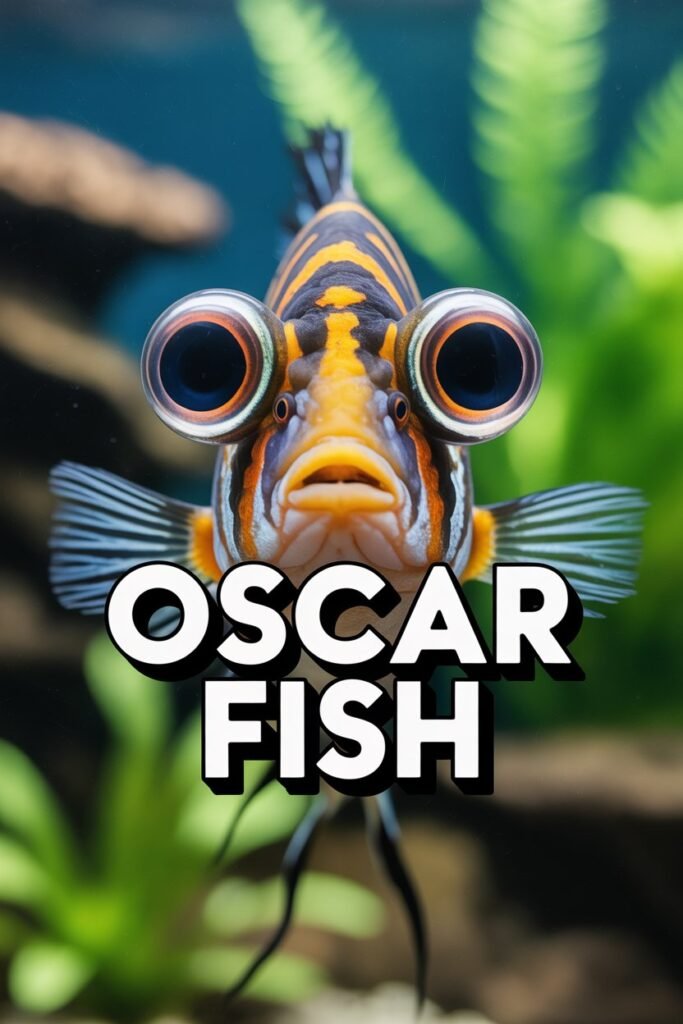
Oscar fish come in several popular color varieties, each with unique patterns.
Tiger Oscar
Tiger Oscars are black with bright orange or red markings. This is the most common and recognizable type.
Albino Oscar
Albino Oscars have a white or pale body with red or orange markings and red eyes.
Red Oscar
Red Oscars display intense red coloration over most of their body.
Lemon Oscar
Lemon Oscars have yellowish coloration with lighter patterns.
Veil Tail Oscar
Veil Tail Oscars have longer, flowing fins compared to standard varieties.
Natural Habitat of Oscar Fish
In the wild, Oscar fish live in warm, slow-moving waters with submerged roots and vegetation. They are accustomed to murky water with soft substrates.
This natural environment explains their digging behavior in aquariums.
Ideal Tank Size for Oscar Fish
Oscar fish require large aquariums due to their size and activity level. A spacious tank allows them to swim freely and reduces stress.
Small tanks lead to stunted growth and aggressive behavior.
Tank Setup for Oscar Fish
An Oscar fish tank should have strong filtration, open swimming areas, and minimal decorations. They often move or uproot décor, so heavy items are recommended.
A bare-bottom or sand substrate works best.
Water Parameters for Oscar Fish
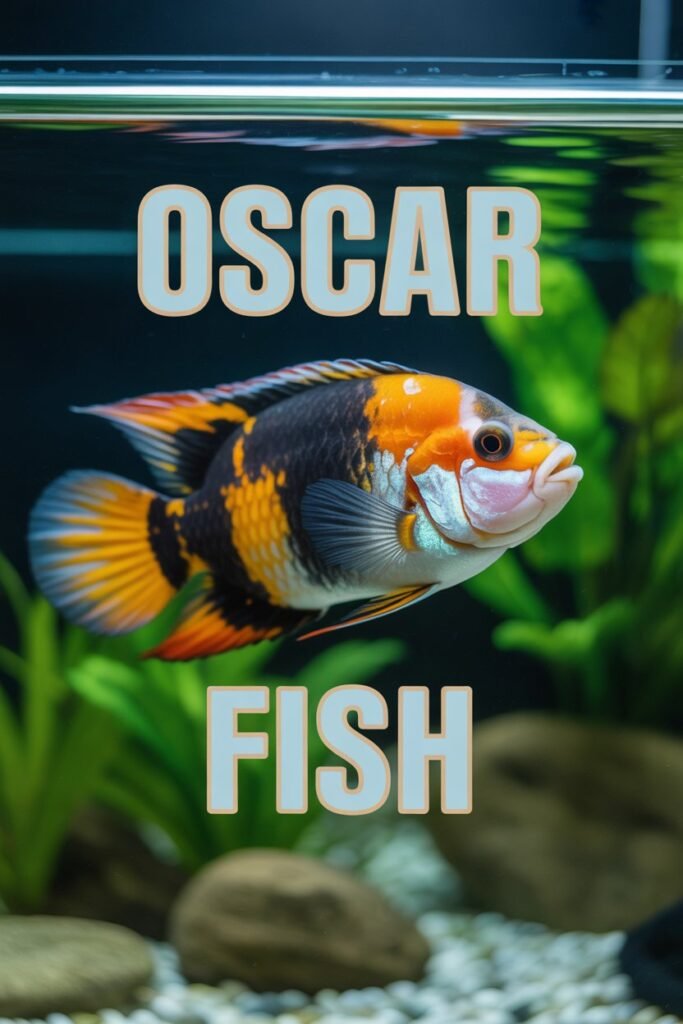
Oscar fish thrive in warm water with stable conditions. Clean water is critical because Oscars produce a lot of waste.
Regular water changes help prevent health issues.
Diet of Oscar Fish
Oscar fish are omnivorous with a strong appetite. Their diet should include high-quality pellets, frozen foods, and occasional vegetables.
Overfeeding should be avoided to prevent obesity and water pollution.
Feeding Behavior and Intelligence
Oscar fish are highly intelligent and quickly learn feeding routines. Many will eat directly from their owner’s hand.
They show excitement during feeding times and can distinguish people.
Behavior and Temperament of Oscar Fish
Oscar fish are territorial and can be aggressive, especially as they mature. They are best kept alone or with carefully chosen tank mates.
Their personality is bold, curious, and interactive.
Compatibility with Other Fish
Oscar fish are not suitable for typical community tanks. They may eat smaller fish and bully passive species.
Only large, robust fish with similar temperament should be considered.
Table: Oscar Fish Quick Overview
| Feature | Description |
|---|---|
| Size | Large |
| Temperament | Semi-aggressive |
| Diet | Omnivorous |
| Tank Size | Large aquarium |
| Skill Level | Intermediate to advanced |
Breeding Oscar Fish
Breeding Oscar fish requires a bonded pair and a large tank. They are substrate spawners and exhibit strong parental care.
Both parents guard eggs and fry aggressively.
Caring for Oscar Fry
Oscar fry grow quickly and require frequent feeding with fine foods. Clean water is essential for healthy development.
Separate rearing tanks increase survival rates.
Common Mistakes When Keeping Oscar Fish
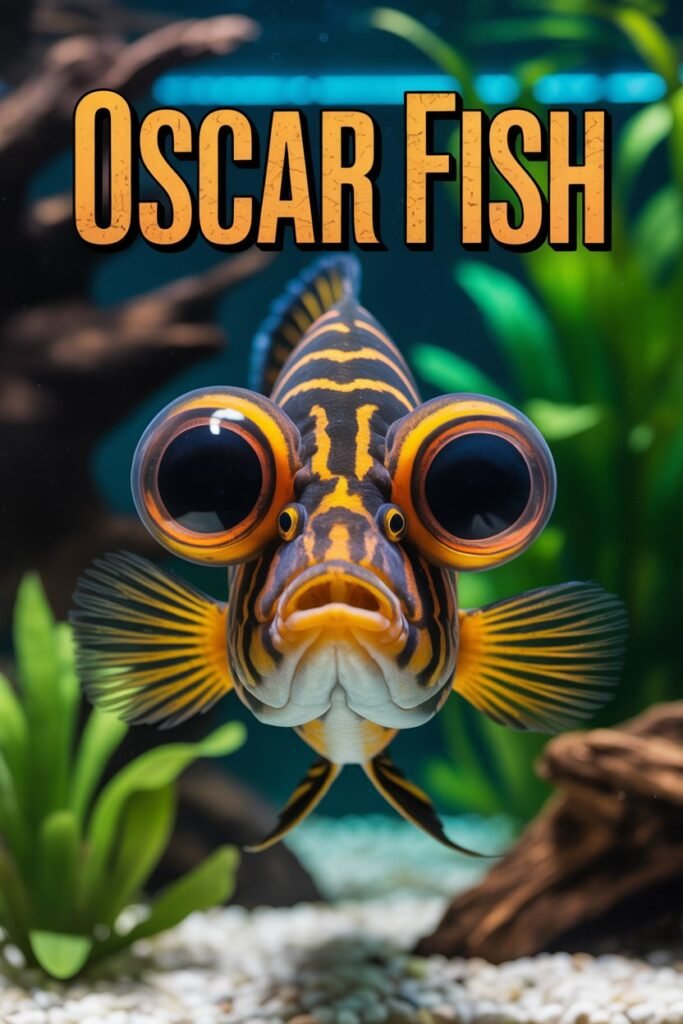
Keeping Oscars in small tanks is the most common mistake. Poor filtration and infrequent water changes also cause health issues.
Mixing Oscars with incompatible tank mates leads to stress and aggression.
Health Issues in Oscar Fish
Oscar fish can suffer from common freshwater diseases if water quality is poor. Early signs include loss of appetite and unusual behavior.
Preventive care is more effective than treatment.
Oscar Fish Lifespan
With proper care, Oscar fish can live for many years. Consistent maintenance and proper diet significantly increase lifespan.
They often become long-term companions for aquarists.
Oscar Fish for Beginners
Oscar fish are not ideal for beginners due to their size, waste production, and aggression. However, dedicated hobbyists can succeed with proper research.
They require commitment and space.
Long-Term Care Tips
Maintain excellent water quality, feed a balanced diet, and observe behavior regularly. Avoid sudden changes in water parameters.
A calm environment helps Oscars thrive.
Final Thoughts on Oscar Fish
Oscar fish are bold, intelligent, and highly engaging aquarium fish. They require space, care, and responsibility, but reward their owners with unmatched personality and interaction.
For aquarists ready for a large, interactive fish, Oscar fish are a truly rewarding choice.
Frequently Asked Questions
Are Oscar fish aggressive?
They can be territorial, especially with other fish.
How big do Oscar fish get?
They grow quite large in home aquariums.
Can Oscar fish recognize their owner?
Yes, they are known for recognizing people.
Do Oscar fish need a heater?
Yes, they prefer warm water.
Can Oscar fish live alone?
Yes, they often do best alone.
How often should Oscar fish be fed?
Moderate feeding once or twice daily is sufficient.
Are Oscar fish hard to care for?
They require experience and commitment.