
 By weeebooo70@gmail.com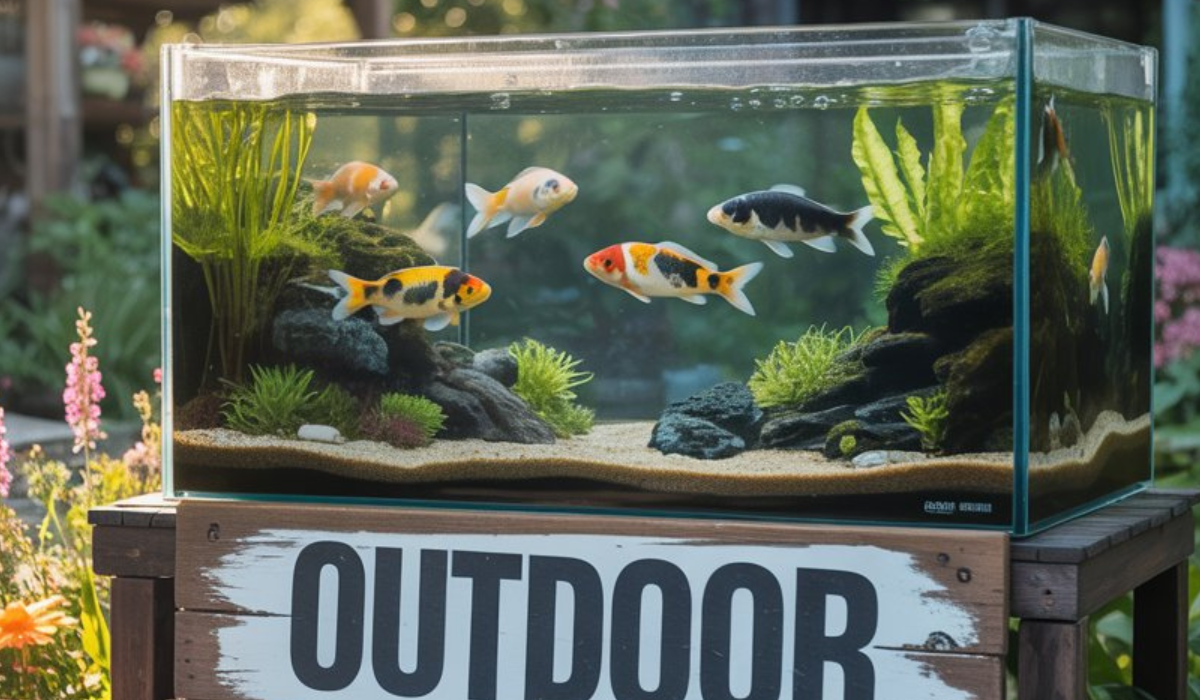
An outdoor fish tank is a unique and eye-catching way to bring nature into your garden, patio, or backyard. Unlike indoor aquariums, outdoor setups combine fresh air, natural sunlight, and larger spaces to create a more natural and dynamic environment for fish.
Whether you want a decorative garden feature or a relaxing outdoor hobby, this complete guide will help you design, build, and maintain a successful outdoor fish tank.
What is an Outdoor Fish Tank?
An outdoor fish tank is an aquarium placed outside the home, typically in a garden, balcony, or yard. It can range from a simple container setup to a large decorative water feature.
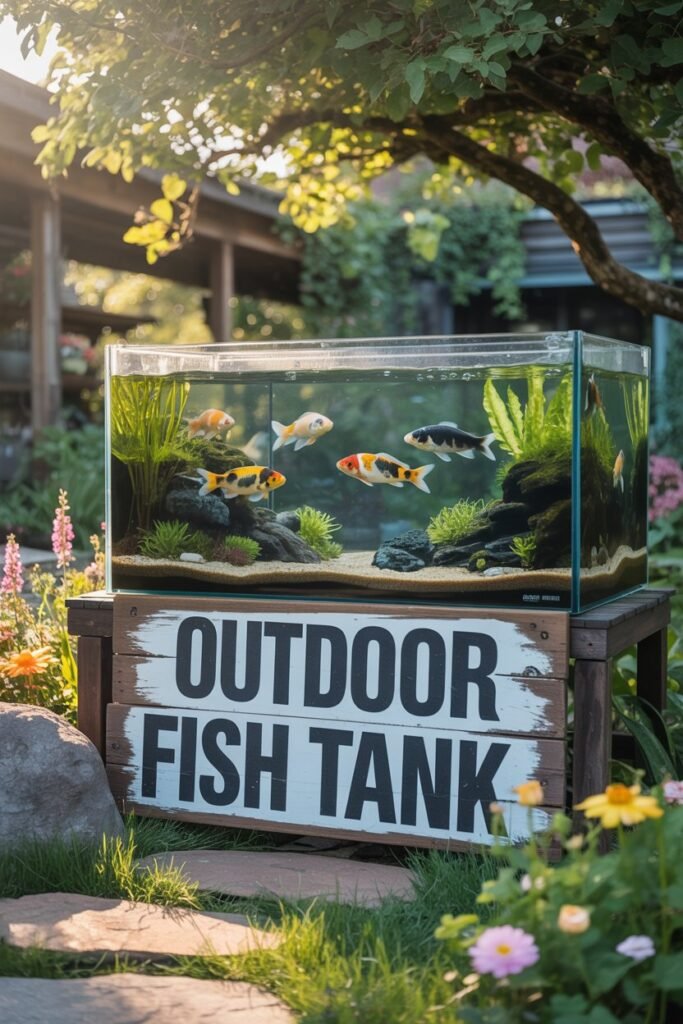
Outdoor tanks often resemble mini ponds and can include plants, rocks, and even waterfalls to create a natural ecosystem.
Benefits of an Outdoor Fish Tank
An outdoor fish tank offers several advantages.
First, it enhances the beauty of your outdoor space by adding movement and color. Second, it provides a more natural environment for fish, with sunlight and fresh air.
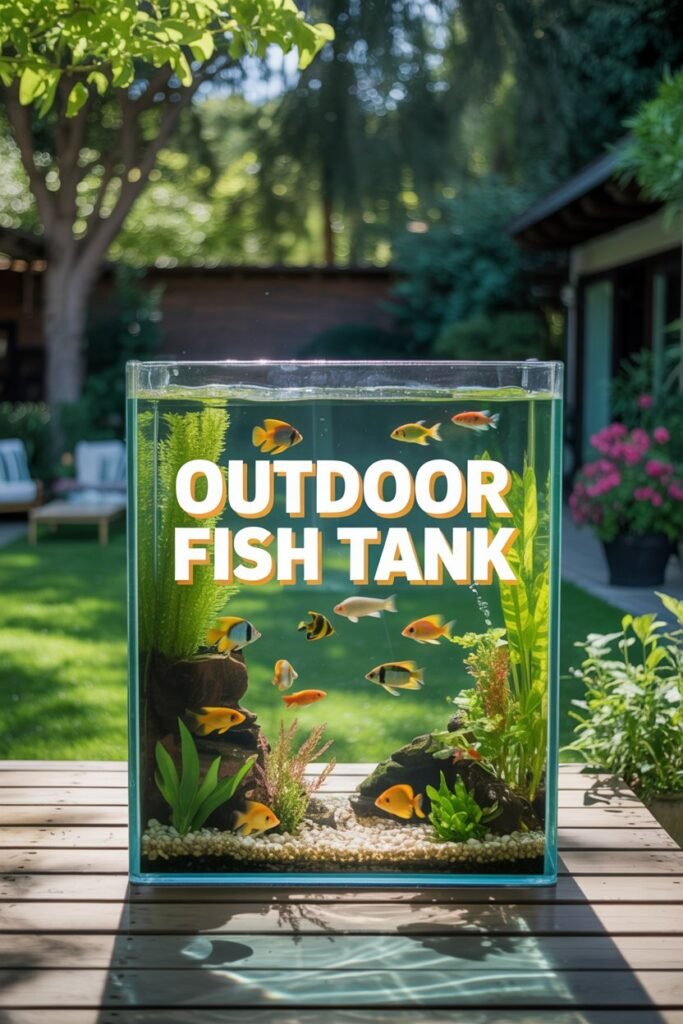
It also allows for larger setups compared to indoor tanks, giving fish more room to grow and thrive.
Additionally, outdoor tanks can become a relaxing focal point where you can enjoy nature and reduce stress.
Choosing the Right Location
Location is one of the most important factors for an outdoor fish tank.
Choose a spot that receives partial sunlight. Too much direct sunlight can cause overheating and algae growth, while too little light can affect plant health.
Place the tank on a flat, stable surface to ensure safety. It should also be protected from strong winds and heavy rain.
Avoid placing the tank under trees, as falling leaves can dirty the water.
Best Types of Outdoor Fish Tanks
There are several styles you can choose from depending on your space and budget.
Container Fish Tank
A simple setup using tubs, barrels, or large pots. This is ideal for beginners and small spaces.
Glass or Acrylic Outdoor Aquarium
A traditional aquarium placed outdoors. It offers clear visibility but requires extra care to protect from temperature changes.
Mini Pond Tank
A larger, pond-like setup that blends with garden landscaping. It often includes plants and decorative features.
Raised Fish Tank
A tank built above ground using wood or stone. It is stylish and easier to access for maintenance.
Best Fish for Outdoor Fish Tanks
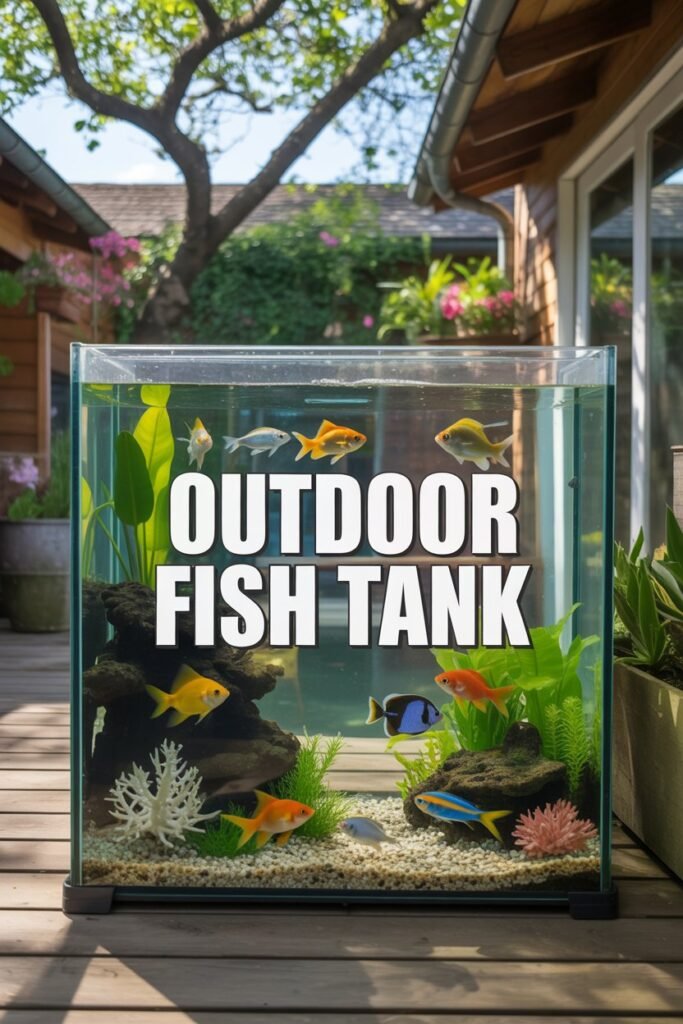
Not all fish can survive outdoor conditions. You need hardy species that can tolerate temperature changes.
Goldfish
Goldfish are one of the best choices for outdoor tanks. They are strong, adaptable, and can handle varying conditions.
Koi fish
Koi fish are popular for larger outdoor tanks and ponds. They are beautiful and long-lived but require more space.
Guppy
Guppies can live outdoors in warm climates. They are colorful and easy to care for.
White cloud mountain minnow
These fish are very hardy and can tolerate cooler temperatures, making them ideal for outdoor setups.
Plants for Outdoor Fish Tanks
Plants play a crucial role in maintaining water quality and creating a natural look.
Floating plants like water lettuce and duckweed provide shade and reduce algae growth.
Submerged plants like hornwort help oxygenate the water.
Marginal plants around the edges enhance the beauty and provide hiding spots for fish.
How to Set Up an Outdoor Fish Tank
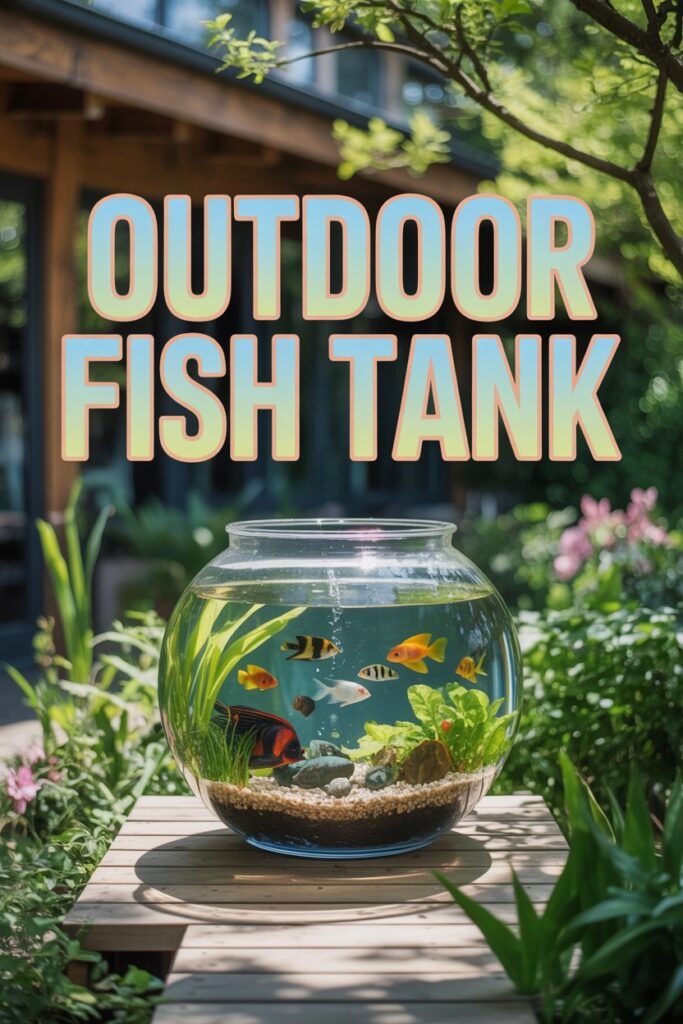
Setting up an outdoor fish tank requires careful planning.
Start by selecting a suitable container or tank. Ensure it is strong and weather-resistant.
Add a layer of substrate such as gravel or sand. Then place rocks and decorations to create structure.
Fill the tank with clean, dechlorinated water.
Install a filtration system if possible, especially for larger tanks. For smaller setups, plants can help maintain water quality.
Let the tank cycle for a few days before adding fish.
Introduce fish gradually to avoid stress.
Managing Temperature
Temperature control is one of the biggest challenges in outdoor fish tanks.
In hot weather, use shade, floating plants, or covers to keep the water cool.
In colder months, you may need a heater or move the fish indoors if temperatures drop too low.
Choosing hardy fish species can reduce temperature-related issues.
Maintenance Tips
Outdoor tanks require regular care to stay clean and healthy.
Perform partial water changes every one to two weeks.
Remove debris such as leaves and uneaten food.
Check water levels regularly, as evaporation can occur.
Monitor fish health and behavior.
Clean filters and equipment as needed.
Common Problems and Solutions
Outdoor fish tanks can face several challenges.
Algae growth is common due to sunlight. Control it by adding plants and reducing excess light.
Predators like birds or cats may try to catch fish. Use net covers or place the tank in a protected area.
Weather changes can affect water conditions. Regular monitoring helps prevent problems.
Safety Tips
Always ensure your tank is securely placed and cannot tip over.
Use non-toxic materials to avoid harming fish.
Avoid overcrowding, as it can lead to poor water quality.
Keep electrical equipment safe from water exposure.
Design Ideas for Outdoor Fish Tanks
You can get creative with your outdoor fish tank design.
Add a small waterfall or fountain for movement and oxygenation.
Use natural stones and driftwood for a realistic look.
Incorporate lighting to make your tank look beautiful at night.
Blend the tank with garden plants for a seamless appearance.
Why Outdoor Fish Tanks Are Popular
Outdoor fish tanks are gaining popularity because they combine gardening and fishkeeping into one relaxing hobby.
They create a peaceful environment and allow you to enjoy nature without leaving your home.
They also provide more space and flexibility compared to indoor aquariums.
Final Thoughts
An outdoor fish tank is a wonderful way to enhance your outdoor space while enjoying the beauty of aquatic life. With proper planning, the right fish, and regular maintenance, you can create a thriving and visually stunning setup.
Start with a simple design, learn the basics, and gradually expand your setup as you gain experience.
FAQs
Can I keep fish in an outdoor tank year-round?
It depends on your climate and the fish species. Hardy fish like Goldfish can survive in various conditions.
Do outdoor fish tanks need filters?
Filters are recommended, but plants can help maintain water quality in smaller setups.
How do I protect fish from predators?
Use covers, nets, or place the tank in a secure location.
What size is best for an outdoor fish tank?
Larger tanks are better because they provide more stable water conditions.
Can I use tap water in an outdoor fish tank?
Yes, but always treat it to remove chlorine before adding fish.
With this guide, you are ready to build and enjoy your own outdoor fish tank successfully.