
 By admin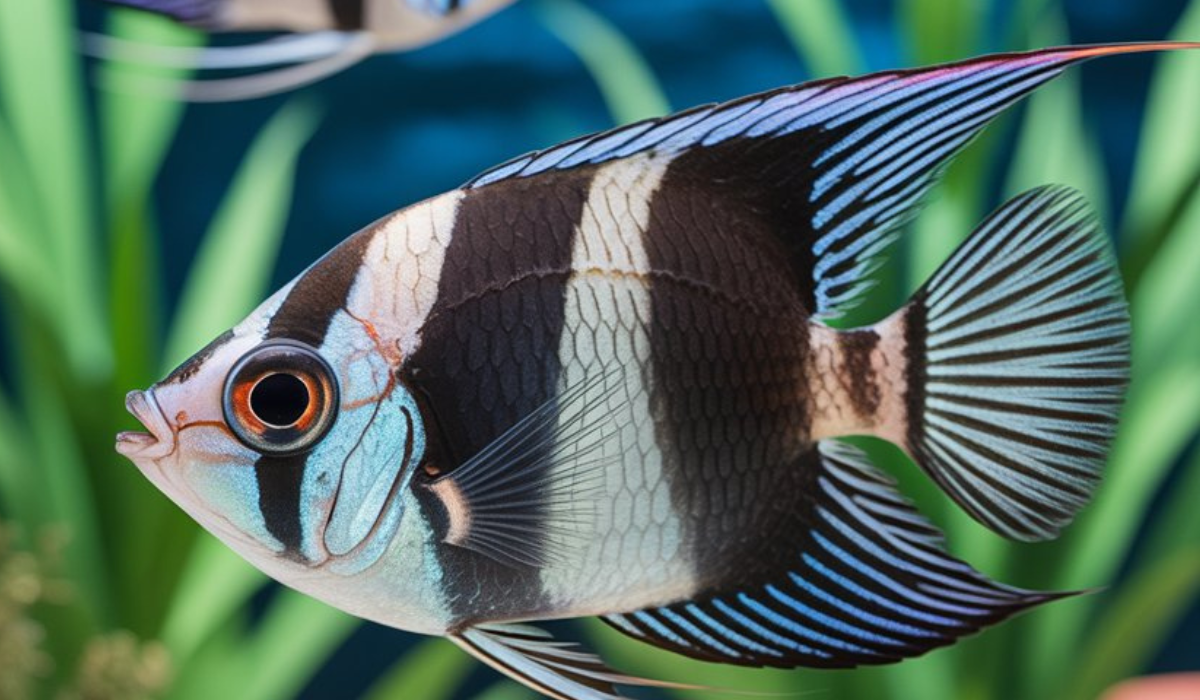
The Paradise Fish is one of the oldest and most fascinating aquarium fish in the hobby. Known for its vibrant colors, flowing fins, and bold personality, this freshwater species was among the first tropical fish ever kept in aquariums.
Scientifically known as Macropodus opercularis, the Paradise Fish belongs to the gourami family and is famous for its labyrinth organ, which allows it to breathe atmospheric air.
In this complete guide, you’ll learn everything about Paradise Fish — natural habitat, tank requirements, diet, temperament, breeding, tank mates, and expert care tips.
What Is a Paradise Fish?
Paradise Fish are freshwater tropical fish known for:
- Bright red and blue vertical stripes
- Long, flowing fins
- Hardy nature
- Territorial behavior
They are part of the labyrinth fish group, meaning they can breathe oxygen directly from the air.
Natural Habitat
Paradise Fish are native to:
- China
- Vietnam
- Taiwan
- Korea
They live in:
- Rice paddies
- Slow-moving streams
- Ponds
- Marshes
Natural Conditions:
- Warm but variable temperatures
- Low oxygen environments
- Dense aquatic vegetation
- Calm waters
Because they evolved in tough conditions, they are very hardy aquarium fish.
Appearance
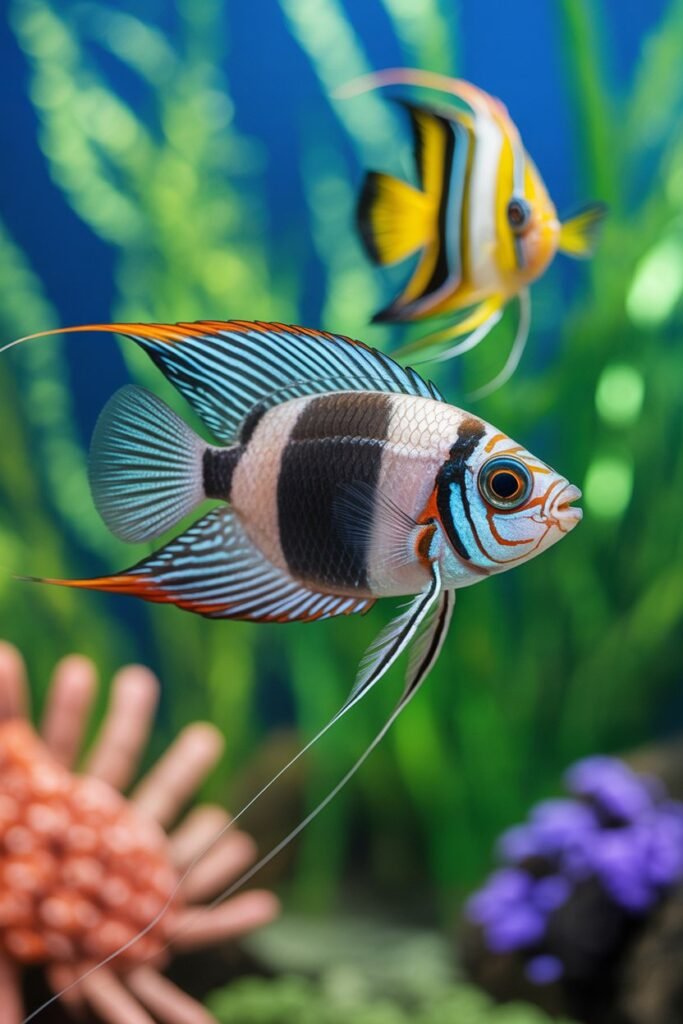
Paradise Fish are striking and colorful.
Key Features:
- Blue and red striped body
- Orange highlights
- Long pointed tail and dorsal fin
- Metallic sheen
Size:
- 3 to 4 inches (7–10 cm)
Lifespan:
- 5–8 years with proper care
Males are more colorful and have longer fins than females.
Tank Requirements
Paradise Fish are adaptable but need proper planning.
Minimum Tank Size:
- 20 gallons for a single fish
- 30+ gallons for community setup
Water Parameters:
- Temperature: 18–26°C (64–79°F)
- pH: 6.0–8.0
- Moderate hardness
They tolerate cooler water better than many tropical fish.
Tank Setup:
- Live plants
- Floating plants
- Gentle filtration
- Hiding spaces
- Lid (they can jump)
Because they breathe air, always leave some open surface acces
Diet
Paradise Fish are omnivores.
In the Wild:
- Insects
- Larvae
- Small crustaceans
- Plant matter
In the Aquarium:
They accept:
- High-quality pellets
- Flakes
- Frozen bloodworms
- Brine shrimp
- Live insects
Feed 1–2 times daily in small portions.
Behavior and Temperament
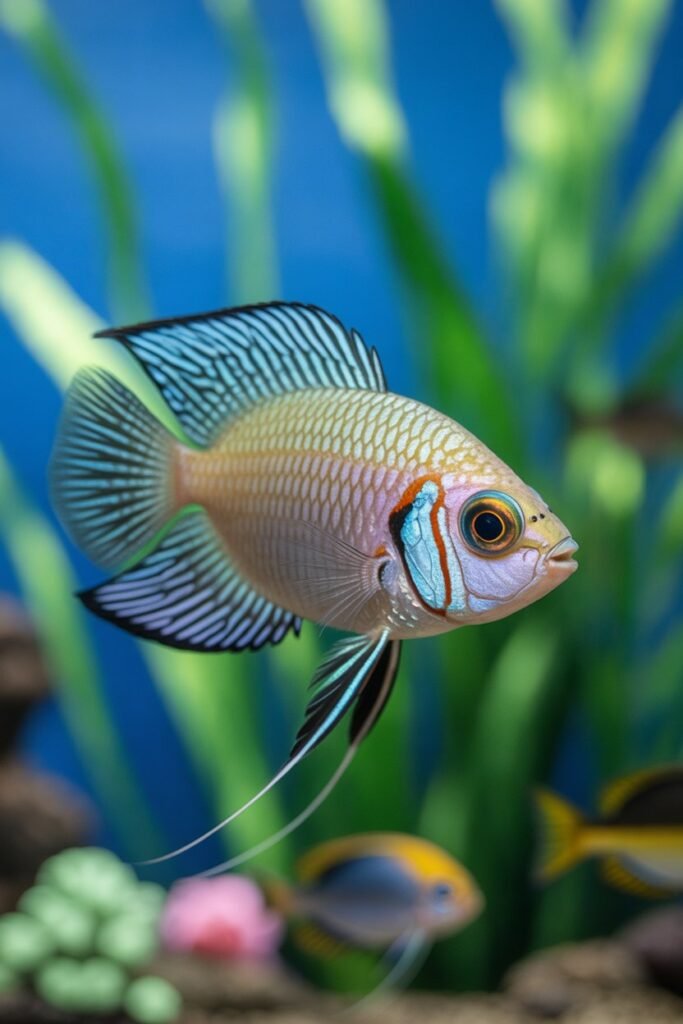
Paradise Fish are beautiful but not always peaceful.
Behavior Traits:
- Territorial
- Semi-aggressive
- Active swimmers
- Surface breathers
Males can be aggressive toward:
- Other males
- Similar-looking fish
- Slow, long-finned species
They are often compared to bettas due to similar temperament.
Tank Mates
Choose tank mates carefully.
Suitable Tank Mates:
- Larger tetras
- Barbs (non-fin nipping)
- Corydoras
- Loaches
Avoid:
- Bettas
- Guppies
- Slow-moving fish
- Very small peaceful fish
Keeping one male per tank reduces aggression.
Breeding Paradise Fish
Paradise Fish are bubble nest builders.
Breeding Process:
- Male builds bubble nest at surface
- Female lays eggs
- Male guards eggs
- Eggs hatch in 1–2 days
The male protects fry until they become free-swimming.
Breeding is relatively easy compared to many other fish species.
Common Problems
1. Aggression
Most common issue in community tanks.
2. Fin Damage
Can result from fighting.
3. Poor Water Quality
Though hardy, long-term neglect causes health problems.
Are Paradise Fish Good for Beginners?
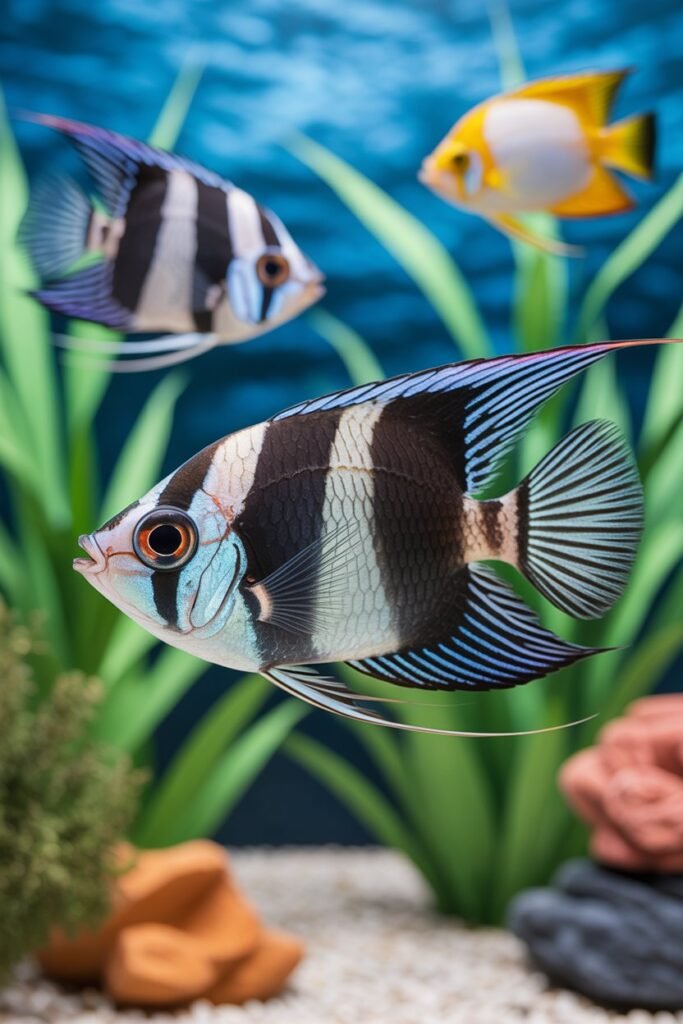
Yes — with some caution.
They are:
- Hardy
- Adaptable to cooler water
- Easy to feed
However, beginners must understand their territorial nature before placing them in community tanks.
Expert Care Tips
- Keep one male per tank
- Provide hiding spaces
- Avoid fin-nipping tank mates
- Maintain clean water
- Monitor aggression
With proper management, Paradise Fish thrive in both species-only and community aquariums.
Why Paradise Fish Are Popular
Paradise Fish remain popular because they are:
- Historically significant in aquarium trade
- Beautifully colored
- Hardy and resilient
- Easy to breed
They are often recommended for aquarists who want a colorful centerpiece fish without strict tropical heating requirements.
Final Thoughts
Paradise Fish are stunning, hardy freshwater fish with strong personalities. Their vibrant stripes, flowing fins, and bubble-nesting behavior make them fascinating to observe.
While they are suitable for beginners, understanding their semi-aggressive nature is essential for long-term success. With the right tank setup and compatible tank mates, Paradise Fish can live many healthy years and become a striking highlight of your aquarium.