
 By admin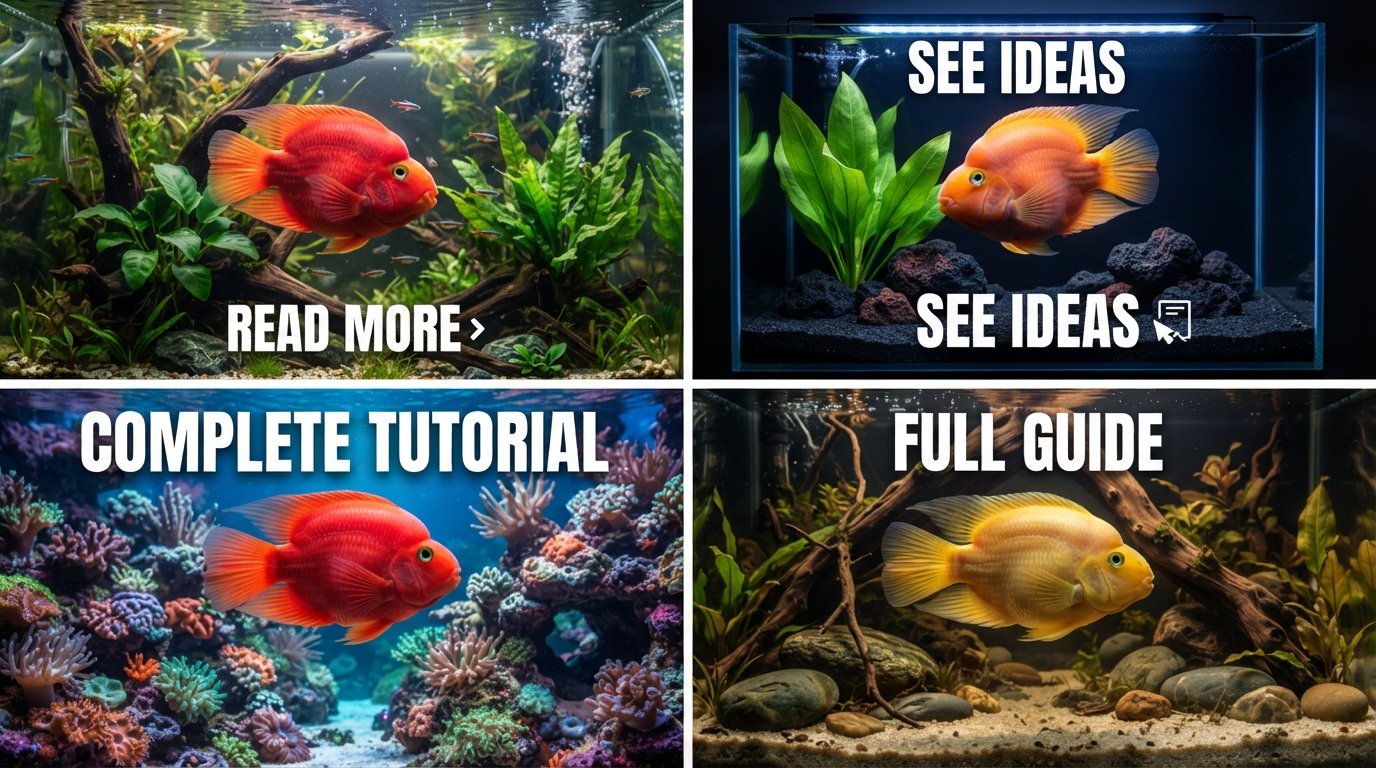
A parrot fish aquarium is a colorful and lively addition to any home or office. Blood Parrot Cichlids, commonly known as parrot fish, are loved for their vibrant colors, playful personalities, and unique beak-shaped mouths. These freshwater fish are intelligent, interactive, and can recognize their owners over time, making them one of the most rewarding fish to keep.
Designing the perfect parrot fish aquarium requires more than simply choosing a tank and adding water. The right aquarium size, filtration system, decorations, and compatible tank mates all contribute to creating a healthy environment where your fish can thrive. This comprehensive guide covers everything you need to know about setting up and maintaining a successful parrot fish aquarium.
What Is a Parrot Fish?
The Blood Parrot Cichlid is a hybrid freshwater fish developed from different cichlid species. Although they are not found naturally in the wild, they have become extremely popular in the aquarium hobby because of their bright colors and friendly behavior.
Parrot fish are known for:
- Rounded body shape
- Beak-like mouth
- Bright orange, red, yellow, or white colors
- Curious personality
- Long lifespan
- Active swimming behavior
With proper care, many parrot fish live between 10 and 15 years.
Why Choose a Parrot Fish Aquarium?
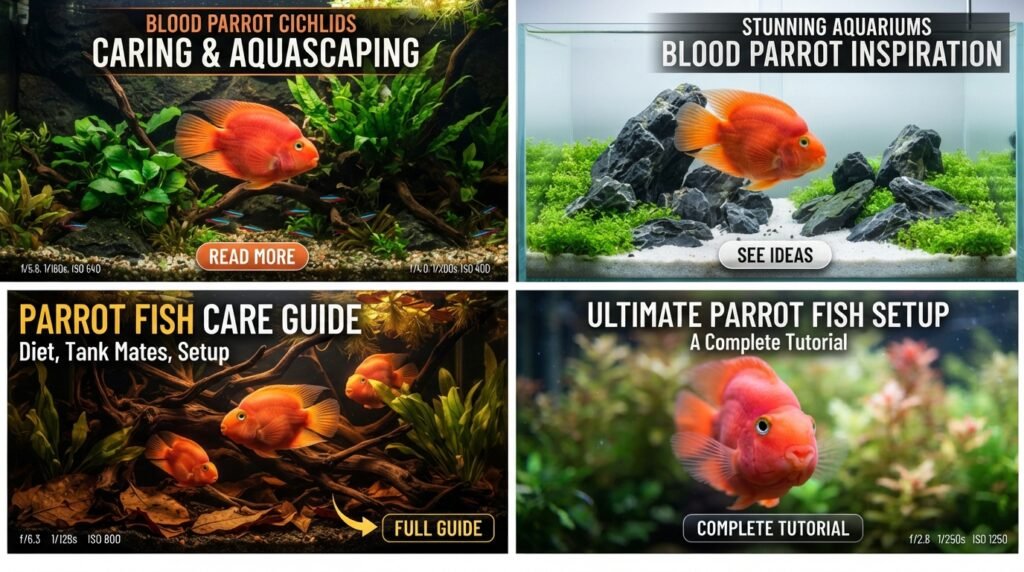
Keeping parrot fish offers many advantages for aquarium enthusiasts.
Benefits include:
- Vibrant colors throughout the aquarium
- Friendly and interactive behavior
- Easy to recognize their owners
- Excellent centerpiece fish
- Hardy compared to many tropical species
- Compatible with several peaceful fish
Their playful nature makes them enjoyable for beginners and experienced aquarists alike.
Choosing the Right Aquarium Size
Parrot fish grow larger than many beginners expect, making tank size an important consideration.
55-Gallon Aquarium
Suitable for:
- One adult parrot fish
- Beginner setups
- Plenty of swimming space
75-Gallon Aquarium
Ideal for:
- Two or three parrot fish
- Community aquariums
- Larger decorations
100-Gallon Aquarium or Larger
Perfect for:
- Multiple parrot fish
- Mixed cichlid communities
- Advanced aquascaping
A larger aquarium provides better water stability and reduces territorial behavior.
Best Aquarium Shape
A long rectangular aquarium is recommended because it offers:
- Greater swimming space
- Better oxygen exchange
- More room for decorations
- Improved filtration efficiency
Wide tanks are generally more suitable than tall aquariums.
Choosing the Right Substrate
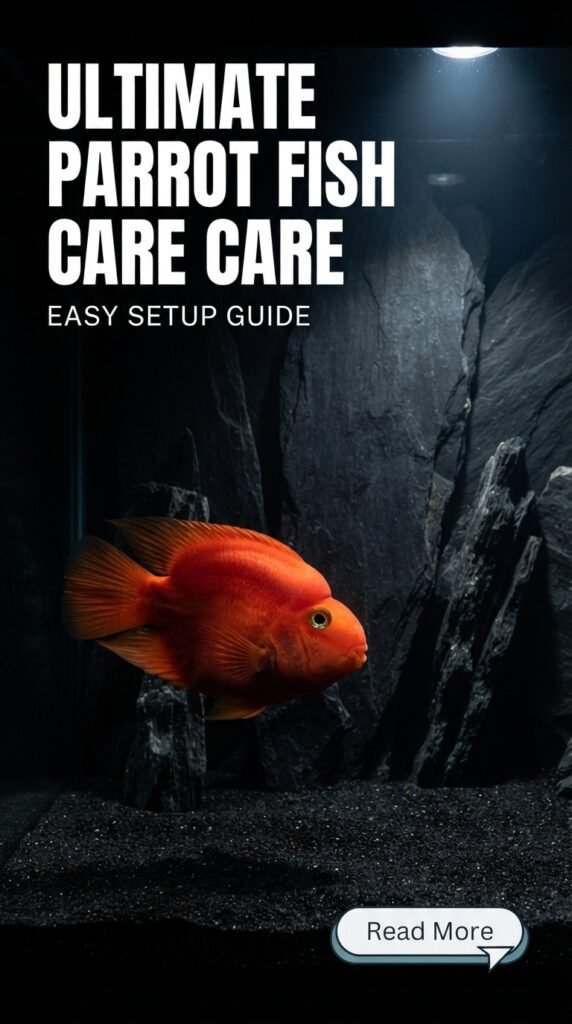
Parrot fish enjoy digging and searching through the bottom of the aquarium.
Recommended substrates include:
Fine Sand
Soft, natural, and safe for digging behavior.
Smooth Gravel
Easy to clean while providing a natural appearance.
Avoid sharp or rough gravel that could damage their sensitive mouths.
Aquarium Decorations
Decorations provide shelter and reduce stress.
Popular choices include:
- Driftwood
- Smooth river rocks
- Ceramic caves
- Rock tunnels
- Aquarium-safe ornaments
Secure decorations firmly because parrot fish are strong enough to move lightweight objects.
Live Plants
Although parrot fish may dig around roots, several hardy plants perform well.
Good choices include:
- Anubias
- Java Fern
- Amazon Sword
- Vallisneria
- Java Moss
- Bolbitis
Attach plants to driftwood or rocks whenever possible to prevent uprooting.
Artificial Plants
Artificial silk plants are a great alternative if you prefer a low-maintenance aquarium.
Choose soft plants that will not damage fins.
Filtration
Parrot fish produce a considerable amount of waste.
Suitable filters include:
- Canister filters
- Hang-on-back filters
- Internal filters
- Sponge filters for additional biological filtration
Aim for strong biological filtration and steady water circulation.
Water Parameters
Maintaining excellent water quality is essential.
Recommended conditions include:
- Temperature: 76–80°F (24–27°C)
- pH: 6.8–7.8
- Ammonia: 0 ppm
- Nitrite: 0 ppm
- Nitrate: Below 20 ppm
Regular water testing helps prevent disease and stress.
Lighting
Moderate LED lighting enhances fish coloration while supporting live plants.
Benefits include:
- Natural viewing
- Energy efficiency
- Healthy plant growth
- Reduced heat production
Use a timer to provide approximately 8–10 hours of light each day.
Best Tank Mates
Parrot fish are generally peaceful but should only be kept with compatible species.
Excellent companions include:
- Severums
- Silver Dollars
- Giant Danios
- Rainbowfish
- Congo Tetras
- Bristlenose Plecos
- Synodontis Catfish
Avoid:
- Very small fish
- Extremely aggressive cichlids
- Fin-nipping species
Choose tank mates with similar water requirements and temperaments.
Feeding Parrot Fish
A varied diet supports healthy growth and bright coloration.
Recommended foods include:
- Premium cichlid pellets
- Floating pellets
- Frozen bloodworms
- Brine shrimp
- Krill
- Spirulina flakes
- Blanched peas
- Spinach
- Zucchini
Feed once or twice daily, offering only as much food as the fish can eat within a few minutes.
Aquarium Design Ideas
Natural River Aquarium
Use smooth rocks, driftwood, and sand to create a realistic freshwater habitat.
Rocky Cave Layout
Build several caves using stacked rocks to provide shelter and reduce territorial disputes.
Planted Aquarium
Position hardy plants around the edges while keeping the center open for swimming.
Modern Minimalist Aquarium
A black background, white sand, and carefully selected decorations allow the fish’s bright colors to stand out.
Community Display Aquarium
Combine parrot fish with peaceful medium-sized species in a spacious aquarium featuring natural décor and open swimming areas.
Weekly Maintenance
Consistent maintenance keeps the aquarium healthy.
Perform Water Changes
Replace 20–30% of the water every week.
Clean the Glass
Remove algae using an aquarium-safe scraper.
Vacuum the Substrate
Remove uneaten food and fish waste.
Maintain the Filter
Rinse filter media using old aquarium water to preserve beneficial bacteria.
Test Water Quality
Regularly monitor:
- Temperature
- pH
- Ammonia
- Nitrite
- Nitrate
Stable water conditions are essential for long-term health.
Common Health Problems
Parrot fish are generally hardy but may experience health issues if water quality declines.
Watch for:
- White spots
- Torn fins
- Loss of appetite
- Difficulty swimming
- Rapid breathing
Most health problems can be prevented through good filtration, regular maintenance, and a balanced diet.
Common Mistakes to Avoid
Choosing a Tank That Is Too Small
Parrot fish require plenty of swimming space.
Overstocking
Too many fish lead to poor water quality and stress.
Poor Filtration
Strong biological filtration is essential because parrot fish produce significant waste.
Overfeeding
Excess food contributes to poor water quality and obesity.
Using Sharp Decorations
Choose smooth decorations to prevent injuries.
Decorating Tips
Create a balanced aquarium by:
- Leaving open swimming areas
- Adding multiple hiding places
- Using natural driftwood
- Including rounded rocks
- Selecting a dark background to enhance fish colors
A simple, natural design often works best.
Benefits of Keeping Parrot Fish
Parrot fish are among the most rewarding aquarium fish because they offer:
- Bright colors
- Friendly personalities
- High intelligence
- Long lifespan
- Active swimming behavior
- Interactive feeding habits
Their engaging behavior makes them enjoyable for aquarists of all experience levels.
Conclusion
A well-planned parrot fish aquarium provides the perfect environment for these colorful and intelligent freshwater fish. By selecting a spacious aquarium, maintaining excellent water quality, using efficient filtration, providing nutritious food, and decorating with safe, natural materials, you can create a healthy habitat where parrot fish will thrive for many years.
Whether you prefer a natural river-inspired aquascape, a planted display, or a modern minimalist setup, thoughtful planning and regular maintenance will reward you with a vibrant aquarium that becomes the highlight of your living space.
Frequently Asked Questions
What size aquarium is best for parrot fish?
A minimum of 55 gallons is recommended for one adult Blood Parrot Cichlid, while 75 gallons or larger is ideal for multiple fish.
Can parrot fish live with other fish?
Yes. They can live peacefully with compatible species such as severums, rainbowfish, silver dollars, giant danios, bristlenose plecos, and Congo tetras.
Do parrot fish need live plants?
No, but hardy plants such as Anubias, Java Fern, Vallisneria, and Amazon Sword can be used successfully if properly secured.
What temperature should a parrot fish aquarium be?
Maintain a stable water temperature between 76°F and 80°F (24°C to 27°C) for optimal health.
How often should I clean a parrot fish aquarium?
Perform weekly water changes of 20–30%, vacuum the substrate, clean the glass, maintain the filter regularly, and monitor water parameters.
Are parrot fish good for beginners?
Yes. With a properly sized aquarium, reliable filtration, regular maintenance, and a balanced diet, Blood Parrot Cichlids are hardy and can be a good choice for beginners willing to meet their space and care requirements.