
 By weeebooo70@gmail.com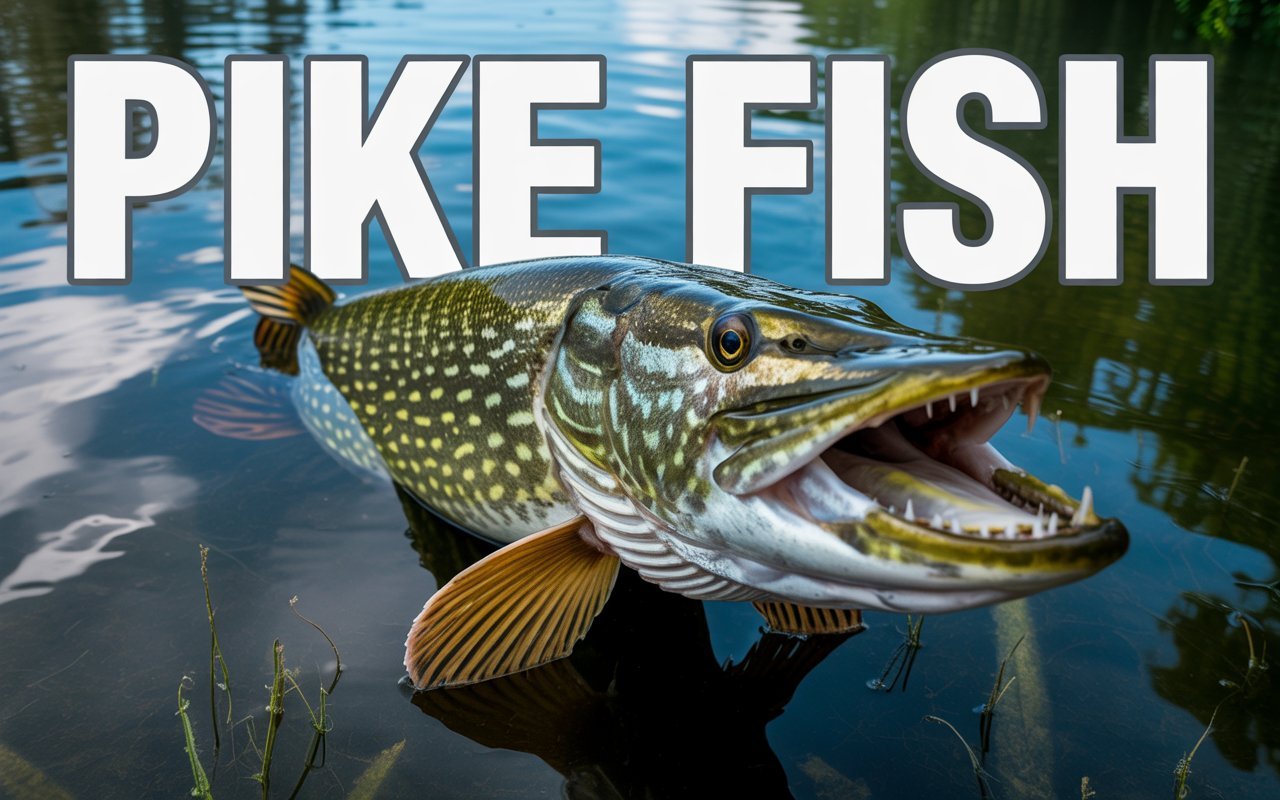
Pike fish are powerful freshwater predators known for their aggressive nature, sharp teeth, and lightning-fast strikes. Often called one of the most feared hunters in lakes and rivers, pike fish play a crucial role in maintaining balance within freshwater ecosystems. Their long bodies, camouflage coloring, and ambush hunting style make them fascinating and highly efficient predators.
This detailed guide explores everything about pike fish, including their types, habitat, behavior, diet, and ecological importance.
What Is a Pike Fish
Pike fish belong to the genus Esox and are freshwater fish commonly found in the Northern Hemisphere. They are carnivorous predators that primarily feed on other fish and small aquatic animals.
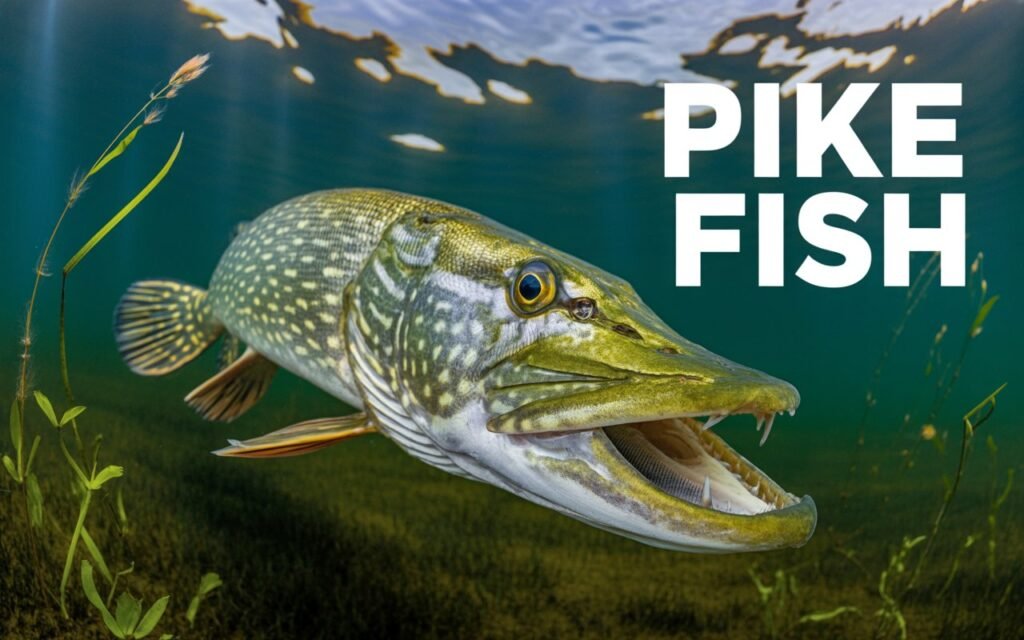
Pike fish are easily recognized by their elongated bodies, duck-like snouts, and mouths filled with razor-sharp teeth.
Physical Characteristics of Pike Fish
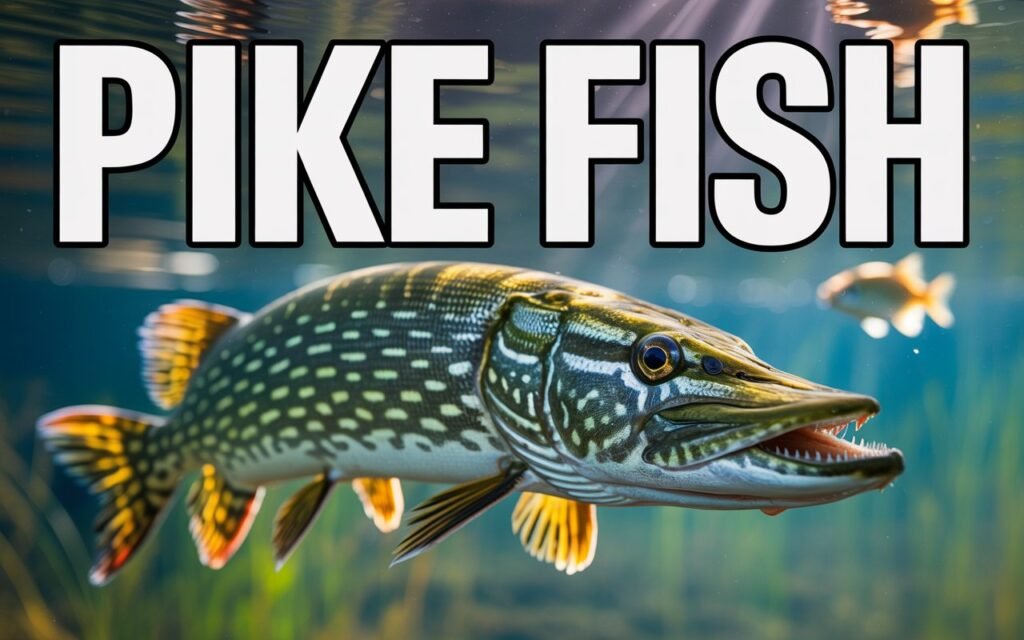
Pike fish have long, torpedo-shaped bodies designed for speed and sudden bursts of movement. Their coloration usually includes shades of green with lighter spots, helping them blend into aquatic vegetation.
Their sharp teeth are angled backward, allowing them to grip prey firmly and prevent escape.
Types of Pike Fish
There are several well-known species of pike fish, each adapted to different freshwater environments.
Northern Pike
The northern pike is the most common and widely known species. It is found in lakes, rivers, and reservoirs across North America, Europe, and Asia.
Muskellunge
Often called muskie, this species is larger and less common than the northern pike. It is known for its impressive size and strength.
Chain Pickerel
This smaller pike species is found mainly in North America. It has a distinctive chain-like pattern on its body.
Amur Pike
Native to parts of Asia, the Amur pike is similar in appearance to the northern pike but adapted to colder waters.
Natural Habitat of Pike Fish
Pike fish thrive in freshwater environments such as lakes, slow-moving rivers, ponds, and reservoirs. They prefer areas with dense vegetation where they can hide and ambush prey.
Clear water with abundant plant life provides ideal conditions for pike fish.
Behavior and Hunting Style
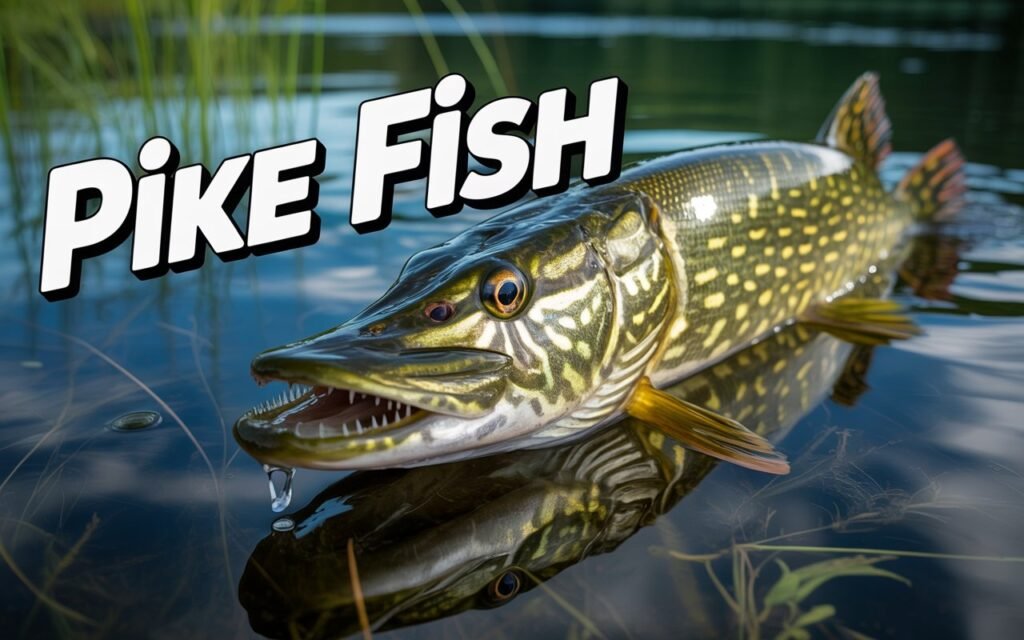
Pike fish are ambush predators. They remain motionless among plants, waiting for the perfect moment to strike. When prey comes close, they attack with incredible speed.
Their hunting strategy relies on surprise rather than long chases.
Diet of Pike Fish
Pike fish are carnivorous and primarily feed on smaller fish. Their diet may also include frogs, insects, small mammals, and even birds that venture too close to the water.
Young pike feed on insects and small invertebrates before transitioning to larger prey.
Growth and Size
Pike fish grow rapidly in environments with plenty of food. Some species can grow to impressive lengths and weights, making them dominant predators in their habitats.
Growth rates depend on water temperature, food availability, and habitat quality.
Lifespan of Pike Fish
Pike fish can live for many years in the wild. With proper environmental conditions, they may survive for over a decade.
Their long lifespan contributes to their strong presence in freshwater ecosystems.
Reproduction and Spawning
Pike fish spawn in shallow waters during early spring. Females release thousands of eggs among vegetation, where they stick and develop.
There is no parental care after spawning, and survival depends on environmental conditions.
Role of Pike Fish in Freshwater Ecosystems
Pike fish help control populations of smaller fish, preventing overpopulation and maintaining ecological balance.
As apex predators, they influence the structure and health of freshwater food webs.
Table: Common Pike Fish Species Overview
| Species | Typical Size | Habitat | Key Trait |
|---|---|---|---|
| Northern Pike | Large | Lakes and rivers | Aggressive predator |
| Muskellunge | Very large | Freshwater lakes | Powerful and rare |
| Chain Pickerel | Medium | Shallow waters | Chain-like pattern |
| Amur Pike | Large | Cold freshwater | Cold-adapted |
Pike Fish and Fishing
Pike fish are highly popular among sport anglers due to their strength and aggressive strikes. They are known for putting up a strong fight when hooked.
Fishing regulations often protect pike populations through size limits and seasonal restrictions.
Nutritional Value of Pike Fish
Pike fish provide lean protein and essential nutrients. Their flesh is firm and mild in flavor, though it contains many small bones.
Proper preparation makes pike a healthy food choice.
Can Pike Fish Be Kept in Aquariums
Pike fish are not suitable for home aquariums. Their large size, aggressive behavior, and predatory instincts make them incompatible with most captive setups.
They require vast natural environments to thrive.
Threats to Pike Fish
Habitat destruction, water pollution, and overfishing can impact pike fish populations. Changes in water quality directly affect their survival.
Conservation efforts focus on protecting freshwater habitats.
Conservation and Management
Many regions manage pike fish populations through fishing regulations and habitat protection. These measures help maintain healthy population levels.
Responsible fishing practices ensure long-term sustainability.
Pike Fish Compared to Other Predatory Fish
Compared to bass or perch, pike fish are more aggressive and rely heavily on ambush tactics. Their sharp teeth set them apart from most freshwater predators.
They are among the most efficient hunters in freshwater environments.
Final Thoughts on Pike Fish
Pike fish are remarkable freshwater predators known for their strength, speed, and ecological importance. They help maintain balance in aquatic ecosystems while offering excitement for anglers and value as a food source.
Protecting pike fish habitats ensures healthy freshwater systems for future generations.
Frequently Asked Questions
What kind of fish is a pike?
Pike is a freshwater carnivorous fish.
Where do pike fish live?
They live in lakes, rivers, and ponds with vegetation.
Are pike fish aggressive?
Yes, they are highly aggressive predators.
What do pike fish eat?
They eat fish, frogs, and small animals.
Can pike fish live in aquariums?
No, they are too large and aggressive.
Are pike fish good to eat?
Yes, when properly prepared.
Why are pike fish important?
They help control fish populations and maintain ecosystem balance.