
 By weeebooo70@gmail.com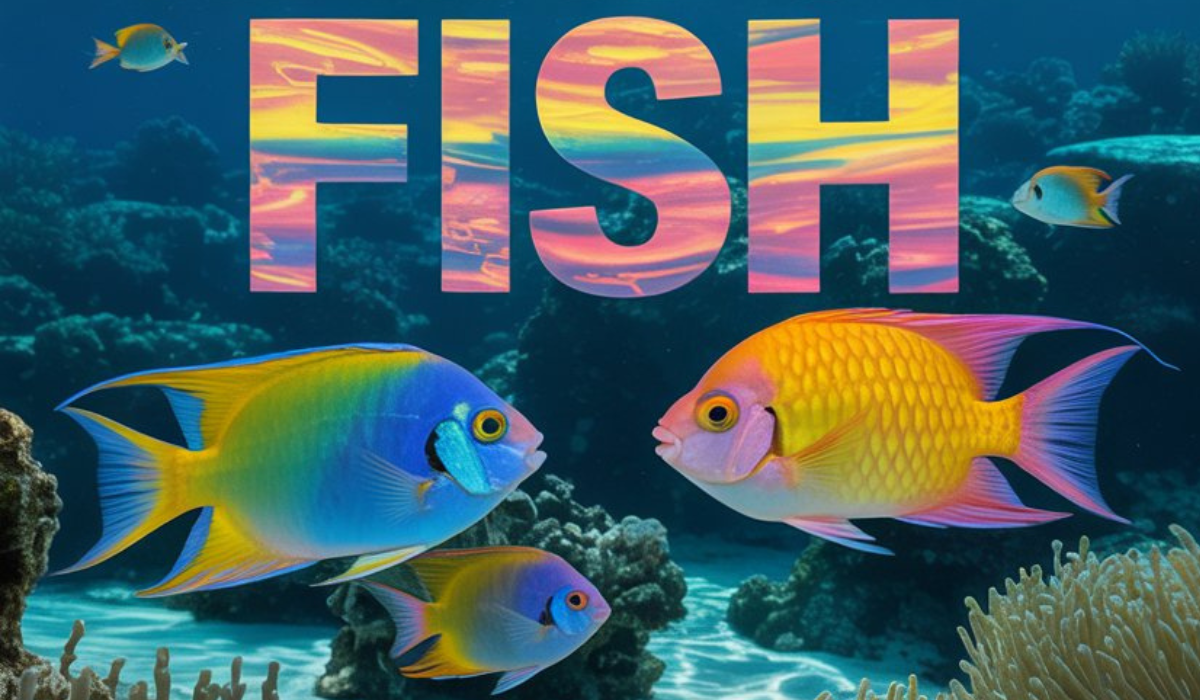
The Rainbowfish is one of the most vibrant and eye-catching fish you can keep in an aquarium. Known for their shimmering colors and active swimming behavior, rainbowfish are a favorite among aquarists who want a lively and colorful tank.
Their beauty, peaceful nature, and schooling behavior make them an excellent choice for community aquariums.
What Is a Rainbow Fish
Rainbowfish are freshwater fish found mainly in regions like Australia and New Guinea. They are named for their iridescent scales, which reflect multiple colors when light hits them.
There are many species of rainbowfish, each with unique color patterns and sizes.
Appearance
Rainbowfish are famous for their stunning colors.
They often display:
- Shades of blue, red, yellow, and green
- Metallic or shimmering scales
- Slender, streamlined bodies
- Forked tails and elegant fins
Their colors become more intense as they mature, especially in males.
Behavior and Personality
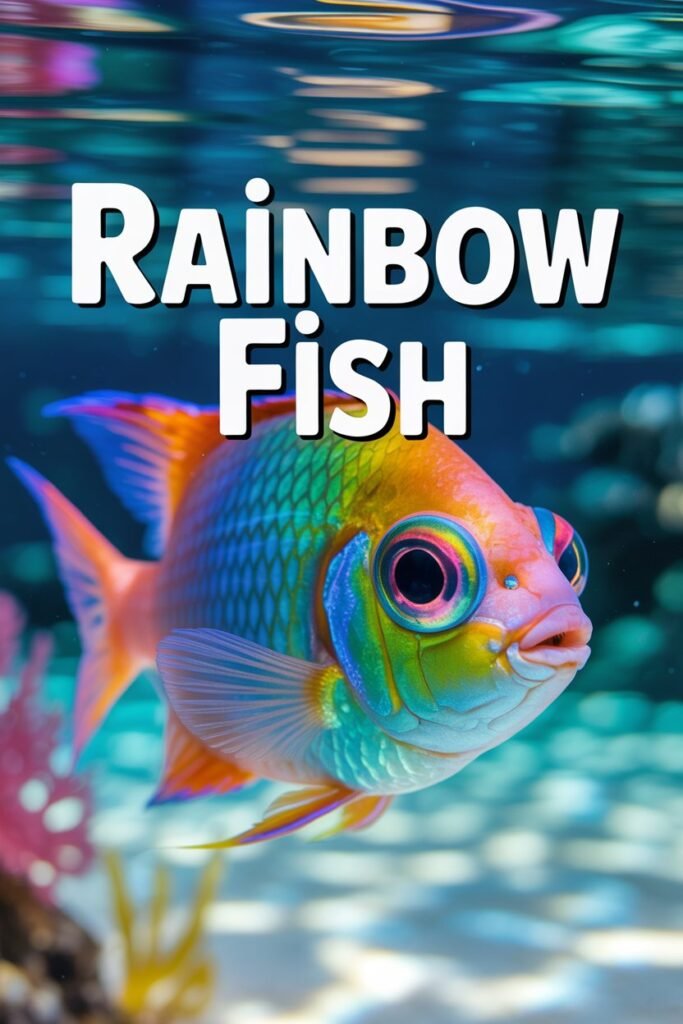
Rainbowfish are peaceful and energetic.
They are schooling fish, which means they should be kept in groups of at least 5–6. When kept in groups, they show more natural behavior and brighter colors.
They are active swimmers and need plenty of open space in the tank.
Tank Size and Setup
Rainbowfish need a spacious aquarium.
- Minimum tank size: 20–30 gallons
- Larger tanks for bigger species
- Plenty of swimming space
A good setup includes:
- Open areas for swimming
- Plants along the sides or back
- Moderate water flow
Water Conditions
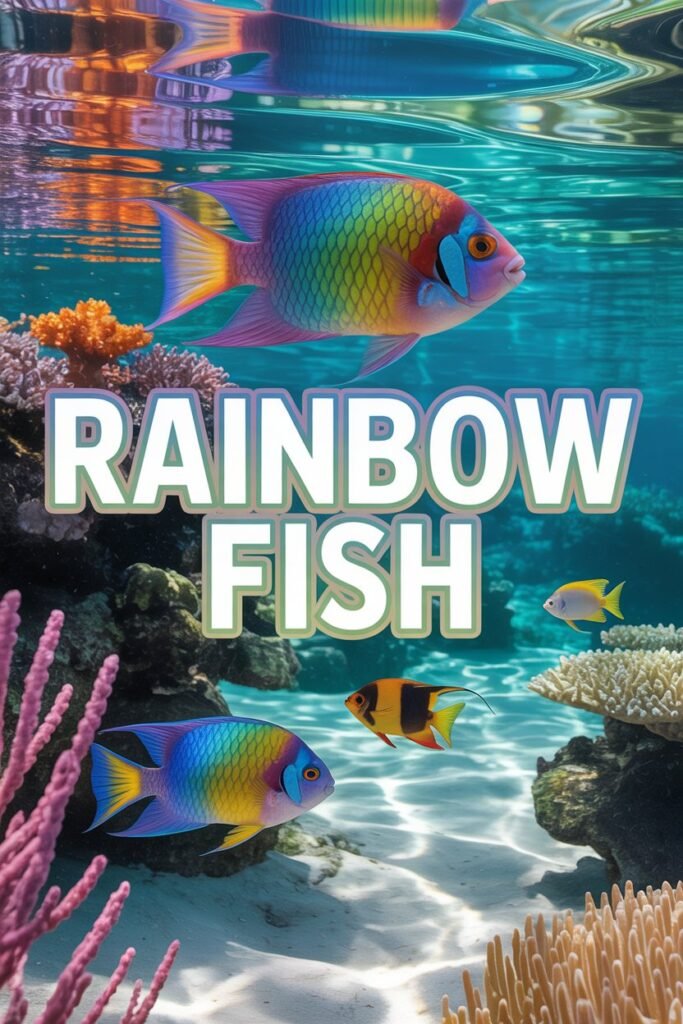
Maintaining stable water conditions is important.
- Temperature: 24–28°C
- pH: 6.5–7.5
- Clean, well-filtered water
Regular water changes help keep them healthy.
Diet
Rainbowfish are omnivores and easy to feed.
Their diet includes:
- Flakes and pellets
- Live or frozen foods
- Small insects and crustaceans
A varied diet helps enhance their colors.
Compatibility
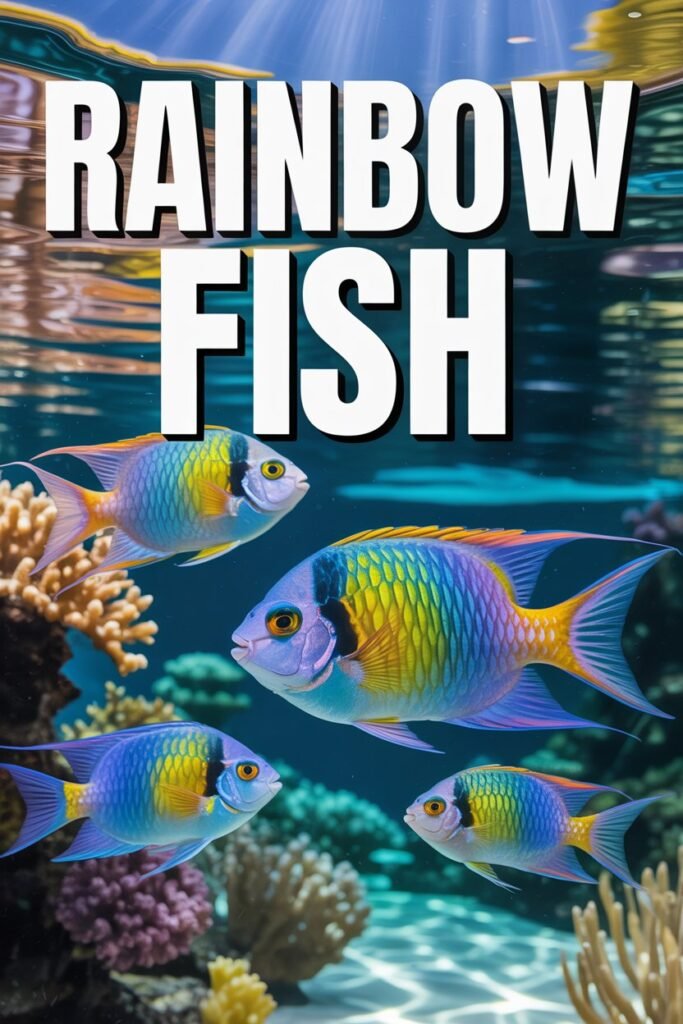
Rainbowfish are peaceful and suitable for community tanks.
Good tank mates include:
- Tetras
- Corydoras
- Guppies
- Other peaceful fish
Avoid aggressive or very slow fish that may be stressed by their activity.
Breeding
Rainbowfish can be bred in aquariums.
They lay eggs rather than giving birth to live young. Eggs are usually attached to plants or spawning mops.
Breeding requires clean water and a separate tank for better success.
Lifespan
With proper care, rainbowfish can live:
- 5 to 8 years
Their lifespan depends on tank conditions and diet.
Popular Types of Rainbow Fish
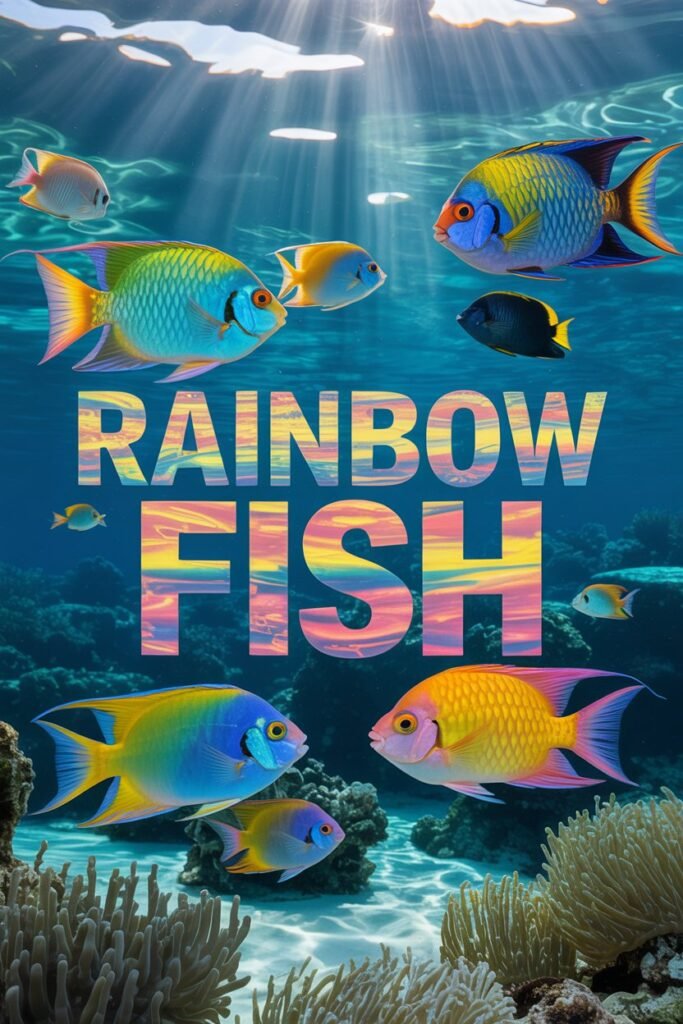
Some well-known species include:
- Boesemani rainbowfish (blue and orange body)
- Turquoise rainbowfish
- Red rainbowfish
- Dwarf rainbowfish
Each type has its own unique color combination.
Why Rainbow Fish Are Popular
Rainbowfish are loved because:
- They have vibrant, changing colors
- They are peaceful and easy to keep
- They are active and fun to watch
- They enhance the beauty of any aquarium
A group of rainbowfish creates a stunning visual display.
Common Mistakes to Avoid
Keeping too few rainbowfish can cause stress
Using a tank that is too small limits their movement
Poor water quality can dull their colors
Mixing with aggressive fish can cause problems
Conclusion
Rainbowfish are one of the most beautiful and lively freshwater fish you can keep. Their shimmering colors and energetic behavior make them a perfect choice for community aquariums.
With proper care, a spacious tank, and a balanced diet, rainbowfish will reward you with stunning colors and active swimming for years to come.
FAQs
Are rainbowfish easy to care for?
Yes, they are relatively easy to care for and suitable for beginners.
How many rainbowfish should be kept together?
At least 5–6 should be kept in a group.
Do rainbowfish need plants?
Yes, plants provide comfort and improve the tank environment.
What do rainbowfish eat?
They eat flakes, pellets, and live or frozen foods.
Can rainbowfish live with other fish?
Yes, they are peaceful and do well in community tanks.