
 By weeebooo70@gmail.com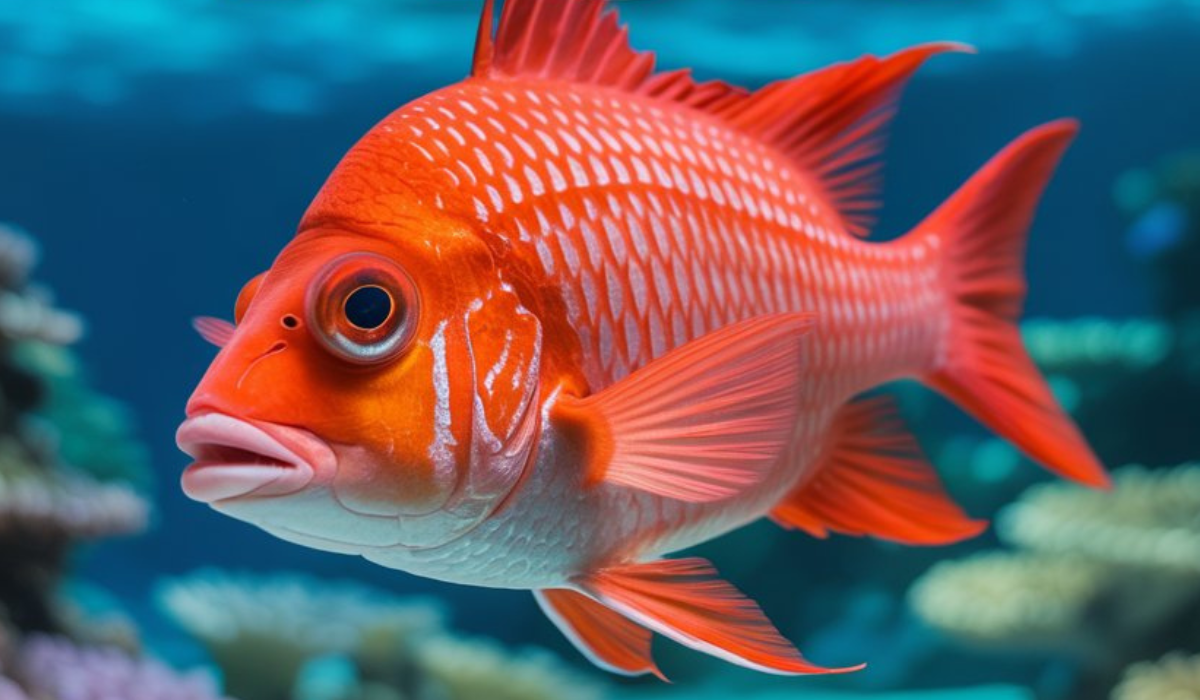
Red fish are among the most eye-catching and popular choices in aquariums around the world. Their vibrant color symbolizes beauty, energy, and life, making them a favorite for both beginners and experienced fish keepers. Whether you want a peaceful home aquarium or a stunning aquascape, red fish can instantly enhance the visual appeal of your tank.
In this complete guide, you’ll learn about different types of red fish, how to care for them, and how to create the perfect aquarium environment.
What Are Red Fish?
The term “red fish” refers to any fish species that display red, orange, or reddish hues. These colors can range from bright cherry red to deep crimson, depending on the species, genetics, diet, and environment.
Red fish can be found in both freshwater and saltwater aquariums, and they vary greatly in size, behavior, and care requirements.
Popular Types of Red Fish
There are many species of red fish, each with unique characteristics. Here are some of the most popular ones:
Goldfish
Goldfish are one of the most well-known red or orange fish. They are hardy, easy to care for, and come in many varieties such as comet, fantail, and oranda.
They are perfect for beginners but require larger tanks due to their size and waste production.
Betta Fish
Betta fish, also known as Siamese fighting fish, often come in stunning red shades. They are known for their flowing fins and bold personalities.
Bettas are best kept alone or with very peaceful tank mates.
Cherry Barb
Cherry barbs are small, peaceful fish with a bright red color, especially in males. They are ideal for community tanks and thrive in groups.
Red Swordtail
This fish is named after its sword-like tail. It is active, hardy, and easy to maintain, making it a great choice for beginners.
Discus Fish
Discus fish are considered premium aquarium fish due to their round shape and vibrant colors, including red varieties.
They require more care and stable water conditions, making them suitable for experienced hobbyists.
Red Platy
Platies are small, friendly fish that are easy to care for. Their bright red color makes them a great addition to community aquariums.
Freshwater vs Saltwater Red Fish
Red fish exist in both freshwater and saltwater environments.
Freshwater red fish like goldfish, bettas, and cherry barbs are easier to care for and ideal for beginners.
Saltwater red fish, on the other hand, are often more colorful and exotic but require advanced care, special equipment, and precise water conditions.
If you are new to fishkeeping, starting with freshwater red fish is highly recommended.
How to Set Up a Tank for Red Fish
Creating the right environment is essential for keeping red fish healthy and vibrant.
Start by choosing an appropriately sized tank. Smaller fish can live in tanks as small as 10 gallons, while larger species require much more space.
Use a good filtration system to keep the water clean and oxygenated. Red fish, like all aquarium fish, need stable water conditions to thrive.
Add substrate, plants, and decorations to mimic a natural environment. Live plants not only enhance beauty but also improve water quality.
Lighting should be moderate, as too much light can cause algae growth.
Ideal Water Conditions
Different red fish species have different requirements, but some general guidelines include:
- Temperature: 22–28°C for tropical fish
- pH level: 6.5–7.5
- Clean, well-filtered water
Regular water changes are essential to maintain a healthy environment.
Feeding Red Fish
A balanced diet is key to maintaining the vibrant red color of your fish.
Feed them high-quality fish flakes or pellets, along with occasional treats like:
- Bloodworms
- Brine shrimp
- Vegetable matter
Some foods are specially designed to enhance color, helping red fish maintain their bright appearance.
Avoid overfeeding, as it can lead to water pollution and health issues.
Tank Mates for Red Fish
Choosing the right tank mates is important to avoid aggression and stress.
Peaceful species like tetras, guppies, and corydoras are generally good companions for most red fish.
Avoid aggressive or fin-nipping fish, especially if you keep species like bettas.
Always research compatibility before adding new fish to your tank.
Common Problems and Solutions
Like all aquarium fish, red fish can face certain issues.
Fading Color
This can be caused by poor diet, stress, or bad water quality. Improve feeding and maintain proper conditions.
Diseases
Common diseases include ich and fin rot. Regular tank maintenance and quarantine of new fish can prevent these issues.
Stress
Overcrowding, poor water quality, or incompatible tank mates can cause stress. Ensure proper care and environment.
Tips to Enhance Red Color in Fish
If you want your fish to look more vibrant, follow these tips:
- Provide high-quality, color-enhancing food
- Maintain clean water
- Use proper lighting
- Reduce stress in the tank
Healthy fish naturally display brighter colors.
Why Red Fish Are So Popular
Red fish are popular because of their striking appearance and variety. They can fit into almost any aquarium setup, from small tanks to large aquascapes.
Their bright color also makes them stand out beautifully against green plants and dark substrates, creating a visually appealing contrast.
Final Thoughts
Red fish are a fantastic addition to any aquarium. With their vibrant colors and diverse species, they can transform a simple tank into a lively underwater world.
Whether you choose a beginner-friendly goldfish or a more advanced species like discus, proper care and attention will ensure your red fish stay healthy and beautiful.
FAQs
What is the easiest red fish to care for?
Goldfish, platies, and cherry barbs are among the easiest red fish for beginners.
Can red fish live together?
Yes, many red fish can live together if they are compatible and the tank is not overcrowded.
Why is my red fish losing color?
This is usually due to poor diet, stress, or water quality issues.
How often should I feed red fish?
Feed them once or twice a day in small amounts.
Do red fish need special lighting?
No special lighting is required, but proper lighting helps maintain their color and overall health.