
 By weeebooo70@gmail.com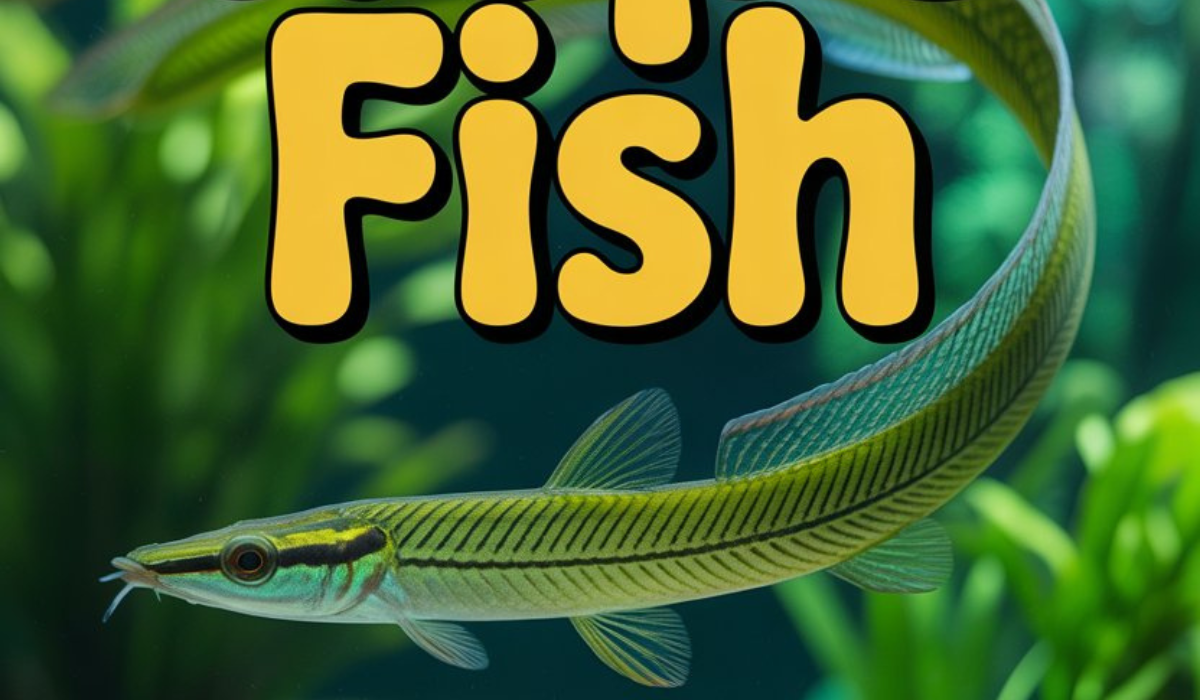
Rope fish, also known as reed fish or snake fish, are one of the most fascinating and mysterious freshwater aquarium species. Their long, rope-like bodies and snake-like swimming style give them a prehistoric look that instantly captures attention. Belonging to the family Polypteridae, rope fish are closely related to bichirs and are among the most ancient fish species still alive today.
Whether you are an aquarist seeking a unique pet or exploring unusual freshwater species, rope fish are an excellent choice due to their calm temperament, interactive behavior, and impressive lifespan. This long-form guide covers everything from history to feeding, tank requirements, lifespan, and all known types of rope fish.
What Is a Rope Fish?
A rope fish is a long, eel-shaped freshwater fish originally found in West and Central Africa. Scientifically known as Erpetoichthys calabaricus, this fish has a flexible body and a distinct dorsal fin made up of tiny finlets running along its back. They are popular in aquariums due to their unusual look and peaceful nature.
Key Features of Rope Fish
| Feature | Description |
|---|---|
| Scientific Name | Erpetoichthys calabaricus |
| Common Names | Rope fish, Reedfish, Snakefish |
| Origin | African rivers, swamps, and floodplains |
| Length | 12–36 inches depending on age and environment |
| Lifespan | 15–20+ years with proper care |
| Behavior | Peaceful, nocturnal, curious |
| Difficulty Level | Intermediate |
Appearance and Body Structure
The rope fish has a cylindrical, snake-like body covered in tough, thick scales. These ganoid scales are similar to those of ancient fish and provide strong protection. Their coloration is usually dark green to brown, helping them blend in with plants and mud.
They possess external nostrils resembling tiny feelers, which help them detect food in dark waters. Rope fish also have small pectoral fins for steering while the rest of their body moves fluidly like a snake.
Unique Breathing Ability
Rope fish can breathe atmospheric oxygen thanks to a pair of lungs. This adaptation allows them to survive in low-oxygen environments. You may often see them swim up to take gulps of air.
Behavior and Temperament
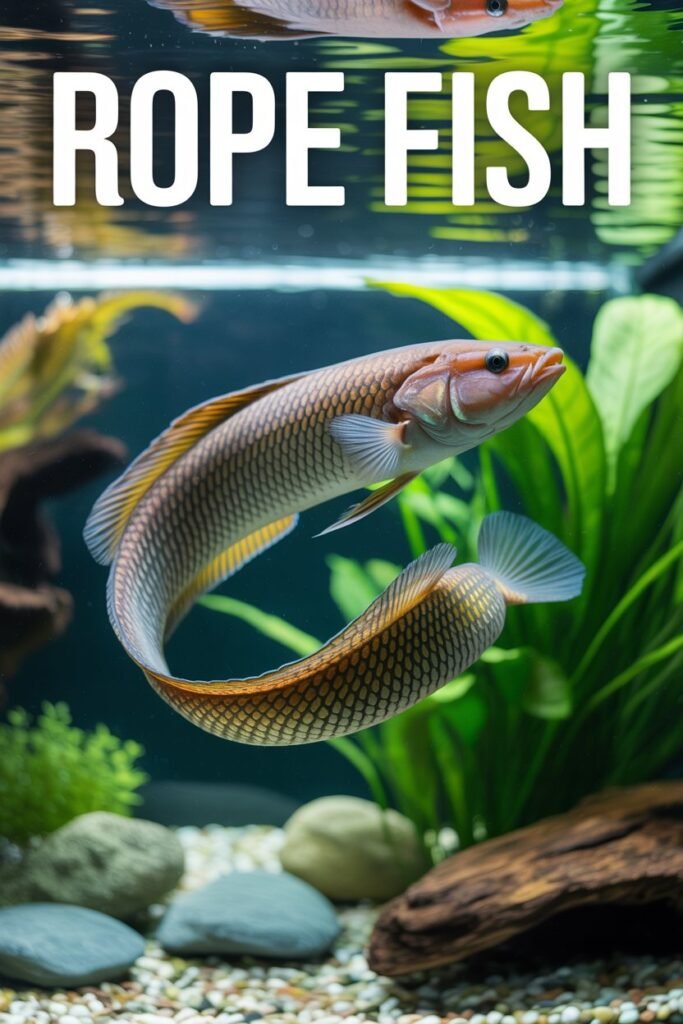
Rope fish are non-aggressive and usually hide during the day. They become active in low light and show amazing exploratory behavior during the night. Their curiosity makes them semi-interactive pets who can even recognize their owner with time.
Social Nature
Rope fish prefer living in small groups and become more confident when kept with their own kind. They get along well with peaceful tank mates of similar size.
Natural Habitat
Rope fish originally inhabit slow-moving rivers, marshes, and swampy areas of Nigeria, Cameroon, Benin, and surrounding regions. Their natural waters contain dense vegetation, mud, and shallow zones with low oxygen levels. This environment shaped their unique lungs and nocturnal habits.
Aquarium Requirements for Rope Fish
Because rope fish are escape-artists and grow long, they need a secure and spacious tank.
Tank Setup Guide
| Requirement | Ideal Condition |
|---|---|
| Tank Size | Minimum 75 gallons for one rope fish |
| Water Temperature | 72–82°F (22–28°C) |
| pH Level | 6.5–7.8 |
| Water Hardness | Soft to moderate |
| Tank Lid | Absolutely secure — no gaps |
| Substrate | Fine sand or smooth gravel |
| Lighting | Dim lighting or shaded areas |
| Filtration | Strong but gentle flow |
Décor
✔ Driftwood
✔ Dense plants (Anubias, Java fern)
✔ Rock caves and hiding spaces
✔ Low-light environment
❌ Sharp décor that can damage their scales
❌ Very small tanks or bare setups
Diet and Feeding
Rope fish are carnivores. They prefer meaty foods and hunt using smell, not sight.
Recommended Food Options:
- Bloodworms
- Shrimp and prawn pieces
- Beef heart (sparingly)
- Feeder fish (only quarantine-raised)
- Blackworms
- Insect larvae
- Sinking carnivore pellets
🕓 Feed at night or after lights dim. Rope fish hunt slowly, so ensure tankmates don’t steal all the food.
Tank Mates for Rope Fish
Best Suitable Tankmates
- Bichirs
- Large tetras or peaceful cichlids
- Gouramis
- Silver dollars
- Clown loaches
- Plecos
Avoid These Fish
- Tiny fish like guppies, neon tetras (will be eaten)
- Aggressive fish such as large cichlids and arowanas
Breeding Rope Fish
Breeding rope fish in aquariums is extremely rare and difficult. They require specific triggers:
- Seasonal water changes
- Soft, acidic water
- Dense plants for egg laying
Females scatter eggs, and males fertilize them externally. Fry need microscopic food. Most rope fish sold in stores are wild-caught, not bred in captivity.
Lifespan of Rope Fish
With proper care, rope fish can live 15–20 years or even longer. Providing a stress-free, spacious environment plays a huge role in extending their life.
All Types of Rope Fish
Officially, Erpetoichthys calabaricus is the only species known as rope fish. However, variations in color and size occur based on habitat, age, and environmental factorsKnown Variations
| Type Variation | Description |
|---|---|
| Wild Type Rope Fish | Dark green/brown, most common in aquariums |
| Albino Rope Fish | Rare pale yellow body with red eyes |
| Grey/Brown Morphs | Slight body pattern differences based on location |
While hobbyists sometimes use names like Reedfish, Snakefish, or Dragon Rope Fish, they all refer to the same species.
Common Health Problems
| Issue | Cause | Solution |
|---|---|---|
| Skin infections | Poor water quality | Frequent water changes, cleaner substrate |
| Parasites | Wild food or new fish | Quarantine and medicated treatments |
| Starvation | Competition for food | Target feeding at night |
| Stress | Small tanks, bright lights | Provide hiding places and low lighting |
Maintaining clean water is the key to their long-term health.
Why Rope Fish Make Great Pets
- Very unique and prehistoric appearance
- Calm and peaceful — ideal for community tanks
- Interactive and curious
- Can live for decades
- Can breathe air and show interesting behaviors
They require responsible care, but they reward hobbyists with fascinating personality and beauty.
Tips for Beginners
✔ Buy healthy rope fish with intact fins
✔ Secure every tiny gap in tank lid
✔ Offer a varied carnivorous diet
✔ Keep them in groups if possible
✔ Provide low lights and thick plants
FAQs About Rope Fish
1. Are rope fish aggressive?
No, rope fish are peaceful and rarely attack other fish unless the fish are very small and can be swallowed.
2. How big do rope fish grow?
They can reach 30–36 inches in large environments but usually stay around 12–20 inches in aquariums.
3. Can rope fish escape from aquariums?
Yes, they are professional escape artists. A fully sealed lid is mandatory.
4. Do rope fish need air breathing?
Yes. They often rise to the surface to gulp air because they have lung-like organs.
5. Are rope fish suitable for beginners?
They are better for intermediate hobbyists because they need a large tank and special feeding care.
6. Can rope fish live with small community fish?
Avoid small fish like guppies or neon tetras — rope fish may eat them at night.
7. How long can rope fish live?
They can live up to 20 years if well cared for.
8. Can rope fish breed in home aquariums?
It is extremely rare; most rope fish on the market are wild-caught.
Final Thoughts
Rope fish are one of the most unique aquarium species on Earth. Their prehistoric charm, calm personality, and long lifespan make them an exciting addition for fish-keepers who want something truly different. Just remember to give them enough space, a secure lid, and a protein-rich diet — and you’ll enjoy years of interaction with this remarkable aquatic creature.