
 By admin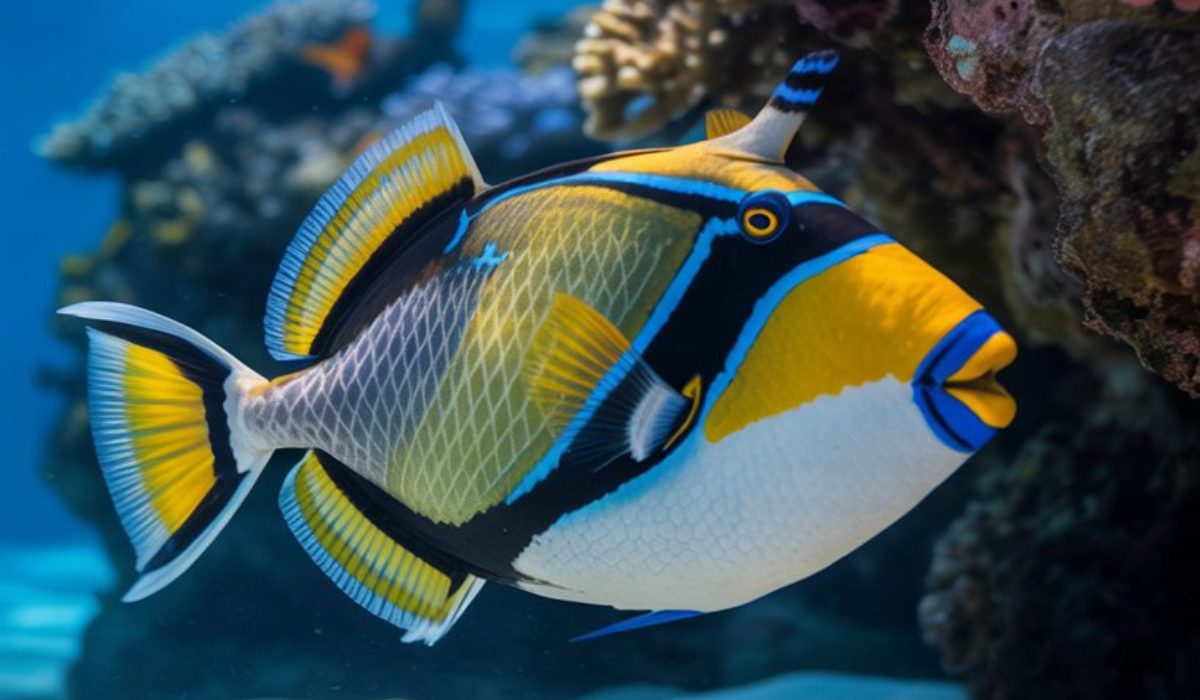
Triggerfish are bold, intelligent, and powerful marine fish known for their vibrant colors and strong personalities. Unlike peaceful reef fish, triggerfish are active swimmers with sharp teeth, curious behavior, and sometimes aggressive temperaments.
They belong to the family Balistidae, which includes around 40 species found in tropical and subtropical oceans worldwide.
In this complete guide, you’ll learn everything about Triggerfish — habitat, tank requirements, diet, behavior, compatibility, and expert care tips.
What Is a Triggerfish?
Triggerfish are medium to large marine fish known for:
- Oval, laterally compressed body
- Strong jaws and sharp teeth
- Small mouth but powerful bite
- Unique “trigger” dorsal spine mechanism
The name “Triggerfish” comes from their locking dorsal spine. When threatened, they can lock this spine into crevices, making it nearly impossible for predators to pull them out.
Natural Habitat of Triggerfish
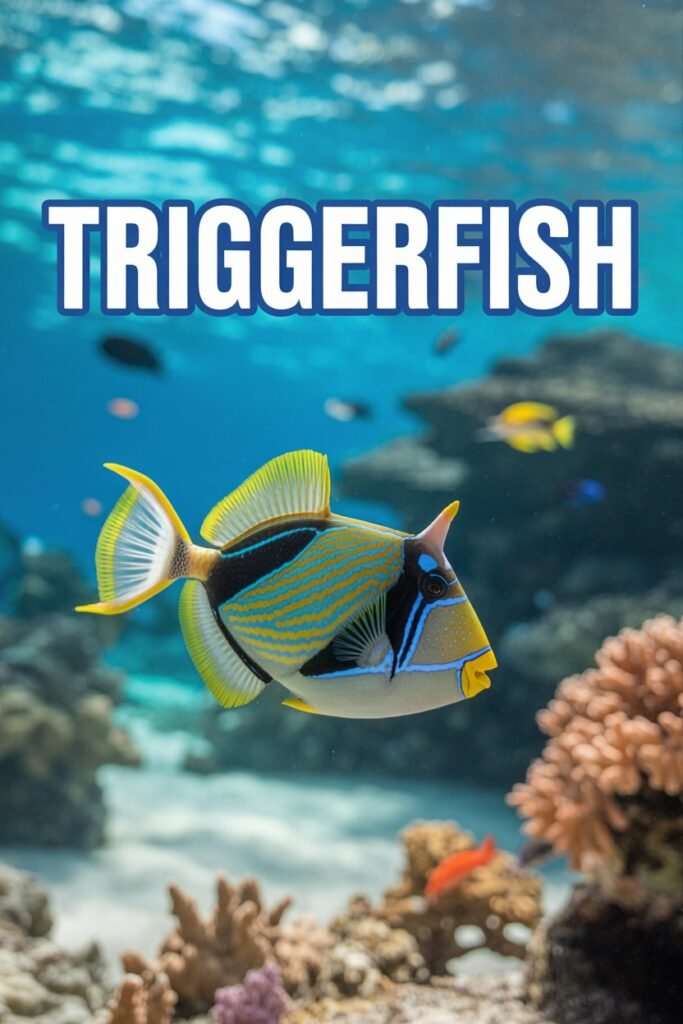
Triggerfish are found in:
- Indo-Pacific region
- Red Sea
- Atlantic Ocean
- Caribbean Sea
They inhabit:
- Coral reefs
- Lagoons
- Sandy flats
- Reef slopes
Habitat Conditions:
- Warm tropical waters (24–28°C)
- Rocky structures
- Coral formations
- Open swimming areas
Some species defend large territories aggressively, especially during breeding season.
Physical Appearance
Triggerfish are striking and muscular fish.
Key Features:
- Tough, leathery skin
- Strong beak-like teeth
- Prominent dorsal spine
- Vibrant patterns and bold colors
Size
- 8 to 30 inches (depending on species)
Lifespan
- 8–20 years with proper care
Larger species can grow very big and require spacious aquariums.
Popular Types of Triggerfish
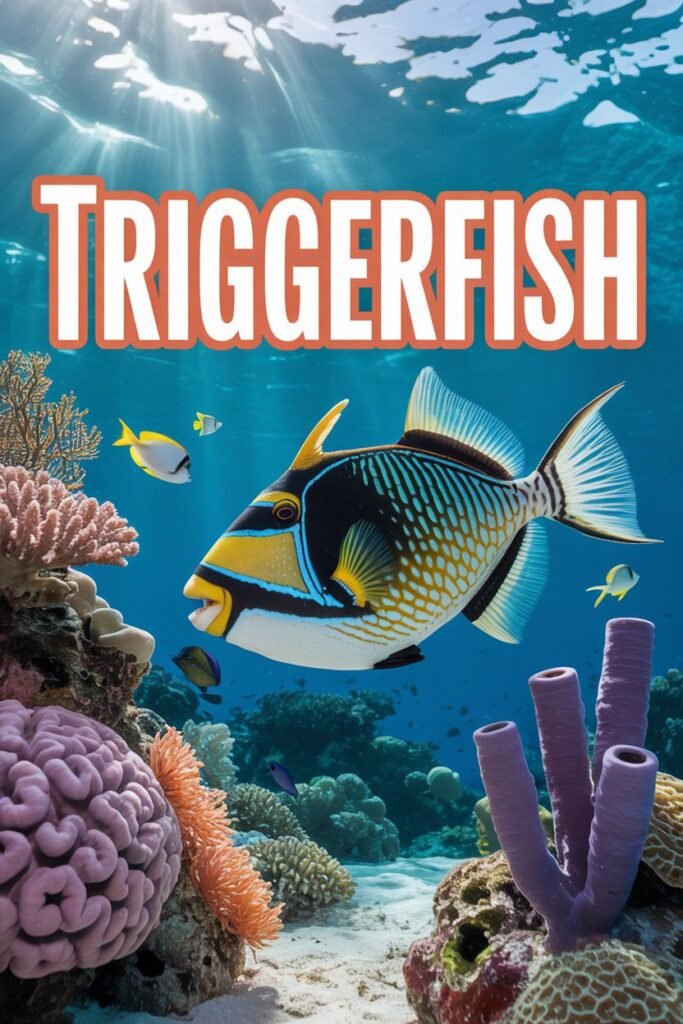
Here are some well-known species:
1. Clown Triggerfish
Balistoides conspicillum
- Black body with white spots
- Yellow mouth
- Extremely beautiful but can become aggressive
2. Titan Triggerfish
Balistoides viridescens
- Largest triggerfish species
- Highly territorial
- Known to chase divers in the wild
3. Blue Triggerfish (Niger Trigger)
Melichthys niger
- Deep blue to purple body
- One of the more peaceful triggers
4. Picasso Triggerfish
Rhinecanthus aculeatus
- Artistic color pattern
- Active and hardy
Each species has different aggression levels and tank needs.
Triggerfish Tank Requirements
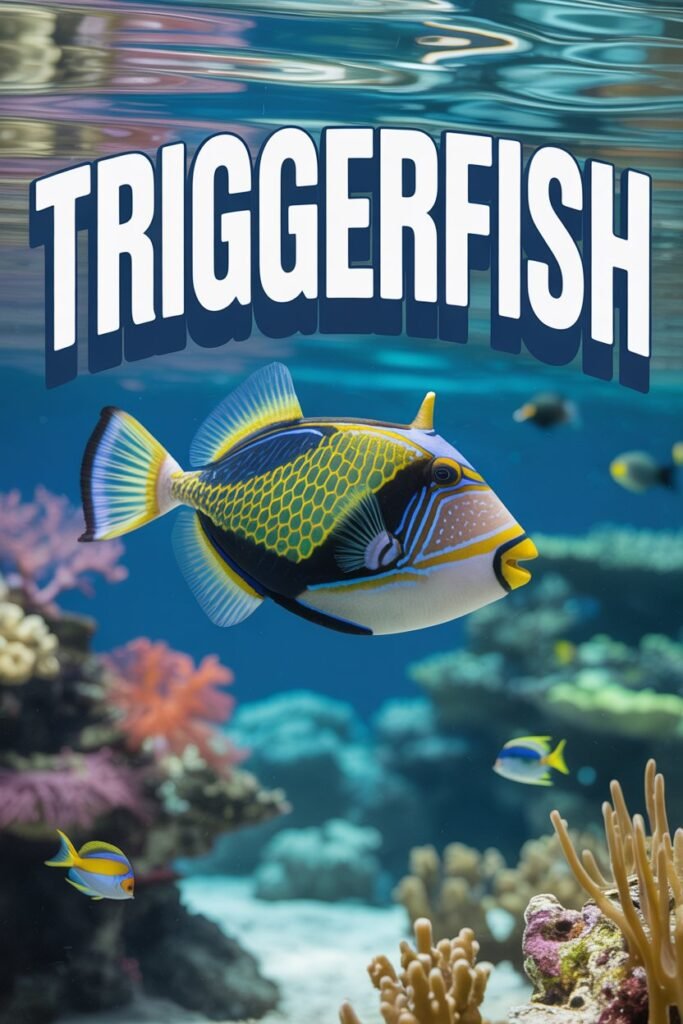
Triggerfish are not suitable for small tanks.
Minimum Tank Size
- 100 gallons (small species)
- 180–300+ gallons (large species like Titan)
Water Parameters
- Temperature: 24–28°C
- pH: 8.1–8.4
- Salinity: 1.023–1.025
- Strong filtration required
Tank Setup
- Large open swimming space
- Strong live rock structures
- Secure decorations (they may rearrange rocks!)
- Tight-fitting lid (they can jump)
Triggerfish produce heavy waste, so powerful filtration is essential.
Triggerfish Diet
Triggerfish are carnivorous.
In the Wild:
- Crabs
- Sea urchins
- Mollusks
- Shrimp
- Small fish
Their strong teeth help them crush shells easily.
In the Aquarium:
Feed a varied diet including:
- Shrimp
- Squid
- Clams
- Krill
- High-quality marine pellets
Providing hard-shelled foods helps prevent overgrown teeth.
Triggerfish Behavior
Triggerfish are intelligent and interactive.
Behavior Traits:
- Recognize their owner
- Rearrange tank decor
- Beg for food
- Highly territorial
Some species are semi-aggressive, while others are extremely aggressive.
Are Triggerfish Reef Safe?
Most Triggerfish are not reef safe.
They may:
- Eat shrimp and crabs
- Bite snails
- Damage corals
- Attack small fish
Some plankton-eating species (like Niger Trigger) may be safer, but caution is always advised.
Tank Mates for Triggerfish
Suitable Tank Mates:
- Large tangs
- Groupers
- Lionfish
- Larger angelfish
- Other robust marine fish
Avoid:
- Small peaceful fish
- Shrimp and crabs
- Slow-moving fish
Introduce tank mates carefully and monitor behavior closely.
Common Problems
1. Aggression
Can become dominant and bully tank mates.
2. Overgrown Teeth
Lack of hard foods can cause dental issues.
3. Poor Water Quality
Heavy waste producers require strong filtration.
4. Jumping
Always use a secure lid.
Are Triggerfish Good for Beginners?
Generally, no.
They are best suited for:
- Experienced marine aquarists
- Large fish-only systems
- Hobbyists comfortable managing aggression
However, hardy species like the Niger Trigger can sometimes be managed by dedicated beginners with large tanks.
Expert Tips for Success
- Choose species carefully based on tank size
- Avoid mixing aggressive triggers together
- Provide enrichment (rocks, caves)
- Feed varied, shell-based diet
- Maintain strong filtration and water changes
Planning is key when keeping triggerfish.
Why Triggerfish Are So Popular
Triggerfish are admired for:
- Bold personalities
- Vibrant colors
- Intelligent behavior
- Unique body structure
They often become the centerpiece of large marine aquariums due to their interactive nature.
Final Thoughts
Triggerfish are powerful, fascinating marine fish that require space, planning, and experience. While they are not ideal for reef tanks or small aquariums, they thrive in large fish-only systems with strong filtration and compatible tank mates.