
 By admin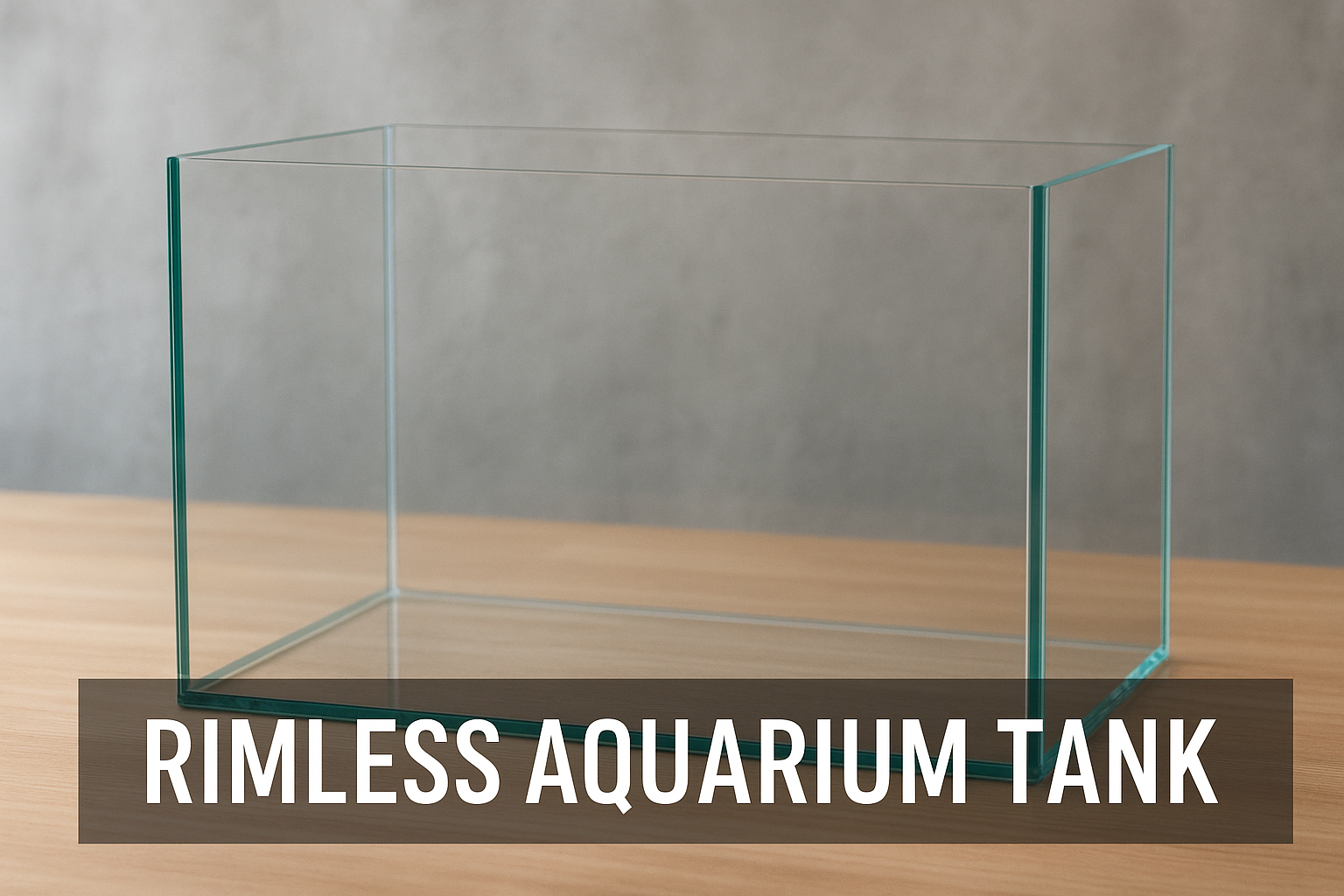
Aquariums are more than just homes for fish—they are living art pieces, reflections of nature, and statements of personal style. Among the different types of aquariums available, rimless aquarium tanks have become one of the most popular choices for aquascaping enthusiasts and modern aquarium keepers. With their sleek design and unobstructed views, rimless tanks provide a contemporary and elegant touch that transforms any room into a living gallery.
In this guide, we’ll cover everything you need to know about rimless aquarium tanks, including what they are, why they’re popular, their benefits, setup tips, maintenance advice, and much more. By the end, you’ll have a complete understanding of why a rimless aquarium tank might be the perfect choice for your aquatic hobby.
What is a Rimless Aquarium Tank?
A rimless aquarium tank is an aquarium that does not have the traditional plastic or metal frame (also called a rim) around the edges. Instead, the glass panels are joined seamlessly using strong silicone adhesive. This creates a clean, modern look with straight edges and crystal-clear visibility.
Most rimless aquariums are made from high-quality low-iron glass (often called “optical glass” or “starfire glass”) that offers superior clarity compared to standard glass, making fish, plants, and aquascaping features look vibrant and true to color.
Unlike framed aquariums, which prioritize durability and affordability, rimless tanks focus on aesthetics, minimalism, and unobstructed views.
Why Are Rimless Aquariums Popular?
Over the last decade, rimless aquariums have gained immense popularity among aquascaping enthusiasts and aquarium hobbyists worldwide. Here are some of the key reasons:
- Unobstructed View – Without rims or braces, your view of fish, plants, and aquascapes is crystal clear.
- Modern Aesthetic – Rimless tanks have a sleek, minimalist design that fits well in modern interiors.
- Better for Aquascaping – Aquascapers prefer rimless tanks because the clean edges showcase aquascapes like natural works of art.
- Enhanced Photography – Without rims or distortion, rimless aquariums are excellent for aquarium photography and videography.
- Luxury Appeal – Rimless aquariums are often considered premium tanks, giving them an elegant, high-end appeal.
Rimless Aquarium vs. Standard Aquarium
Before investing in a rimless aquarium tank, it’s important to understand how it compares to standard rimmed aquariums:
| Feature | Rimless Aquarium Tank | Standard Rimmed Aquarium |
|---|---|---|
| Design | Sleek, minimal, modern | Traditional with plastic/metal rims |
| View | Clear, unobstructed | Slightly obstructed by frame |
| Glass Quality | Often low-iron, high-clarity | Standard glass |
| Durability | Strong but relies on thicker glass | Extra support from frame |
| Cost | More expensive | Budget-friendly |
| Best For | Aquascaping, modern interiors, luxury setups | Beginners, budget-conscious hobbyists |
Benefits of a Rimless Aquarium Tank
If you’re considering upgrading to a rimless aquarium, here are some of the benefits you’ll enjoy:
1. Aesthetics and Elegance
The main reason people choose rimless tanks is for their visual appeal. They look like living art pieces, blending seamlessly into modern home or office designs.
2. True Color Representation
Low-iron glass used in rimless aquariums reduces the greenish tint often seen in standard glass, giving you true-to-life colors of your fish and plants.
3. Ideal for Aquascaping
For aquascapers, rimless aquariums are like blank canvases. They highlight rock formations, driftwood, and plant layouts without distractions.
4. Better Viewing Angles
Since there are no rims or braces blocking the top or corners, you can enjoy your aquarium from multiple angles without obstruction.
5. Luxurious Feel
Owning a rimless aquarium tank feels like owning a premium piece of furniture, enhancing the beauty of your space.
Drawbacks of Rimless Aquarium Tanks
Like any product, rimless aquariums also have some disadvantages:
- Higher Price – Rimless tanks are usually more expensive due to better glass quality and craftsmanship.
- Less Structural Support – Without rims, the tank relies solely on silicone and glass thickness, making proper setup crucial.
- More Fragile Edges – The exposed edges of rimless tanks are more prone to chipping if not handled carefully.
- Water Spills – Since rimless aquariums don’t have raised rims, water may splash out more easily during maintenance or fish activity.
Types of Rimless Aquarium Tanks
Rimless aquariums come in different sizes and styles to suit various needs. Some of the most common include:
- Nano Rimless Aquariums – Small tanks (2 to 20 gallons) ideal for desktops, offices, or small aquascapes.
- Medium-Sized Rimless Tanks – 20 to 55 gallons, popular among aquascapers and hobbyists.
- Large Rimless Aquariums – 75 gallons or more, often used as centerpiece tanks in homes or offices.
- Cube Rimless Aquariums – Perfect for minimal aquascaping or shrimp-only tanks.
- Custom-Built Rimless Aquariums – High-end options tailored to specific dimensions and requirements.
Setting Up a Rimless Aquarium Tank
Setting up a rimless aquarium requires a bit more attention than a standard aquarium. Here’s a step-by-step guide:
Step 1: Choose the Right Stand
Rimless aquariums need a perfectly level, strong stand. Any uneven surface can put stress on the glass and lead to cracks. Consider using foam or a leveling mat between the tank and the stand.
Step 2: Plan Your Aquascape
Since rimless tanks emphasize design, plan your hardscape (rocks, driftwood, substrate) carefully. Use the “golden ratio” or rule of thirds for visually appealing layouts.
Step 3: Select the Right Equipment
- Filter: Canister filters or hang-on-back filters are ideal to keep equipment hidden.
- Lighting: Choose high-quality LED aquarium lights that enhance colors and promote plant growth.
- Heater: Use a reliable submersible heater to maintain stable water temperature.
- CO2 System (optional): If keeping a planted aquascape, consider a CO2 system for healthy plant growth.
Step 4: Add Substrate and Hardscape
Lay down your substrate (sand, gravel, or aqua soil) and carefully place your hardscape materials.
Step 5: Add Plants and Water
Plant your live plants, then slowly fill the aquarium with dechlorinated water to avoid disturbing the layout.
Step 6: Cycle the Tank
Before adding fish, run the tank for 4–6 weeks to establish beneficial bacteria. This prevents deadly ammonia spikes.
Step 7: Introduce Fish and Invertebrates
Once the cycle is complete, gradually add your chosen fish, shrimp, or snails.
Maintenance of Rimless Aquarium Tanks
Maintaining a rimless aquarium tank involves regular cleaning and care:
- Water Changes – Replace 20–30% of the water weekly to keep water quality high.
- Glass Cleaning – Use an aquarium-safe glass cleaner or magnetic algae scraper to keep the glass spotless.
- Filter Maintenance – Rinse filter media regularly (in old tank water) to maintain efficiency.
- Monitor Parameters – Test for ammonia, nitrites, nitrates, and pH regularly.
- Trim Plants – Keep aquascaped plants healthy by trimming overgrowth.
Best Fish for Rimless Aquarium Tanks
Since rimless aquariums highlight beauty and design, many aquarists choose colorful, active, or schooling fish. Some great choices include:
- Guppies
- Neon Tetras
- Betta Fish (for nano tanks)
- Rasboras
- Dwarf Gouramis
- Shrimp and Snails (for planted setups)
Tips for Buying a Rimless Aquarium Tank
- Choose Reputable Brands – Look for trusted manufacturers known for high-quality silicone seals and strong glass.
- Inspect Seams – Ensure silicone is clean, even, and bubble-free.
- Go for Low-Iron Glass – This provides the clearest viewing experience.
- Consider Size – Rimless tanks look best when larger, but even nano versions can be striking.
- Check Stand Compatibility – Always use a stand designed for rimless aquariums.
Conclusion
A rimless aquarium tank is more than just a fish tank—it’s a piece of living art. With its sleek design, unobstructed view, and modern aesthetic, it’s no wonder rimless tanks have become the go-to choice for aquascaping enthusiasts and style-conscious aquarists. While they may be more expensive and require careful handling, the beauty and elegance they bring to a room are unmatched. Whether you’re creating a lush planted aquascape, a vibrant reef tank, or a simple minimalist setup, a rimless aquarium tank can elevate your aquarium experience to the next level.
FAQs About Rimless Aquarium Tanks
Q1: Are rimless aquariums safe?
Yes, rimless aquariums are safe if made with high-quality glass and strong silicone. However, always ensure the stand is level and sturdy to avoid stress on the glass.
Q2: Do rimless aquariums leak more often than rimmed ones?
Not necessarily. As long as the tank is built properly and maintained well, rimless tanks are just as reliable as rimmed tanks.
Q3: Can beginners use rimless aquariums?
Yes, beginners can use rimless tanks, but they should be aware of the higher cost and need for careful handling compared to rimmed tanks.
Q4: Do rimless tanks need a lid?
Many rimless tanks are open-top for aesthetic purposes, but you can use a glass lid to prevent fish from jumping and reduce evaporation.
Q5: Are rimless aquariums more expensive?
Yes, they typically cost more because they use thicker, low-iron glass and require precise craftsmanship.
Q6: What is the best size for a rimless aquarium?
It depends on your space and goals. Nano rimless tanks are great for desktops, while larger rimless tanks (55+ gallons) make stunning centerpiece displays.
Q7: Can rimless aquariums hold saltwater?
Absolutely! Rimless tanks can be used for both freshwater and saltwater setups, including planted tanks and reef aquariums.