
 By admin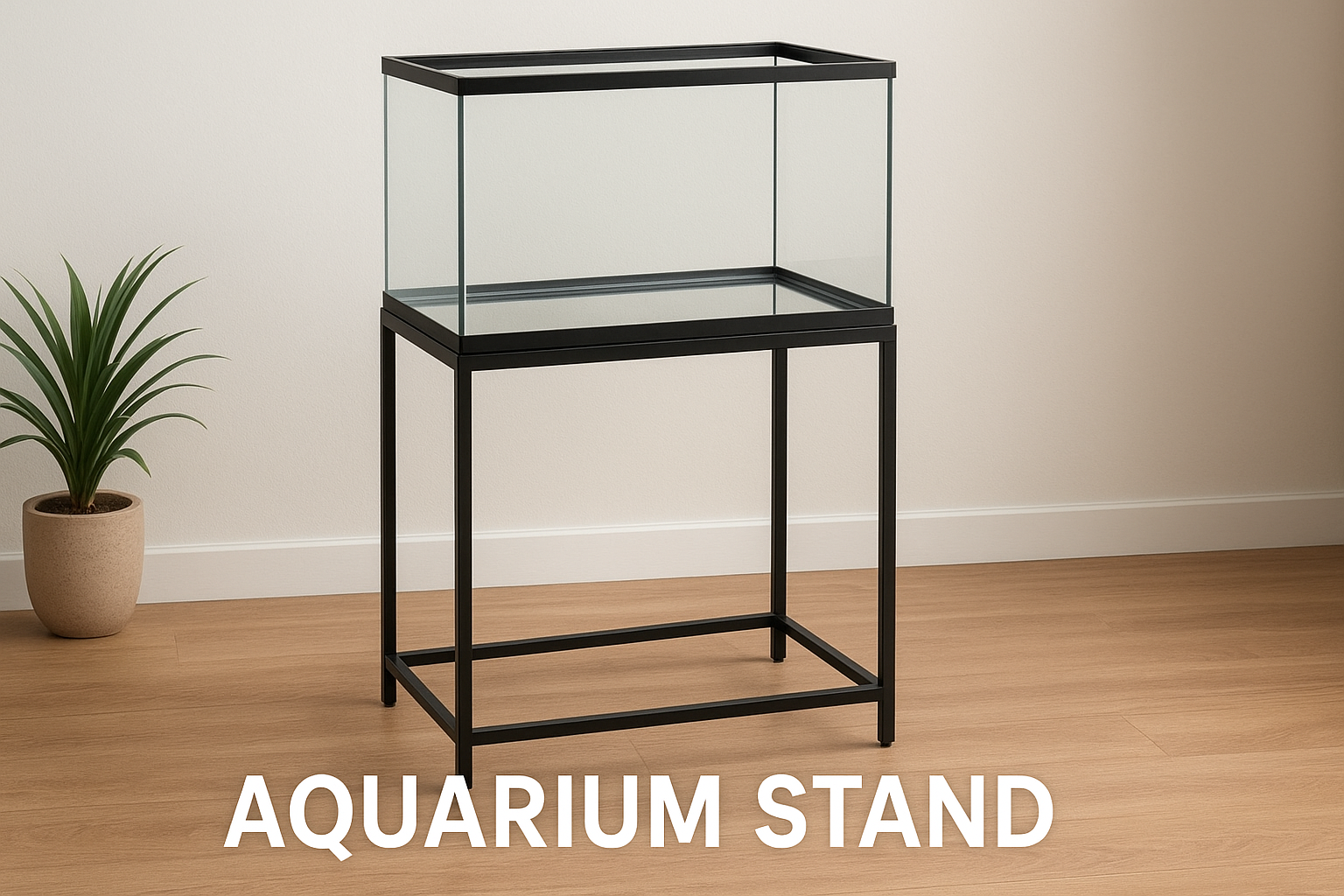
An aquarium is more than just a tank filled with water and fish—it’s a carefully balanced ecosystem and a piece of living art. But one crucial component that often goes unnoticed is the aquarium stand. Without a reliable stand, even the most beautiful aquarium can be at risk of tipping, cracking, or collapsing.
When it comes to durability and stability, nothing beats a metal aquarium stand. Unlike wooden or particle-board stands, metal stands offer superior strength, long-lasting performance, and the ability to handle heavy aquariums with ease. In this guide, we’ll explore everything you need to know about metal aquarium stands, including their benefits, types, cost, setup, and maintenance tips.
What Is a Metal Aquarium Stand?
A metal aquarium stand is a specially designed structure built from steel, iron, or aluminum to support the weight of an aquarium. Since water is extremely heavy—about 8.34 pounds per gallon—even a medium-sized tank can weigh hundreds of pounds once filled with water, substrate, rocks, and equipment.
For example:
- A 55-gallon aquarium weighs over 450 pounds when full.
- A 125-gallon aquarium can weigh 1,200 pounds or more.
That’s why a sturdy and stable stand is essential, and metal frames are often the best choice.
Why Choose a Metal Aquarium Stand?
Here are the main reasons aquarists prefer metal aquarium stands over wood or composite options:
1. Strength and Stability
Metal is far stronger than wood or particle board, making it ideal for large tanks (75+ gallons). A properly welded stand can hold thousands of pounds without risk of bowing or breaking.
2. Long-Lasting Durability
Metal does not warp, swell, or crack like wood when exposed to water or humidity. With proper coating to prevent rust, metal stands can last decades.
3. Space Efficiency
Most metal stands have an open-frame design, allowing space underneath for filters, sumps, and storage. Wooden stands often use bulky cabinetry that reduces available space.
4. Modern and Sleek Design
A black powder-coated steel stand looks sleek and minimal, blending well with modern home décor.
5. Customization Options
Metal stands can be custom-built to fit unusual aquarium sizes or multi-tank setups. They can also be powder-coated in different colors
Drawbacks of Metal Aquarium Stands
While metal stands are excellent, they also have some disadvantages to consider:
- Rust Risk: If not powder-coated or treated, steel stands can rust from water splashes or high humidity.
- Less Aesthetic: Metal frames are often open and industrial-looking compared to wood cabinetry stands.
- Higher Cost for Custom Designs: Custom-welded stands can be more expensive than standard wood models.
- Weight: Large metal stands can be heavy and may require two people to move.
Types of Metal Aquarium Stands
There are several different styles of metal aquarium stands available, depending on tank size and purpose.
1. Single-Tier Metal Aquarium Stand
- Supports one aquarium.
- Most common for tanks between 20–75 gallons.
- Minimalist design with open space underneath.
2. Double-Tier Metal Aquarium Stand
- Supports two aquariums stacked vertically.
- Popular with breeders and hobbyists who keep multiple tanks.
- Ideal for 10–40 gallon aquariums.
3. Heavy-Duty Welded Steel Stands
- Designed for large tanks (100+ gallons).
- Uses thick welded steel tubing.
- Can support thousands of pounds safely.
4. Aluminum Aquarium Stands
- Lighter than steel and rust-resistant.
- More expensive but ideal for saltwater tanks due to corrosion resistance.
5. Custom Metal Aquarium Stands
- Built to exact specifications.
- Can be powder-coated, painted, or designed with added shelving.
- Perfect for non-standard aquarium dimensions.
Metal Aquarium Stand vs. Wood Aquarium Stand
| Feature | Metal Aquarium Stand | Wood Aquarium Stand |
|---|---|---|
| Strength | Very strong, handles heavy loads | Strong but can warp or weaken over time |
| Durability | Long-lasting, rust-resistant if coated | Susceptible to water damage |
| Appearance | Sleek, industrial, minimalist | Traditional, furniture-like |
| Weight | Lighter than solid wood | Heavier if made from hardwood |
| Price | Slightly more expensive | Can be cheaper in standard sizes |
| Customization | Easy to customize | Limited to carpentry designs |
Sizes and Weight Capacities
Metal aquarium stands come in various sizes, each designed to support a specific aquarium weight:
- 20–40 Gallons: Standard steel tube stands can easily hold these tanks.
- 55–75 Gallons: Require heavier gauge steel for stability.
- 100–180 Gallons: Custom-welded stands with cross braces recommended.
- 200+ Gallons: Industrial-strength stands with reinforced frames.
Always check the weight rating of a stand before purchasing.
Cost of Metal Aquarium Stands
The price depends on size, material, and design:
- Small metal stands (10–40 gallons): $50 – $150
- Medium stands (55–75 gallons): $150 – $400
- Large stands (100–180 gallons): $400 – $1,000
- Custom or extra-large stands (200+ gallons): $1,000 – $3,500+
Aluminum stands are generally more expensive than steel due to their corrosion resistance.
How to Choose the Best Metal Aquarium Stand
When buying a metal stand, consider the following:
- Tank Size and Weight – Ensure the stand can support your tank’s full weight when filled.
- Material Type – Steel is strong and affordable, while aluminum is lightweight and rust-resistant.
- Powder Coating – Look for powder-coated finishes to prevent rust.
- Leveling Feet – Adjustable feet help stabilize the aquarium on uneven floors.
- Storage Space – Decide whether you want open space or shelves for equipment.
- Custom Needs – If you have a non-standard aquarium, consider a custom-built stand.
Setting Up a Metal Aquarium Stand
Follow these steps for safe installation:
- Choose a Level Surface – Place the stand on a flat, stable floor.
- Use a Mat or Padding – Place foam or rubber padding between the aquarium and stand to distribute weight evenly.
- Check for Stability – Ensure the stand does not wobble before filling the tank.
- Add the Aquarium – Carefully place the empty tank on top of the stand.
- Install Equipment – Set up filters, heaters, and sump tanks underneath the stand if space is available.
- Fill Slowly – Fill the aquarium with water gradually, checking for stability as it fills.
Maintenance Tips for Metal Aquarium Stands
- Clean Regularly: Wipe down the stand to prevent water spots and salt buildup.
- Prevent Rust: Touch up scratches with rust-resistant paint.
- Inspect Joints and Welds: Check for wear, especially on older stands.
- Avoid Overloading: Never exceed the weight capacity of the stand.
- Use Padding: Foam padding helps protect both the stand and aquarium base.
Advantages of Metal Stands for Saltwater Aquariums
Metal aquarium stands are especially useful for saltwater tanks:
- Space for Sumps: The open-frame design allows large sumps to fit underneath.
- Corrosion-Resistant Options: Powder-coated steel or aluminum withstands saltwater splashes.
- Strength: Large reef tanks weighing thousands of pounds are best supported by metal frames.
Should You Buy a Metal Aquarium Stand?
If you own a large or heavy aquarium, or you want a long-lasting, modern, and space-efficient stand, then a metal aquarium stand is the best choice. While they may cost more upfront than wooden options, their strength, safety, and durability make them a worthwhile investment for serious aquarists.
FAQs About Metal Aquarium Stands
1. Are metal aquarium stands better than wood stands?
Yes, metal stands are stronger, more durable, and less prone to water damage compared to wooden stands. However, wood stands may look more like furniture.
2. Do metal aquarium stands rust?
Steel stands can rust if exposed to water, but powder-coated or aluminum stands are highly resistant to corrosion.
3. Can a metal stand hold a 200-gallon tank?
Yes, but it must be a heavy-duty, welded stand specifically rated for that weight.
4. Do I need foam under my aquarium on a metal stand?
Yes, foam or rubber padding helps distribute the weight evenly and prevents pressure points on the glass or acrylic tank.
5. Are metal aquarium stands adjustable?
Some models come with adjustable feet to help level the tank on uneven floors.
6. Can I build my own metal aquarium stand?
Yes, DIY stands are possible if you have welding skills, but professional stands are safer for large tanks.
7. How long do metal stands last?
With proper care and rust protection, a quality metal stand can last 20 years or more.
8. Are aluminum stands better than steel stands?
Aluminum stands are lighter and naturally rust-resistant, but steel stands are usually stronger and more affordable.