
 By admin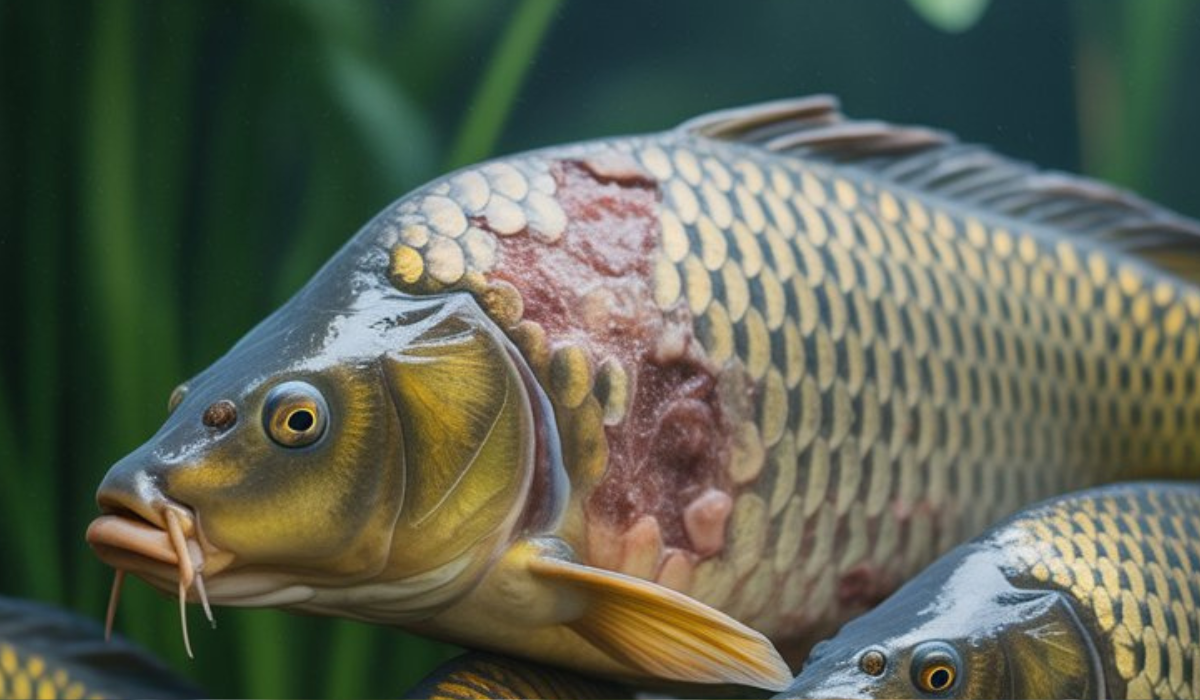
Carp Pox Disease, also known as fish pox or epidermal hyperplasia, is a common viral disease that affects koi carp and other cyprinid fish species. It is caused by Cyprinid herpesvirus-1 (CyHV-1) and is primarily recognized by the waxy, white to gray lesions that appear on the skin, fins, and sometimes gills of infected fish. Although it is rarely fatal, it can significantly affect the appearance, health, and market value of ornamental koi and carp. For aquarists, pond keepers, and fish farmers, understanding carp pox disease is essential for proper management, reducing stress in fish, and preventing secondary infections.
This article provides an in-depth overview of carp pox disease, covering its causes, clinical signs, treatment options, and long-term prevention strategies. Whether you are a koi hobbyist or a professional breeder, the knowledge of this condition can help you maintain healthier fish populations and avoid unnecessary losses.
What is Carp Pox Disease?
Carp pox disease is a chronic viral skin disease that manifests as wart-like lesions on the body surface of affected fish. These lesions are caused by abnormal proliferation of epidermal cells due to infection with Cyprinid herpesvirus-1. Unlike some other fish viruses, carp pox is usually non-lethal, but it can persist for months and reappear under stressful conditions.
Key Features of Carp Pox Disease
- Caused by Cyprinid herpesvirus-1 (CyHV-1)
- Affects koi carp, common carp, and related species
- Not usually fatal but affects fish health and appearance
- More common in cold-water conditions (below 15°C or 59°F)
- Lesions may regress when water temperatures rise above 20°C (68°F)
Causes of Carp Pox Disease
Viral Agent
The primary causative agent is Cyprinid herpesvirus-1 (CyHV-1), a DNA virus belonging to the family Alloherpesviridae. This virus specifically targets epithelial cells in the skin and fins, leading to abnormal growth and formation of characteristic lesions.
Contributing Factors
- Cold water temperatures: The disease is most common in autumn, winter, and early spring when water is below 15°C.
- Stress: Poor water quality, overcrowding, and transport stress can trigger outbreaks.
- Immune suppression: Fish with weak immune systems are more likely to show severe symptoms.
- Poor nutrition: Lack of essential vitamins and minerals reduces the ability of fish to fight viral infections.
Symptoms of Carp Pox Disease
Carp pox can be identified by its distinct external symptoms, although lab tests are sometimes necessary for confirmation.
Visible Signs
- Smooth, waxy, or candle-wax-like growths on the skin and fins
- Lesions may be white, gray, or slightly pink in color
- Flat patches or raised nodules that merge into larger areas
- Thickening of the skin in affected areas
- Lesions typically appear near the tail, dorsal fin, or pectoral fins
Behavioral Changes
- Fish remain generally active but may show mild lethargy in severe infections
- No significant appetite loss unless secondary infections occur
Long-Term Impact
- Permanent scarring in chronic cases
- Reduced market value of ornamental koi due to disfigurement
- Increased susceptibility to bacterial or fungal infections if lesions ulcerate
Diagnosis of Carp Pox Disease
Diagnosis is primarily based on visual examination, but in some cases, laboratory confirmation is required.
Methods of Diagnosis
- Physical observation: Lesions resemble melted candle wax, which is typical of carp pox.
- Histopathology: Microscopic examination of tissue samples shows epidermal hyperplasia.
- PCR testing: Detects viral DNA from skin or fin samples for confirmation.
- Differential diagnosis: Important to rule out other viral diseases such as koi herpesvirus disease (KHV) or bacterial skin infections.
Treatment of Carp Pox Disease
There is no specific antiviral treatment for carp pox disease, but supportive measures can help fish recover and reduce the severity of symptoms.
1. Environmental Management
- Increase water temperature: Raising water temperature gradually above 20°C (68°F) often leads to regression of lesions.
- Maintain water quality: Stable pH, low ammonia, and adequate oxygen levels reduce stress on fish.
- Provide shaded areas: Reduces temperature fluctuations in outdoor ponds.
2. Nutritional Support
- Provide a balanced, high-quality diet with vitamins A, C, and E to boost immunity.
- Supplement fish food with garlic, spirulina, or probiotics to improve disease resistance.
3. Secondary Infection Control
Lesions can be prone to bacterial or fungal invasion, so preventive treatment may be necessary:
- Use broad-spectrum antibacterial pond treatments if ulcers develop.
- Apply salt baths (0.3% to 0.5%) to reduce external parasites and stress.
- Topical antiseptics may be used for isolated fish under veterinary supervision.
4. Quarantine and Isolation
- Infected fish should be separated from healthy populations to reduce viral transmission.
- New fish should always undergo a quarantine period of at least 4 weeks before introduction.
Can Carp Pox Disease be Cured?
Carp pox is a viral disease with no permanent cure, but in many cases, lesions regress naturally when water temperatures rise and fish immunity strengthens. Some fish may carry the virus for life and show recurring symptoms, especially in colder seasons.
Prevention of Carp Pox Disease
1. Good Pond Management
- Regular water quality monitoring (pH, ammonia, nitrite, and oxygen levels)
- Proper filtration and aeration systems to maintain healthy conditions
- Avoid sudden changes in temperature and environment
2. Stress Reduction
- Avoid overcrowding in ponds or tanks
- Handle fish gently during transport or netting
- Provide hiding places to reduce aggression among fish
3. Nutrition and Immune Boosting
- Feed a varied diet rich in proteins, vitamins, and minerals
- Use immune-stimulating supplements during seasonal transitions
- Avoid overfeeding to prevent poor water quality
4. Quarantine Protocols
- Isolate new fish before mixing them with existing populations
- Observe for signs of disease during the quarantine period
5. Biosecurity Measures
- Disinfect nets, tanks, and equipment before use
- Avoid sharing pond equipment between different systems
- Limit access of wild fish or birds that may carry pathogens
Carp Pox vs Koi Herpesvirus (KHV)
It is important to distinguish carp pox from koi herpesvirus disease (KHV), as both involve herpesviruses but differ in severity.
| Feature | Carp Pox (CyHV-1) | KHV (CyHV-3) |
|---|---|---|
| Mortality | Rarely fatal | Very high, often 80–100% |
| Symptoms | Waxy, white skin lesions | Severe gill necrosis, sunken eyes, lethargy |
| Seasonality | More common in cold water | More common in warm water (22–28°C) |
| Long-Term Impact | Cosmetic, reduced market value | Major economic losses due to mass mortality |
Economic and Aesthetic Impact of Carp Pox
While carp pox disease is not as devastating as KHV, it can still affect both commercial and ornamental koi industries.
- Commercial impact: Infected carp may fetch lower prices due to visible deformities.
- Hobbyist concerns: Koi keepers often value aesthetics; lesions can reduce the visual appeal of prized fish.
- Long-term management: Since the virus can persist in populations, continuous monitoring and preventive care are necessary.
Research and Future Outlook
Recent studies focus on:
- Developing vaccines against CyHV-1 to reduce outbreaks.
- Exploring immunostimulants such as probiotics, beta-glucans, and herbal extracts to strengthen fish immunity.
- Investigating genetic resistance in koi strains that may show reduced susceptibility.
- Advanced molecular diagnostics for early detection of latent carriers.
With improved understanding of viral behavior and immune responses, future treatments may provide more permanent solutions.
Step-by-Step Guide for Managing Carp Pox in Koi Ponds
- Identify early symptoms: waxy, white skin lesions.
- Test water quality and make corrections if parameters are imbalanced.
- Gradually raise water temperature if possible to above 20°C.
- Provide high-quality feed with vitamin supplements.
- Quarantine severely affected fish to reduce spread.
- Monitor for secondary infections and apply appropriate treatments.
- Maintain preventive measures year-round to reduce recurrences.
Conclusion
Carp Pox Disease is a persistent but non-lethal viral infection in koi and carp, caused by Cyprinid herpesvirus-1. It manifests as waxy, white skin lesions that affect the aesthetic and commercial value of fish but rarely cause death. While there is no specific antiviral cure, proper environmental management, nutrition, and stress reduction significantly improve recovery and reduce outbreaks. Preventive measures such as quarantine, biosecurity, and good pond management are essential for long-term control. With ongoing research in vaccines and immunostimulants, better solutions may emerge in the future to protect koi and carp populations from this condition.
FAQs on Carp Pox Disease
Q1. What causes carp pox disease in koi?
Carp pox is caused by Cyprinid herpesvirus-1 (CyHV-1), which infects the skin cells of koi and carp, leading to waxy lesions.
Q2. Is carp pox disease fatal?
No, it is rarely fatal, but it can weaken fish and make them prone to secondary infections.
Q3. Can carp pox be treated?
There is no direct antiviral treatment, but raising water temperature, improving water quality, and supporting immunity can help lesions regress.
Q4. Does carp pox go away on its own?
Yes, in many cases lesions regress naturally as water temperatures rise, but the virus can remain dormant and reappear under stress.
Q5. How can I prevent carp pox in my koi pond?
Prevention includes good pond management, maintaining stable water quality, reducing stress, providing balanced nutrition, and quarantining new fish.
Q6. Can carp pox spread to other fish species?
Yes, it primarily affects koi and common carp, but other cyprinid species may also be susceptible.
Q7. How is carp pox different from koi herpesvirus (KHV)?
Carp pox is non-lethal and mainly cosmetic, while KHV is highly lethal and causes mass mortality in koi populations.
Q8. Will my koi carry carp pox for life?
Yes, once infected, koi may remain lifelong carriers and can show symptoms during stressful or cold-water conditions.