
 By admin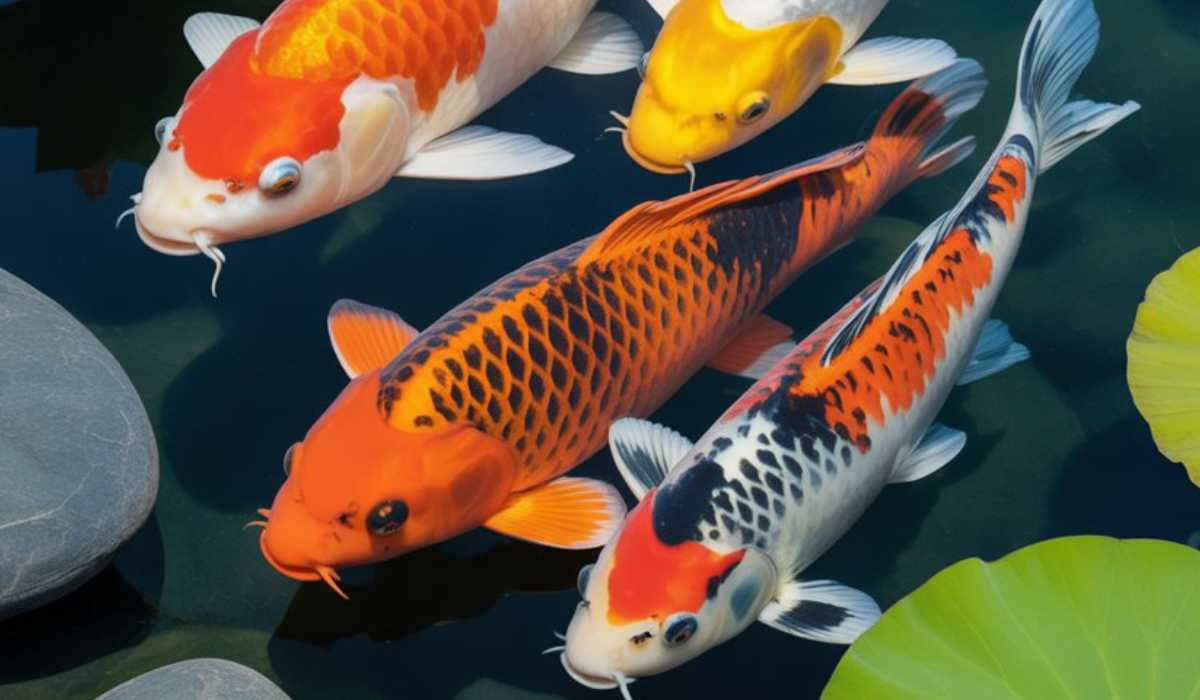
Koi fish are among the most admired aquatic animals in the world. Known for their vibrant colors, graceful swimming patterns, and deep symbolism, koi have become a centerpiece of ponds, gardens, and aquariums across the globe. Whether you’re a hobbyist planning your first koi pond or an enthusiast exploring different strains, koi fish offer endless fascination.
This comprehensive guide covers everything you need to know about koi fish — their history, characteristics, types, breeding, care, feeding, pond management, health issues, and more.
What Are Koi Fish?
Koi fish are a domesticated and selectively bred variety of common carp (Cyprinus carpio). Over centuries, especially in Japan, koi have been developed into many beautiful patterns and colors. Because of their stunning appearance and friendly nature, they are kept as decorative fish in outdoor ponds or large aquariums.
Koi fish are also called:
- Nishikigoi (Japanese name)
- Ornamental carp
- Water jewels
Their appearance can vary greatly, including combinations of red, white, blue, yellow, orange, gold, and black.
History and Origin of Koi Fish
The origin of koi fish dates back to ancient China, where carp were first domesticated for food. The Japanese later perfected selective breeding techniques in the early 1800s, leading to the emergence of colorful koi varieties.
In Japanese culture, koi fish symbolize:
- Strength and perseverance
- Good luck
- Prosperity
- Success
- Love and friendships
Today, koi are celebrated globally as symbols of beauty and peace.k
Physical Characteristics of Koi Fish
Here are some key features that define koi fish:
| Feature | Detail |
|---|---|
| Size | Typically 12–36 inches; some giants can exceed 3 feet |
| Lifespan | 20–40 years; some live over 100 years with proper care |
| Body Shape | Torpedo-shaped body with flowing fins |
| Behavior | Calm, social, can be trained to eat from hand |
| Habitat | Outdoor ponds with fresh, well-filtered water |
Their unique patterns are what make koi special. Each fish is evaluated on color purity, shape, symmetry, and pattern definition.
Koi Fish Behavior and Personality
Koi are surprisingly intelligent. They:
- Recognize owners and can be hand-fed
- Display social hierarchy in groups
- Swim gracefully and rarely become aggressive
- Enjoy exploring and interacting with environment
Their calm and peaceful behavior makes them perfect for decorative ponds.
Types of Koi Fish
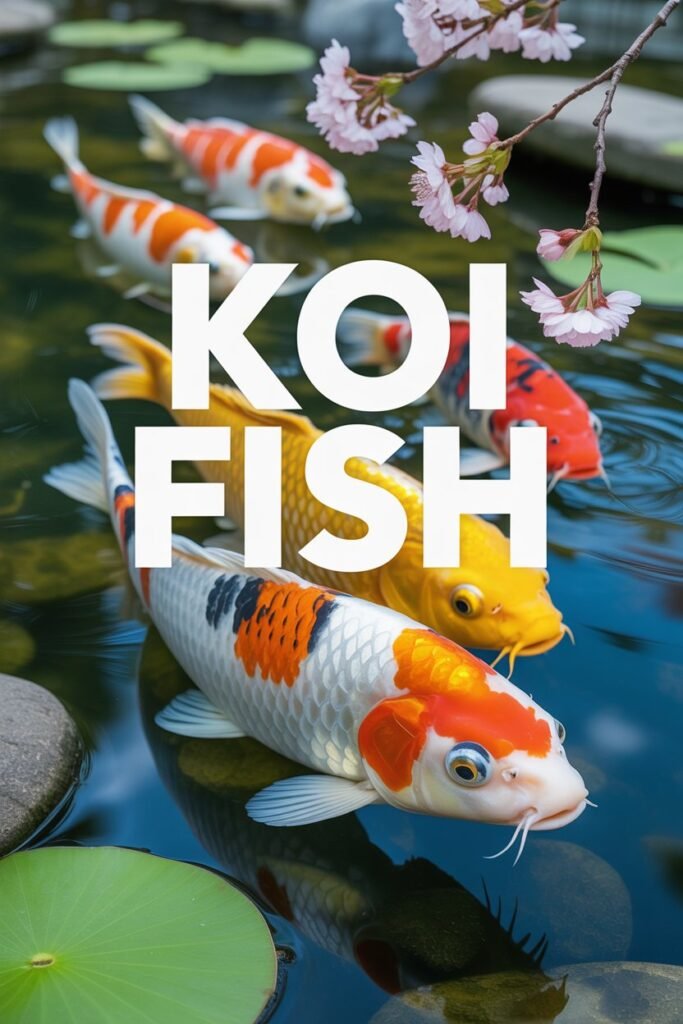
There are over 100 recognized koi varieties, but they are categorized into main groups based on color, pattern, and scales. Below are the most popular and widely kept koi types:
1. Kohaku
- White body with bold red (Hi) markings
- One of the most famous and traditional varieties
- Clean, sharp patterns are highly prized
2. Sanke (Taisho Sanke)
- White base with red and black markings
- Resembles Kohaku, but with additional black spots
3. Showa (Showa Sanshoku)
- Black base with red and white patterns
- Bold contrast with deep black is a signature trait
4. Utsuri
- Black fish with another color overlay (white, red, or yellow)
- Includes:
- Shiro Utsuri (black & white)
- Hi Utsuri (black & red)
- Ki Utsuri (black & yellow)
5. Bekko
- White, yellow, or red body with black spots
- Simpler and elegant patterns
6. Asagi
- Blue, net-like scales along back
- Red coloration on belly and fins
7. Shusui
- Doitsu (scaleless) version of Asagi
- Blue top line with red sides
8. Ogon
- Single-colored metallic koi
- Available in platinum, gold, orange, etc.
9. Matsuba
- Single color with a pinecone-style black scale pattern
10. Tancho
- White body with a single red circle on head
- Symbolizes Japan’s national flag
11. Goshiki
- Five-color koi with dark base and red patches
- Complex and unique scales
12. Doitsu Koi
- Scaleless koi or koi with a single row of scales
- Originated from German carp
13. Butterfly Koi (Longfin Koi)
- Long, flowing fins like a butterfly
- Majestic swimming style
14. Koromo
- Similar to Kohaku but with blue edges on red patterns
- Very refined appearance
15. Hikarimono
- Metallic sheen that reflects strong sunlight
- Comes in many color variations
16. Kumonryu
- Black-and-white koi whose patterns change seasonally
17. Chagoi
- Brown or tea-colored, extremely friendly and large
- Often leader of the pond group
18. Soragoi
- Grey-blue fish with friendly personality
- Very calm and grows large
19. Yamabuki Ogon
- Shining metallic golden color
- Popular symbol of wealth and prosperity
20. Benigoi
- Solid, bright red koi
- Rare and highly valuable
Koi fish breeders continuously develop new patterns, so the list keeps growing.
Koi Pond Requirements
To keep koi fish healthy, their environment must be carefully designed. A peaceful, clean pond encourages growth, strong immunity, and beautiful coloration.
Ideal Pond Size
| Aspect | Requirement |
|---|---|
| Minimum Volume | 3,000 liters (800 gallons) |
| Depth | At least 3–4 feet |
| Shape | Rounded or oval edges preferred |
| Space | Bigger is always better for growth |
Water Conditions
| Parameter | Ideal Level |
|---|---|
| Temperature | 18–25°C (65–77°F) |
| pH | 7.0–8.0 |
| Ammonia/Nitrite | 0 ppm |
| Nitrate | <40 ppm |
| Oxygen | Strong aeration required |
Water quality is the top priority for koi health.
Filtration System
Koi ponds require:
- Mechanical filtration (removes waste)
- Biological filtration (converts toxins)
- UV clarifiers (fight algae and bacteria)
A powerful filtration system keeps water crystal clear and safe for life.
Shelter and Shade
Provide:
- Plants or rock caves for shade
- Gentle water flow
- No sharp objects that could harm fins
Outdoor vs Indoor Keeping
| Outdoor Pond | Indoor Aquarium |
|---|---|
| Best for long-term growth | Suitable for small koi or temporary holding |
| Natural sunlight | Needs artificial lighting |
| Requires more maintenance | Easier to control environment |
Most koi thrive best in outdoor ponds.
Feeding Koi Fish
Koi are omnivorous and love a varied diet. Feeding a balanced menu improves color development and health.
What to Feed
- High-quality koi pellets
- Frozen or live foods (bloodworms, shrimps)
- Fresh vegetables (peas, lettuce, spinach)
- Fruits (watermelon, orange slices—in moderation)
Feeding Schedule
| Season | Frequency | Notes |
|---|---|---|
| Summer | 2–4 times daily | Active and fast growth |
| Winter | 0–1 time daily | Very slow metabolism |
Never overfeed. Excess food pollutes water and causes diseases.
Breeding Koi Fish
Breeding koi requires planning, space, and a lot of patience.
Breeding Facts
- Males chase females during spawning season (spring)
- Females lay thousands of eggs on plants
- Eggs hatch in 3–5 days
Parents may eat eggs, so breeders separate eggs into a nursery tank until fry grow.
Selective breeding is used to enhance:
- Color
- Pattern uniformity
- Body shape
- Metallic finish
Only a small number of fry become high-quality koi.
Koi Fish Health Care
Koi are hardy but still vulnerable to stress and disease.
Common Koi Diseases
| Disease | Cause | Symptoms |
|---|---|---|
| Ich | Parasite | White spots, rubbing |
| Fin Rot | Bacteria | Frayed fins |
| Dropsy | Infection | Swollen belly, raised scales |
| Gill Flukes | Parasite | Difficulty breathing |
| Ulcers | Poor water | Red patches, sores |
Prevention Tips
- Maintain clean, filtered water
- Quarantine new fish
- Avoid overfeeding
- Regular water testing
- Keep stable temperature
Early treatment is key to saving sick koi.
Symbolism and Cultural Importance
Koi fish hold deep symbolic meaning across Asia.
| Meaning | Symbol |
|---|---|
| Strength | Swimming upstream |
| Success | Overcoming hardship |
| Wealth | Golden koi |
| Love | Pairs of koi |
| Luck | Red koi varieties |
In feng shui, koi ponds attract prosperity and positive energy.
How to Select Quality Koi Fish
When purchasing koi, check:
1. Color
- Vibrant and even
- Sharp edges between colors
2. Body Shape
- Symmetrical form, no deformities
3. Pattern Balance
- Appealing from all viewing angles
4. Activity
- Strong, confident swimming behavior
5. Health
- Clear eyes, smooth skin, no fin damage
Higher-grade koi have more vivid colors and desirable patterns, which increases their value.
Koi Fish Lifespan and Growth
With proper care, koi fish can live 20–40 years, and some have lived more than 100 years. Their growth depends on:
- Pond size
- Diet quality
- Water purity
In spacious ponds, koi can reach over 3 feet long.
Why Koi Fish Are Loved Around the World
Here are some reasons koi fish remain so popular:
- Their stunning beauty never fades
- They create a relaxing garden atmosphere
- They bond with owners and can be hand-fed
- Represent positive energy and luck
- Suitable for large backyard ponds
Whether for art, culture, or hobby, koi are truly living treasures.
FAQs About Koi Fish
Q1. How much do koi fish cost?
Koi prices range from a few dollars to thousands of dollars, depending on size, pattern quality, and breed.
Q2. Can koi fish live with other pond fish?
Yes, koi are peaceful and can live with goldfish and other calm species.
Q3. Do koi fish need a heater?
Not always. They can tolerate cooler temperatures, but stable warm water is best for growth and immunity.
Q4. How often should I clean a koi pond?
Partial water changes every 1–2 weeks and filter cleaning as needed will keep the pond healthy.
Q5. Are koi fish hard to keep?
With proper pond setup and water maintenance, koi are relatively easy and long-lasting pets.
Q6. Can koi live in small aquariums?
Young koi can, but adults require large outdoor ponds due to their size.
Q7. Why do koi change color over time?
Sun exposure, diet, water quality, and genetics can all influence color changes.
Q8. How many koi fish can I keep in my pond?
Rough guideline: 1 adult koi per 500–1000 liters of water, depending on filtration strength.
Q9. Do koi fish sleep?
They rest calmly, especially at night, but they don’t sleep like humans.
Q10. Can koi recognize their owners?
Yes! Koi learn feeding routines and often greet owners at pond edges.
Final Thoughts
Koi fish are more than just pets — they are symbols of beauty, peace, and success. With proper care, they can transform any garden into a living work of art. From beginners to professional koi keepers, anyone can experience the joy of raising these majestic water jewels.
If you’re planning to start a koi pond, this guide gives you everything you need — from choosing the right variety to maintaining perfect water conditions. Enjoy the vibrant world of koi and build a pond full of life, color, and happiness.