
 By admin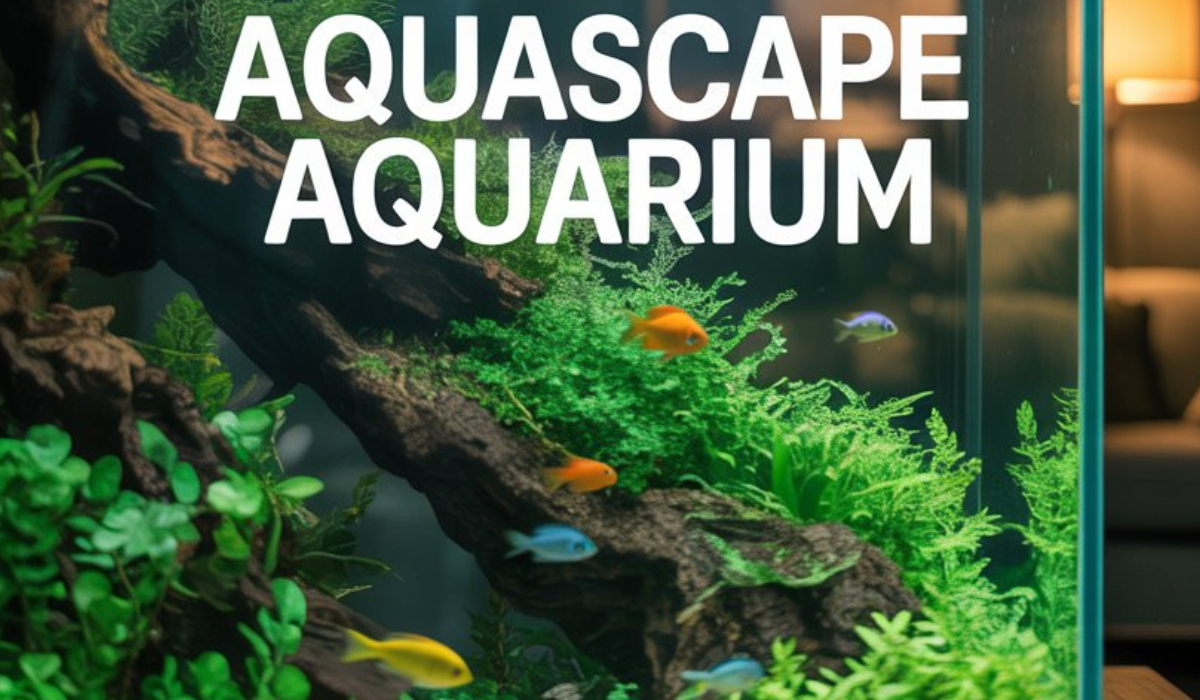
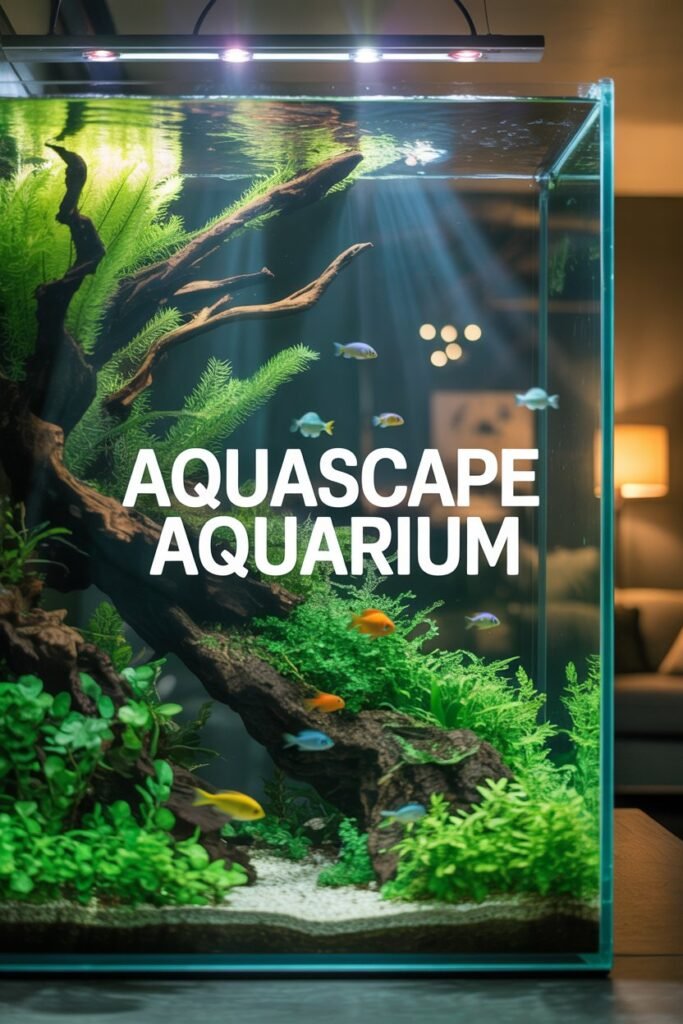
An aquascape aquarium is more than just a fish tank—it is a living work of art. By combining plants, rocks, driftwood, substrate, and carefully selected aquatic life, aquascaping transforms a simple aquarium into a natural underwater landscape inspired by rivers, forests, mountains, and valleys.
Aquascape aquariums have become extremely popular among beginners and expert aquarists alike because they blend creativity, nature, and science into one rewarding hobby. This comprehensive guide explains everything you need to know about aquascape aquariums, including styles, layouts, plants, equipment, maintenance, and design principles.
What Is an Aquascape Aquarium?
An aquascape aquarium is a planted aquarium designed using artistic and natural layout principles. Unlike regular aquariums that focus mainly on fish, aquascaping emphasizes the arrangement of plants, hardscape materials, and visual balance.
The goal of an aquascape aquarium is to recreate natural scenery underwater while maintaining a healthy environment for plants and fish.
Why Aquascape Aquariums Are So Popular
Aquascape aquariums are loved worldwide for several reasons.
Artistic Expression
Each aquascape is unique and reflects the aquarist’s creativity.
Natural Beauty
Aquascapes mimic real ecosystems such as forests, rivers, and hills.
Stress Relief
Watching a balanced aquascape aquarium is calming and therapeutic.
Educational Value
Aquascaping teaches patience, balance, and ecosystem management.
Community and Competition
Aquascaping has a strong global community and competitions.
Core Elements of an Aquascape Aquarium
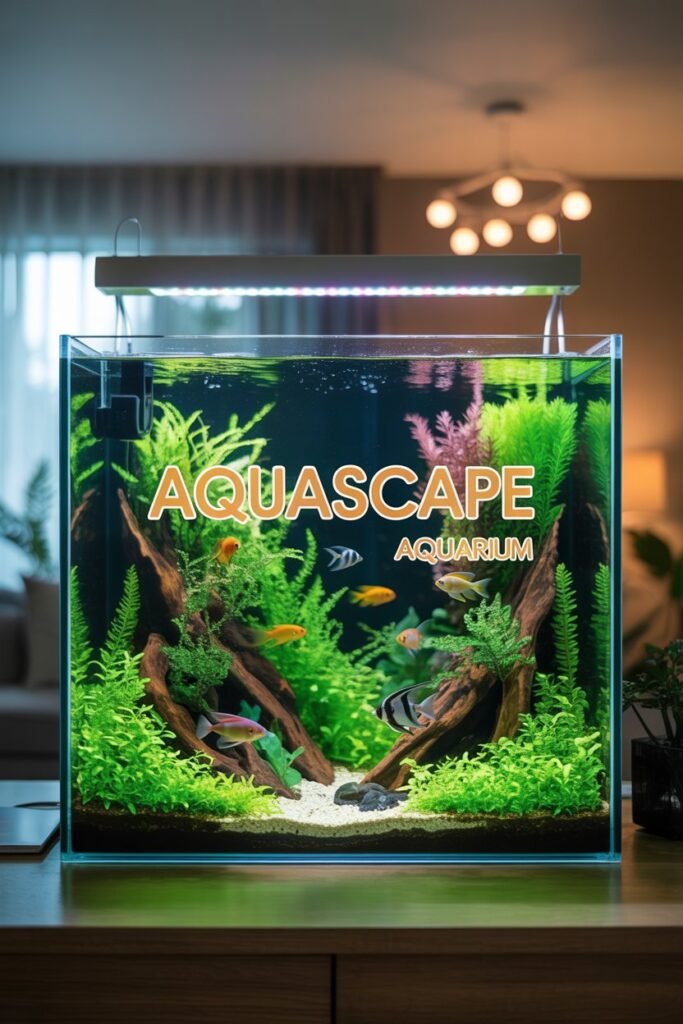
Every successful aquascape aquarium is built around a few essential components.
Hardscape
Hardscape refers to non-living materials.
- Rocks
- Driftwood
- Stones
- Roots
Hardscape forms the structure and layout of the aquascape.
Aquatic Plants
Plants bring life, color, and movement to the aquascape aquarium.
- Foreground plants
- Midground plants
- Background plants
Healthy plant growth is the heart of aquascaping.
Substrate
The substrate anchors plants and influences aesthetics.
- Nutrient-rich soil
- Sand
- Gravel
- Layered substrates
Proper substrate supports strong root development.
Aquarium Livestock
Fish and invertebrates complement the aquascape.
- Small schooling fish
- Shrimp
- Snails
Livestock should enhance, not overpower, the aquascape.
Types of Aquascape Aquarium Styles
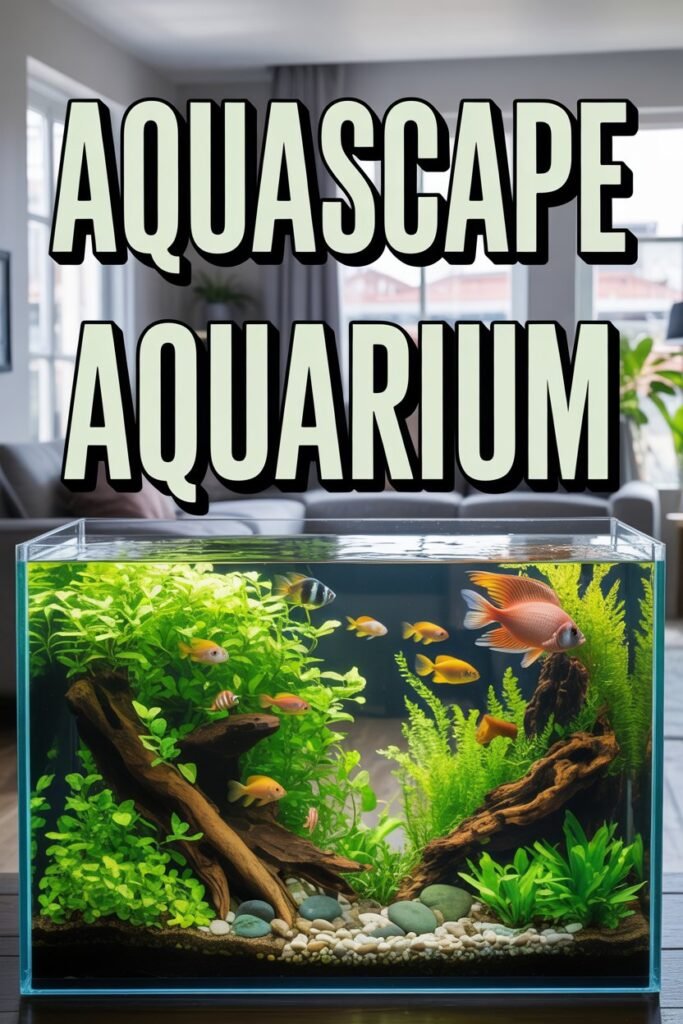
Aquascaping has several well-known styles, each with its own rules and beauty.
Nature Style Aquascape Aquarium
Inspired by natural landscapes.
Features
- Asymmetrical layouts
- Natural flow
- Balanced plant growth
Often resembles forests, rivers, or hills.
Iwagumi Aquascape Aquarium
A minimalist Japanese style focused on stones.
Features
- Odd number of rocks
- Simple plant selection
- Strong sense of balance
Elegant, clean, and challenging to master.
Dutch Style Aquascape Aquarium
Plant-focused and colorful.
Features
- Dense plant growth
- Color contrast
- Structured layout
Little to no hardscape used.
Jungle Style Aquascape Aquarium
Wild and untamed appearance.
Features
- Dense, overgrown plants
- Natural chaos
- Organic look
Ideal for aquarists who prefer a natural forest feel.
Biotope Aquascape Aquarium
Replicates a specific natural habitat.
Features
- Region-specific plants and fish
- Natural accuracy
- Educational value
Focuses on realism rather than design rules.
Minimalist Aquascape Aquarium
Clean and modern design.
Features
- Limited plants
- Simple hardscape
- Open space
Perfect for contemporary interiors.
Essential Equipment for an Aquascape Aquarium
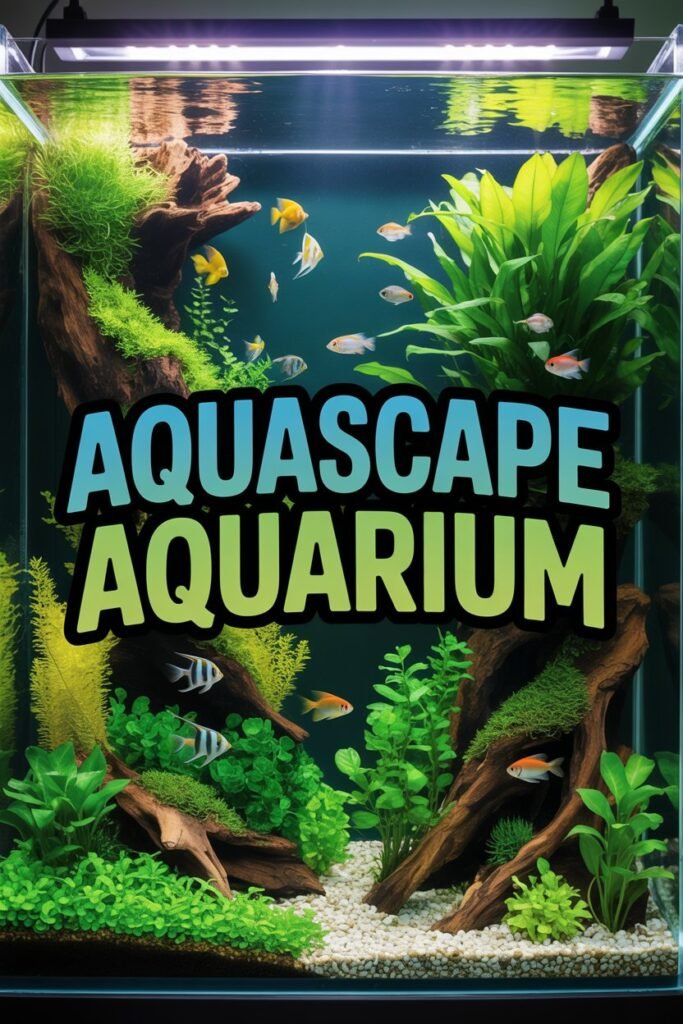
Aquarium Tank
Clear glass tanks with low iron glass are preferred for aquascaping.
Lighting
Lighting determines plant health and appearance.
- LED lights
- Full spectrum lighting
- Adjustable intensity
Proper lighting enhances colors and growth.
Filtration
Clean water is critical.
- External filters
- Canister filters
- Gentle flow
Filtration should not disturb the layout.
CO₂ System
Many aquascapes require carbon dioxide.
- Pressurized CO₂
- Diffusers
- Regulators
CO₂ promotes lush plant growth.
Fertilization
Plants need nutrients.
- Liquid fertilizers
- Root tabs
- Balanced dosing
Overdosing should be avoided.
Choosing Plants for an Aquascape Aquarium
Foreground Plants
- Carpet-forming plants
- Low-growing species
They create depth and scale.
Midground Plants
- Bushy plants
- Transitional height
They connect foreground and background.
Background Plants
- Tall plants
- Fast growers
They provide depth and hide equipment.
Fish and Invertebrates for Aquascape Aquarium
Best Fish Choices
- Small schooling fish
- Peaceful species
- Low waste producers
They add movement without damaging plants.
Shrimp and Snails
- Clean algae
- Maintain balance
- Enhance ecosystem
Popular in aquascape aquariums.
Aquascape Aquarium Design Principles
Rule of Thirds
Divides the tank into sections for balanced placement.
Focal Point
A single area that draws attention.
Depth and Perspective
Using size variation to create distance.
Balance and Harmony
Avoid overcrowding one side.
Step-by-Step Aquascape Aquarium Setup
Step 1: Planning
Sketch your layout and choose a style.
Step 2: Hardscape Placement
Arrange rocks and wood first.
Step 3: Add Substrate
Create slopes for depth.
Step 4: Planting
Start with foreground, then midground, then background.
Step 5: Fill with Water
Use care to avoid disturbing plants.
Step 6: Equipment Setup
Install filter, light, and CO₂.
Step 7: Cycling
Allow the aquarium to stabilize before adding fish.
Maintenance of an Aquascape Aquarium
Regular Trimming
Keeps plants healthy and shaped.
Water Changes
Maintain water quality and nutrient balance.
Algae Control
Prevent algae through balance, not chemicals.
Equipment Cleaning
Ensure proper function.
Consistent maintenance is key to long-term success.
Common Mistakes in Aquascape Aquarium
- Overcrowding plants
- Poor lighting selection
- Ignoring CO₂ needs
- Inconsistent maintenance
- Rushing livestock addition
Avoiding these mistakes improves results.
Aquascape Aquarium for Beginners
Beginners should:
- Start simple
- Use hardy plants
- Avoid complex layouts
- Focus on balance
Aquascaping skills grow with experience.
Benefits of Aquascape Aquarium
- Stunning visual appeal
- Natural stress relief
- Improved indoor aesthetics
- Educational experience
- Creative satisfaction
An aquascape aquarium is both art and science.
Aquascape Aquarium Trends
- Natural minimalist designs
- Nano aquascapes
- Moss-focused layouts
- Black background aquascapes
- Shrimp-only aquascapes
Trends evolve, but natural beauty remains timeless.
Frequently Asked Questions (FAQs)
What is an aquascape aquarium?
A planted aquarium designed as a natural underwater landscape.
Is aquascaping difficult?
It can be challenging but is beginner-friendly with simple setups.
Do aquascape aquariums need CO₂?
Not always, but CO₂ improves plant growth.
What fish are best for aquascape aquariums?
Small, peaceful fish and shrimp are ideal.
How often should I maintain an aquascape aquarium?
Weekly maintenance is recommended.
Can beginners start aquascaping?
Yes, with proper planning and patience.
How long does an aquascape last?
With care, an aquascape can last for years.
Is aquascaping expensive?
Costs vary; simple aquascapes can be budget-friendly.
Final Thoughts
An aquascape aquarium is a beautiful fusion of nature, creativity, and balance. Whether you prefer a minimalist stone layout, a lush jungle scene, or a carefully structured planted tank, aquascaping allows you to create a living underwater world that evolves over time.
With proper planning, the right equipment, and consistent care, an aquascape aquarium becomes a centerpiece that brings peace, beauty, and satisfaction into any space.