
 By admin
Growing a garden is one of the most rewarding and relaxing activities you can start. Whether you have a large backyard or a small balcony, you can create a beautiful and productive garden with the right planning and care.
This complete guide will walk you through everything you need to know to grow a healthy garden from scratch.
Why Grow a Garden?
Gardening offers many benefits.
It provides fresh fruits, vegetables, and herbs. It improves mental well-being and reduces stress. It also enhances your home’s beauty and supports the environment.
Even a small garden can make a big difference.
Choose the Right Location
Location is the foundation of a successful garden.
Pick a spot that gets at least 6–8 hours of sunlight daily. Make sure the area has good drainage and easy access to water.
If you have limited space, consider container gardening on a balcony or rooftop.
Decide What to Grow
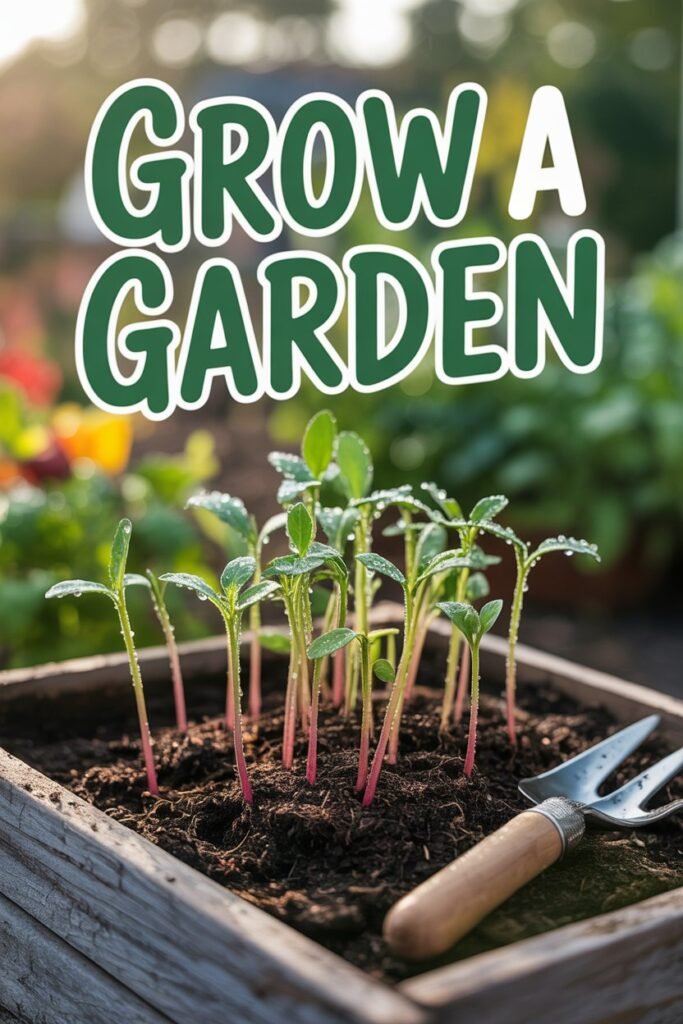
Choose plants based on your climate, space, and preferences.
Vegetables
- Tomatoes
- Spinach
- Carrots
- Peppers
Herbs
- Mint
- Basil
- Coriander
Flowers
- Roses
- Marigolds
- Sunflowers
Start with easy-to-grow plants if you are a beginner.
Prepare the Soil
Healthy soil is key to plant growth.
Use nutrient-rich soil mixed with compost. Good soil should be loose, well-draining, and full of organic matter.
You can improve soil quality by adding natural fertilizers like compost or manure.
Planting Your Garden
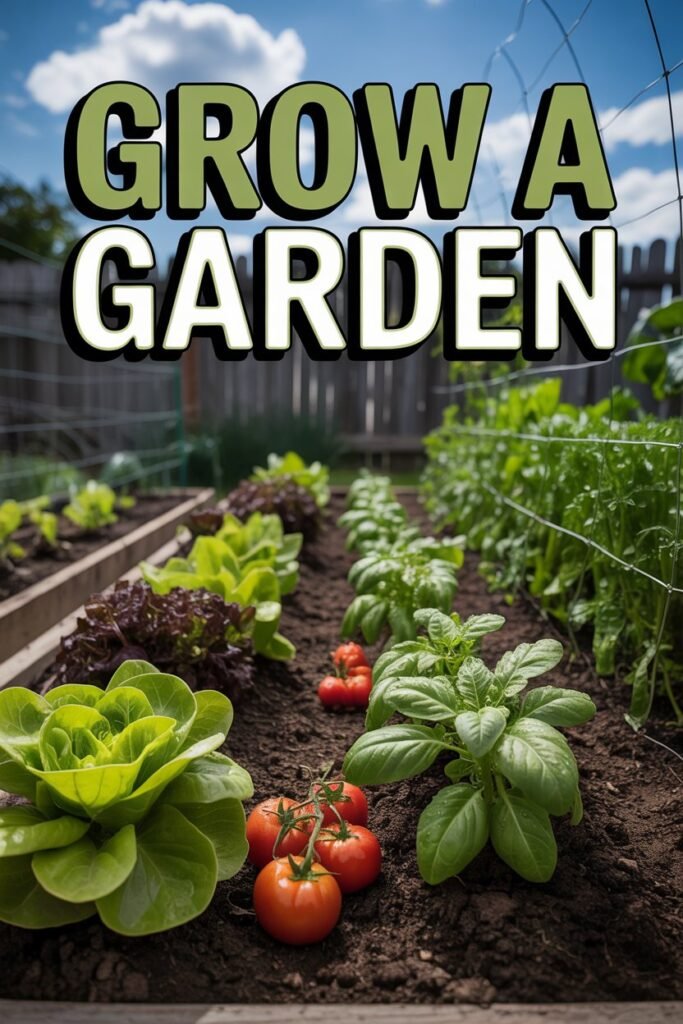
Follow proper spacing and planting depth for each plant.
Water the soil lightly after planting.
Avoid overcrowding, as plants need space to grow and access sunlight.
Watering Tips
Water your garden regularly, but do not overwater.
Early morning or evening is the best time to water.
Make sure the soil stays moist but not waterlogged.
Sunlight Requirements
Most plants need plenty of sunlight.
Leafy greens can tolerate partial shade, while vegetables like tomatoes need full sun.
Observe your garden and adjust plant placement accordingly.
Fertilizing Your Plants
Plants need nutrients to grow.
Use organic fertilizers or compost every few weeks.
Avoid over-fertilizing, as it can harm plants.
Pest and Disease Control
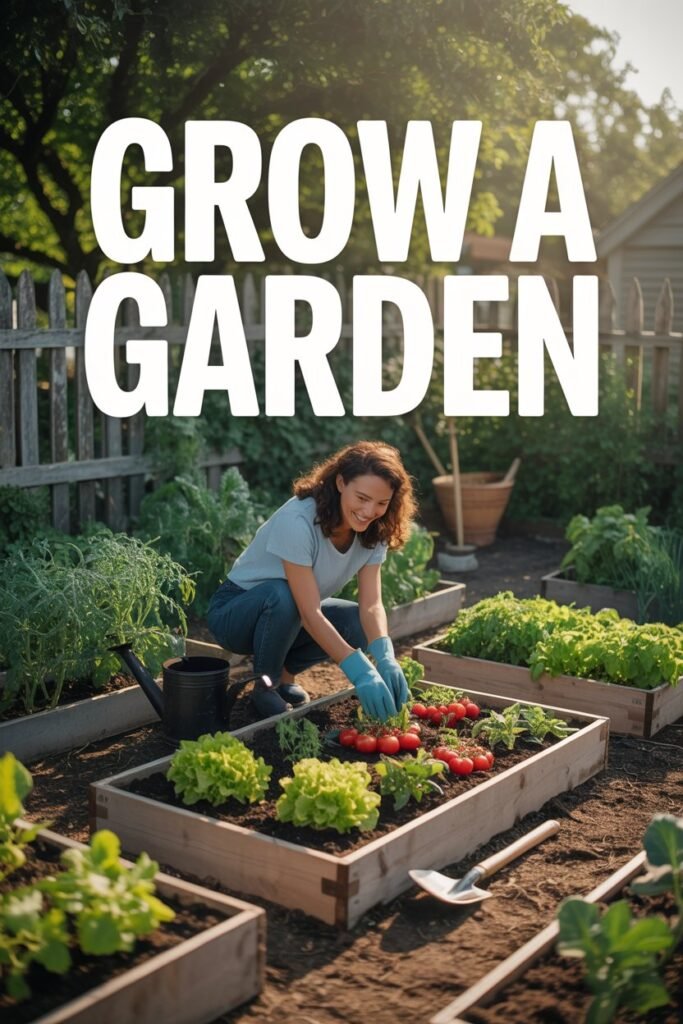
Protect your plants from pests.
Use natural methods like neem oil or companion planting.
Remove damaged leaves and monitor plants regularly.
Garden Maintenance
Regular care keeps your garden healthy.
Remove weeds frequently.
Trim and prune plants.
Check for pests and diseases.
Keep the area clean and organized.
Small Space Gardening Ideas
If you don’t have much space, try these options.
Container Gardening
- Use pots and containers
- Perfect for balconies
- Easy to manage
Vertical Gardening
- Grow plants on walls
- Saves space
- Looks decorative
Raised Beds
- Better soil control
- Improved drainage
- Easier maintenance
Seasonal Gardening Tips
Plant according to the season.
Cool-season crops like spinach grow in winter.
Warm-season crops like tomatoes grow in summer.
Understanding seasons helps improve yield.
Common Mistakes to Avoid
- Overwatering
- Poor soil quality
- Planting in low sunlight
- Overcrowding plants
- Ignoring pests
Avoiding these mistakes will help your garden thrive.
Why Gardening is So Popular
Gardening is popular because it combines creativity, health, and sustainability. It allows you to connect with nature and enjoy fresh produce at home.
It is also a relaxing and fulfilling hobby.
Final Thoughts
Growing a garden is simple when you follow the basics. Start small, learn from experience, and expand gradually.
With patience and care, your garden will grow into a beautiful and productive space.
FAQs
What is the easiest plant to grow?
Herbs like mint and basil are very easy.
How often should I water my garden?
Water regularly, depending on weather and soil.
Can I garden in small spaces?
Yes, container and vertical gardening work well.
Do I need fertilizer?
Yes, plants need nutrients to grow.
How long does it take to grow a garden?
It depends on the plants, but many grow within weeks to months.