
 By admin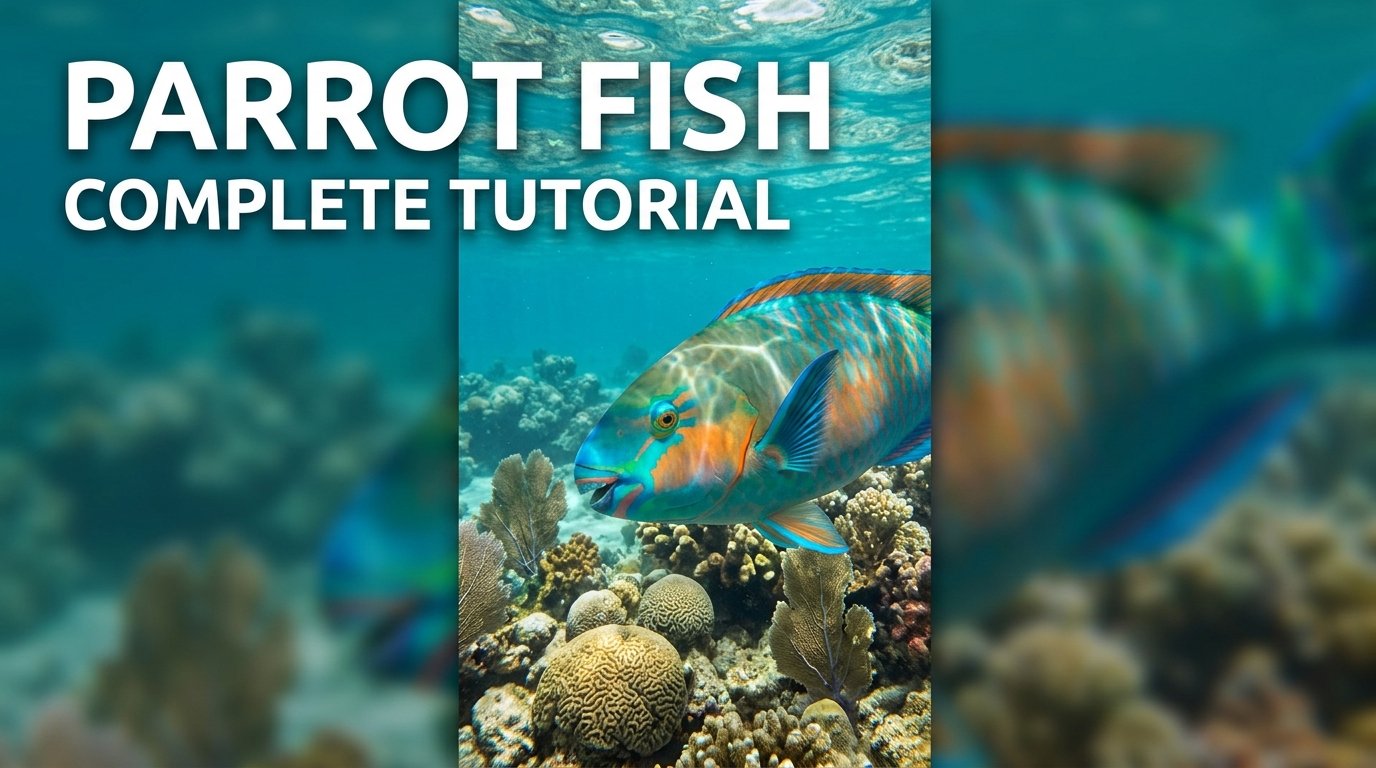
A parrot fish is one of the most colorful and fascinating fish found in both marine environments and freshwater aquariums. Known for their bright colors, unique beak-like mouths, and active personalities, parrot fish have become popular among fish enthusiasts around the world.
The term “parrot fish” can refer to two different groups. In the ocean, Parrotfish are reef-dwelling fish famous for their vibrant colors and their role in maintaining coral reef ecosystems. In the aquarium hobby, many people use the term to describe the popular Blood Parrot Cichlid, a freshwater fish known for its rounded body and distinctive appearance.
This guide covers everything you need to know about parrot fish, including their habitat, care requirements, feeding, tank setup, and breeding.
What Is a Parrot Fish?
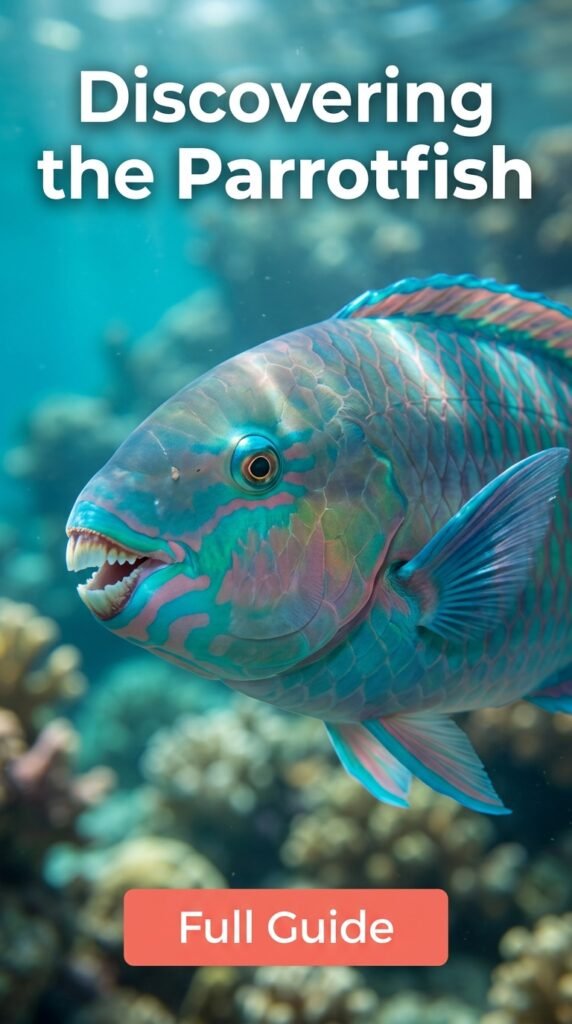
Parrot fish are named for their beak-like mouths, which resemble a parrot’s beak. This unique mouth structure helps marine parrotfish scrape algae from rocks and coral surfaces.
Freshwater blood parrot fish have a similar mouth shape, giving them their common name despite being unrelated to marine parrotfish.
Natural Habitat of Marine Parrot Fish
Parrotfish are commonly found in tropical and subtropical oceans.
Typical Habitats
- Coral reefs
- Shallow coastal waters
- Lagoons
- Rocky reef systems
They are especially abundant in warm regions where coral reefs thrive.
Why Parrot Fish Are Important
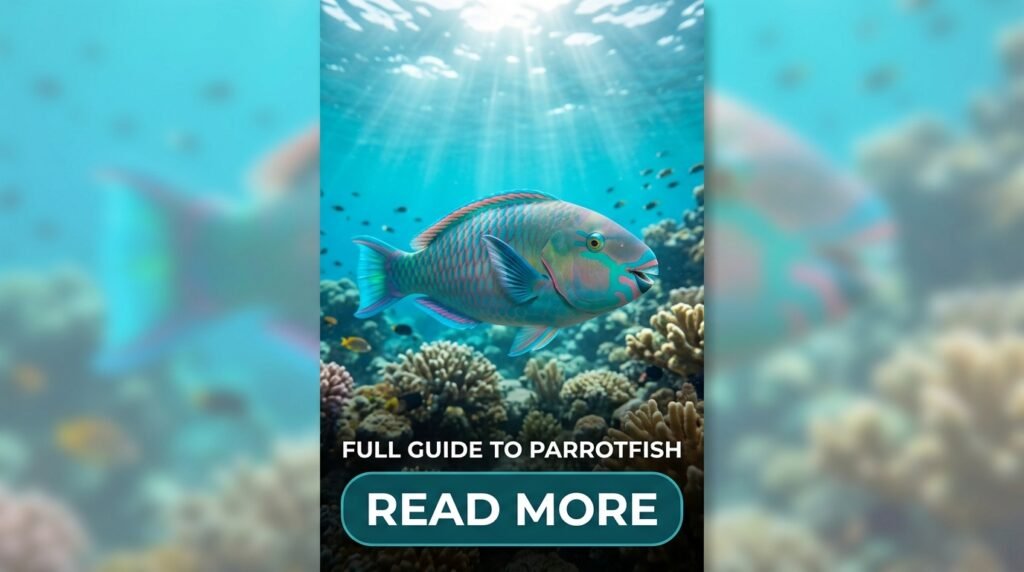
Parrot fish play a vital role in maintaining healthy reef ecosystems.
Algae Control
They consume algae that would otherwise overgrow coral reefs.
Sand Production
Many species grind coral while feeding and later excrete fine sand.
A single parrotfish can produce a significant amount of sand each year, contributing to tropical beach formation.
Reef Health
By controlling algae growth, parrotfish help corals compete more effectively for space and sunlight.
Blood Parrot Fish in Aquariums
Blood Parrot Cichlid is one of the most recognizable freshwater aquarium fish.
Characteristics
- Rounded body shape
- Bright orange coloration
- Curious personality
- Long lifespan
- Interactive behavior
These fish are popular because they often recognize their owners and actively explore their surroundings.
Appearance of Parrot Fish
Marine Parrotfish
Marine species display a wide range of colors.


8
Common colors include:
- Blue
- Green
- Yellow
- Pink
- Purple
- Orange
Many species change color as they mature.
Blood Parrot Fish
Freshwater blood parrots are typically:
- Bright orange
- Red-orange
- Yellow
- White
- Mixed-color varieties
Their vibrant appearance makes them attractive centerpiece fish.
Size of Parrot Fish
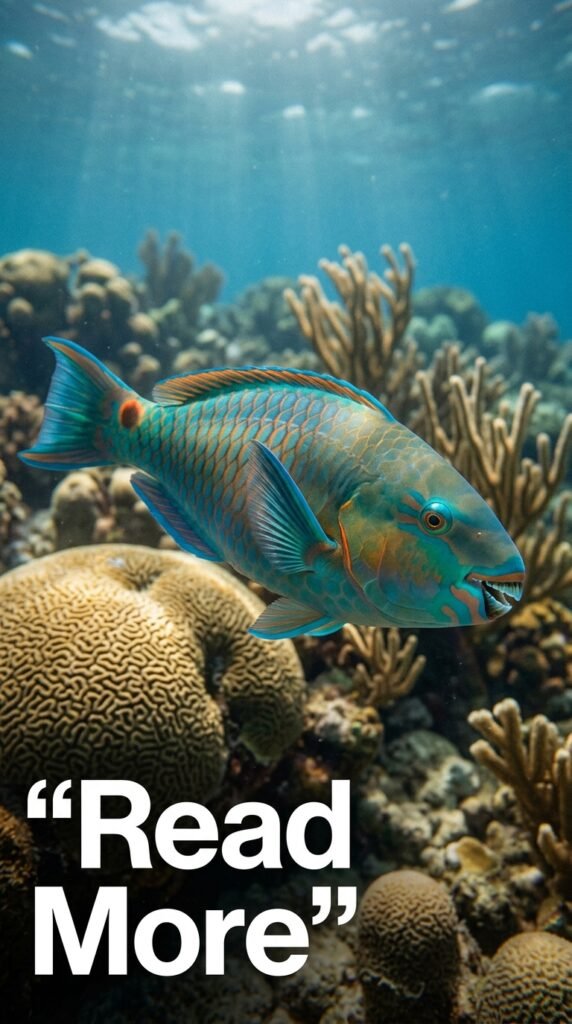
Marine Parrotfish
Depending on species, adult lengths may range from:
- 12 inches (30 cm)
- Up to 48 inches (120 cm)
Blood Parrot Fish
Most blood parrots reach:
- 7–10 inches (18–25 cm)
Proper tank size is important for healthy growth.
Aquarium Setup for Blood Parrot Fish
Tank Size
A minimum aquarium size of 55 gallons is often recommended for a single adult fish.
Larger tanks provide better stability and swimming space.
Filtration
Parrot fish produce a moderate amount of waste.
A powerful filtration system helps maintain water quality.
Water Temperature
Recommended temperature:
- 76°F–82°F (24°C–28°C)
pH Range
Ideal pH:
- 6.5–7.8
Stable water conditions are more important than chasing exact numbers.
Decorating a Parrot Fish Tank
Parrot fish enjoy exploring their environment.
Good decorations include:
- Driftwood
- Smooth rocks
- Caves
- Large ornaments
- Open swimming areas
Avoid sharp objects that could damage fins or scales.
Feeding Parrot Fish
Parrot fish are generally omnivorous.
Recommended Foods
- Quality cichlid pellets
- Floating pellets
- Frozen bloodworms
- Brine shrimp
- Vegetables
- Spirulina-based foods
A varied diet promotes health and vibrant coloration.
Behavior and Personality
One reason parrot fish are so popular is their engaging behavior.
Common Traits
- Curious nature
- Recognition of owners
- Interactive feeding behavior
- Territorial tendencies
Many owners report that their parrot fish greet them when approaching the aquarium.
Tank Mates for Blood Parrot Fish
Suitable companions include:
- Larger tetras
- Peaceful cichlids
- Severums
- Rainbowfish
- Larger catfish
Avoid aggressive species that may bully or injure them.
Breeding Parrot Fish
Breeding blood parrots can be challenging because they are hybrids.
Breeding Behavior
- Pair bonding
- Nest preparation
- Egg laying
Many males are infertile, making successful breeding difficult.
Marine parrotfish breeding occurs naturally in ocean environments and is rarely attempted in home aquariums.
Common Health Problems
Swim Bladder Issues
Can occur due to overfeeding or poor diet.
Ich
A common parasite affecting aquarium fish.
Stress
Often caused by:
- Poor water quality
- Incompatible tank mates
- Inadequate tank size
Regular maintenance helps prevent many health issues.
Lifespan of Parrot Fish
With proper care, blood parrot fish may live:
- 10–15 years
- Sometimes longer
Marine parrotfish can also enjoy long lifespans in natural environments.
Interesting Facts About Parrot Fish
They Create Sand
Marine parrotfish help produce tropical beach sand through their feeding activities.
They Sleep in Mucus Cocoons
Some species create protective mucus cocoons while sleeping.
They Change Color
Many marine parrotfish undergo dramatic color changes during different life stages.
They Have Strong Teeth
Their fused teeth form a powerful beak used to scrape algae from hard surfaces.
Why Parrot Fish Are Popular
Parrot fish attract attention because of their unique appearance, vibrant colors, and engaging personalities. Whether in coral reefs or freshwater aquariums, they stand out as some of the most visually striking fish available.
Their active behavior and interaction with owners make them favorites among many fishkeepers.
Conclusion
A parrot fish is a fascinating species that combines beauty, intelligence, and personality. Marine Parrotfish contribute significantly to reef ecosystems, while the freshwater Blood Parrot Cichlid remains one of the most popular aquarium fish in the hobby.
With proper housing, nutrition, and maintenance, parrot fish can thrive for many years and become a colorful centerpiece in any aquatic setup.
Frequently Asked Questions
Are parrot fish freshwater or saltwater fish?
The term can refer to both marine Parrotfish and freshwater Blood Parrot Cichlid.
How big do blood parrot fish get?
Most reach 7–10 inches in length when fully grown.
What do parrot fish eat?
They eat pellets, frozen foods, vegetables, algae, and various protein-rich foods.
Are parrot fish aggressive?
They are generally semi-aggressive but often coexist peacefully with appropriately sized tank mates.
How long do parrot fish live?
With proper care, many blood parrot fish live 10–15 years or more.