
 By admin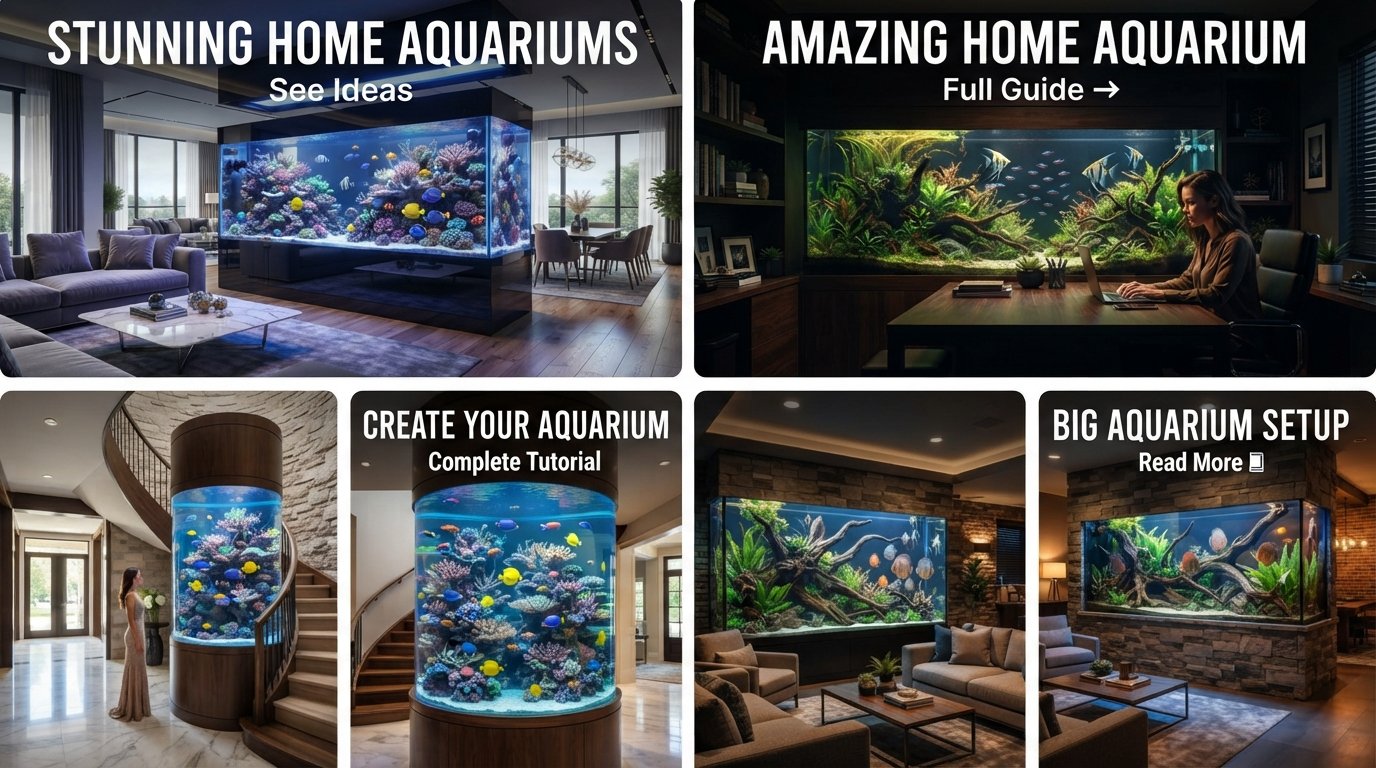
A big aquarium in a house is more than just a fish tank—it’s a stunning architectural feature that transforms an ordinary room into a luxurious living space. Large home aquariums create a relaxing atmosphere, showcase beautiful aquatic life, and become the centerpiece of interior design. Whether you dream of a floor-to-ceiling aquarium, a wall-mounted display, or a custom room divider, careful planning ensures your aquarium is both beautiful and practical.
This guide explores the best ideas, design styles, installation tips, and maintenance advice for adding a large aquarium to your home.
Why Choose a Large Home Aquarium?
A large aquarium offers many advantages over smaller tanks.
Benefits include:
- Creates a breathtaking focal point
- Provides more stable water conditions
- Offers more swimming space for fish
- Allows for creative aquascaping
- Enhances home value and visual appeal
- Creates a calming and relaxing environment
Large aquariums also provide greater flexibility when choosing fish, plants, and decorations.
Best Places for a Big Aquarium
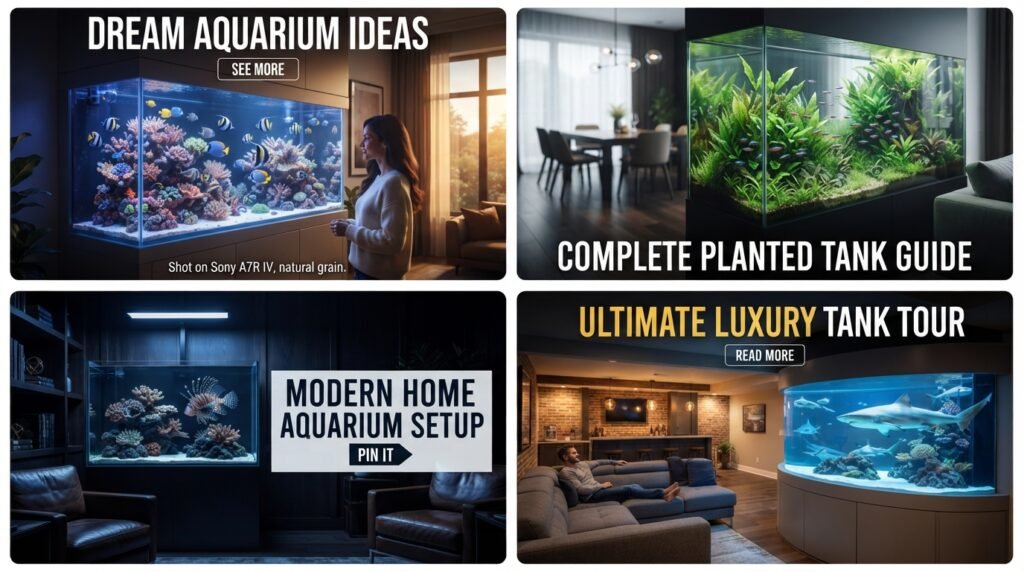
Living Room
A large aquarium in the living room becomes the centerpiece of the space.
Popular locations include:
- Behind the sofa
- Along a feature wall
- Beside a fireplace
- Between large windows
Dining Room
A built-in aquarium adds elegance and creates an impressive dining atmosphere.
Home Office
A spacious aquarium provides a peaceful background while working.
Entryway
Welcome guests with a dramatic aquarium positioned near the entrance.
Basement Entertainment Room
Large aquariums pair well with home theaters, game rooms, and entertainment areas.
Popular Big Aquarium Designs
Wall Aquarium
A built-in wall aquarium creates a sleek, modern appearance while saving floor space.
Advantages:
- Clean design
- Hidden equipment
- Excellent viewing angle
- Seamless integration with the home
Room Divider Aquarium
Use a double-sided aquarium to separate open-plan spaces.
Ideal for dividing:
- Living and dining rooms
- Kitchen and family room
- Office and lounge
Floor-to-Ceiling Aquarium
A full-height aquarium delivers a dramatic visual impact and works well in luxury homes.
Corner Aquarium
A large corner aquarium maximizes unused space while providing panoramic views.
Custom Cabinet Aquarium
Designed to match your home’s furniture and interior décor, these aquariums hide equipment while maintaining a polished look.
Freshwater or Saltwater?
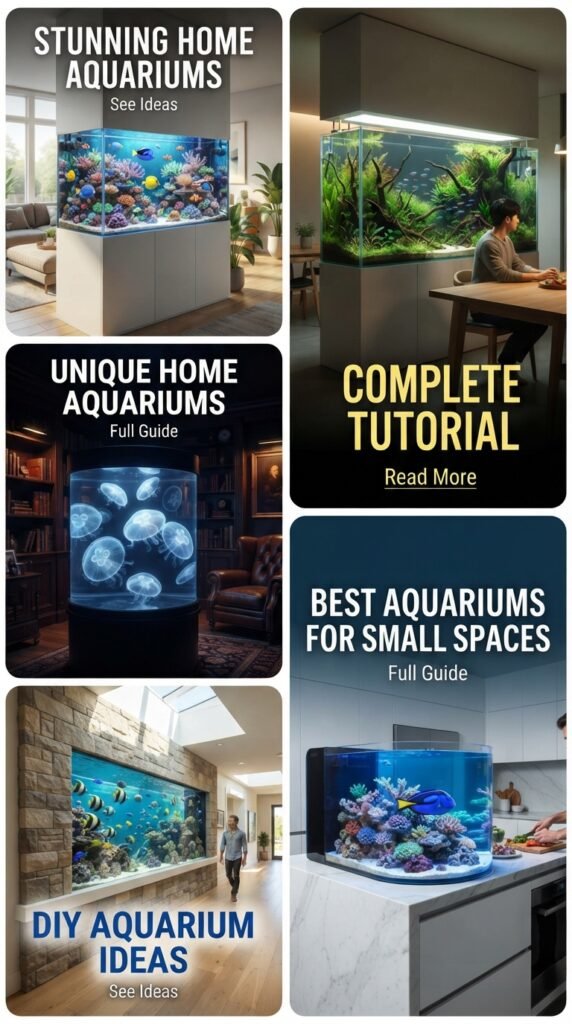
Freshwater Aquarium
Advantages:
- Easier maintenance
- Lower equipment costs
- Wide variety of fish and plants
- Great for beginners
Popular fish include:
- Angelfish
- Discus
- Rainbowfish
- Gouramis
- Corydoras
- Tetras
Saltwater Aquarium
Advantages:
- Vibrant marine fish
- Beautiful coral displays
- Unique marine invertebrates
- Spectacular reef ecosystems
Saltwater systems require more specialized equipment and maintenance.
Best Fish for Large Aquariums
For freshwater tanks, consider:
- Discus
- Angelfish
- Rainbowfish
- Congo Tetras
- Geophagus
- Severums
- Bristlenose Plecos
For saltwater tanks, suitable choices may include:
- Clownfish
- Blue Tangs
- Foxface Rabbitfish
- Cardinalfish
- Gobies
- Blennies
Always research compatibility and adult size before adding fish.
Aquascaping Ideas
Nature Aquarium
Use driftwood, stones, and lush aquatic plants to recreate a natural river or forest scene.
Rocky Aquascape
Arrange large stones to resemble mountains or underwater cliffs.
Jungle Aquarium
Fill the tank with dense vegetation for a tropical rainforest appearance.
Minimalist Design
Combine a few carefully selected rocks and plants with open swimming space for a clean, modern look.
Best Plants for Large Aquariums
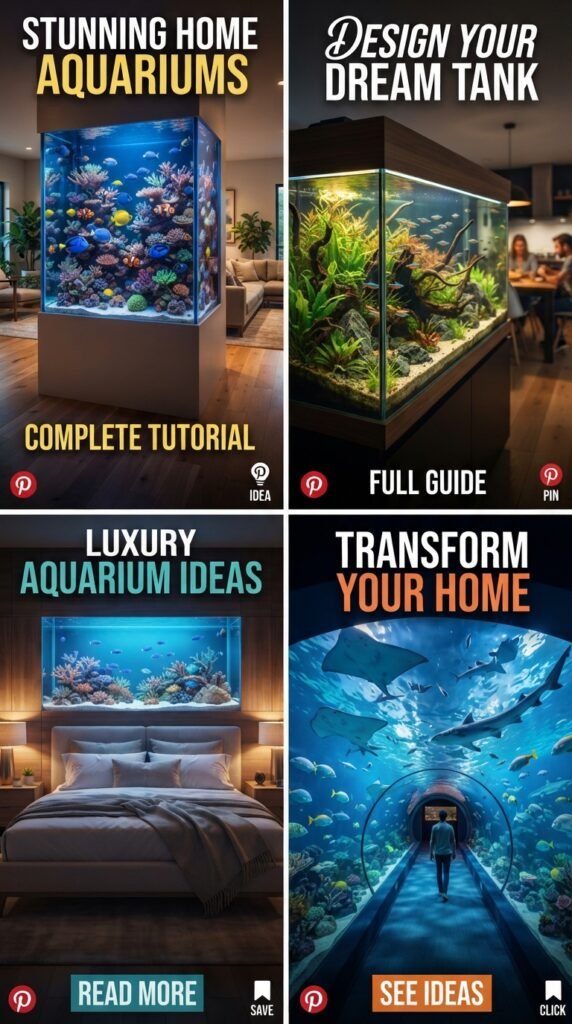
Popular aquatic plants include:
- Amazon Sword
- Vallisneria
- Anubias
- Java Fern
- Bucephalandra
- Cryptocoryne
- Water Wisteria
Choose plants based on your lighting, substrate, and maintenance preferences.
Lighting Ideas
Lighting significantly influences both plant growth and the aquarium’s appearance.
Options include:
- Full-spectrum LED lighting
- Adjustable brightness
- Smart lighting systems
- Day and night lighting cycles
- Moonlight mode
Timers help maintain a consistent schedule.
Filtration and Equipment
A large aquarium requires reliable equipment.
Essential components include:
- High-capacity filtration system
- Heater (for tropical species)
- Water circulation pumps
- Thermometer
- LED lighting
- Water testing kits
Hide equipment within cabinetry whenever possible for a cleaner appearance.
Installation Considerations
Before installing a large aquarium, consider:
- Floor strength and structural support
- Electrical access
- Plumbing options for maintenance
- Ventilation
- Space around the aquarium for servicing
Very large aquariums may require consultation with a structural engineer.
Maintenance Tips
Perform Regular Water Changes
Routine partial water changes help maintain water quality.
Clean the Glass
Remove algae regularly to preserve clear viewing.
Service the Filter
Clean filter media according to the manufacturer’s recommendations without disrupting beneficial bacteria.
Monitor Water Parameters
Check temperature, pH, ammonia, nitrite, and nitrate regularly.
Trim Plants
Prune overgrown plants to maintain a balanced aquascape.
Common Mistakes to Avoid
Choosing an Aquarium That Is Too Large for the Room
Ensure there is enough space for both the aquarium and comfortable movement around it.
Overstocking Fish
Avoid adding too many fish, even in large aquariums.
Ignoring Maintenance Access
Leave enough space behind or above the aquarium for cleaning and equipment servicing.
Poor Lighting
Select lighting that suits both the aquarium’s inhabitants and the room’s design.
Inadequate Structural Support
Large aquariums are extremely heavy, so proper support is essential.
Interior Design Styles
Modern Minimalist
- Rimless aquarium
- White cabinetry
- Clean lines
- Simple aquascape
Luxury Contemporary
- Floor-to-ceiling aquarium
- Hidden equipment
- Premium finishes
- Smart lighting
Natural Style
- Wood furniture
- Live plants
- Stone hardscape
- Earth-tone colors
Coastal Theme
- Light-colored décor
- Marine-inspired accents
- Bright, open spaces
Benefits of a Big Aquarium in a House
A large home aquarium offers many long-term advantages:
- Creates a luxurious atmosphere
- Provides a relaxing visual centerpiece
- Offers endless aquascaping possibilities
- Supports a wide variety of aquatic life
- Enhances interior design
- Becomes a memorable feature for family and guests
With thoughtful planning and regular maintenance, a large aquarium can remain a beautiful focal point for many years.
Conclusion
A big aquarium in a house combines the beauty of nature with modern interior design, creating a living work of art that enhances any space. Whether you choose a built-in wall aquarium, a dramatic room divider, or a large planted freshwater display, careful planning is the key to long-term success.
By selecting the right location, quality equipment, compatible fish, and attractive aquascaping, you can create an impressive aquarium that transforms your home into a peaceful and elegant retreat.
Frequently Asked Questions
What size is considered a big home aquarium?
Many aquarists consider aquariums of 75 gallons (about 280 liters) or larger to be large home aquariums, though custom installations can hold several hundred gallons.
Is a large aquarium easier to maintain?
Large aquariums often have more stable water conditions than small tanks, but they also require larger equipment and more time for routine maintenance.
Where is the best place to install a large aquarium?
Living rooms, dining rooms, home offices, and entryways are popular locations, provided the floor can safely support the aquarium.
Should I choose freshwater or saltwater?
Freshwater aquariums are generally easier and less expensive to maintain, while saltwater aquariums offer colorful marine fish and coral but require more specialized care.
Can a large aquarium increase home value?
A professionally designed built-in aquarium can enhance a home’s visual appeal, although its effect on resale value depends on buyer preferences and the quality of the installation.
How often should a large aquarium be cleaned?
Regular maintenance typically includes weekly or biweekly partial water changes, routine glass cleaning, filter servicing as needed, and periodic plant trimming to keep the aquarium healthy and attractive.