
 By admin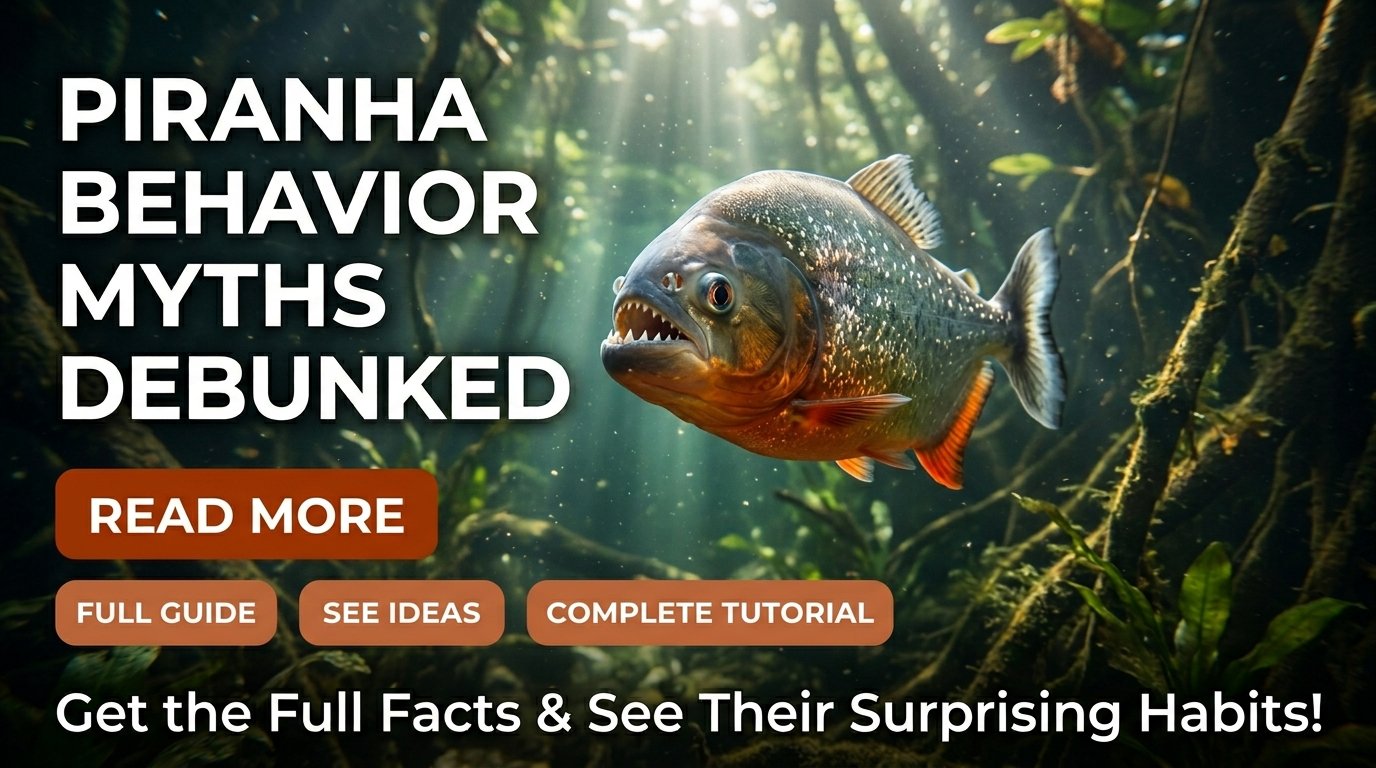
The piranha fish is one of the most famous freshwater fish in the world. Known for its sharp teeth and powerful bite, the piranha has earned a reputation as a fierce predator. However, many of the stories surrounding piranhas are exaggerated. In reality, these fascinating fish display a wide range of behaviors and play an important role in their natural ecosystems.
Native to South America, piranhas are popular among fish enthusiasts because of their unique appearance, schooling behavior, and predatory instincts. Understanding their habitat, diet, and care requirements helps reveal the true nature of these remarkable fish.
What Is a Piranha Fish?
Piranhas belong to the family Serrasalmidae, a group of freshwater fish closely related to pacus and silver dollars.
Characteristics of piranhas include:
- Sharp triangular teeth
- Powerful jaws
- Deep-bodied shape
- Strong swimming ability
- Excellent senses
Most piranha species inhabit rivers and floodplains throughout South America.
Physical Appearance
Piranhas are easily recognized by their distinctive features.
Common Characteristics
- Silver, gray, or black body coloration
- Large eyes
- Muscular body
- Sharp interlocking teeth
- Strong lower jaw
Many species develop vibrant colors as they mature.
Size
Depending on the species, piranhas typically grow between:
- 6 to 14 inches (15–35 cm)
Some larger species may exceed these sizes under ideal conditions.
Types of Piranha Fish
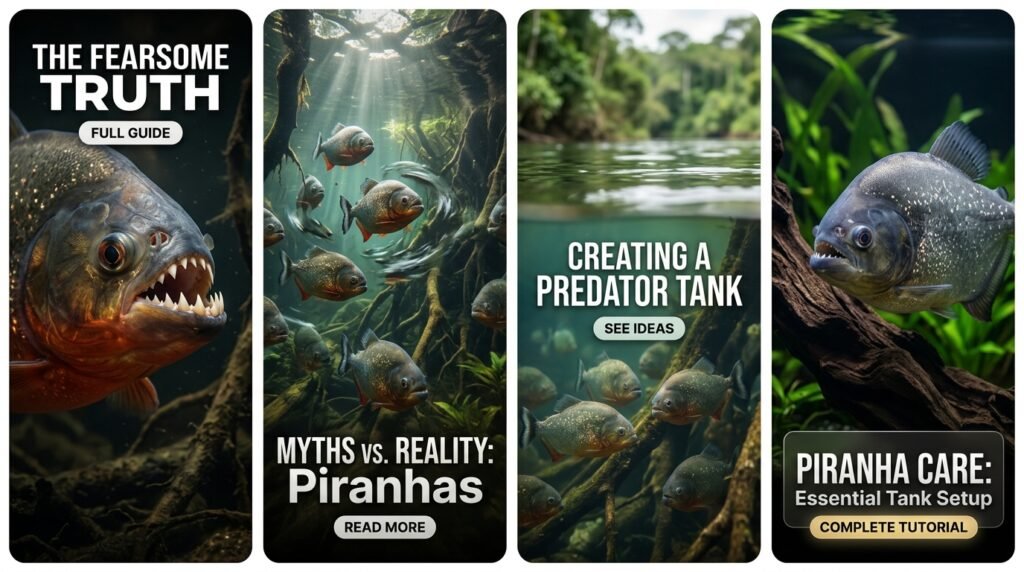
Several species of piranhas exist, each with unique characteristics.
Red-Bellied Piranha
Red-bellied piranha is the most famous and widely recognized species.
Features
- Bright red-orange belly
- Silver body
- Schooling behavior
- Powerful bite
This species is commonly featured in documentaries and aquarium collections.
Black Piranha
Black piranha is known for having one of the strongest bites relative to body size among fish.
Wimple Piranha
Wimple piranha is unique because it primarily feeds on fish scales.
Natural Habitat
Piranhas are native to South America and can be found in:
- Rivers
- Tributaries
- Lakes
- Flooded forests
- Floodplains
Major river systems include:
- Amazon River
- Orinoco River
- Paraguay River
They thrive in warm tropical waters.
Diet of Piranha Fish
Despite their reputation, piranhas are not exclusively carnivorous predators.
Foods Eaten by Piranhas
- Fish
- Insects
- Crustaceans
- Fruits
- Seeds
- Aquatic plants
- Carrion
Many species are opportunistic omnivores rather than pure predators.
Hunting Behavior
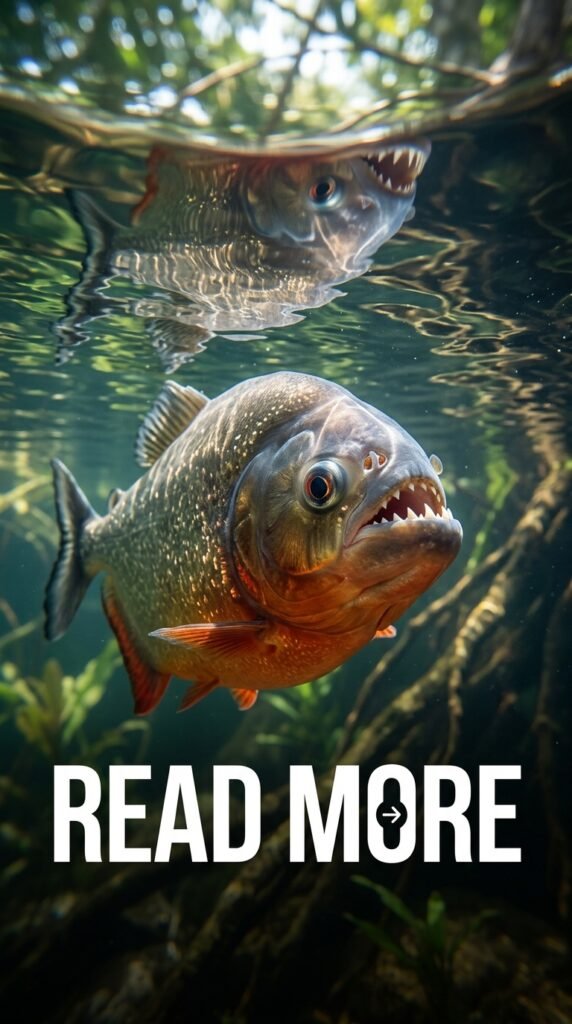
Piranhas often hunt using:
- Speed
- Group coordination
- Sharp teeth
- Strong jaws
They can quickly tear apart food, making them efficient feeders.
Are Piranhas Dangerous to Humans?
The reputation of piranhas is often exaggerated.
Reality
Attacks on humans are relatively rare.
Most piranhas:
- Avoid large animals
- Prefer smaller prey
- Feed opportunistically
Incidents typically occur when fish are stressed, starving, or defending nests.
Piranha Teeth
One of the most remarkable features of piranhas is their teeth.
Characteristics
- Razor-sharp edges
- Triangular shape
- Perfect alignment
- Constant replacement
The teeth function like natural scissors, allowing precise cuts through food.
Schooling Behavior
Many piranha species form schools.
Benefits of Schooling
- Protection from predators
- Improved feeding opportunities
- Reduced individual risk
Interestingly, schooling behavior often serves as a defense mechanism rather than an offensive hunting strategy.
Piranhas in Aquariums
Some piranha species are kept by experienced aquarium hobbyists.
Aquarium Requirements
- Large tank
- Strong filtration
- Stable water conditions
- Appropriate tank mates or species-only setup
Due to their size and behavior, piranhas are not ideal beginner fish.
Tank Size Recommendations
For a small group of piranhas:
- Minimum 75–125 gallons
- Larger tanks preferred
Adequate swimming space is essential.
Water Parameters
Ideal conditions generally include:
- Temperature: 75–82°F (24–28°C)
- Slightly acidic to neutral pH
- Excellent filtration
Maintaining stable water quality promotes fish health.
Feeding Piranhas in Captivity
Captive piranhas can eat:
- Quality pellets
- Fish fillets
- Shrimp
- Frozen foods
- Insects
A varied diet helps maintain proper nutrition.
Breeding Piranhas
During breeding season:
- Males establish territories.
- Females deposit eggs.
- Males guard the nest.
- Fry hatch and grow rapidly.
Parental care helps protect young fish from predators.
Predators of Piranhas
Even piranhas have natural enemies.
Predators include:
- Large fish
- River dolphins
- Caimans
- Birds
Young piranhas are particularly vulnerable.
Ecological Importance
Piranhas contribute to ecosystem balance by:
- Controlling prey populations
- Consuming carrion
- Recycling nutrients
They are an important part of South American freshwater ecosystems.
Myths About Piranhas
Myth: Piranhas Attack Everything
Most piranhas are cautious and avoid unnecessary conflict.
Myth: All Piranhas Are Aggressive
Aggression varies by species, age, and environmental conditions.
Myth: Piranhas Only Eat Meat
Many species consume plant matter and fruits.
Interesting Facts About Piranhas
Powerful Bite
Black piranha possesses one of the strongest bite forces among fish.
Excellent Sense of Smell
Piranhas can locate food efficiently in murky water.
Diverse Diet
Many species consume both plants and animals.
Social Behavior
Schooling often helps reduce the risk of predation.
Why Piranhas Fascinate People
Piranhas combine mystery, power, and unique adaptations. Their sharp teeth, strong jaws, and reputation as predators have made them one of the most recognizable freshwater fish in the world.
For aquarium hobbyists and wildlife enthusiasts, piranhas provide a fascinating glimpse into the diversity of South America’s aquatic ecosystems.
Conclusion
The piranha fish is far more complex than its fearsome reputation suggests. Species such as the Red-bellied piranha are intelligent, adaptable fish that play vital roles in freshwater ecosystems.
While their sharp teeth and powerful jaws command respect, piranhas are not the relentless predators often portrayed in popular culture. With proper understanding and care, they remain among the most fascinating freshwater fish on Earth.
Frequently Asked Questions
Are piranhas dangerous to humans?
Serious attacks are uncommon, and most piranhas avoid large animals whenever possible.
What do piranhas eat?
They eat fish, insects, crustaceans, fruits, seeds, and carrion.
Can piranhas be kept in aquariums?
Yes, but they require large tanks, excellent filtration, and experienced care.
What is the most famous piranha species?
The Red-bellied piranha is the best-known piranha species.
How big do piranhas get?
Most species reach between 6 and 14 inches in length, though some individuals can grow larger under favorable conditions.