
 By admin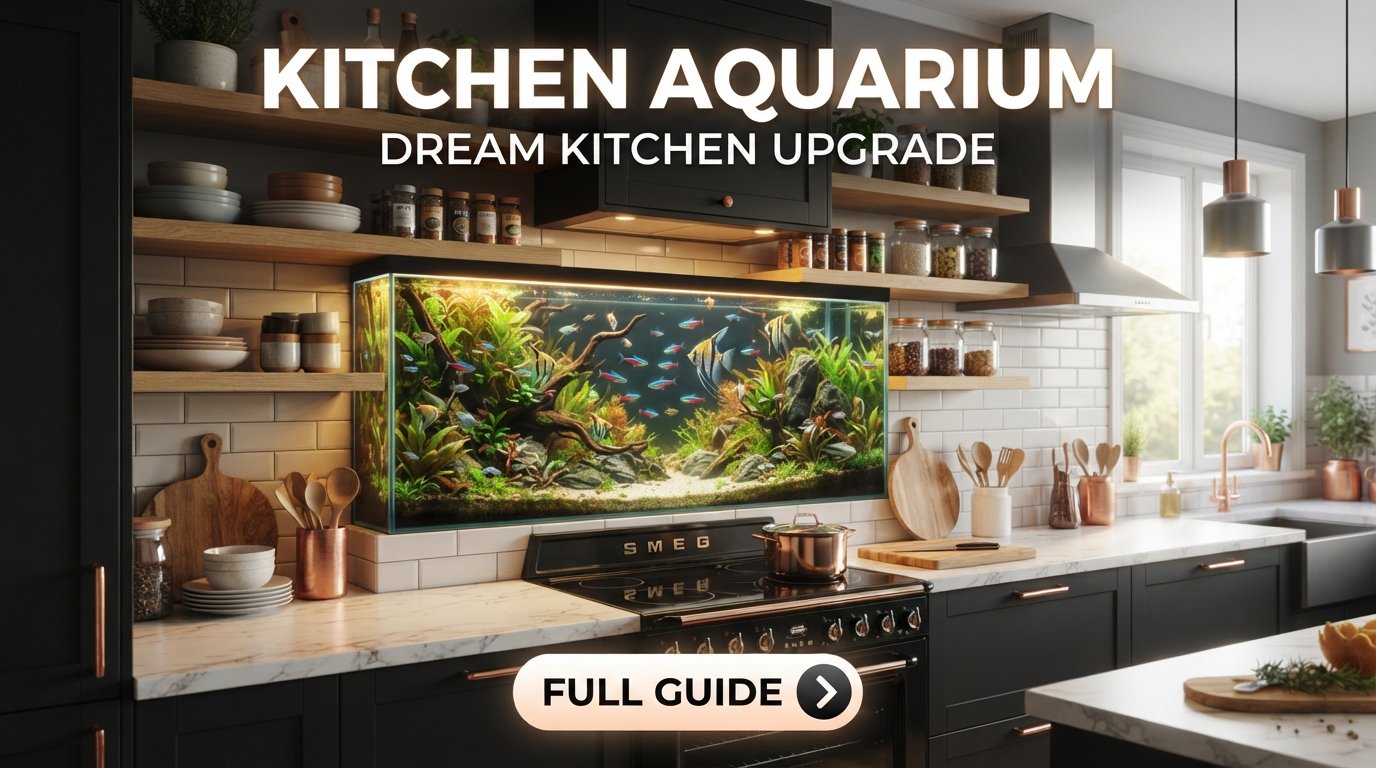
A kitchen aquarium is a unique way to combine interior design with the beauty of aquatic life. Whether installed as a countertop feature, built into a kitchen island, or used as a room divider, an aquarium can transform an ordinary kitchen into a relaxing and visually stunning space. With thoughtful planning and proper maintenance, a kitchen aquarium becomes both a decorative centerpiece and a healthy home for fish and aquatic plants.
This guide covers everything you need to know about choosing, designing, and caring for an aquarium in your kitchen.
Why Choose a Kitchen Aquarium?
Adding an aquarium to your kitchen offers several benefits.
Advantages include:
- Creates a beautiful focal point
- Brings a calming natural element indoors
- Enhances modern and luxury kitchen designs
- Makes meal preparation more enjoyable
- Provides an interesting conversation piece
- Complements open-plan living spaces
- Can increase the visual appeal of your home
A well-maintained aquarium adds colour, movement, and life to the heart of your home.
Best Locations for a Kitchen Aquarium
Selecting the right location is essential for both the fish and the aquarium’s longevity.
Popular placement ideas include:
- Kitchen countertop
- Kitchen island
- Built into a wall
- Room divider between the kitchen and dining area
- Breakfast bar display
- Corner cabinet
- Open shelving designed to support the aquarium’s weight
Choose a location away from direct sunlight, ovens, cooktops, and areas with excessive heat or steam.
Choosing the Right Aquarium Size
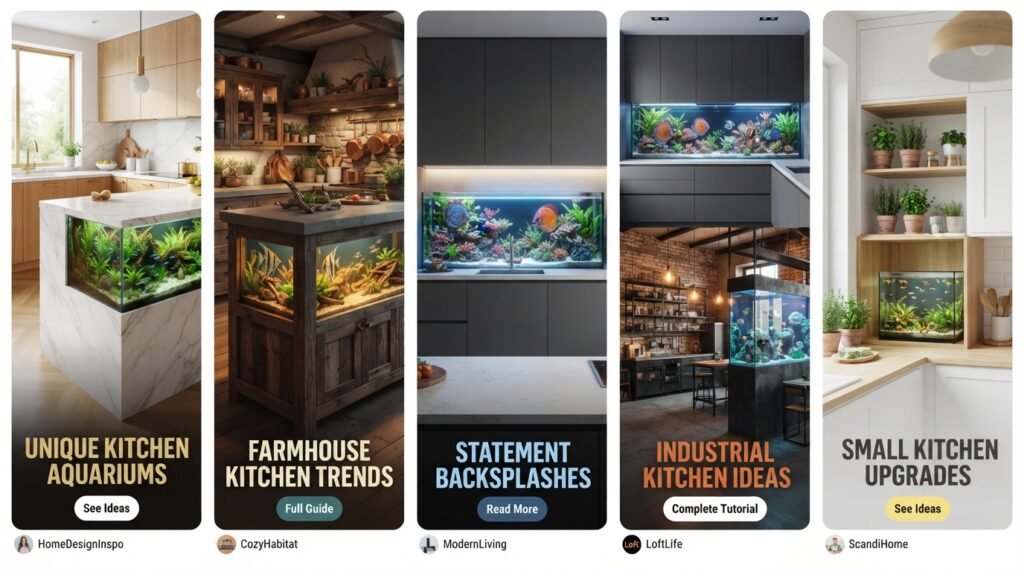
The ideal aquarium size depends on your available space and the species you want to keep.
Common options include:
- 10–20 gallons for compact kitchens
- 30–40 gallons for decorative displays
- 55–75 gallons for family homes
- 100 gallons or more for custom kitchen installations
Larger aquariums generally provide more stable water conditions and greater flexibility for aquascaping.
Freshwater or Saltwater?
Freshwater Aquarium
Freshwater aquariums are easier to maintain and are ideal for most kitchens.
Popular fish include:
- Guppies
- Neon Tetras
- Harlequin Rasboras
- Corydoras Catfish
- Honey Gouramis
- Cherry Shrimp
Saltwater Aquarium
Marine aquariums offer vibrant colours and fascinating reef life but require more specialised equipment and care.
Popular inhabitants include:
- Clownfish
- Gobies
- Blennies
- Cleaner Shrimp
- Soft Corals
Essential Equipment
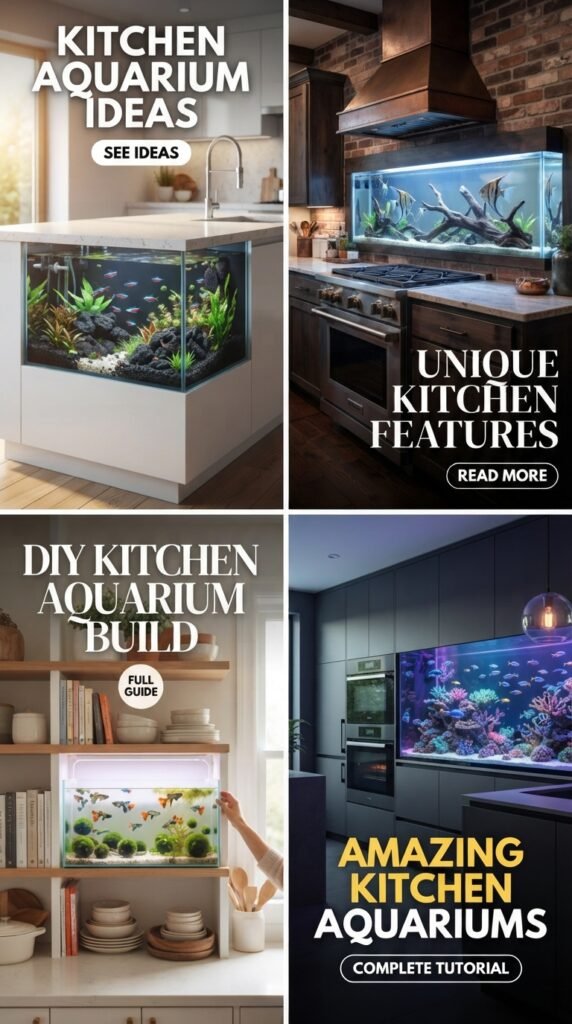
Every kitchen aquarium should include:
- Quality filtration system
- Aquarium heater (if required by the species)
- LED lighting
- Thermometer
- Water testing kit
- Aquarium lid
- Timer for lighting
Choose quiet equipment to maintain a peaceful kitchen environment.
Aquascaping Ideas
Nature Style
Arrange driftwood, stones, and lush aquatic plants to create a natural river landscape.
Minimalist Design
Use a few carefully selected rocks and plants for a clean, modern appearance.
Modern Black Theme
Combine dark substrate with green plants and colourful fish for a striking contrast.
Sandscape Aquarium
Create an open layout with fine sand, scattered stones, and a small number of carefully placed plants.
Best Plants for a Kitchen Aquarium
Live plants improve water quality while adding natural beauty.
Excellent choices include:
- Java Fern
- Anubias
- Amazon Sword
- Cryptocoryne
- Vallisneria
- Java Moss
- Bucephalandra
These hardy plants are suitable for a wide range of freshwater aquariums.
Best Fish for a Kitchen Aquarium
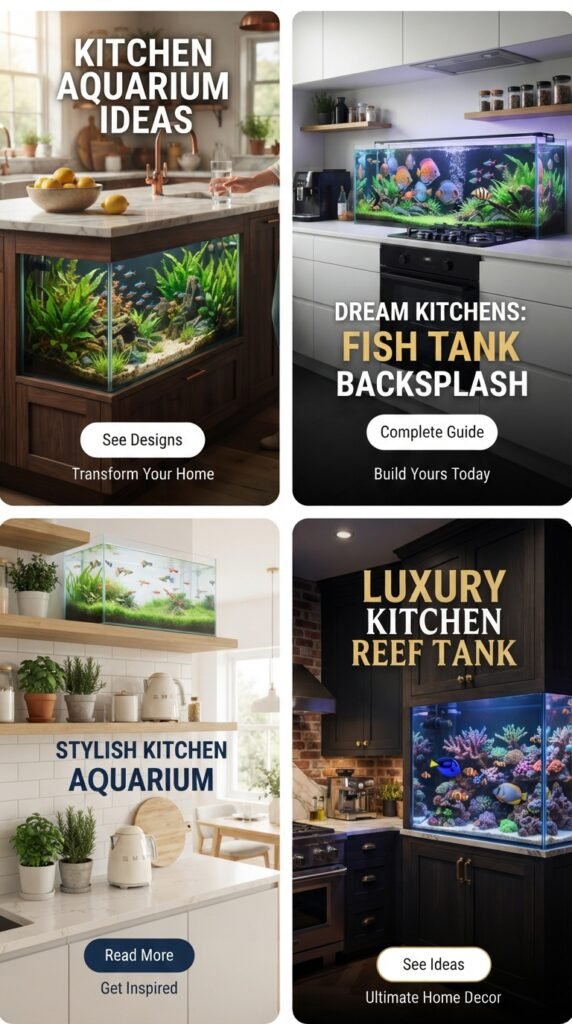
Peaceful community fish are often the best choice.
Popular options include:
- Neon Tetras
- Ember Tetras
- Guppies
- Platies
- Corydoras
- Otocinclus
- Honey Gouramis
Avoid aggressive species if you want a calm and relaxing display.
Lighting
LED lighting is the preferred choice because it is energy-efficient and enhances the colours of fish and plants.
Recommended lighting:
- Full-spectrum LEDs for planted tanks
- Adjustable brightness
- Automatic timer
- 6–8 hours of lighting per day for planted aquariums
Avoid placing the aquarium where it receives prolonged direct sunlight.
Water Parameters
Maintain stable water conditions for healthy fish.
| Parameter | Recommended Range |
|---|---|
| Temperature | 75–80°F (24–27°C) |
| pH | 6.5–7.8 |
| Ammonia | 0 ppm |
| Nitrite | 0 ppm |
| Nitrate | Below 20–40 ppm |
Test the water regularly to ensure a stable environment.
Maintenance Tips
Perform Weekly Water Changes
Replace 20–30% of the water every week to maintain excellent water quality.
Clean the Glass
Use an aquarium-safe magnetic cleaner to remove algae from the viewing panels.
Trim Live Plants
Prune overgrown plants to preserve the intended layout and improve water circulation.
Service the Filter
Clean filter media using removed aquarium water to protect beneficial bacteria.
Inspect Equipment
Check heaters, filters, and lighting regularly to ensure they are operating correctly.
Safety Considerations
A kitchen aquarium requires a little extra planning.
Keep the aquarium:
- Away from direct heat sources
- Away from grease and cooking fumes
- On a strong, level surface
- Close enough to electrical outlets without creating trip hazards
- Protected from accidental impacts in busy walkways
Ensure all electrical equipment uses drip loops to reduce the risk of water reaching power outlets.
Common Mistakes to Avoid
Placing the Aquarium Near the Stove
Heat and grease can affect both the aquarium and water quality.
Overcrowding
Too many fish create unnecessary waste and increase maintenance.
Overfeeding
Excess food can quickly pollute the water.
Ignoring Water Quality
Regular testing helps prevent health problems before they develop.
Choosing an Undersized Aquarium
Very small aquariums are less stable and often require more frequent maintenance.
Kitchen Aquarium Design Ideas
Kitchen Island Aquarium
Build an aquarium into the side of a kitchen island for a luxurious centrepiece.
Breakfast Bar Display
Install a long aquarium beneath a breakfast counter for a modern look.
Wall Aquarium
A built-in wall aquarium creates a seamless connection between the kitchen and dining room.
Open-Plan Divider
Use a large aquarium as a natural partition between living spaces.
Benefits of a Kitchen Aquarium
A kitchen aquarium provides:
- A relaxing atmosphere
- Beautiful interior decoration
- Natural colour and movement
- Endless aquascaping possibilities
- A unique talking point for guests
- An enjoyable daily viewing experience
With proper care, it becomes one of the most attractive features of your home.
Conclusion
A kitchen aquarium combines stylish interior design with the calming beauty of aquatic life. Whether you choose a compact planted aquarium for your countertop or a large custom-built display integrated into your kitchen island, careful planning and regular maintenance will ensure a healthy environment for your fish and an elegant addition to your home.
By selecting the right location, equipment, plants, and fish, you can enjoy a beautiful aquarium that enhances both your kitchen and your everyday life.
Frequently Asked Questions
Is it safe to have an aquarium in the kitchen?
Yes. As long as it is positioned away from heat, steam, and cooking grease, and placed on a sturdy, level surface, a kitchen aquarium can be a safe and attractive addition to your home.
What fish are best for a kitchen aquarium?
Peaceful freshwater species such as guppies, neon tetras, harlequin rasboras, corydoras, and honey gouramis are excellent choices.
Can I put an aquarium on a kitchen countertop?
Yes, provided the countertop is strong enough to support the fully loaded weight of the aquarium and there is adequate space for maintenance.
Should I use live plants?
Live plants help improve water quality, provide shelter for fish, and create a more natural, attractive display.
How often should I clean a kitchen aquarium?
Most aquariums benefit from weekly partial water changes, regular glass cleaning, and routine equipment inspections.
Can a kitchen island include a built-in aquarium?
Yes. Many custom kitchens feature aquariums integrated into islands or cabinets, but the structure should be designed to support the aquarium’s weight and allow easy access for maintenance.