
 By admin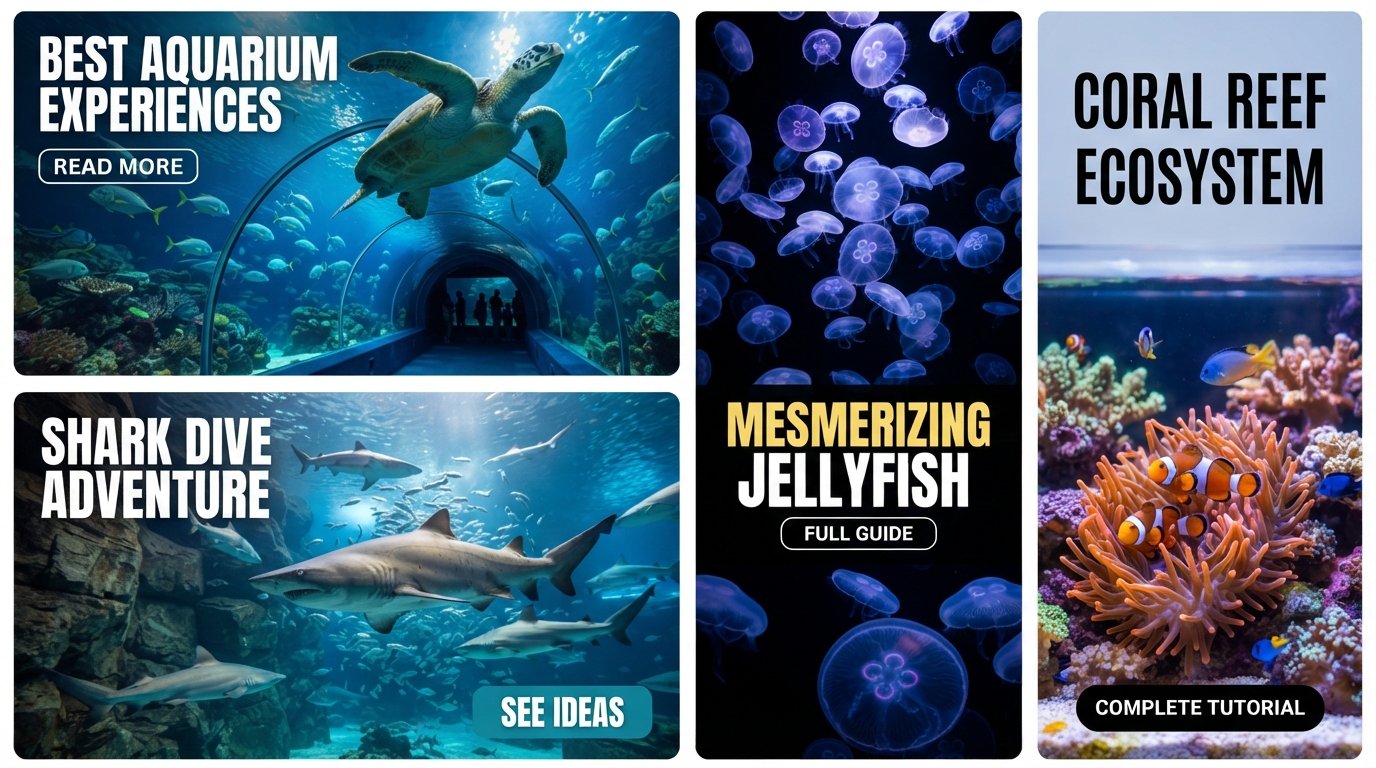
A sea life aquarium brings the beauty of the ocean into your home by showcasing colorful marine fish, vibrant corals, and fascinating invertebrates. From peaceful clownfish gliding through coral reefs to graceful sea anemones swaying with the current, a marine aquarium offers an incredible underwater experience that few freshwater setups can match.
Whether you’re setting up your first saltwater tank or upgrading to a thriving reef aquarium, this guide covers everything you need to know to build and maintain a healthy sea life aquarium.
What Is a Sea Life Aquarium?
A sea life aquarium is a saltwater aquarium designed to recreate a marine environment. Unlike freshwater aquariums, marine tanks contain saltwater and often feature live rock, corals, and a wide variety of ocean species.
Common types include:
- Fish-only marine aquarium
- Fish-only with live rock (FOWLR)
- Reef aquarium
- Nano marine aquarium
- Mixed reef aquarium
Each type offers a unique experience depending on your goals and level of experience.
Benefits of a Sea Life Aquarium
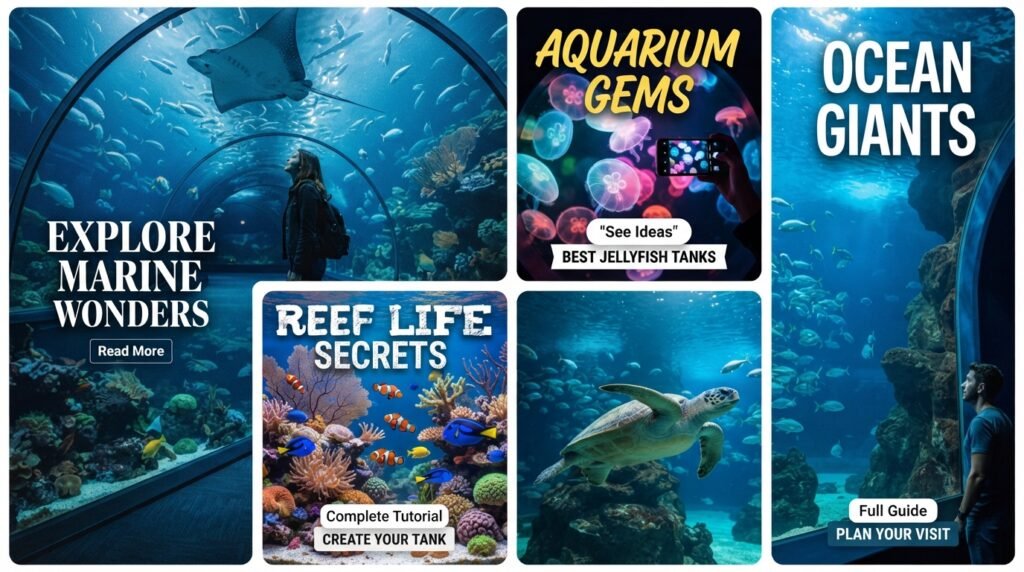
A marine aquarium provides many advantages.
Benefits include:
- Beautiful tropical fish
- Vibrant coral displays
- Endless aquascaping possibilities
- Educational value
- Relaxing atmosphere
- Stunning home décor
- Opportunity to observe unique marine ecosystems
A well-maintained sea life aquarium can become the centrepiece of any room.
Choosing the Right Aquarium Size
Selecting the proper size is important for long-term success.
Popular sizes include:
- 20 gallons for nano marine aquariums
- 40 gallons for beginners
- 75 gallons for community marine tanks
- 120 gallons or larger for reef systems
Larger aquariums are generally more stable, making them easier to maintain than very small marine tanks.
Essential Equipment
A successful sea life aquarium requires reliable equipment.
Basic equipment includes:
- Marine aquarium
- Quality filtration system
- Protein skimmer
- Aquarium heater
- Water circulation pumps
- Marine LED lighting
- Marine salt mix
- Refractometer or salinity tester
- Thermometer
- Water testing kit
High-quality equipment helps maintain stable water conditions.
Live Rock
Live rock is one of the most important components of a marine aquarium.
Benefits include:
- Natural biological filtration
- Habitat for beneficial bacteria
- Shelter for fish
- Attractive natural appearance
- Supports reef ecosystems
Arrange the rock securely to create caves and open swimming areas.
Best Marine Fish
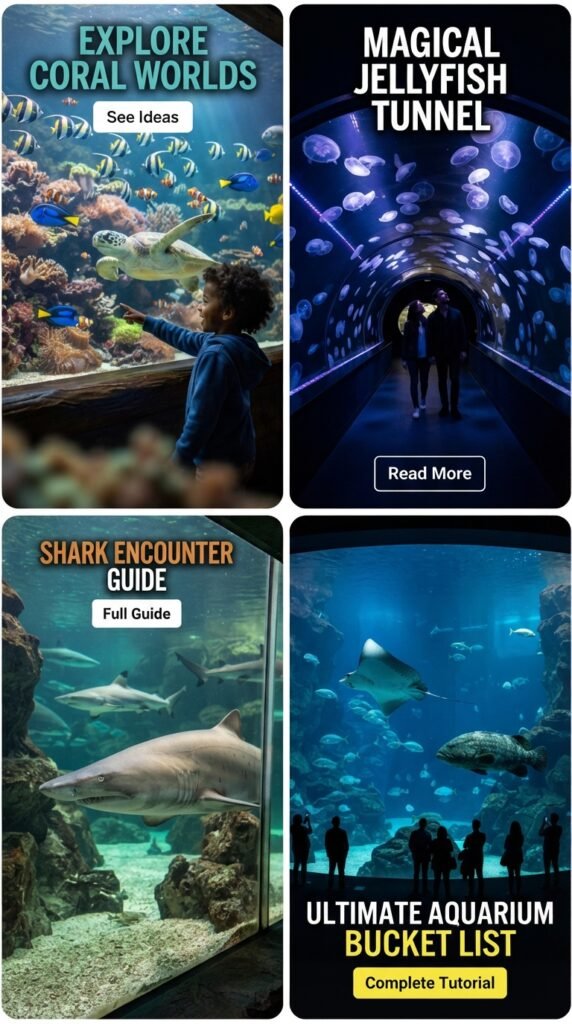
Choose peaceful species that are suitable for your aquarium size.
Popular choices include:
- Clownfish
- Royal Gramma
- Firefish Goby
- Banggai Cardinalfish
- Yellow Watchman Goby
- Tailspot Blenny
- Pajama Cardinalfish
- Chalk Bass
Research each species before adding it to ensure compatibility.
Marine Invertebrates
Many invertebrates make excellent additions to a sea life aquarium.
Popular options include:
- Cleaner Shrimp
- Peppermint Shrimp
- Turbo Snails
- Trochus Snails
- Hermit Crabs
- Feather Dusters
- Sea Stars (for suitably sized, mature aquariums)
Introduce invertebrates gradually after the aquarium has fully cycled.
Corals for Beginners
If you plan to keep a reef aquarium, begin with hardy coral species.
Good beginner options include:
- Mushroom Corals
- Zoanthids
- Green Star Polyps
- Leather Corals
- Kenya Tree Coral
- Pulsing Xenia
These corals are generally more forgiving than many hard coral species.
Aquascaping Ideas
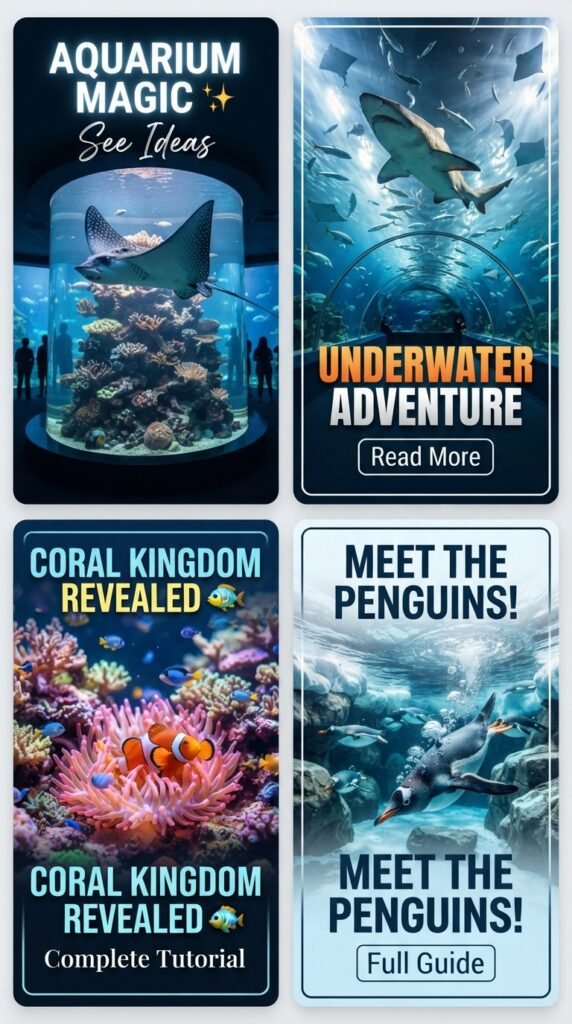
Natural Reef
Arrange live rock to resemble a coral reef with caves and overhangs.
Island Layout
Create separate rock islands surrounded by open sand for a clean, modern look.
Lagoon Style
Use open swimming space with a few carefully placed rock structures.
Mixed Reef
Combine soft corals, live rock, and colourful fish for a vibrant display.
Lighting
Marine lighting is essential for coral health and aquarium appearance.
Recommended features include:
- Full-spectrum marine LED lights
- Blue spectrum for coral fluorescence
- Adjustable intensity
- Automatic lighting timer
- Sunrise and sunset simulation (optional)
Lighting requirements depend on the corals and other marine life you keep.
Water Parameters
Maintaining stable water conditions is essential.
| Parameter | Recommended Range |
|---|---|
| Temperature | 76–78°F (24–26°C) |
| Salinity | 1.023–1.026 Specific Gravity |
| pH | 8.1–8.4 |
| Ammonia | 0 ppm |
| Nitrite | 0 ppm |
| Nitrate | Below 20 ppm for fish-only tanks and much lower for reef aquariums |
Regular testing helps maintain a healthy marine environment.
Feeding Marine Life
Offer a varied diet to support healthy fish and invertebrates.
Suitable foods include:
- Marine pellets
- Marine flakes
- Frozen mysis shrimp
- Brine shrimp
- Krill
- Seaweed sheets for herbivorous fish
- Coral foods where appropriate
Feed small portions once or twice daily to avoid overfeeding.
Maintenance Tips
Perform Regular Water Changes
Replace 10–20% of the water every one to two weeks using properly mixed saltwater.
Clean the Glass
Use an aquarium-safe algae scraper or magnetic cleaner.
Test Water Frequently
Monitor salinity, pH, ammonia, nitrite, nitrate, and temperature.
Service Equipment
Clean pumps, filters, and the protein skimmer regularly for optimal performance.
Observe Livestock
Watch for changes in behaviour, appetite, or appearance that could indicate health issues.
Common Mistakes to Avoid
Adding Fish Too Quickly
Introduce new livestock gradually so the biological filter can adjust.
Skipping the Nitrogen Cycle
Never add marine animals before the aquarium has fully cycled.
Overfeeding
Excess food can quickly reduce water quality.
Mixing Incompatible Species
Research compatibility before purchasing fish or invertebrates.
Ignoring Water Parameters
Stable salinity and water chemistry are critical for marine life.
Interior Design Ideas
Living Room Display
A large reef aquarium becomes an impressive focal point.
Home Office
A compact marine aquarium adds colour and movement to your workspace.
Dining Room Feature
Install a custom-built aquarium for an elegant conversation piece.
Reception Area
Marine aquariums create a welcoming and relaxing atmosphere for visitors.
Benefits of a Sea Life Aquarium
A sea life aquarium offers:
- Incredible marine biodiversity
- Colourful tropical fish
- Beautiful coral growth
- Relaxing visual appeal
- Endless aquascaping opportunities
- Educational value for the whole family
With proper care, it becomes a living ecosystem that can be enjoyed for many years.
Conclusion
A sea life aquarium allows you to recreate the beauty of the ocean in your own home. By selecting quality equipment, maintaining stable water conditions, choosing compatible marine species, and following a regular maintenance routine, you can build a thriving saltwater aquarium filled with healthy fish, corals, and other fascinating marine life.
Whether you prefer a simple fish-only setup or a vibrant reef aquarium, careful planning and consistent care are the keys to long-term success.
Frequently Asked Questions
What is a sea life aquarium?
A sea life aquarium is a saltwater aquarium that houses marine fish, invertebrates, corals, and other ocean-dwelling organisms.
Is a marine aquarium harder to maintain than a freshwater aquarium?
Generally, yes. Marine aquariums require careful management of salinity, water chemistry, and specialised equipment, although many beginners successfully maintain fish-only marine tanks.
What fish are best for beginners?
Clownfish, royal grammas, firefish gobies, banggai cardinalfish, and tailspot blennies are among the most beginner-friendly marine fish.
Do I need live rock?
Live rock is highly recommended because it provides natural biological filtration, habitat for beneficial bacteria, and an attractive aquascape.
How often should I change the water?
Most marine aquariums benefit from changing 10–20% of the water every one to two weeks using properly prepared saltwater.
Can I keep corals with marine fish?
Yes. Many reef-safe fish live successfully alongside corals, provided the aquarium has suitable lighting, stable water parameters, and compatible species.