
 By admin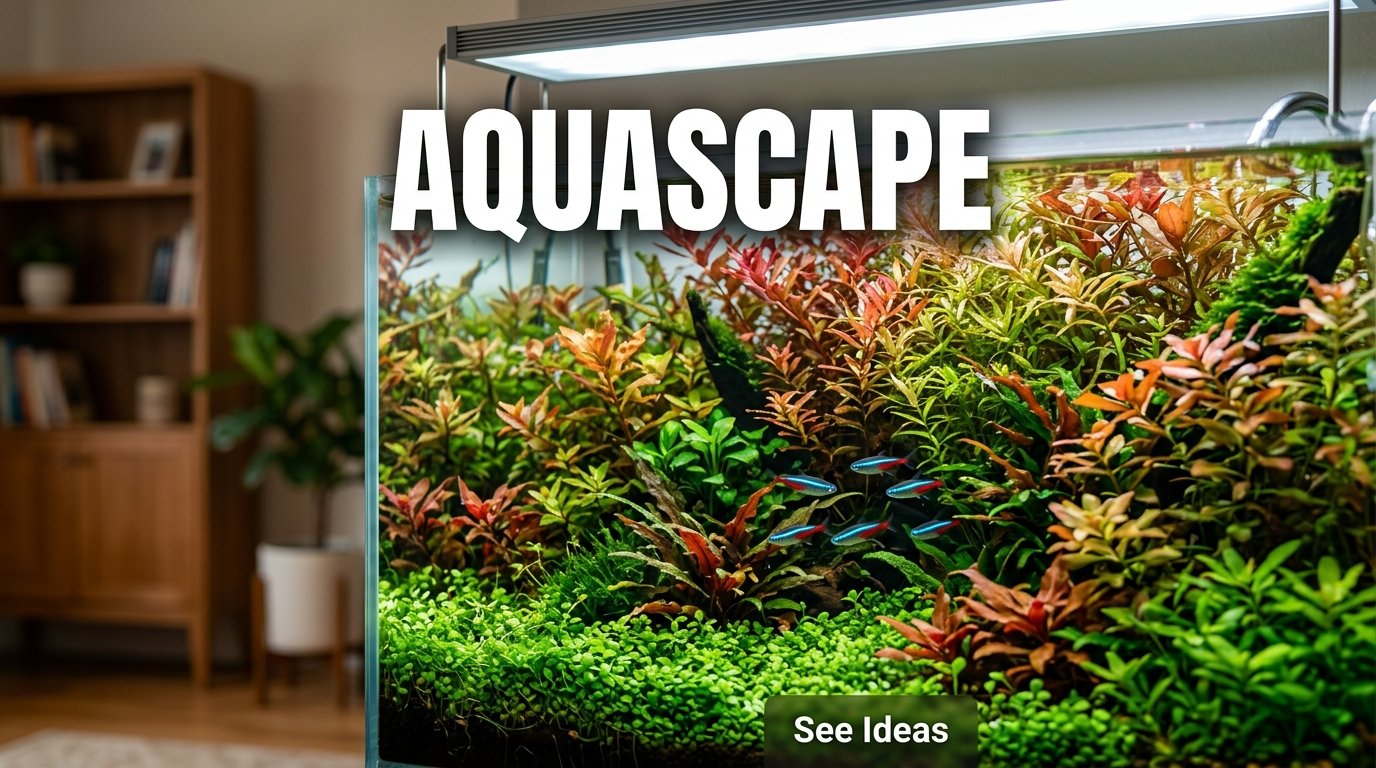
An aquarium scape, commonly known as an aquascape, is the art of designing and arranging aquatic plants, rocks, driftwood, substrate, and other decorative elements to create a beautiful underwater landscape. Aquascaping combines creativity, nature, and aquarium keeping to transform an ordinary fish tank into a living work of art.
Whether you are a beginner setting up your first planted tank or an experienced aquarist looking to create a competition-level aquascape, understanding the fundamentals of aquarium scaping can help you build a breathtaking underwater environment.
What Is Aquarium Scaping?
Aquarium scaping is the process of designing an aquarium to resemble natural landscapes, forests, mountains, rivers, or artistic scenes. The goal is to create a visually balanced ecosystem that is attractive to both viewers and aquatic life.
An aquarium scape typically includes:
- Aquatic plants
- Rocks
- Driftwood
- Substrate
- Fish and invertebrates
- Lighting
- Filtration systems
The combination of these elements creates a harmonious underwater world.
Why Aquarium Scaping Is Popular
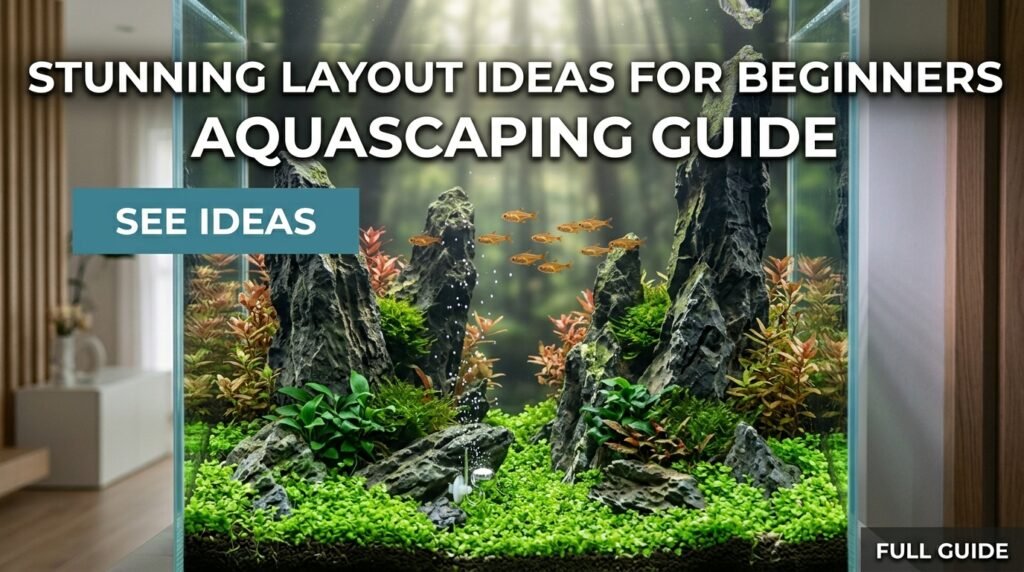
Aquascaping has become one of the fastest-growing areas of the aquarium hobby.
Benefits of Aquarium Scaping
- Creates stunning visual displays
- Encourages creativity
- Supports healthy aquatic ecosystems
- Provides a relaxing hobby
- Enhances interior spaces
- Promotes natural fish behavior
Many aquascapers view their aquariums as living works of art.
Essential Components of an Aquarium Scape
Substrate
The substrate forms the foundation of the aquascape.
Popular choices include:
- Aquasoil
- Sand
- Gravel
- Nutrient-rich planting substrates
A good substrate supports healthy plant growth and creates visual depth.
Hardscape
Hardscape refers to non-living decorative elements.
Common hardscape materials include:
- Driftwood
- Dragon stone
- Lava rock
- Seiryu stone
- River stones
Hardscape often serves as the main focal point of the aquarium.
Aquatic Plants
Plants bring life and movement to an aquarium scape.
Popular species include:
- Anubias
- Java fern
- Monte Carlo
- Rotala rotundifolia
- Java moss
The selection of plants determines the overall appearance of the aquascape.
Popular Aquarium Scape Styles
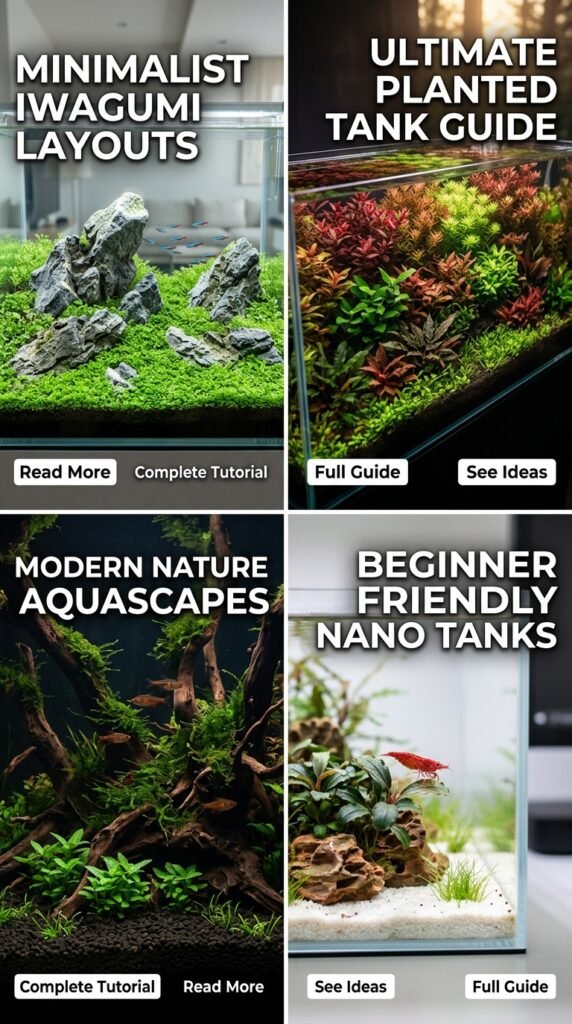
Nature Aquarium
Inspired by natural landscapes.
Features:
- Driftwood
- Rocks
- Lush plants
- Natural composition
This style was popularized by Takashi Amano.
Iwagumi
A minimalist Japanese aquascaping style.
Characteristics:
- Few rocks
- Simple layouts
- Carpet plants
- Open space
Iwagumi emphasizes balance and simplicity.
Dutch Aquarium
Focuses primarily on aquatic plants.
Features:
- Dense plant growth
- Multiple plant species
- Vibrant colors
- Minimal hardscape
Jungle Style
Creates a wild, overgrown appearance.
Characteristics:
- Heavy planting
- Natural growth patterns
- Rich biodiversity
Biotope Aquarium
Replicates a specific natural habitat.
Examples include:
- Amazon River environments
- Asian streams
- African lakes
Aquarium Scape Layout Principles
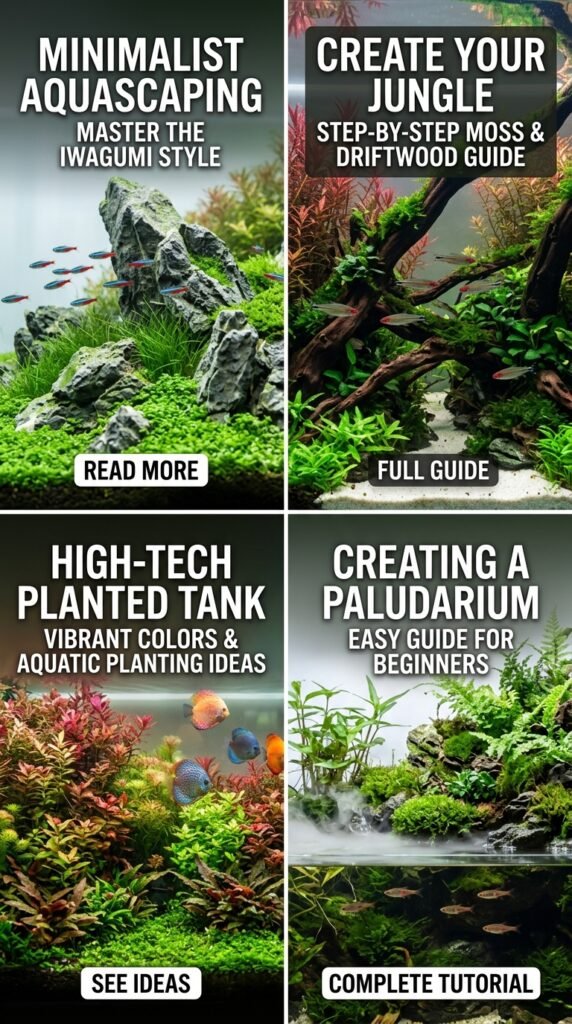
Rule of Thirds
Place focal points away from the center to create visual interest.
Depth and Perspective
Create depth by:
- Using smaller plants in the background
- Raising substrate toward the rear
- Placing larger objects in the foreground
Balance
Avoid placing all decorations on one side.
Focal Point
Every aquascape should have a primary visual attraction.
Choosing the Right Aquarium
Nano Aquariums
Ideal for compact aquascapes.
Advantages:
- Affordable
- Space-efficient
- Great for beginners
Medium Aquariums
Offer more flexibility for creative layouts.
Large Aquariums
Provide extensive opportunities for advanced designs.
Aquarium Scape Ideas
Mountain Landscape
Use stones to create mountain peaks and valleys.
Forest Layout
Arrange driftwood to resemble trees and roots.
Riverbank Scene
Combine sand, rocks, and plants to mimic a flowing river.
Island Aquascape
Create a central island surrounded by open space.
Canyon Design
Use tall rocks to form dramatic underwater canyons.
Best Fish for Aquarium Scapes
Fish should complement the overall design.
Popular choices include:
- Neon tetra
- Cardinal tetra
- Harlequin rasbora
- Otocinclus
Schooling fish often enhance the visual impact of aquascapes.
Shrimp in Aquarium Scapes
Shrimp add movement and help control algae.
Popular species include:
- Cherry shrimp
- Amano shrimp
They are particularly useful in planted aquariums.
Lighting for Aquarium Scapes
Lighting significantly affects plant growth and aesthetics.
Benefits of LED lighting:
- Energy efficiency
- Long lifespan
- Adjustable brightness
- Enhanced plant coloration
Proper lighting is essential for a thriving aquascape.
CO₂ Systems
Many planted aquariums benefit from CO₂ supplementation.
Advantages include:
- Faster plant growth
- Better coloration
- Healthier carpets
While not always necessary, CO₂ can greatly improve high-tech aquascapes.
Aquarium Scape Inspiration


8
Studying successful aquascapes can provide valuable inspiration for your own projects.
Common Aquascaping Mistakes
Overcrowding
Too many decorations can make the aquarium appear cluttered.
Poor Plant Selection
Choose plants suited to your lighting and experience level.
Ignoring Maintenance
Regular trimming and cleaning are essential.
Lack of Planning
A rough design plan improves overall results.
Maintaining an Aquarium Scape
Weekly Tasks
- Water changes
- Glass cleaning
- Plant trimming
Monthly Tasks
- Filter maintenance
- Equipment checks
- Substrate cleaning
Consistent maintenance preserves the beauty of the aquascape.
Aquascaping on a Budget
You do not need expensive equipment to create a beautiful aquarium scape.
Money-saving tips:
- Use local rocks when safe
- Start with easy plants
- Build gradually
- Buy second-hand equipment
Creativity often matters more than budget.
Why Aquarium Scaping Is So Rewarding
Aquarium scaping combines art, nature, and animal care into a single hobby. Watching a carefully planned underwater landscape grow and mature over time is both satisfying and relaxing.
Each aquarium becomes unique, reflecting the personality and creativity of its creator.
Conclusion
An aquarium scape transforms an ordinary fish tank into a living masterpiece. By combining plants, hardscape materials, fish, and thoughtful design principles, aquarists can create breathtaking underwater landscapes that mimic nature or express artistic vision.
Whether you prefer a minimalist Iwagumi layout, a lush jungle aquarium, or a dramatic mountain landscape, aquarium scaping offers endless opportunities for creativity and enjoyment.
Frequently Asked Questions
What is the difference between an aquarium and an aquascape?
An aquarium is any fish tank, while an aquascape focuses on artistic underwater design and landscaping.
What plants are best for beginners?
Anubias and Java fern are excellent beginner plants.
Do I need CO₂ for aquascaping?
Not always. Many low-maintenance plants grow well without CO₂.
What fish are best for aquascapes?
Neon tetra, Cardinal tetra, and Harlequin rasbora are popular choices.
How often should I maintain an aquarium scape?
Most aquascapes benefit from weekly water changes and regular plant trimming to maintain their appearance and health.