
 By admin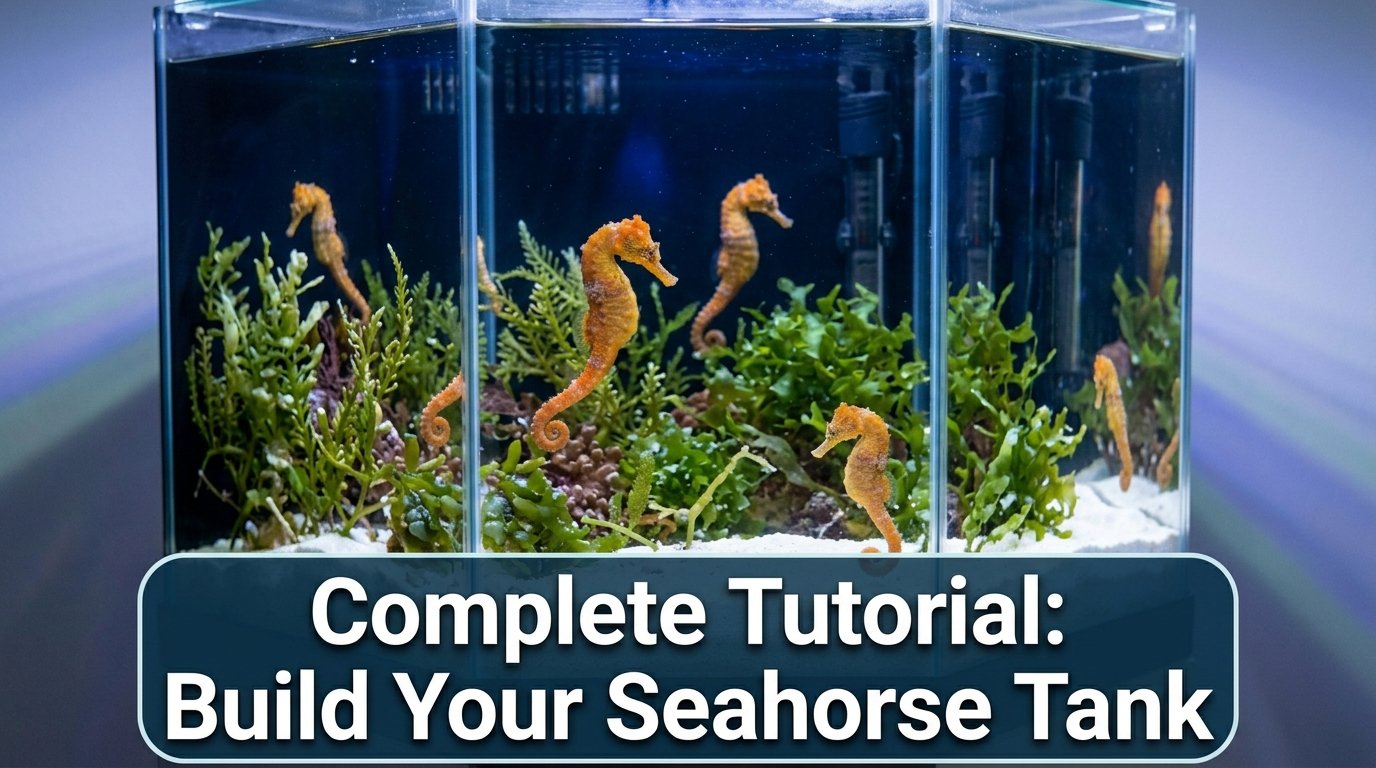
A seahorse aquarium is one of the most captivating and rewarding marine aquarium setups. Seahorses are unique fish known for their upright swimming posture, curled tails, gentle behavior, and fascinating appearance. Keeping seahorses successfully requires specialized care, but with proper planning, you can create a thriving environment that showcases these extraordinary creatures.
Unlike many marine fish, seahorses have specific requirements regarding tank design, water flow, feeding, and tank mates. Understanding these needs is essential for long-term success.
What Is a Seahorse Aquarium?
A seahorse aquarium is a saltwater aquarium specifically designed to meet the needs of seahorses.
These aquariums typically include:
- Moderate water flow
- Vertical swimming space
- Hitching posts
- Stable water conditions
- Peaceful tank mates
- High-quality filtration
The goal is to replicate the calm coastal habitats where seahorses naturally live.
Why Keep Seahorses?
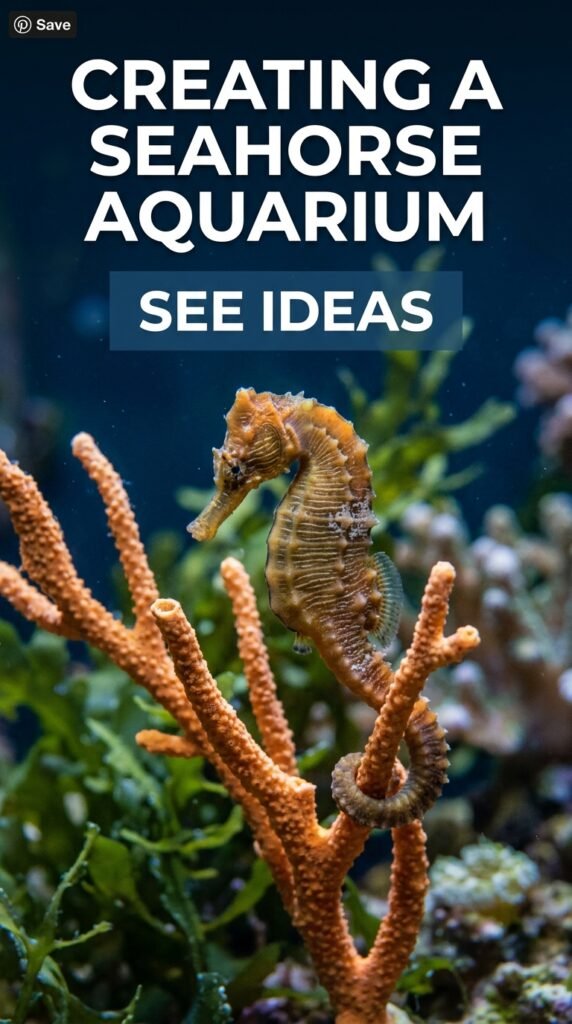
Seahorses are unlike any other aquarium fish.
Benefits of Keeping Seahorses
- Unique appearance
- Fascinating behavior
- Interactive personalities
- Beautiful swimming style
- Excellent conversation piece
- Opportunity to observe rare marine life
Their distinctive movements make them a favorite among marine aquarium enthusiasts.
Understanding Seahorses
Seahorses belong to the genus Seahorse and are closely related to pipefish.
Unique characteristics include:
- Prehensile tails
- Independent eye movement
- Bony body plates
- Upright swimming posture
- Male pregnancy
These traits make seahorses one of the most unusual fish in the ocean.
Popular Seahorse Species for Aquariums
Lined Seahorse
One of the most commonly kept species.
Features:
- Hardy nature
- Good captive-bred availability
- Attractive coloration
Kuda Seahorse
Popular among experienced hobbyists.
Barbour’s Seahorse
Known for distinctive markings and coloration.
Dwarf Seahorse
Suitable for specialized nano marine systems.
Choosing the Right Aquarium Size
Tank size is important for maintaining stable water quality.
Beginner Recommendation
A minimum of:
- 30 gallons for a pair
Larger aquariums provide greater stability and more swimming space.
Why Height Matters
Seahorses swim vertically and perform courtship behaviors that require height.
Tall aquariums are generally preferred over shallow tanks.
Essential Equipment
Filtration System
A quality filtration system helps maintain water quality.
Options include:
- Hang-on-back filters
- Canister filters
- Sumps
Protein Skimmer
Protein skimmers remove organic waste before it breaks down.
Heater
Stable temperatures are critical.
Lighting
Moderate lighting is sufficient for most seahorse aquariums.
Water Parameters
Maintaining stable water conditions is essential.
Ideal Conditions
- Temperature: 72–76°F (22–24°C)
- Salinity: 1.020–1.025
- pH: 8.1–8.4
- Ammonia: 0 ppm
- Nitrite: 0 ppm
- Nitrate: very low
Regular testing helps prevent problems.
Designing a Seahorse Aquarium
Provide Hitching Posts
Seahorses spend much of their time holding onto objects with their tails.
Suitable hitching structures include:
- Artificial corals
- Gorgonians
- Macroalgae
- Decorative branches
Create Open Swimming Areas
Leave sufficient space for movement and courtship behavior.
Avoid Strong Currents
Seahorses are weak swimmers compared to many marine fish.
Best Decorations
Popular décor options include:
- Live rock
- Artificial coral
- Branching structures
- Marine-safe ornaments
Choose decorations with smooth surfaces to prevent injury.
Live Plants and Macroalgae
Macroalgae provide natural beauty and hitching opportunities.
Popular choices include:
- Caulerpa
- Chaetomorpha
These additions also enhance the natural appearance of the aquarium.
Feeding Seahorses
Feeding is one of the most important aspects of seahorse care.
Common Foods
- Frozen mysis shrimp
- Enriched brine shrimp
- Specialized marine foods
Most captive-bred seahorses readily accept frozen foods.
Feeding Frequency
Seahorses generally require multiple feedings each day.
Tank Mates for Seahorses
Tank mates should be peaceful and non-competitive.
Suitable companions may include:
- Firefish
- Royal Gramma
- Cleaner Shrimp
Avoid aggressive or fast-feeding species.
Seahorse Aquarium Aquascaping Ideas
Seagrass Lagoon
Features:
- Macroalgae
- Sandy substrate
- Open swimming space
Coastal Reef
Combines:
- Live rock
- Soft corals
- Hitching structures
Mangrove Theme
Uses roots and natural-looking décor.
Natural Seahorse Habitat
Replicates shallow coastal environments.
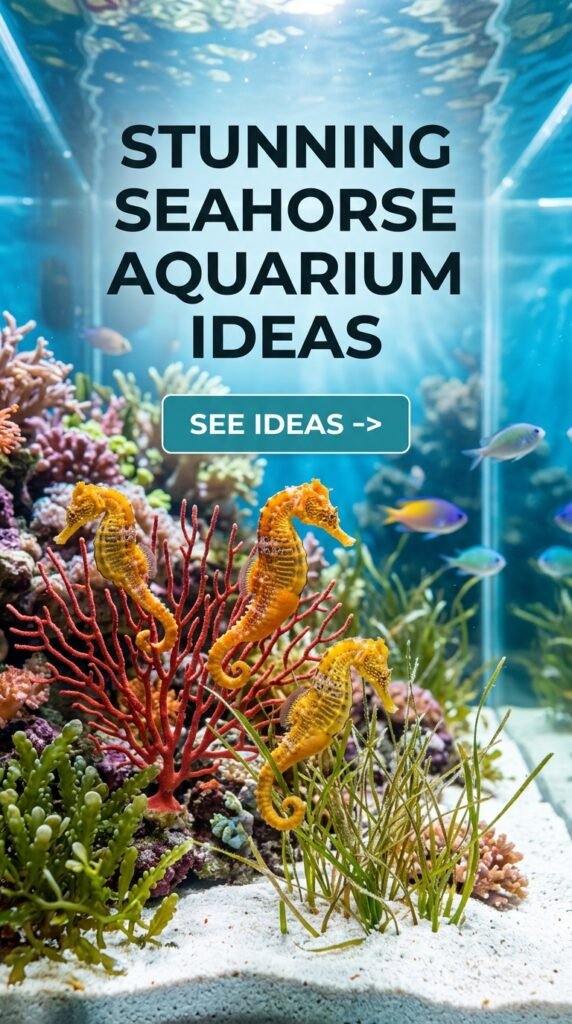
Seahorse Aquarium Inspiration
These designs demonstrate how stunning a dedicated seahorse aquarium can be.
Common Mistakes to Avoid
Strong Water Flow
Excessive current can stress seahorses.
Incompatible Tank Mates
Aggressive fish may outcompete seahorses for food.
Poor Water Quality
Seahorses are sensitive to unstable conditions.
Inadequate Feeding
Regular feeding is essential for maintaining health.
Maintenance Schedule
Weekly Tasks
- Water changes
- Water testing
- Glass cleaning
Monthly Tasks
- Equipment inspection
- Filter maintenance
- Deep cleaning as needed
Consistency is the key to long-term success.
Breeding Seahorses
One of the most fascinating aspects of seahorses is reproduction.
Male seahorses carry developing young in a brood pouch and give birth to fully formed offspring.
Breeding success depends on:
- Healthy adults
- Stable water conditions
- Proper nutrition
Why Seahorse Aquariums Are So Popular
Seahorses offer a completely different aquarium experience compared to traditional marine fish. Their graceful movements, unique appearance, and remarkable behaviors make them some of the most admired creatures in the aquarium hobby.
Many enthusiasts find that observing seahorses is both relaxing and educational.
Conclusion
A seahorse aquarium can be one of the most beautiful and rewarding marine setups when designed correctly. By providing appropriate tank size, stable water conditions, gentle water movement, hitching structures, and a nutritious diet, you can create a thriving environment for these extraordinary animals.
Whether you choose Lined Seahorse, Kuda Seahorse, or another captive-bred species, a dedicated seahorse aquarium is sure to become a stunning centerpiece and a fascinating window into marine life.
Frequently Asked Questions
Are seahorses difficult to keep?
They require specialized care, but captive-bred seahorses are generally easier to maintain than wild-caught specimens.
What size tank do seahorses need?
A pair of seahorses is typically best kept in an aquarium of at least 30 gallons.
Can seahorses live with other fish?
Yes, but only with peaceful species that will not compete aggressively for food.
What do seahorses eat?
Most captive-bred seahorses readily eat frozen mysis shrimp and other prepared foods.
Do seahorses need live plants?
Live plants are not required, but macroalgae and hitching structures greatly improve the habitat and provide enrichment.