
 By admin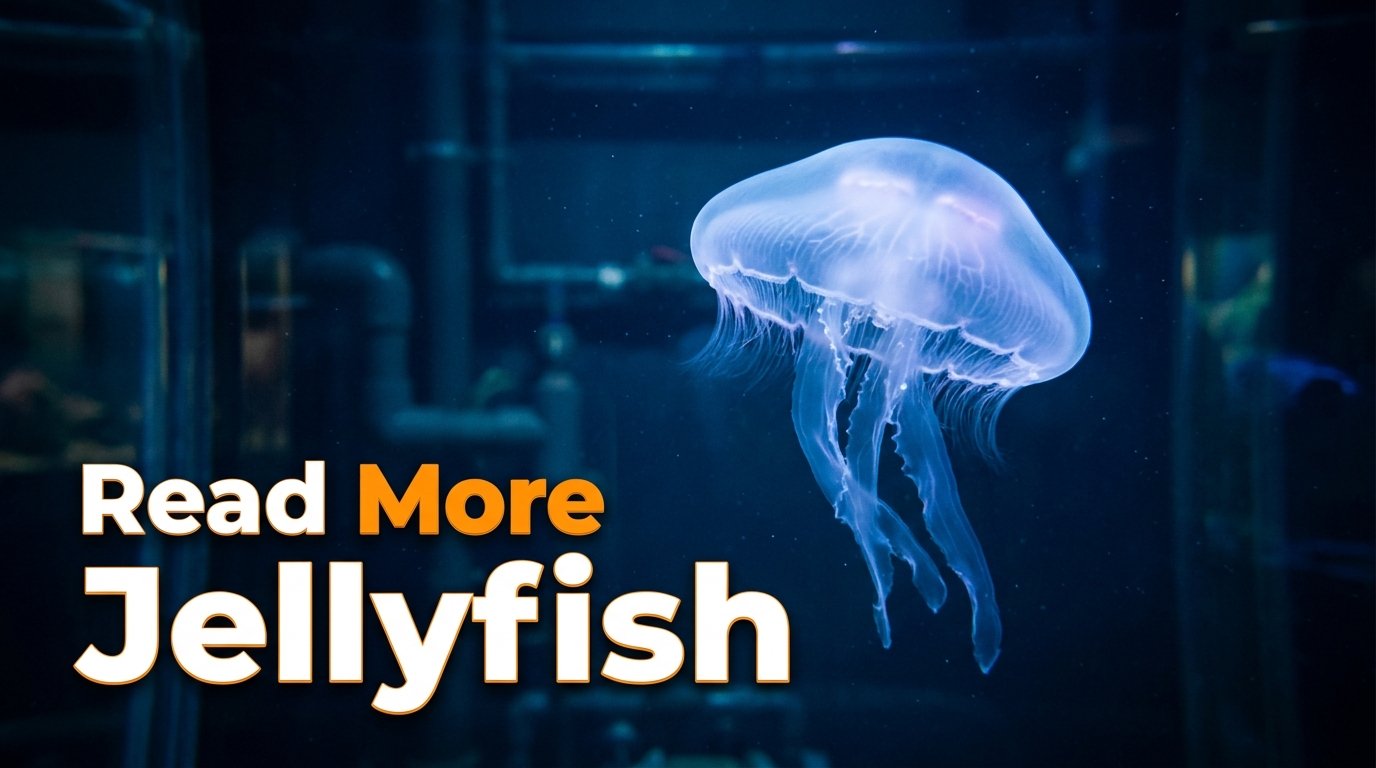
Keeping jellyfish in aquarium systems has become increasingly popular among aquarium enthusiasts, interior designers, and marine life lovers. Their graceful movements, translucent bodies, and mesmerizing appearance make jellyfish one of the most captivating aquatic creatures you can keep. Unlike traditional fish tanks, however, housing jellyfish requires specialized equipment and careful planning to ensure their health and survival.
A well-maintained jellyfish aquarium can transform any home, office, hotel, or reception area into a stunning underwater display. This guide covers everything you need to know about keeping jellyfish in an aquarium, including tank requirements, species selection, feeding, maintenance, and design ideas.
Can Jellyfish Live in an Aquarium?
Yes, jellyfish can live successfully in an aquarium when provided with the proper environment. However, they cannot thrive in standard fish tanks because their delicate bodies are easily damaged by corners, strong currents, and traditional filtration systems.
Specialized jellyfish aquariums are designed to:
- Create gentle circular water flow
- Prevent contact with sharp edges
- Maintain stable marine water conditions
- Support healthy feeding and movement
With the right setup, jellyfish can live comfortably and display their natural swimming behavior.
Why Keep Jellyfish in an Aquarium?
Jellyfish offer several unique advantages compared to traditional aquarium fish.
Mesmerizing Movement
The slow, rhythmic pulsing of jellyfish creates a calming and relaxing atmosphere.
Unique Appearance
Their translucent bodies and elegant movement make them unlike any other aquarium animal.
Modern Decorative Appeal
Jellyfish tanks fit perfectly into modern interior design styles.
Conversation Starter
A jellyfish aquarium often becomes the focal point of a room.
Stress Reduction
Watching jellyfish glide through illuminated water can create a peaceful environment.
Best Jellyfish Species for Aquariums
Not all jellyfish are suitable for home aquariums.
Moon Jellyfish
The most popular species for beginners.
Benefits include:
- Hardy nature
- Attractive appearance
- Readily available
- Adaptability to aquarium life
Moon jellyfish are typically the first choice for home jellyfish tanks.
Blue Blubber Jellyfish
Known for their colorful and attractive appearance.
Spotted Lagoon Jellyfish
Recognized by their distinctive spotted patterns.
Pacific Sea Nettle
A larger and more advanced species suitable for experienced keepers.
Special Aquarium Requirements for Jellyfish
Jellyfish require specialized aquariums unlike those used for fish.
Kreisel Aquarium Design
Most jellyfish tanks use a kreisel design.
Benefits include:
- Circular water movement
- No sharp corners
- Reduced injury risk
- Natural swimming environment
Rounded Interior
Rounded tanks help prevent jellyfish from becoming trapped.
Gentle Water Flow
Jellyfish rely on water movement to remain suspended and move naturally.
Aquarium Size for Jellyfish
The ideal aquarium size depends on the species and number of jellyfish.
Popular sizes include:
- 5-gallon jellyfish tanks
- 10-gallon jellyfish tanks
- 20-gallon jellyfish tanks
- Custom display systems
Beginners often find 10 to 20 gallons suitable for a small group of moon jellyfish.
Water Conditions for Jellyfish
Stable water parameters are essential.
Temperature
Most aquarium jellyfish prefer:
- 68°F to 77°F (20°C to 25°C)
Salinity
Maintain a marine salinity of approximately:
- 1.023 to 1.025 specific gravity
pH
Ideal range:
- 8.1 to 8.4
Ammonia
Always keep at zero.
Nitrite
Should remain at zero.
Nitrate
Keep as low as possible through regular maintenance.
Filtration for Jellyfish Aquariums
Proper filtration maintains water quality without harming jellyfish.
Mechanical Filtration
Removes debris and uneaten food.
Biological Filtration
Supports beneficial bacteria that process waste.
Protein Skimmers
Help maintain excellent marine water quality.
Protected Intakes
All filtration intakes should be screened to prevent injury.
Feeding Jellyfish in an Aquarium
Jellyfish require regular feeding.
Common foods include:
- Baby brine shrimp
- Frozen plankton
- Specialized jellyfish diets
- Copepods
Most jellyfish need feeding one to three times daily.
Proper nutrition promotes growth and healthy coloration.
Lighting for Jellyfish Aquariums
Lighting dramatically enhances the beauty of jellyfish.
Blue LED Lighting
Creates a natural ocean-like appearance.
Color-Changing LED Systems
Allow dynamic visual effects.
Soft White Lighting
Provides a clean and elegant presentation.
Programmable Lighting
Simulates natural day and night cycles.
Many jellyfish appear almost magical under carefully selected lighting.
Designing a Jellyfish Aquarium
Minimalist Jellyfish Display
Focuses attention entirely on the jellyfish.
Modern Decorative Tank
Uses sleek furniture and integrated lighting.
Office Aquarium
Provides a calming focal point in work environments.
Luxury Reception Display
Often used in hotels, clinics, and commercial spaces.
Because jellyfish tanks generally contain few decorations, the animals themselves become the main attraction.
Best Placement for a Jellyfish Aquarium
Ideal locations include:
- Living rooms
- Offices
- Hotel lobbies
- Reception areas
- Bedrooms
- Waiting rooms
Avoid:
- Direct sunlight
- Excessive heat
- Areas with significant temperature fluctuations
Maintenance of Jellyfish in Aquarium Systems
Daily Tasks
- Feed jellyfish
- Observe health and swimming behavior
- Check equipment operation
Weekly Tasks
- Test water quality
- Clean viewing surfaces
- Perform partial water changes
Monthly Tasks
- Inspect filtration systems
- Deep-clean equipment if necessary
Consistency is critical for long-term success.
Common Problems When Keeping Jellyfish
Poor Water Quality
Jellyfish are highly sensitive to water chemistry changes.
Strong Water Currents
Excessive flow can damage delicate tissues.
Improper Feeding
Both underfeeding and overfeeding can cause health issues.
Inadequate Tank Design
Traditional aquariums are unsuitable for jellyfish.
Temperature Fluctuations
Stable temperatures help prevent stress.
Advantages of Keeping Jellyfish in an Aquarium
- Stunning visual appeal
- Relaxing movement
- Unique pet experience
- Modern decorative value
- Educational opportunities
- Fascinating marine biology observation
Few aquatic animals offer such a distinctive display.
Challenges of Jellyfish Aquariums
Potential challenges include:
- Specialized equipment requirements
- Marine water maintenance
- Frequent feeding
- Delicate care requirements
- Higher setup costs
Understanding these challenges helps improve success rates.
Are Jellyfish Suitable for Beginners?
Many modern jellyfish aquarium kits are designed for beginners. However, keeping jellyfish still requires commitment and attention to detail.
New hobbyists should:
- Research thoroughly
- Start with moon jellyfish
- Invest in quality equipment
- Learn marine water management
With proper preparation, beginners can successfully keep jellyfish.
How Long Do Jellyfish Live in Aquariums?
Lifespan varies by species.
Moon jellyfish commonly live:
- 6 to 18 months
Some species may live longer under ideal conditions.
Proper care significantly influences longevity.
Conclusion
Keeping jellyfish in aquarium systems offers a truly unique and mesmerizing experience. Their graceful movement, ethereal appearance, and calming presence make them one of the most captivating aquatic animals available to hobbyists. While they require specialized tanks, marine water conditions, and dedicated care, the rewards of maintaining a healthy jellyfish aquarium are exceptional.
By selecting appropriate species, using a properly designed kreisel-style aquarium, maintaining excellent water quality, and providing regular feeding, you can create a stunning underwater display that serves as a living work of art in your home or office.
Frequently Asked Questions
Can jellyfish live in a regular fish tank?
No. Jellyfish require specialized aquariums with circular water flow and rounded interiors.
What is the best jellyfish for beginners?
Moon jellyfish are generally considered the easiest and most beginner-friendly species.
Do jellyfish need saltwater?
Yes. Most aquarium jellyfish require marine saltwater conditions.
How often should jellyfish be fed?
Most species require feeding one to three times per day.
Are jellyfish difficult to keep?
They require specialized equipment and care but can be successfully maintained with proper preparation.
How long do jellyfish live in aquariums?
Many commonly kept species live between 6 and 18 months, depending on care and species.